
Nel 2015 abbiamo lanciato il progetto “Photo Shelter”, a cura di Maria Savarese.
Ogni anno il nostro sito web ospita le fotografie di un artista con cui abbiamo avuto modo di collaborare in passato: sono ormai più di dieci anni che lo Studio affianca e sostiene il lavoro dei fotografi tutelando i loro diritti d'autore, assistendoli nella negoziazione di contratti di vendita, accordi di commissione, accordi di fornitura con i rivenditori, ecc.
Il tema della fotografia è un argomento caro al nostro studio, abbiamo assistito diversi fotografi in contenziosi (tra cui il caso Cox-Marras) e dal 2018 collaboriamo con Pixsy, un portale attivo a livello internazionale nella tutela del diritto d'autore dei fotografi.
Da Carlo Orsi a Giulio Parisio, da Franco Pasti a Giada Ripa, da Matteo Gastel a Gianni Fiorito, Photoshelter si configura ormai da 10 anni come un archivio aperto pronto ad accogliere il lavoro di molti altri fotografi significativi per lo Studio.
La missione di Photoshelter è quella di fondere la nostra attività legale con la nostra passione per la fotografia e la sua conseguente valorizzazione.
Photoshelter
Francesco Patriarca - Time Whispers in the Rose Garden of Love
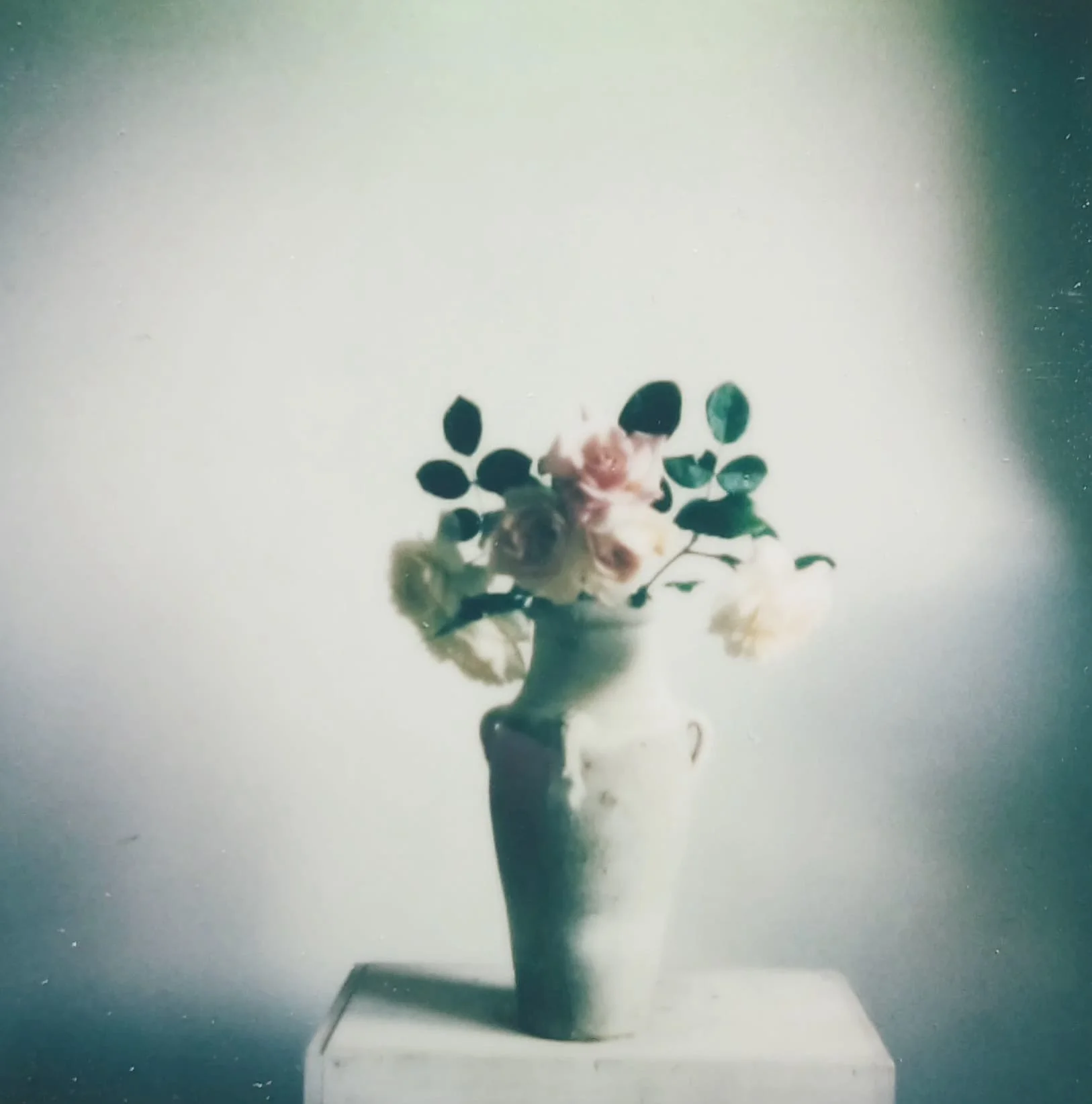
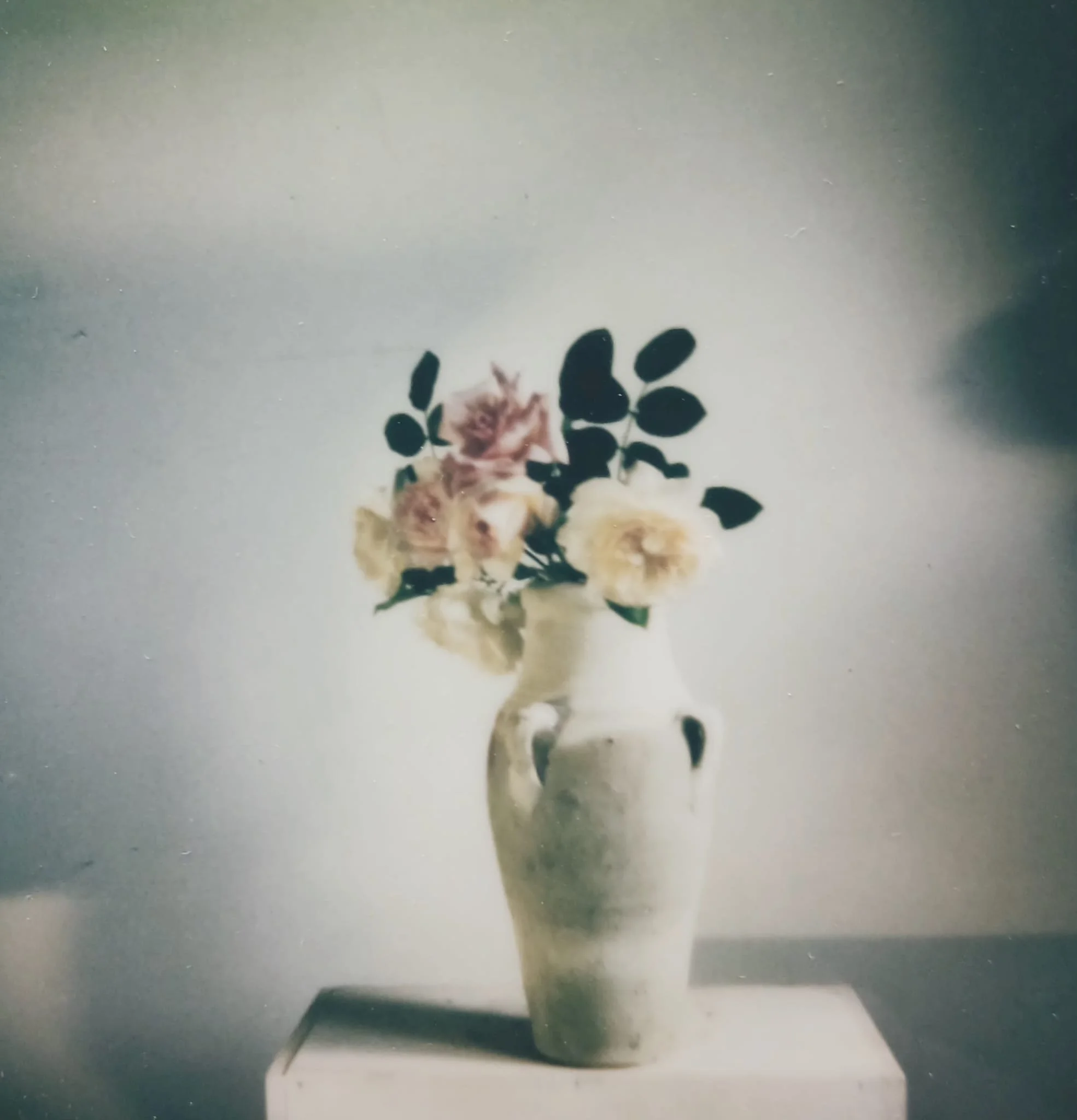
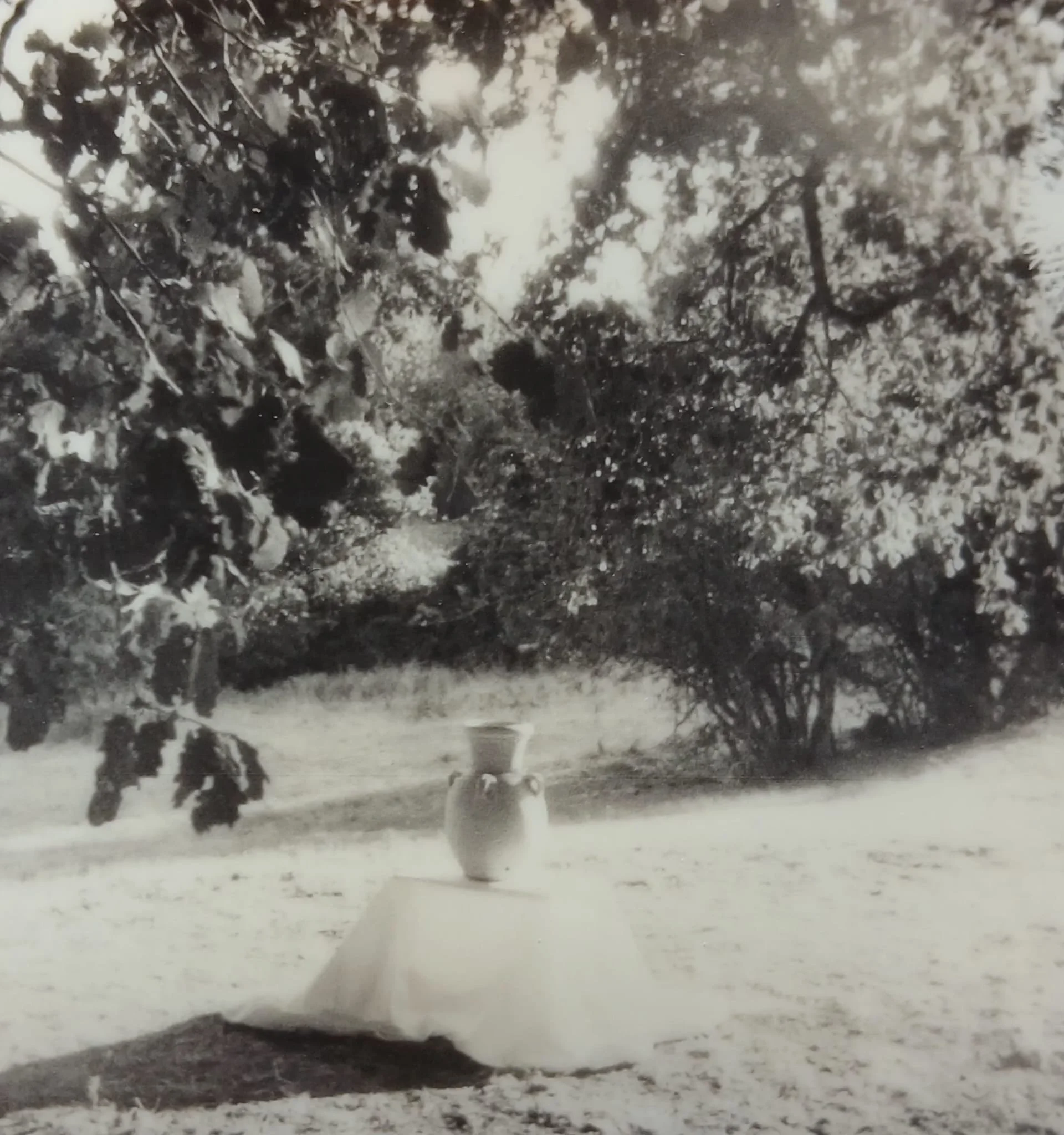
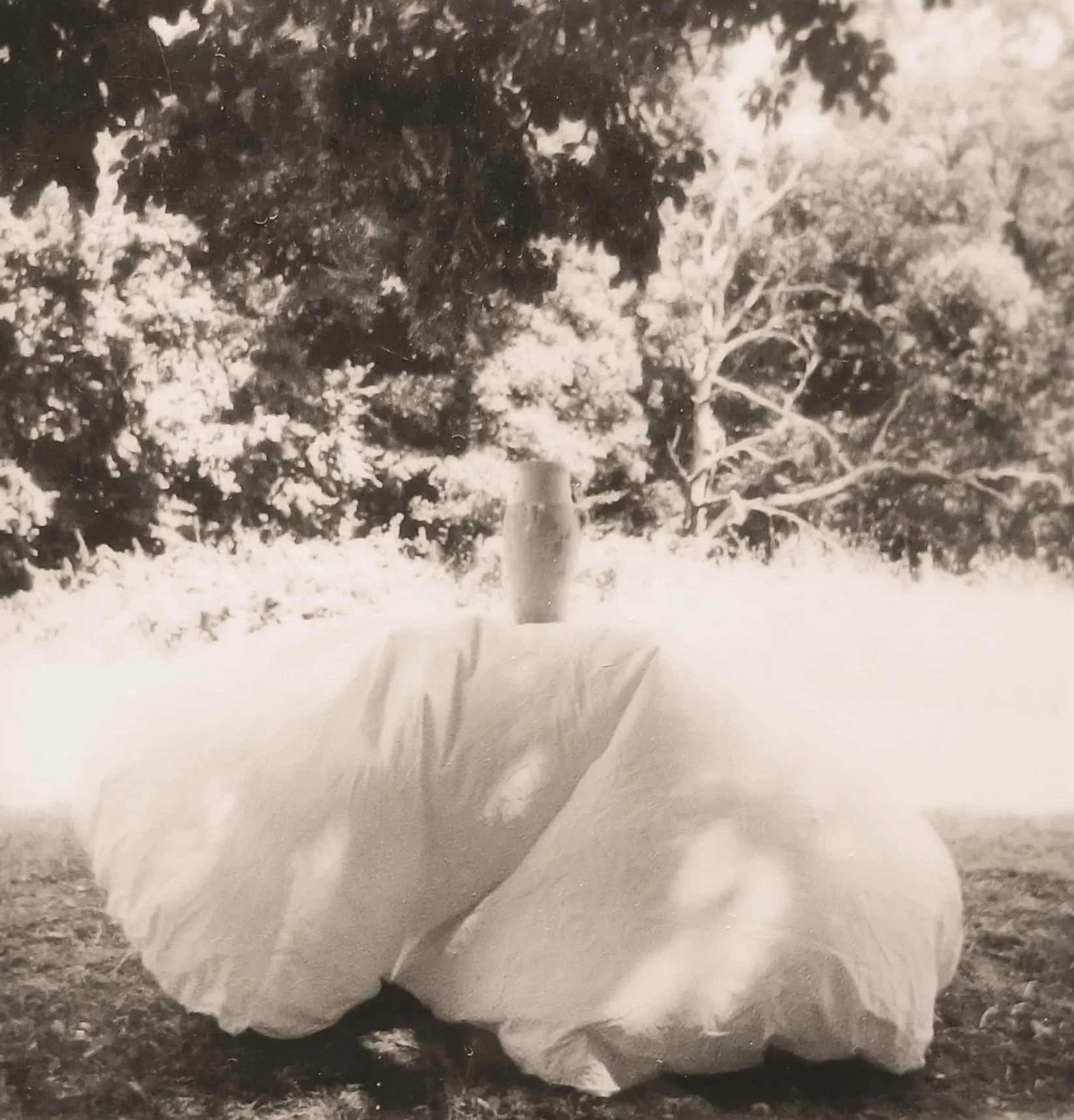
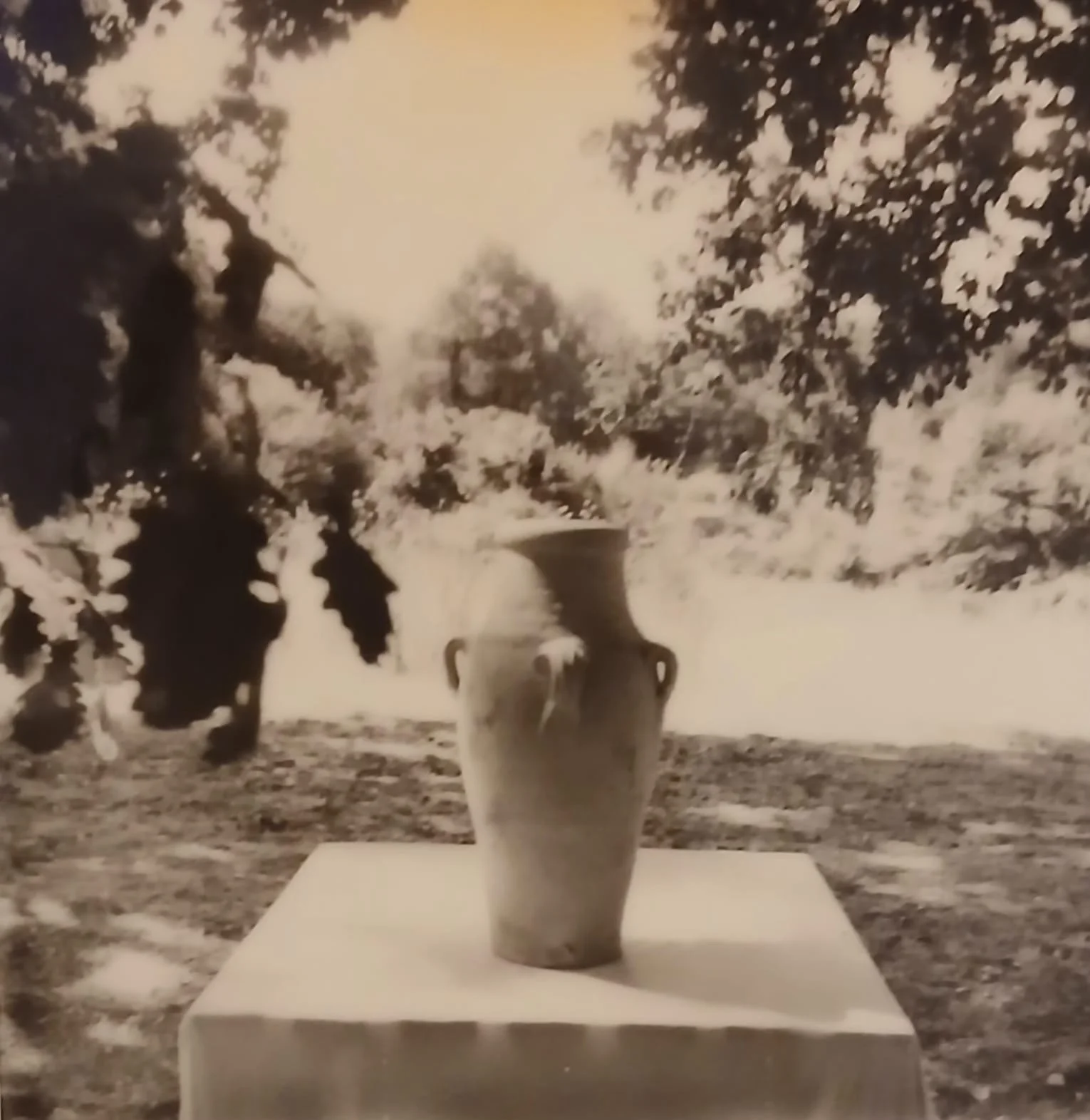
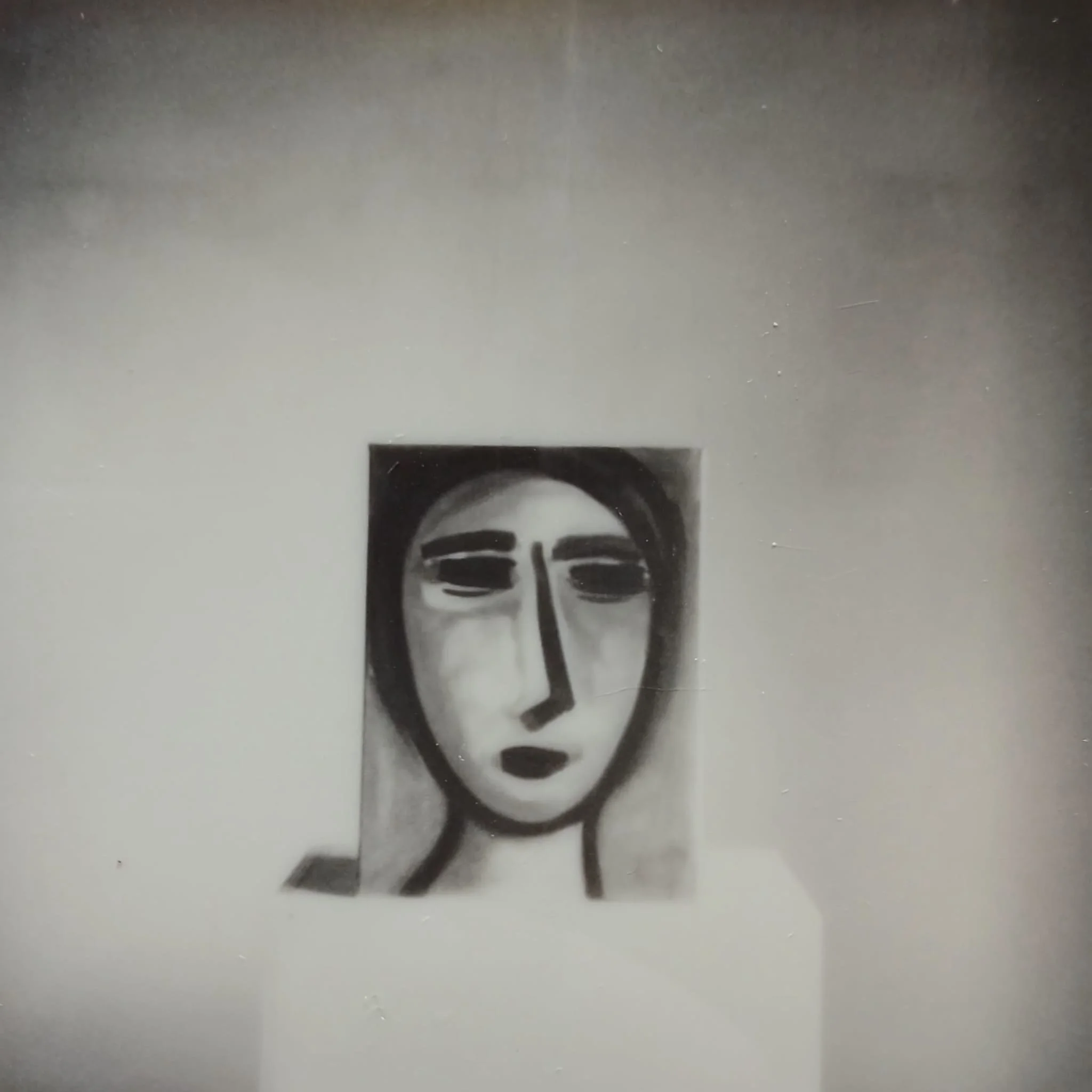
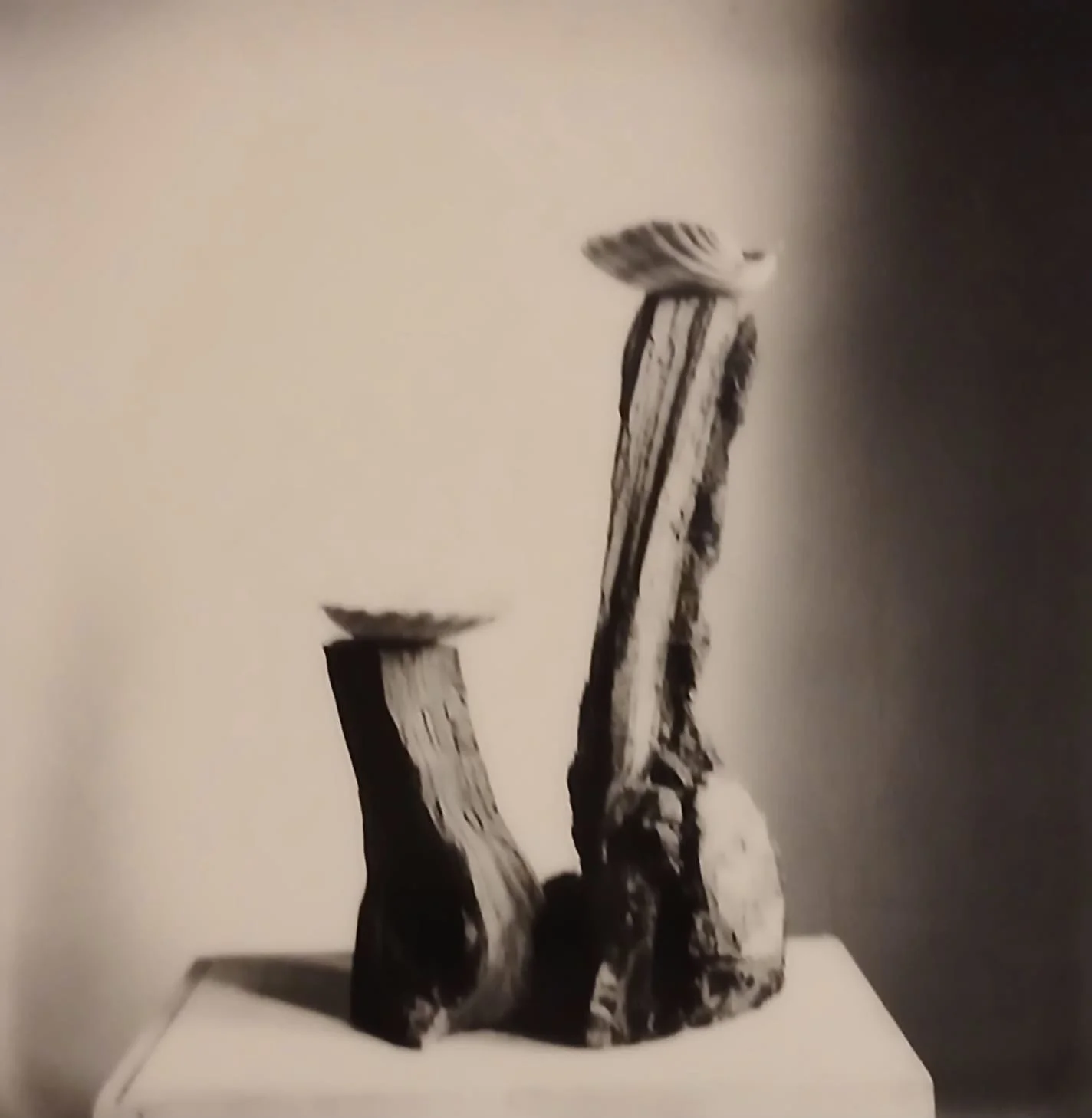
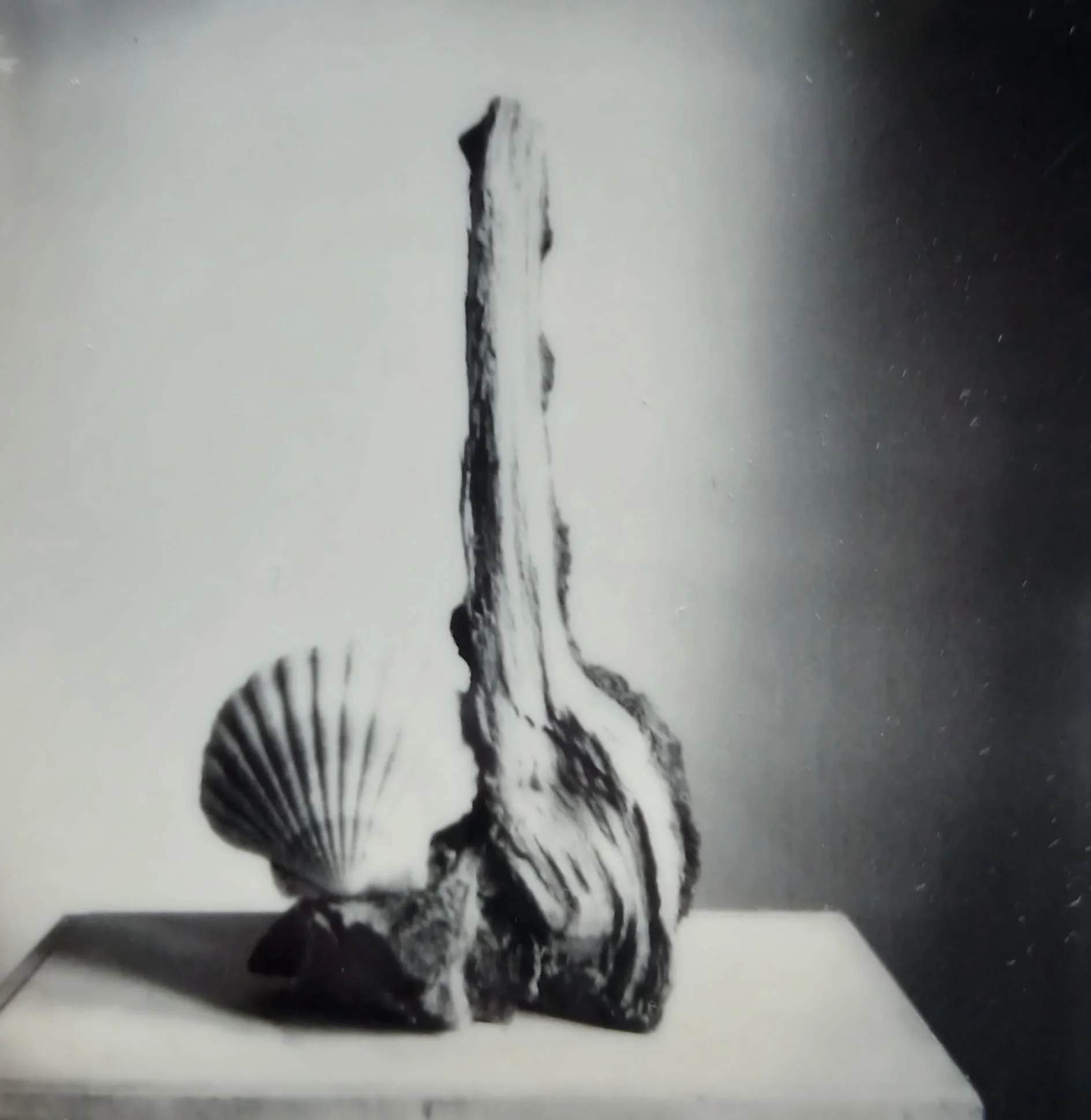
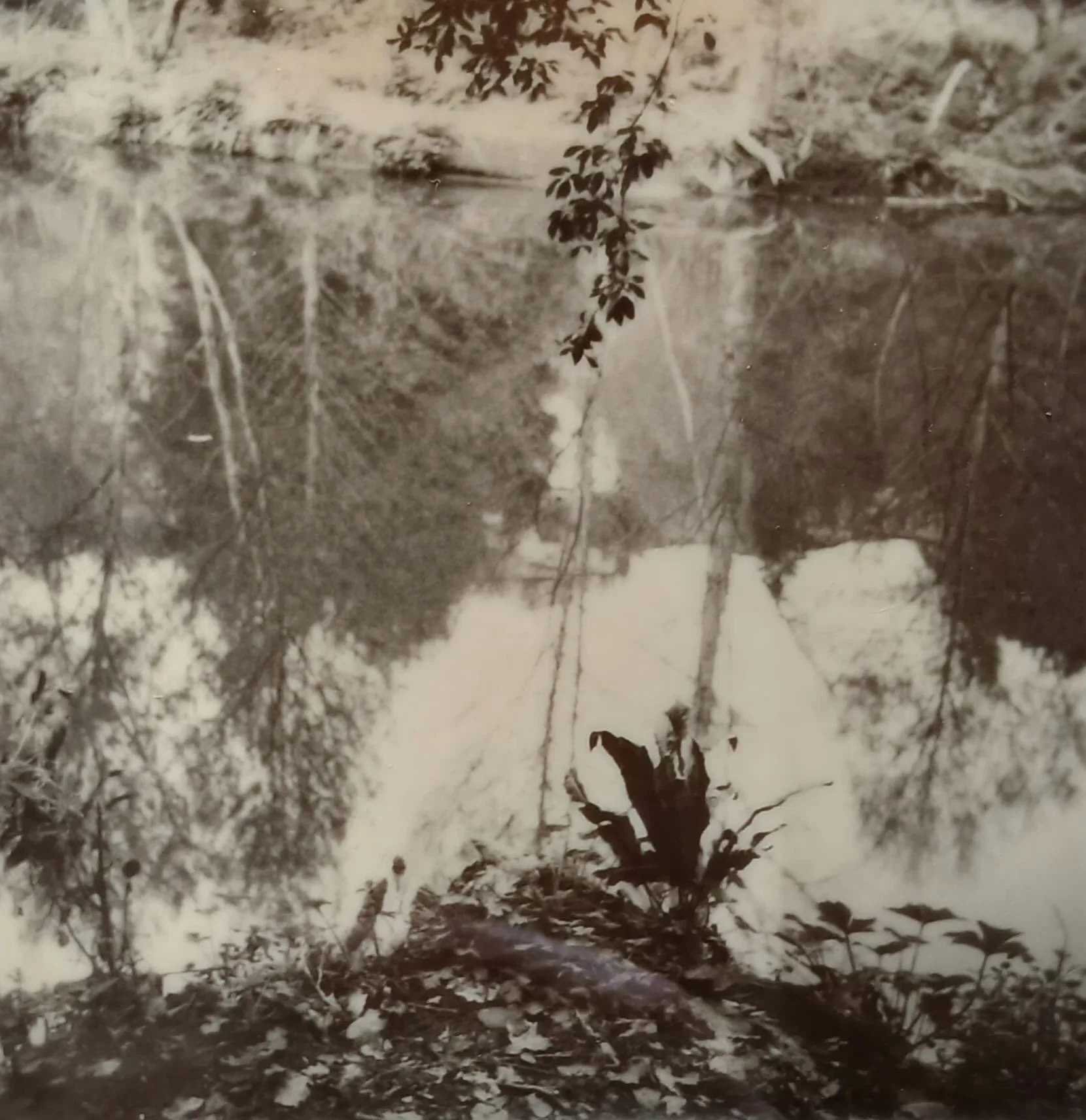
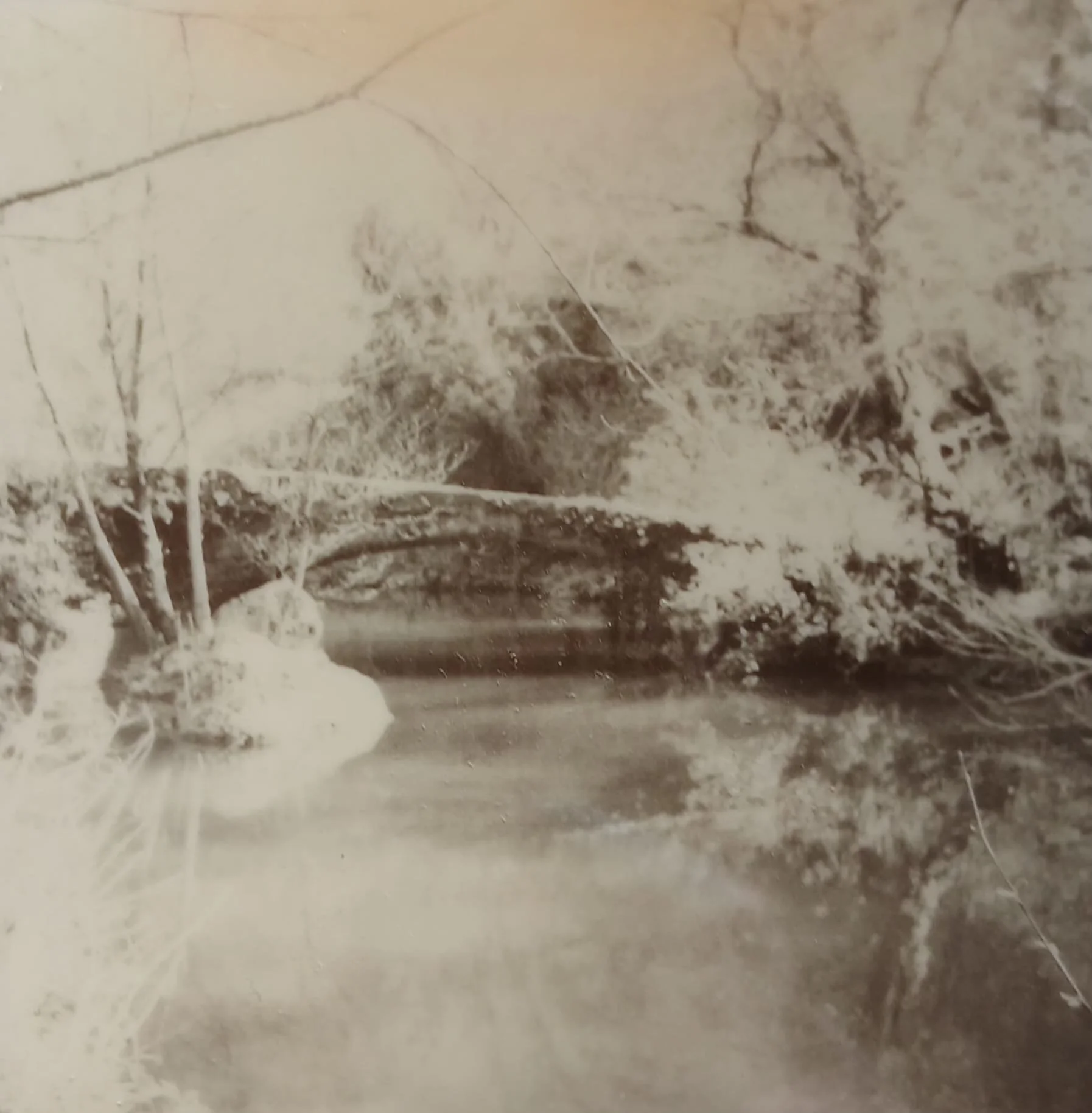
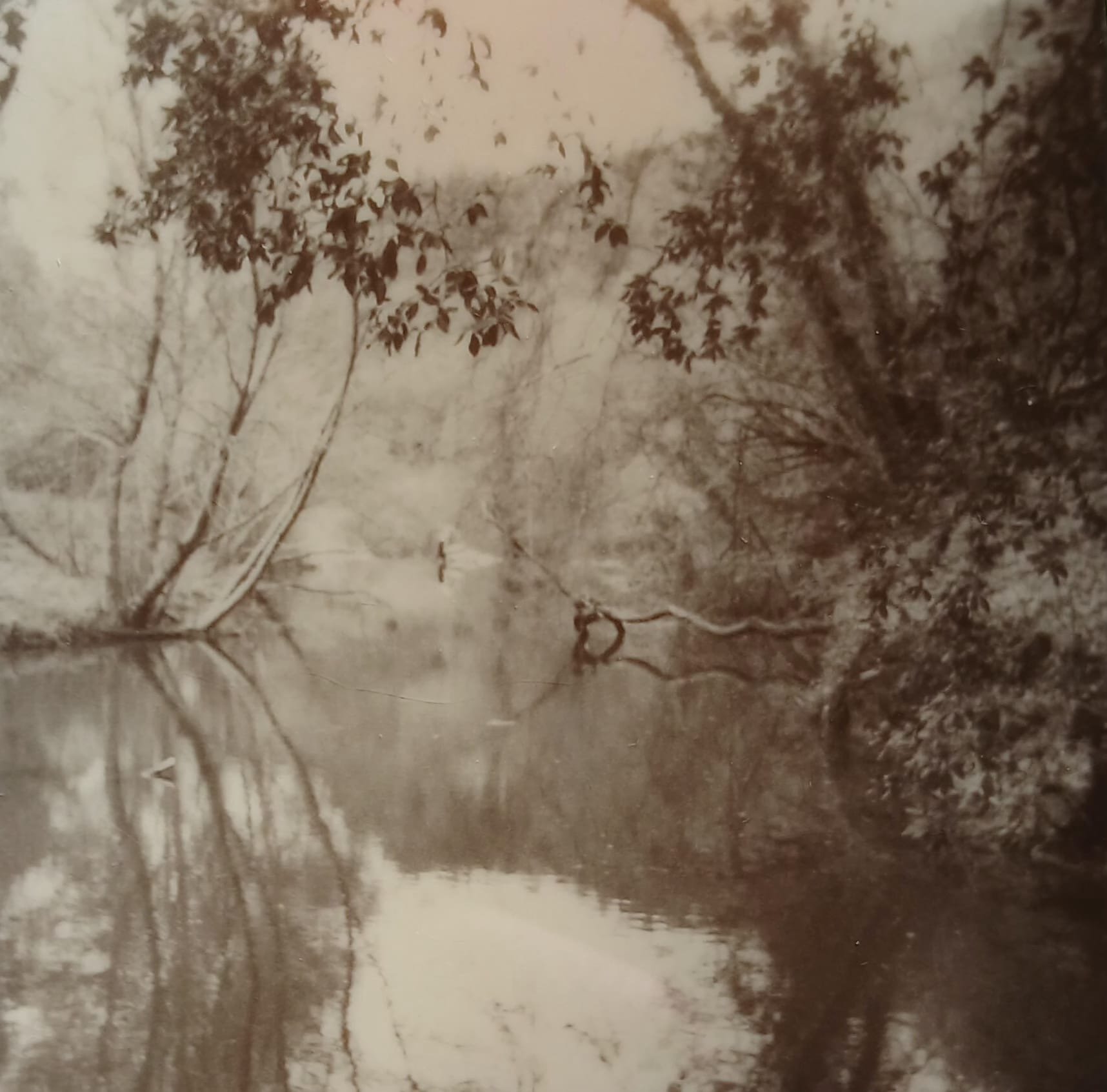
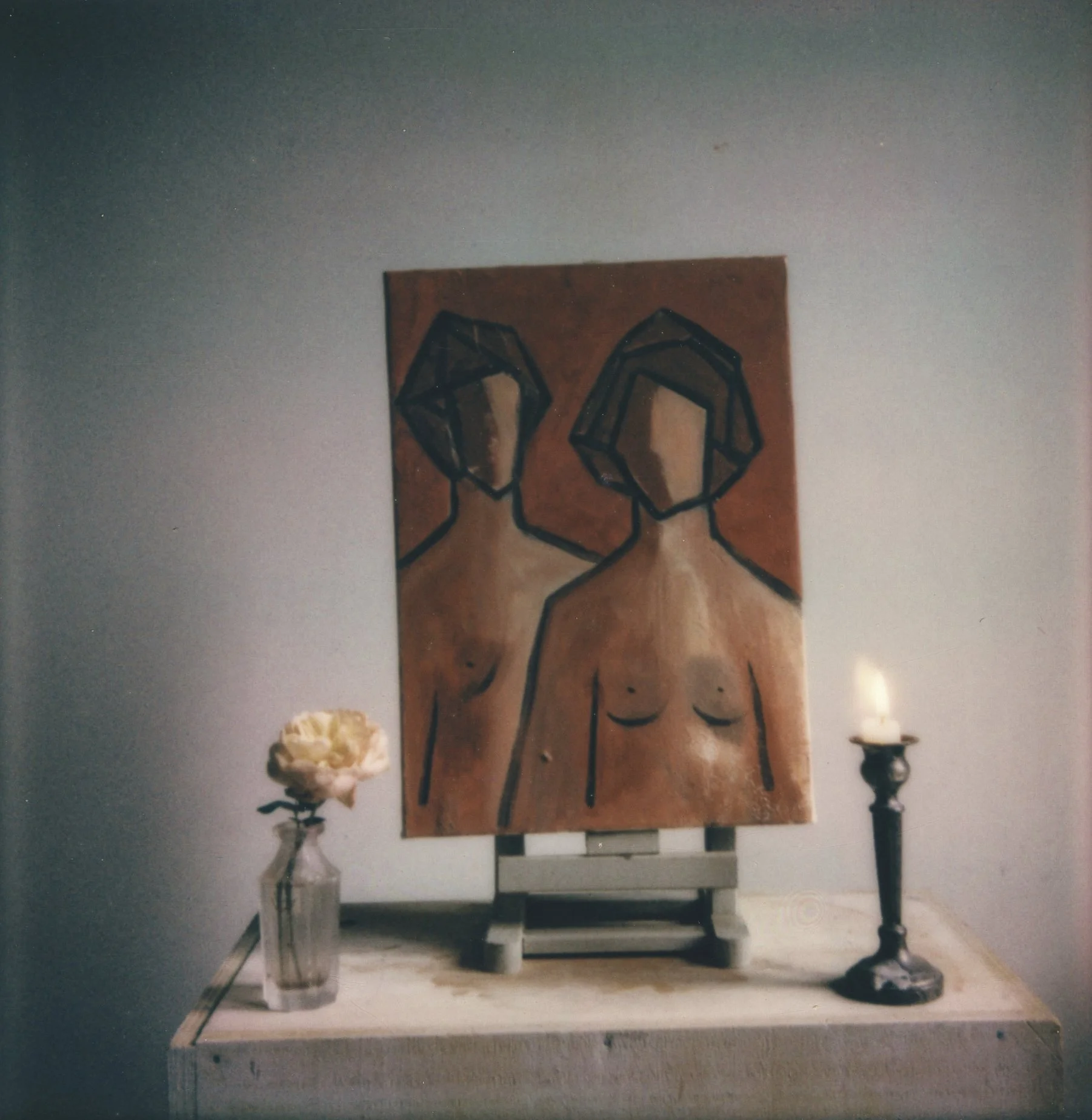
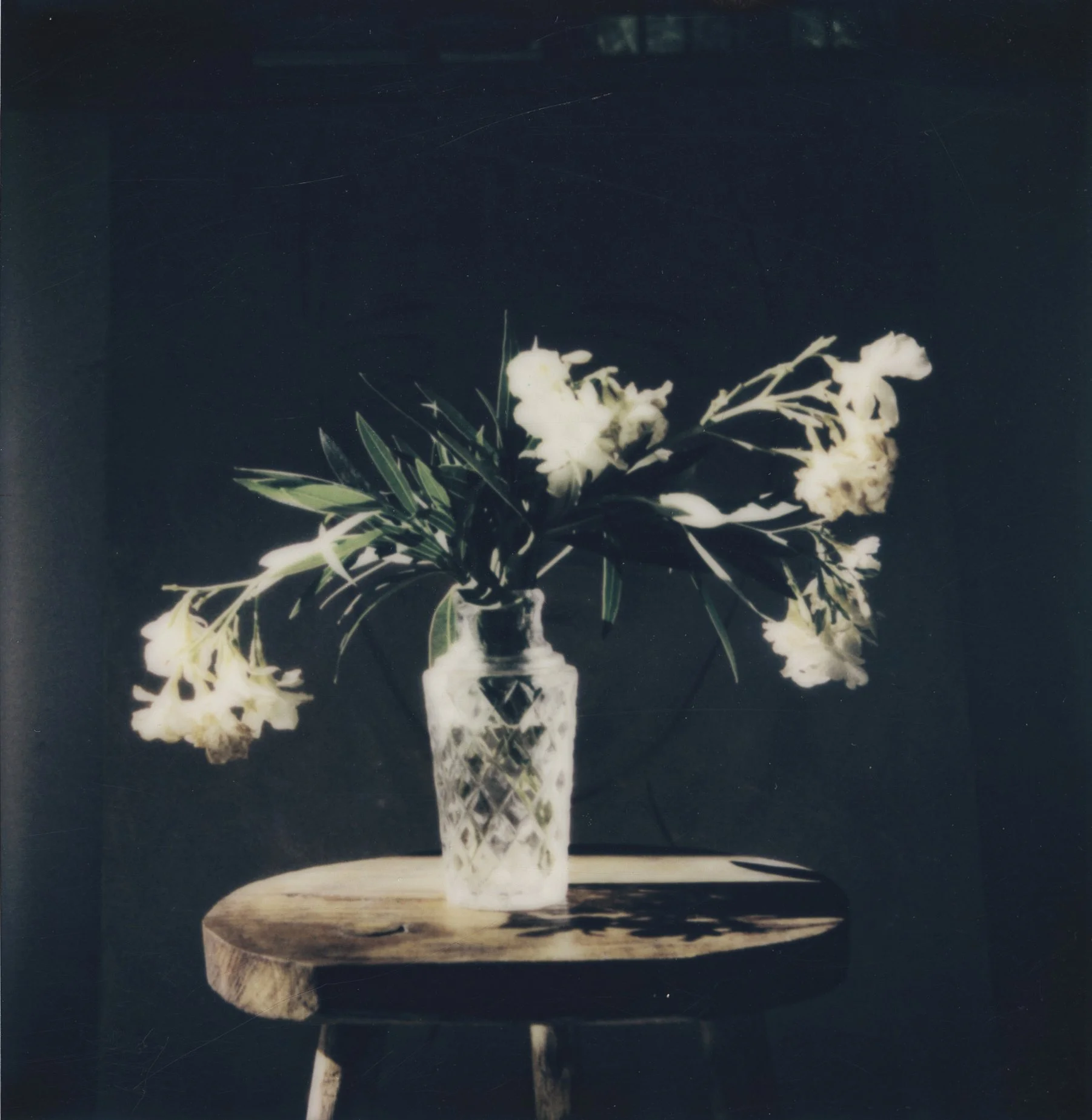
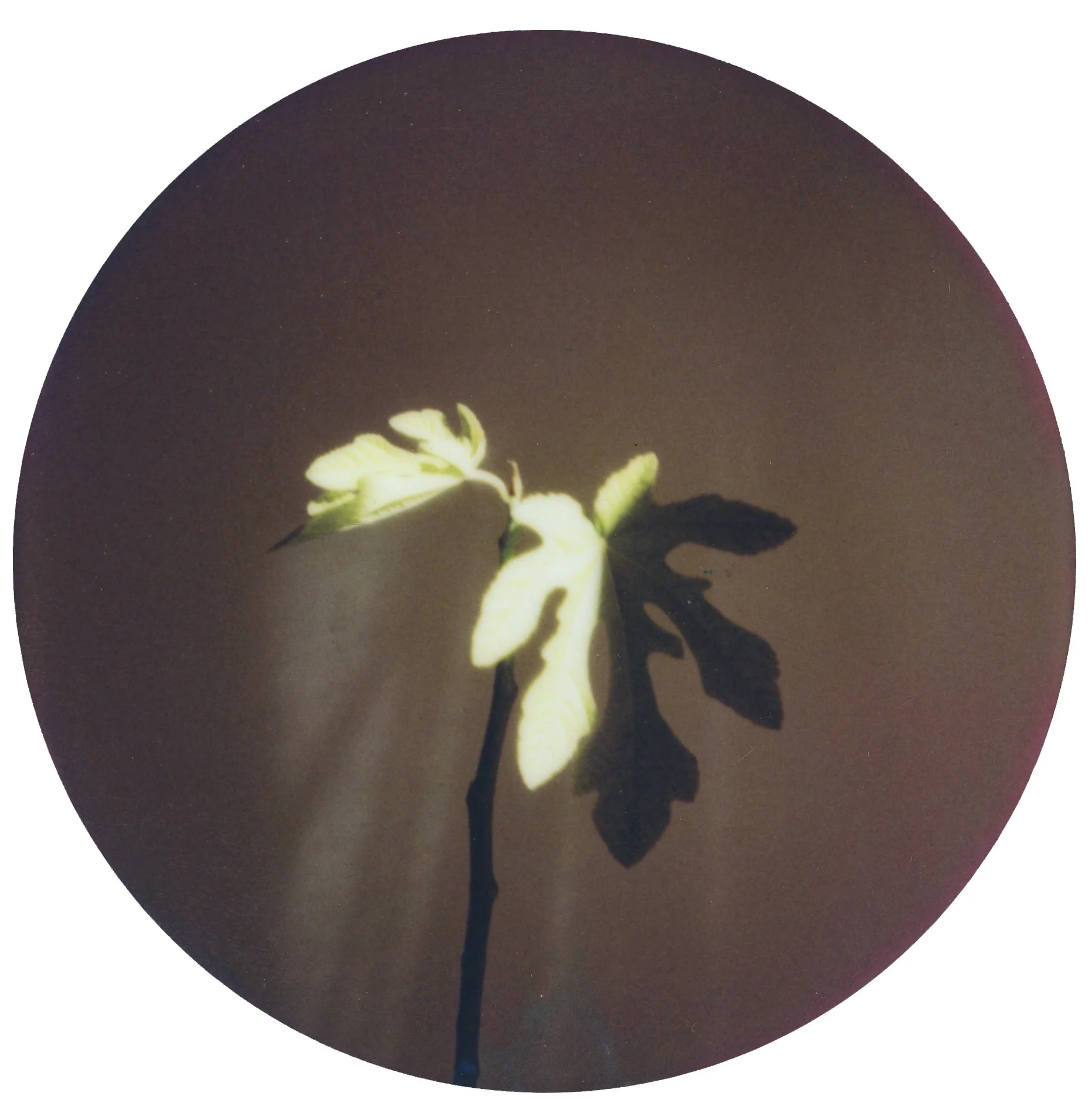
Photoshelter 2026 è dedicata alla fotografia di Francesco Patriarca.
Nato nel 1974 a Roma, dove vive e lavora, Francesco Patriarca ha sviluppato un percorso artistico in cui vita e opera sono indissolubilmente intrecciate. La sua formazione professionale trae origine dall’esperienza personale, da momenti vissuti che l’artista traduce in progetti visivi piuttosto che in singole opere.
Attivo dalla fine degli anni '90, Patriarca espone dal 2002 in gallerie, musei, fondazioni e istituzioni nazionali e internazionali, tra cui The Gossmichael Foundation (Dallas), The Dactyl Foundation (New York), Fondazione Pastificio Cerere (Roma), il Museo dei Mercati di Traiano (Roma), il Musée Carnavalet (Parigi), Rencontres de la photographie en Sud Gironde, la Galleria Nazionale d’Arte di Tirana, il MAXXI – Museo Nazionale delle Arti del XXI Secolo (Roma), il MAMbo – Museo d’Arte Moderna di Bologna, la Reggia di Caserta e Rencontres d’Arles. Le sue fotografie, i suoi reportage e i suoi ritratti sono apparsi su testate quali l’International Herald Tribune, Courrier International, La Repubblica, Il Corriere della Sera, Il Giornale dell’Arte, The Observer e L’Officiel.
Nel 2024 ha pubblicato la sua terza monografia, Clay Ghost, un progetto che nel 2025 è stato presentato in diverse mostre a Roma (Galleria Eddart), Parigi (Galerie Yvon Lambert e Galleria Maggiore GAM) e Tbilisi (Fotografia Gallery). Nel 2026 sono in programma altre due mostre personali a Londra (Artvisor) e New York (Coffey Street Studios).
Sebbene utilizzi diversi linguaggi — che spaziano dalla pittura alla fotografia, alla scultura, al disegno e alla musica — la fotografia rappresenta il punto di partenza della sua ricerca.
Patriarca costruisce le sue serie come capitoli di un archivio esperienziale in continua espansione: progetti nati da incontri, luoghi o condizioni vissute, che l’artista romano traduce in mosaici visivi e mentali, spostando la narrazione su un piano meta-temporale.
Il titolo di questa serie di opere selezionate per Photoshelter 2026 fa riferimento diretto al poema sufi Gulshan-i ‘ishq (Il Giardino delle Rose dell’Amore), scritto in deccani nel 1657 dal poeta romantico persiano Nusrati.
Il testo narra le fantastiche avventure di un principe alla ricerca della donna amata — mai veramente conosciuta, vista solo in sogno. Dopo molte prove, i due amanti si incontrano finalmente nel Giardino delle Rose, un luogo paradisiaco e simbolo di unione e pace.
La lingua deccani riunisce le tradizioni letterarie e culturali dell’India e dell’Iran e, come in molti cicli poetici del Medio Oriente, il giardino appare in questo testo come metafora del paradiso in terra, un ricettacolo di simboli ed elementi che consentono all’umanità di raggiungere l’armonia, la pace e l’amore attraverso la ricerca spirituale.
In queste fotografie – ideale continuazione del progetto Clay Ghost – Patriarca introduce elementi floreali e naturali: un bosco, il giardino dove vive e lavora, le sue rose e i suoi vasi, ritratti ancora una volta, ma all’aperto, all’ombra di un grande albero secolare e disposti su un lenzuolo che si muove con la brezza estiva, comunemente associata nella tradizione sufi al respiro vitale e al dialogo con il divino. Ci sono anche piante fotografate nei giardini delle moschee di Parigi, Cordova e Damasco – i cosiddetti chahār bāgh – che richiamano l’antico giardino persiano tradizionalmente diviso in quattro sezioni da canali d’acqua, corrispondenti ai quattro giardini del paradiso descritti nel Corano.
Vasi colmi di rose e paesaggi di natura incontaminata ci riportano a un tempo lontano e arcaico – all’idea di viaggio ed esplorazione alla ricerca dell’ignoto, e al richiamo del deserto e di quei luoghi in cui si è sviluppata la cultura mistica sufi.
Maria Savarese
Edizioni Passate
2025 Stefano de Luigi
2024 Alfa Castaldi
2023 Denis Piel
2022 Cinzia Camela
2021 Gianni Fiorito
2020 Matteo Gastel
2019 Giada Ripa
2018 Franco Pasti
2017 Giulio Parisio
2016 Carlo Orsi