
Past Editions — Photoshelter
In 2015 we launched the “Photo Shelter” project, curated by Maria Savarese.
This page collects the past editions of the project, through which, each year, our website has hosted the work of a photographer with whom the Firm has developed a professional relationship over time.
For more than ten years, our Firm has worked alongside photographers, supporting and protecting their activity from a legal perspective. Our work includes the protection of copyright, assistance in negotiating sales and licensing agreements, commission contracts, delivery agreements with galleries and retailers, and the management of disputes relating to the use of photographic works.
Photography is a subject particularly close to our Firm. Over the years we have assisted several photographers in significant litigation matters and since 2018 we have collaborated withactive platforms dedicated to the protection and enforcement of photographers’ copyright.
From Carlo Orsi to Giulio Parisio, from Franco Pasti to Giada Ripa, from Matteo Gastel to Gianni Fiorito, Photo Shelter has, over the past decade, grown into an open archive celebrating photographers whose work has intersected with the professional path of the Firm.
The mission of Photo Shelter is to bring together our legal practice and our passion for photography, contributing to the protection, recognition, and valorization of photographic work.
2016 - Carlo Orsi


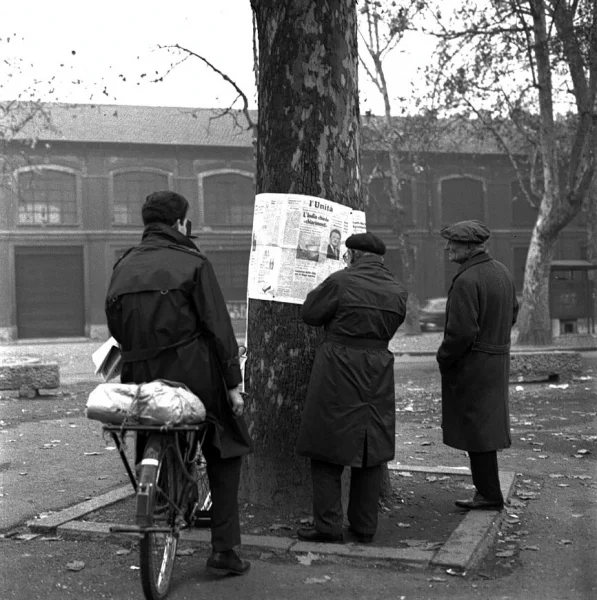


Carlo Orsi was born in Milan on March 8, 1941. He made his debut in the world of photography as an assistant to Ugo Mulas. In the early '60s he was a reporter from Italy and abroad for magazines like Panorama, Settimo Giorno, Il Mondo and Oggi.
At the end of the sixties he started working with the fashion industry collaborating with the most qualified Italian and foreign magazines. Not immune to the lure of advertising he created the campaigns for La Perla, Omsa, Swatch, American System, and Marlboro.
He published several books including "Milano" in 1965 with Dino Buzzati, "Exstasi" in 1999 on the fall of the Berlin Wall, "Single Act with Jannis Kounellis" in 2006, "The Photographer Carlo Orsi" in 2012 and some books on Arnaldo Pomodoro whose image he started caring since 1984.
In the early 90's he slowly started leaving fashion and advertising and returned to reportage which he never really abandoned.
In 1997 he founded with old friends Guido Vergani, Emilio Tadini, Gianfranco Pardi and Giorgio Terruzzi the magazine "Città" to narrate Milan mainly through the images.
In 2004 he began a collaboration with Interplast, an association of volunteers in reconstructive plastic surgery. Two books document five missions: Tibet, China, Uganda, Bangladesh and Bolivia.
To learn more about Mr. Orsi's work: www. carloorsi.com.
2017 - Giulio Parisio
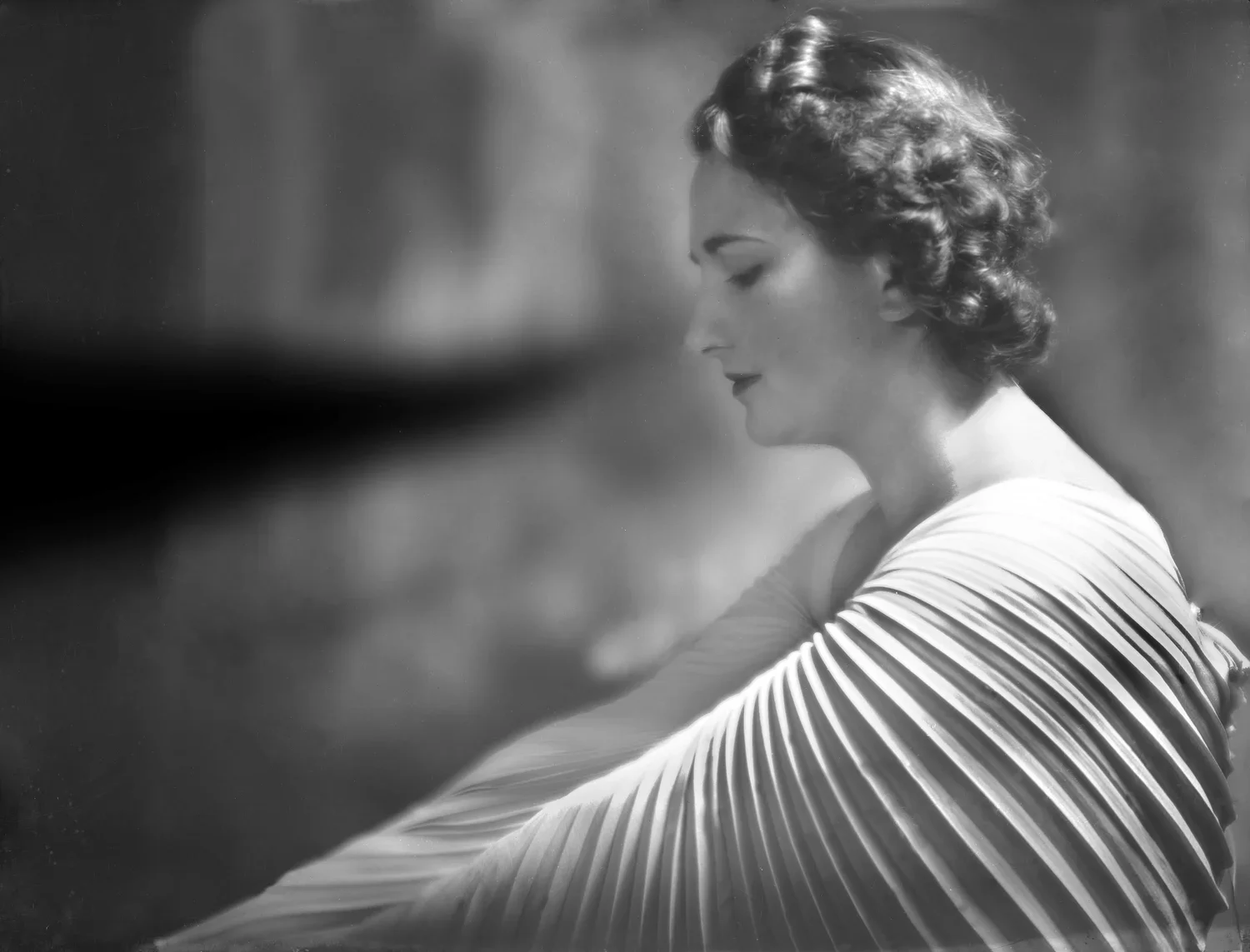
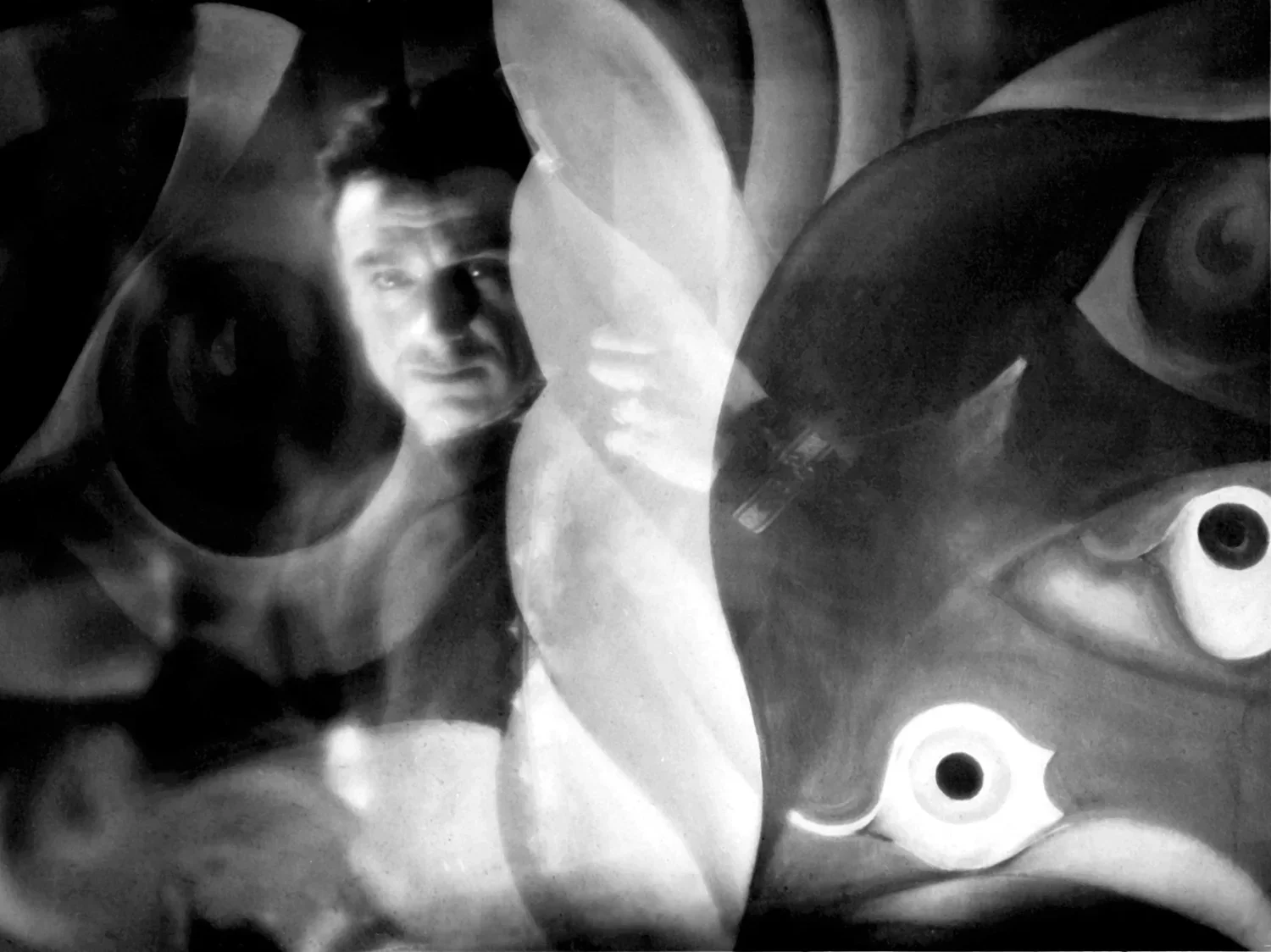
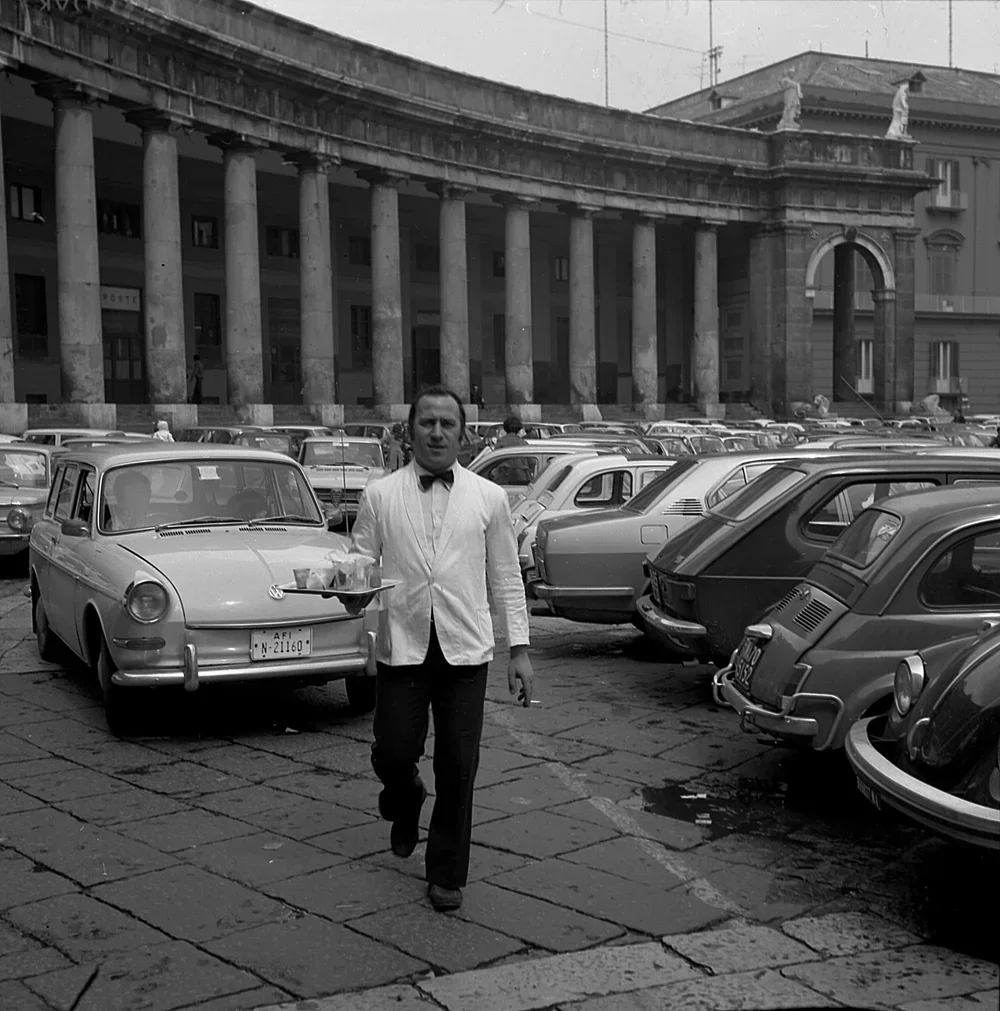
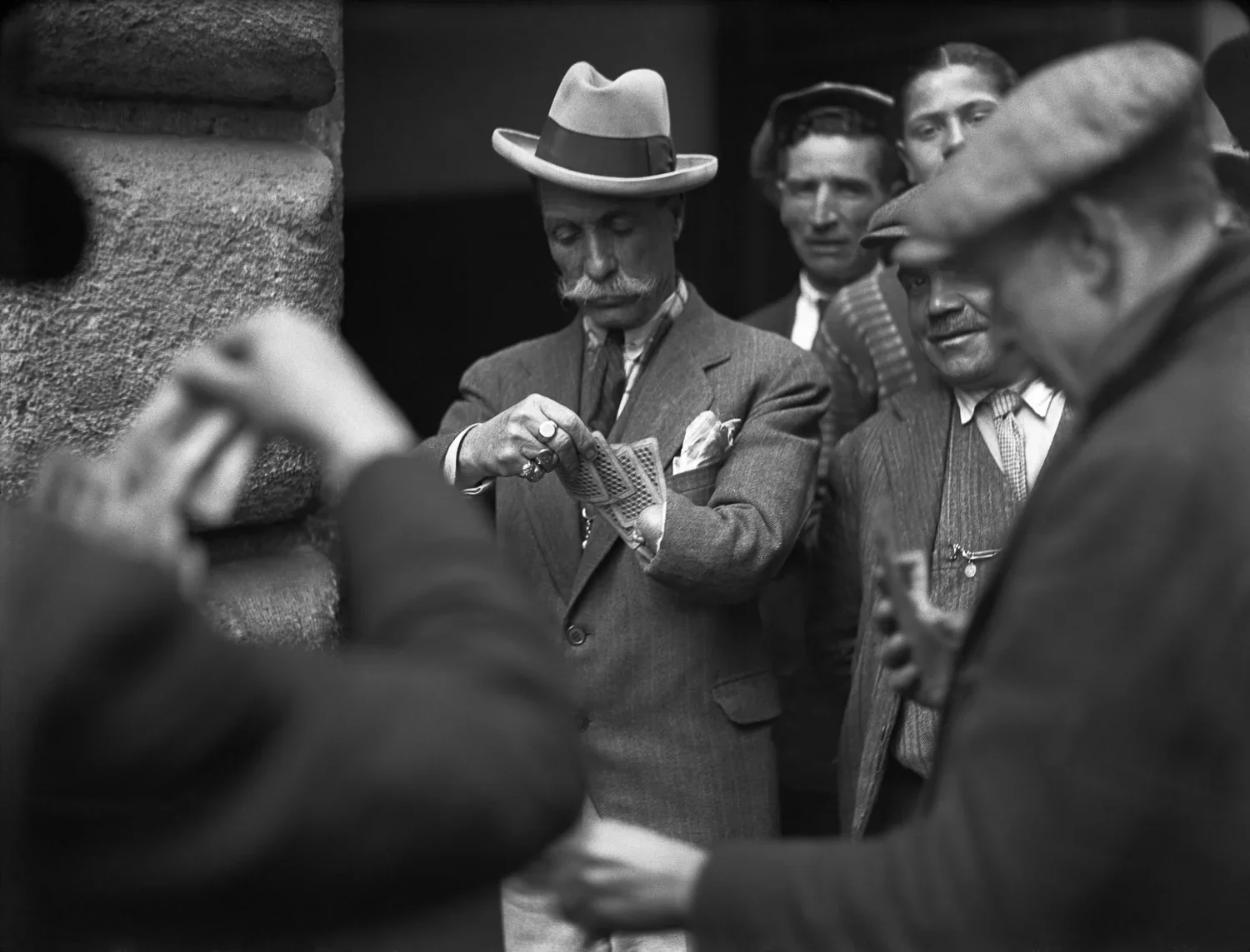
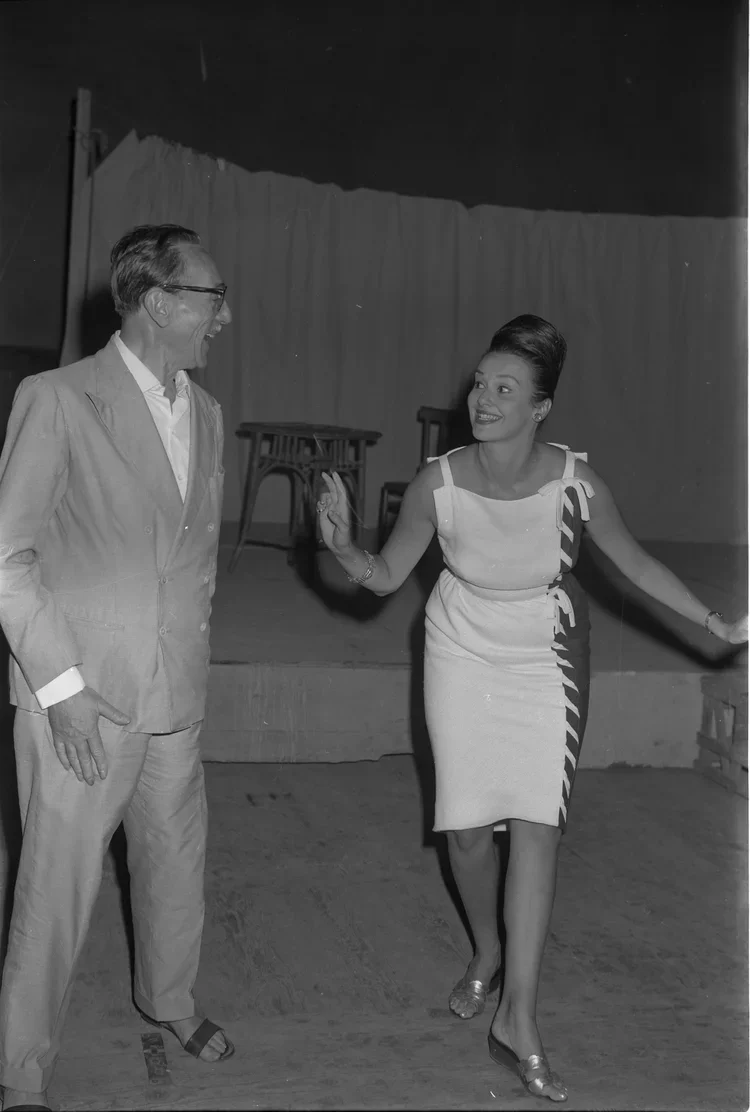
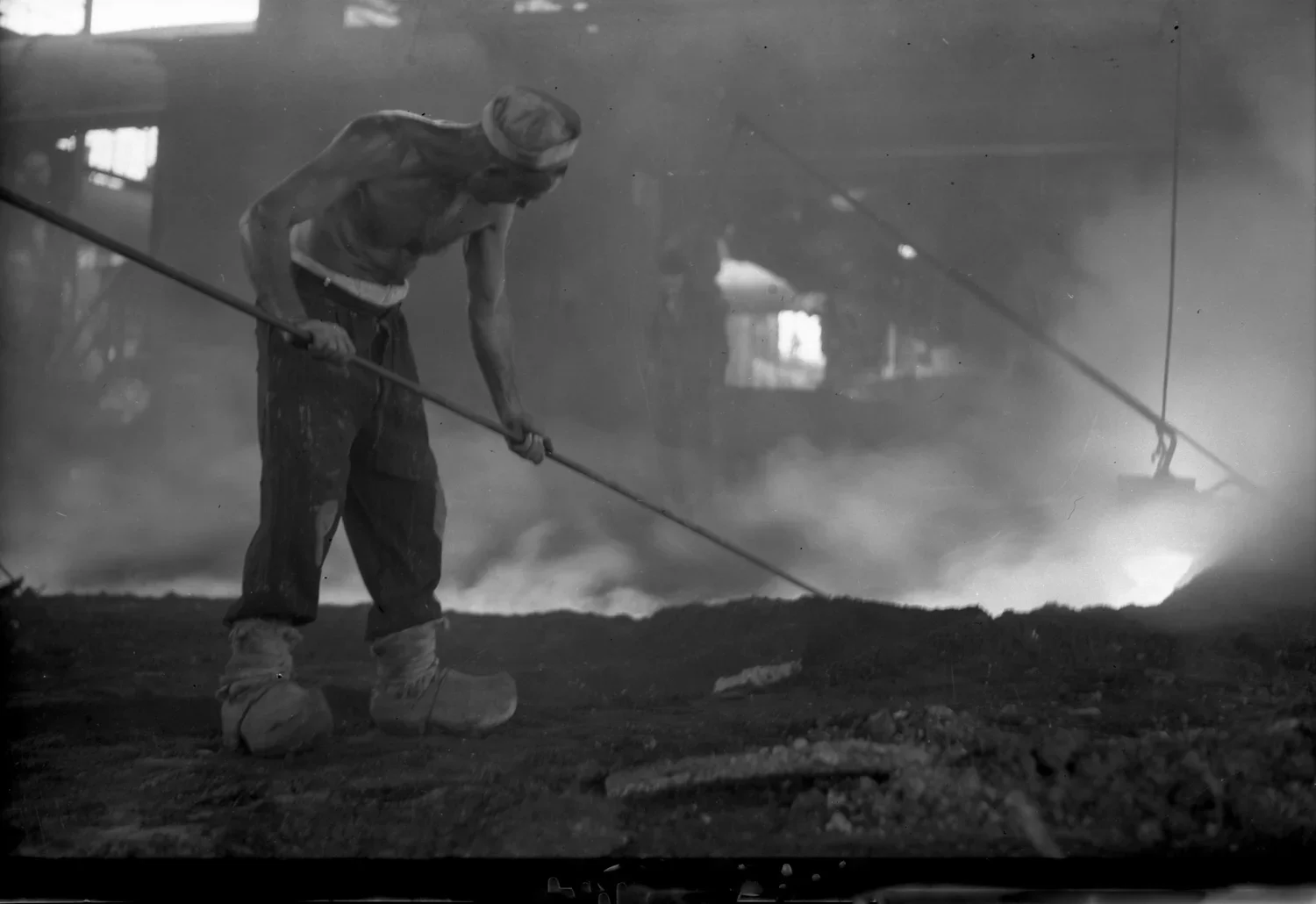
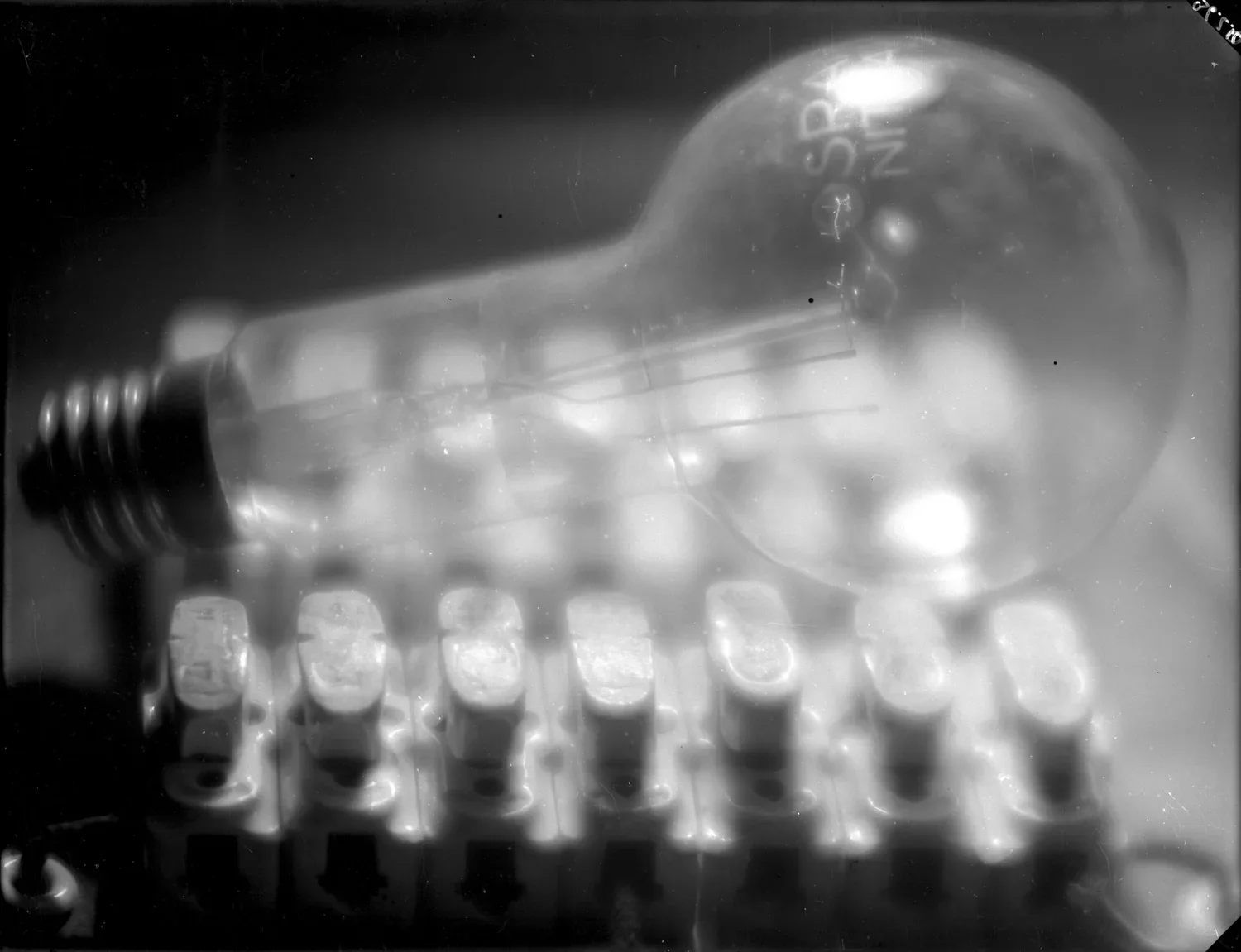
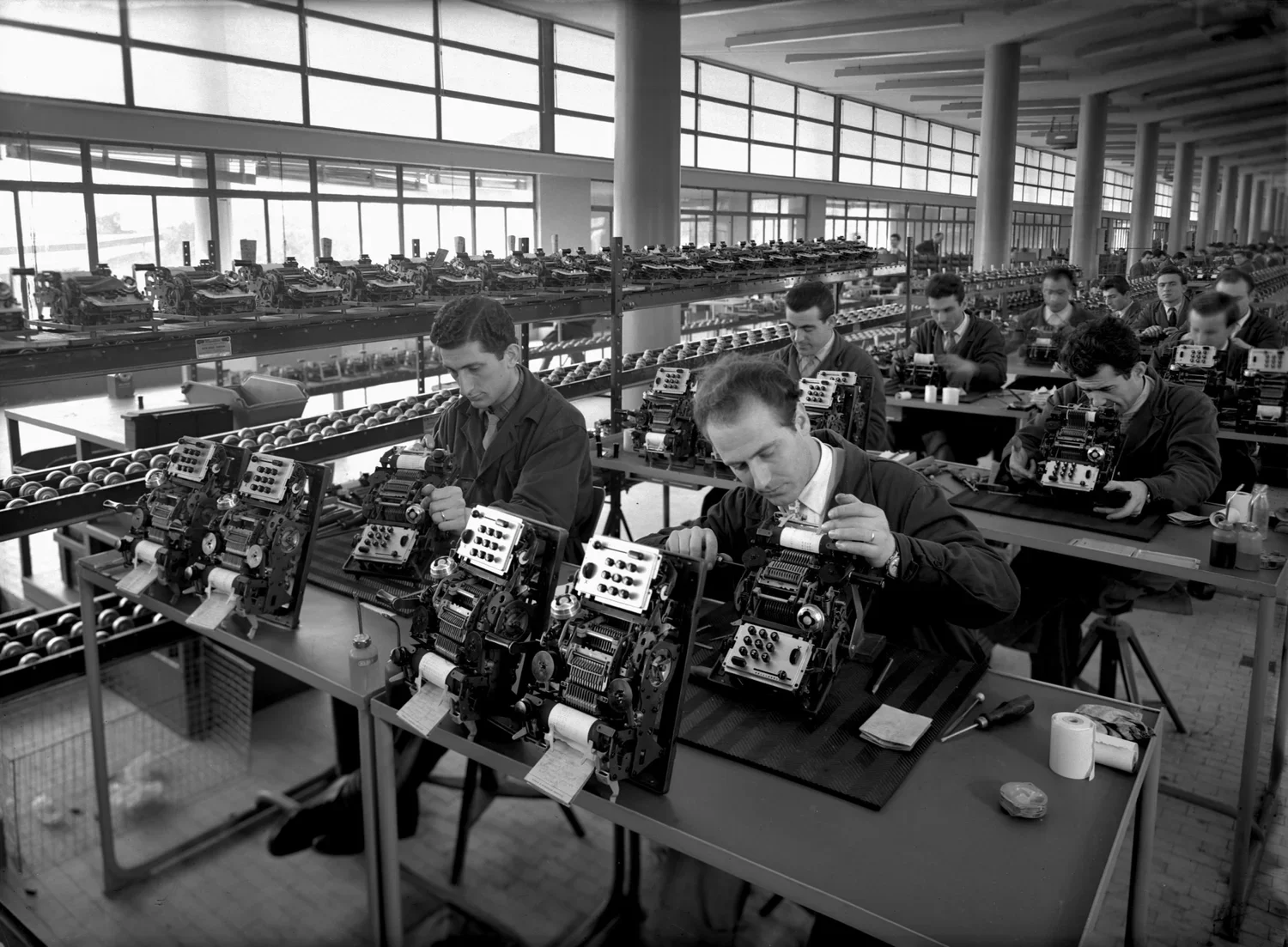
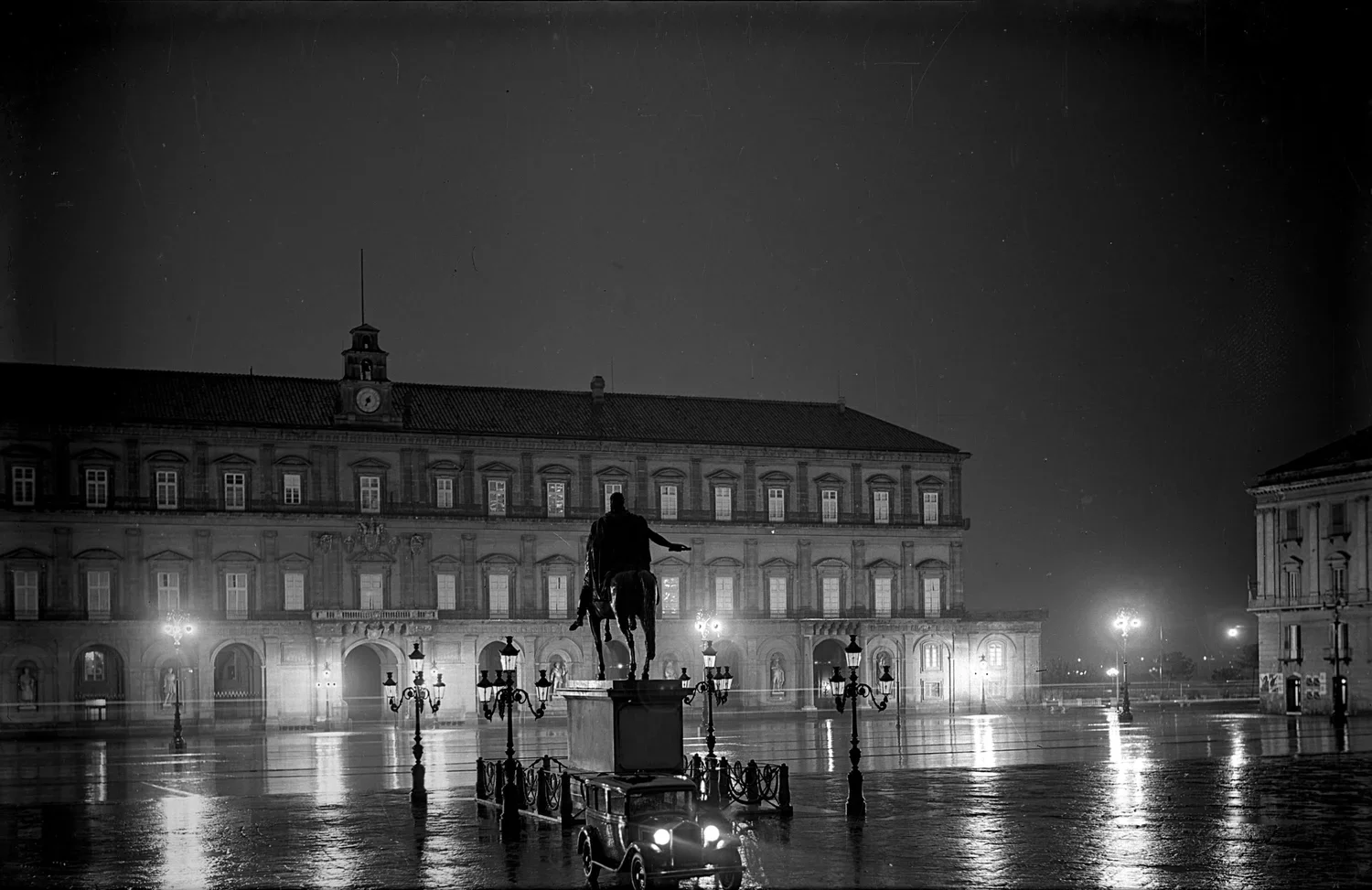
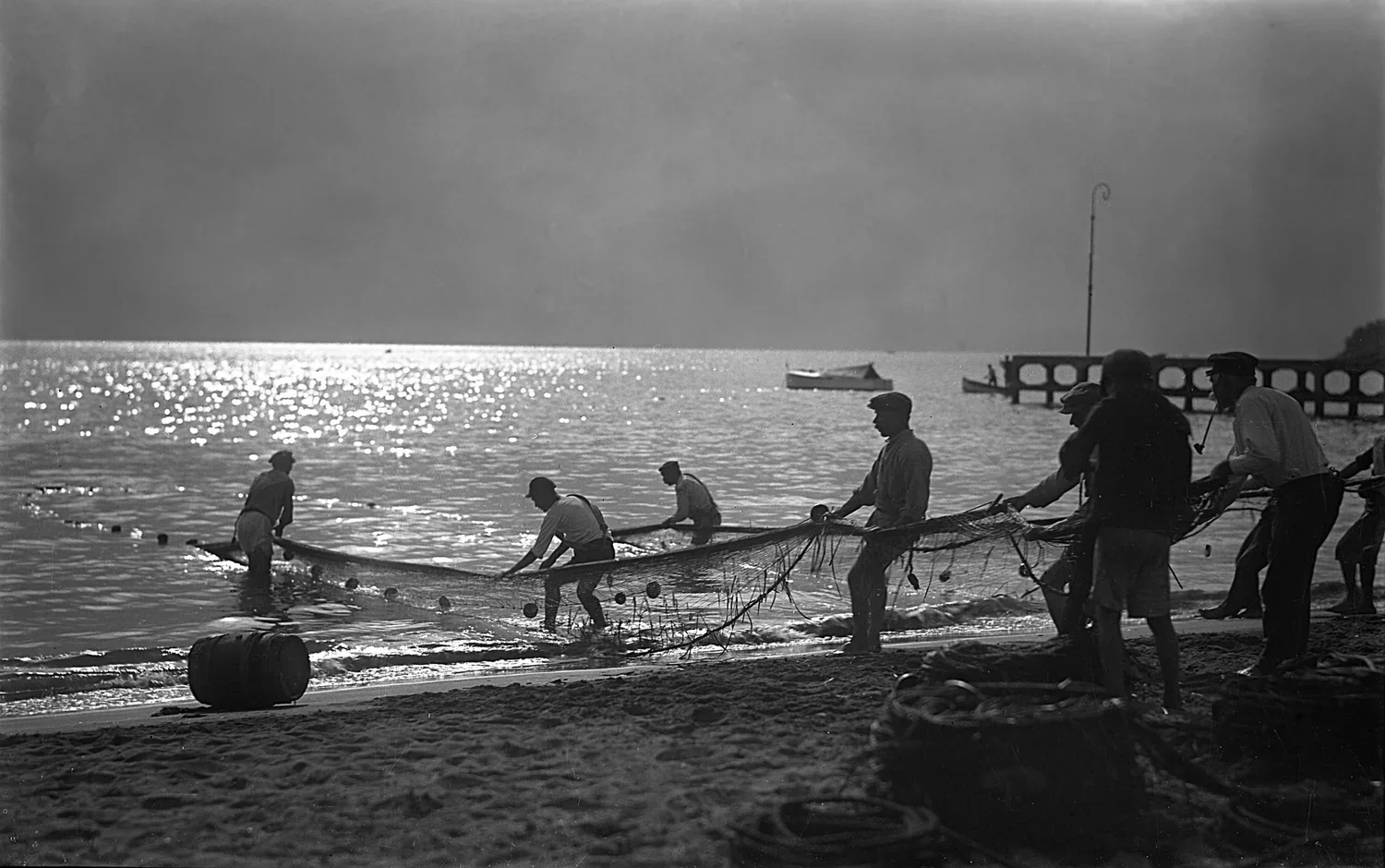
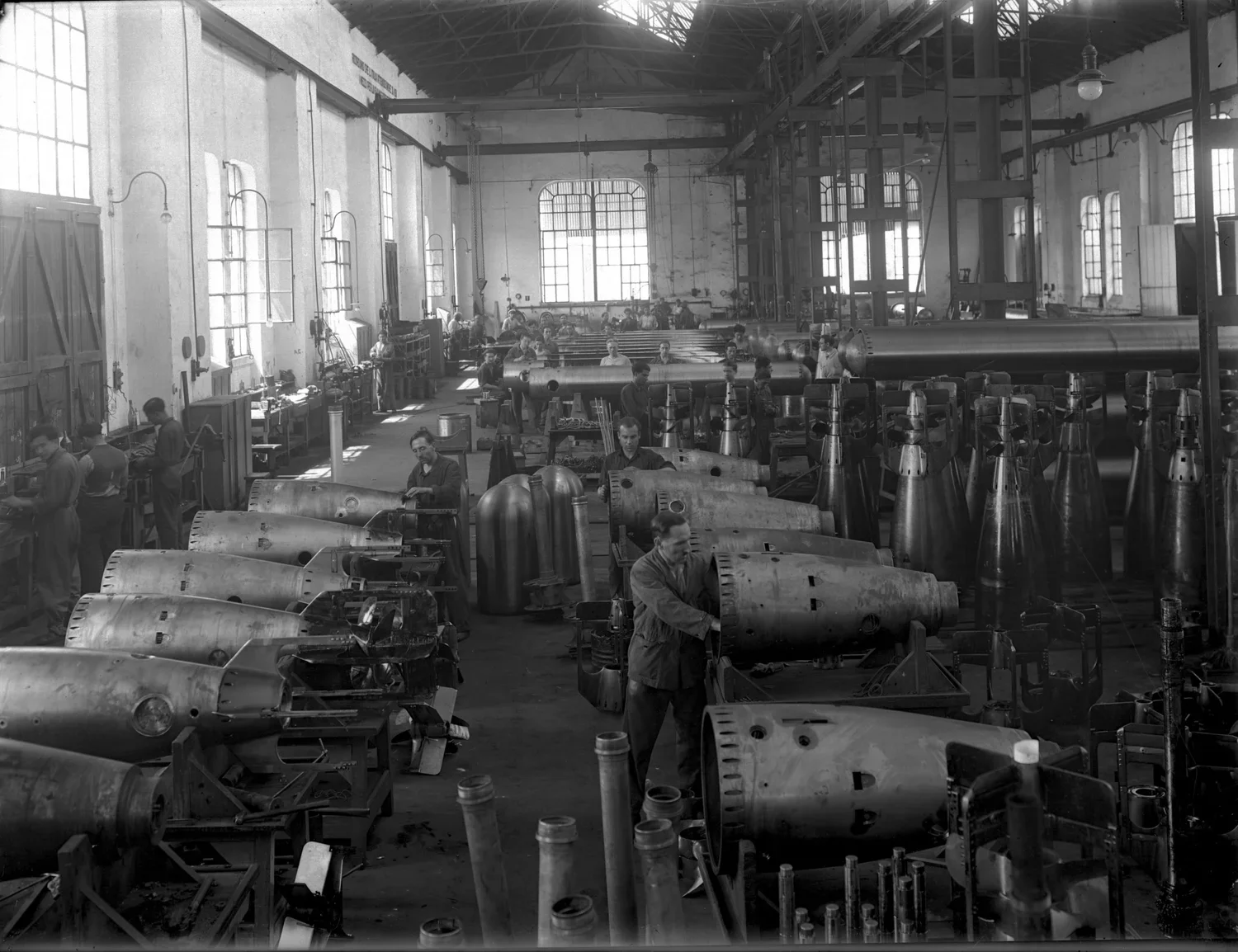
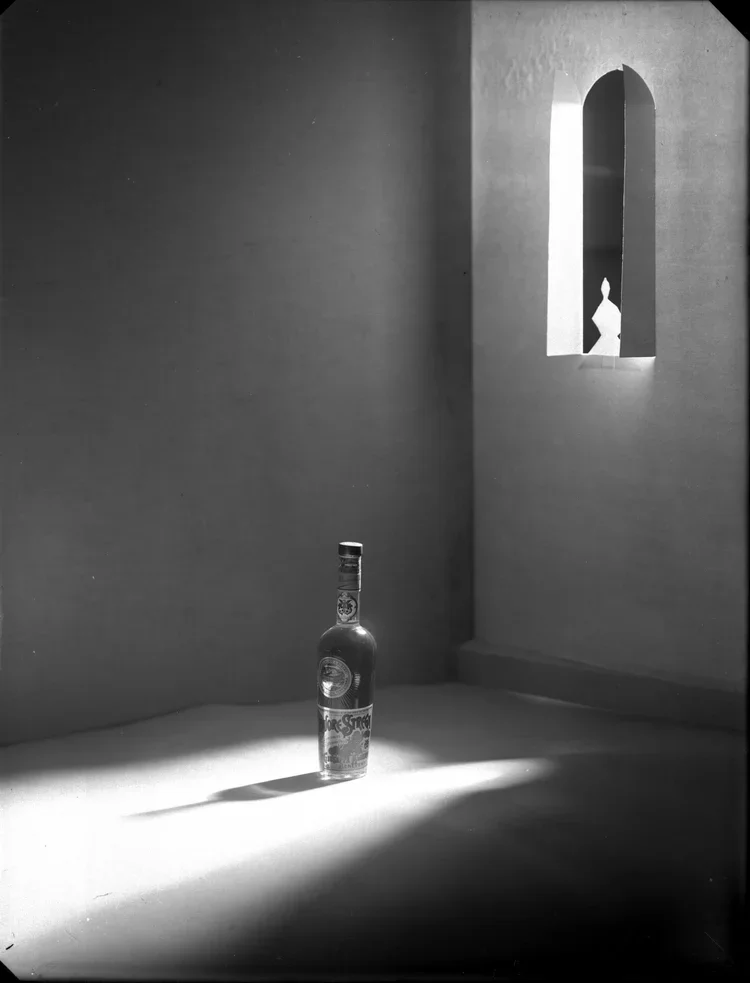
Giulio Parisio was born in Naples in 1891. He worked as a photojournalist until 1915, when he was enlisted in the Air Force to carry out photographic aerial survey services during the First World War. In 1918 he was part of the expedition in Dalmatia to detect all Italian vestiges existing on the Adriatic coast. The photographs taken during this expedition were diffused by the press, and then collected in several exhibitions.
In the mid-twenties he opened his photo studio in Naples, in Piazza del Plebiscito, in what is now the headquarters of the “Archivio Fotografico Parisio”.
The broad photographic experience of Giulio Parisio ranges from landscape photography to the futuristic experimentation, anthropological research and industrial photography, from portraits to advertising. Portraits were certainly the most appreciated by the Neapolitan bourgeois; However, the field in which Parisio best expresses its quality as a photographer-artist, is the avant-garde research.
Giulio Parisio participated in many national and international competitions and photo exhibitions, from Rome to Chicago always obtaining the highest awards: we recall the participation at the International Exhibition of Decorative Arts (Paris, 1925), the 1927 Photographic Competition of Rome, the first Exhibition of Masters (Turin, 1928), the International Photo Exhibition (Fiera di Milano, 1932) at the International Biennial of Photographic Art (Rome, 1933) and the International Exposition in Chicago (1933).
An eclectic Artist, Parisio also realized numerous productions for important Italian companies during the most important Italian trade shows.
In the fifties Parisio’s photographic production radically shifts to the industrial sector and very interesting are the images created for the Italsider of Bagnoli and the Olivetti in Pozzuoli. He died in Naples on February 17, 1967.
2018 - Franco Pasti
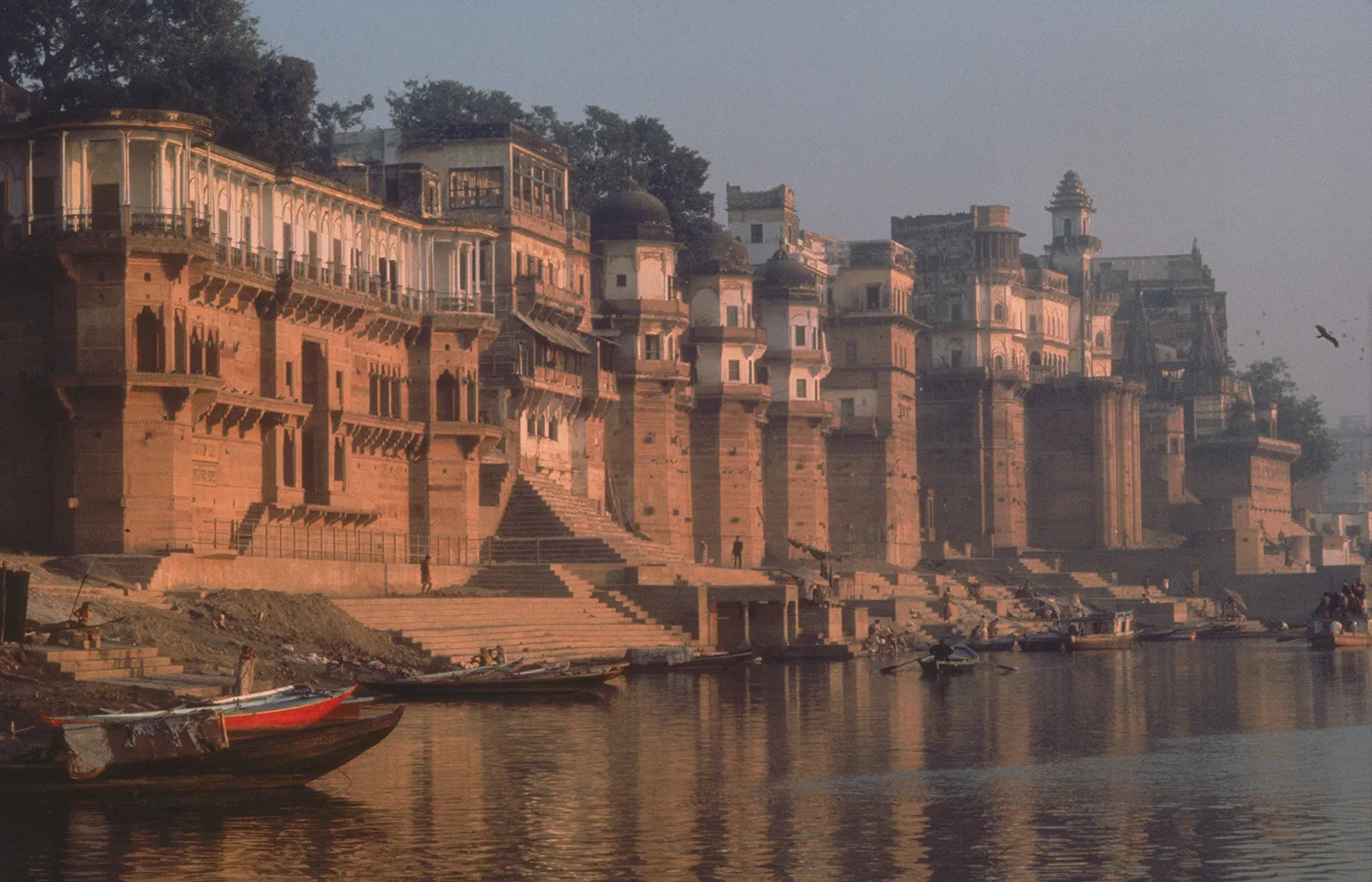
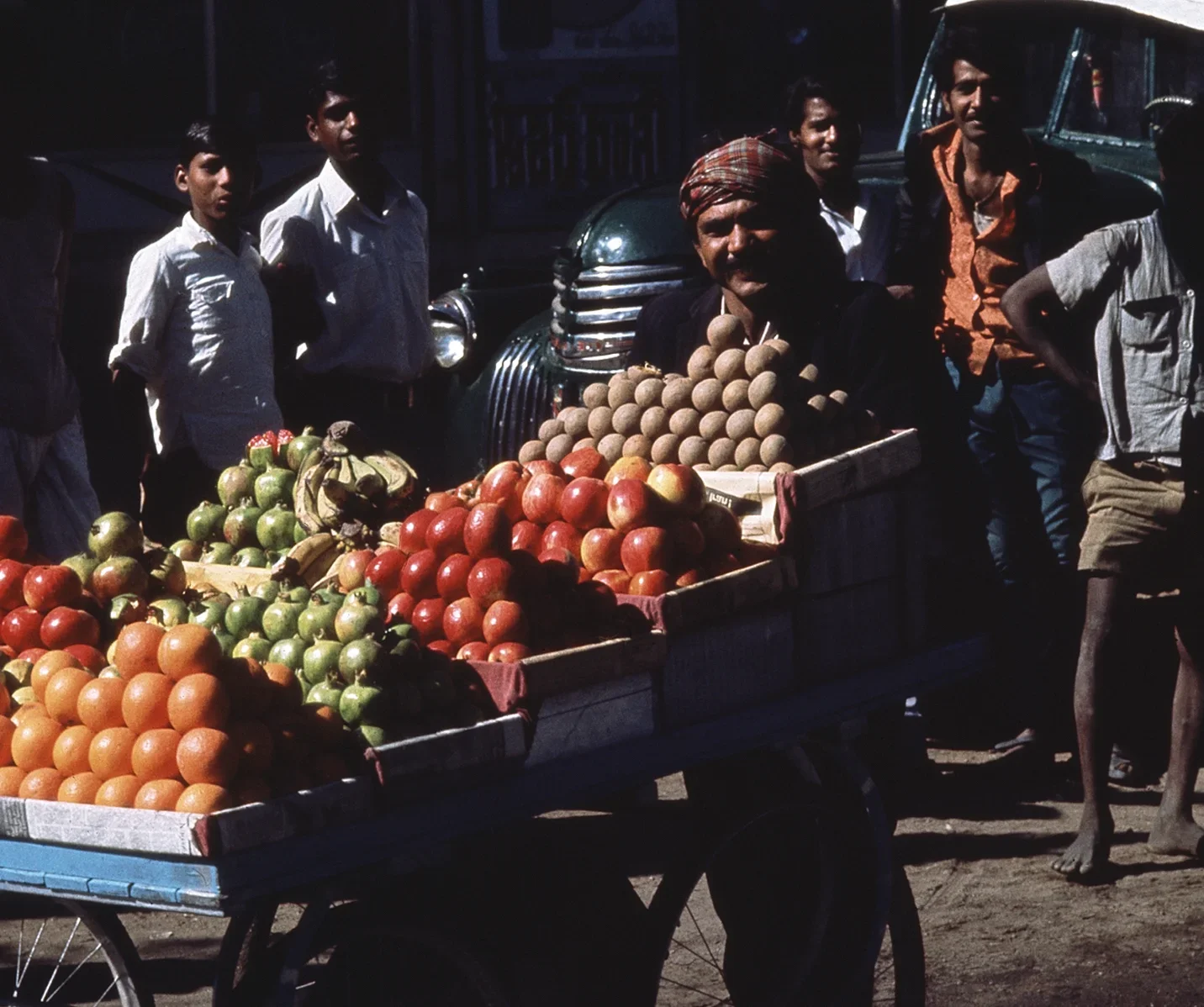
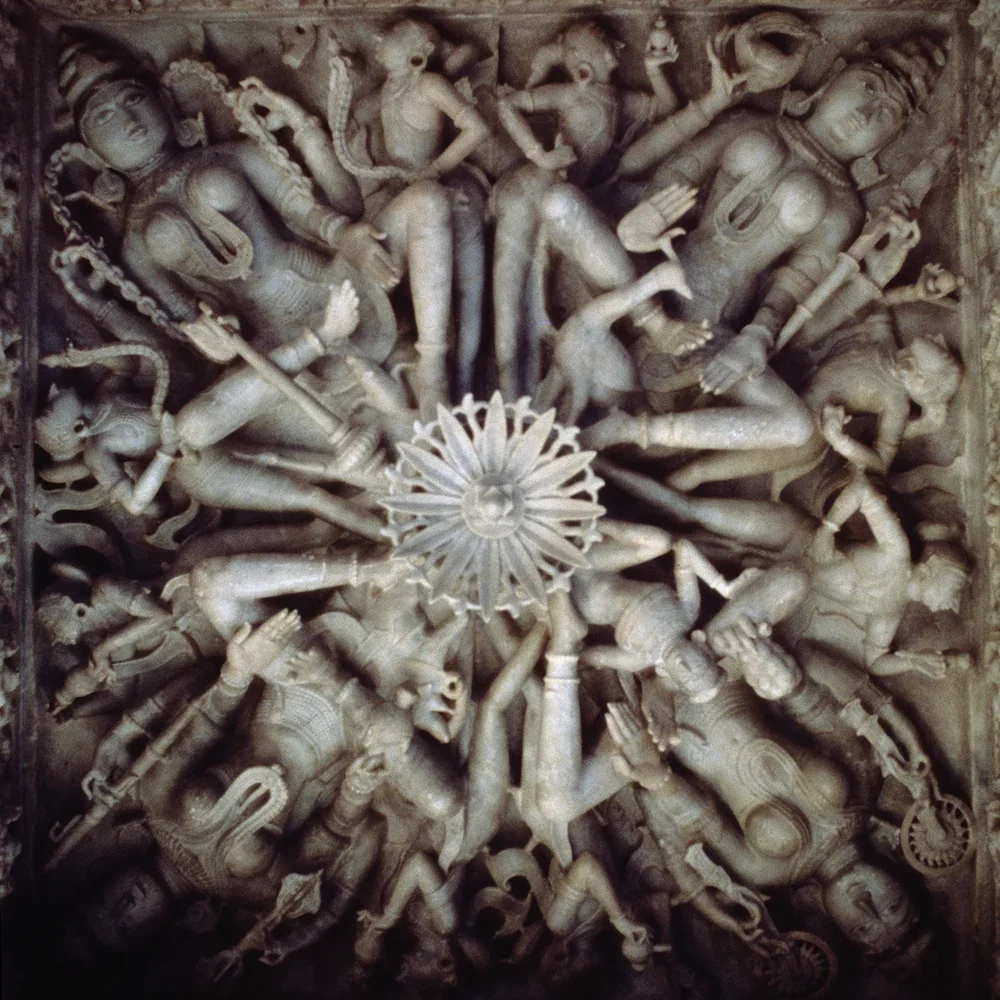
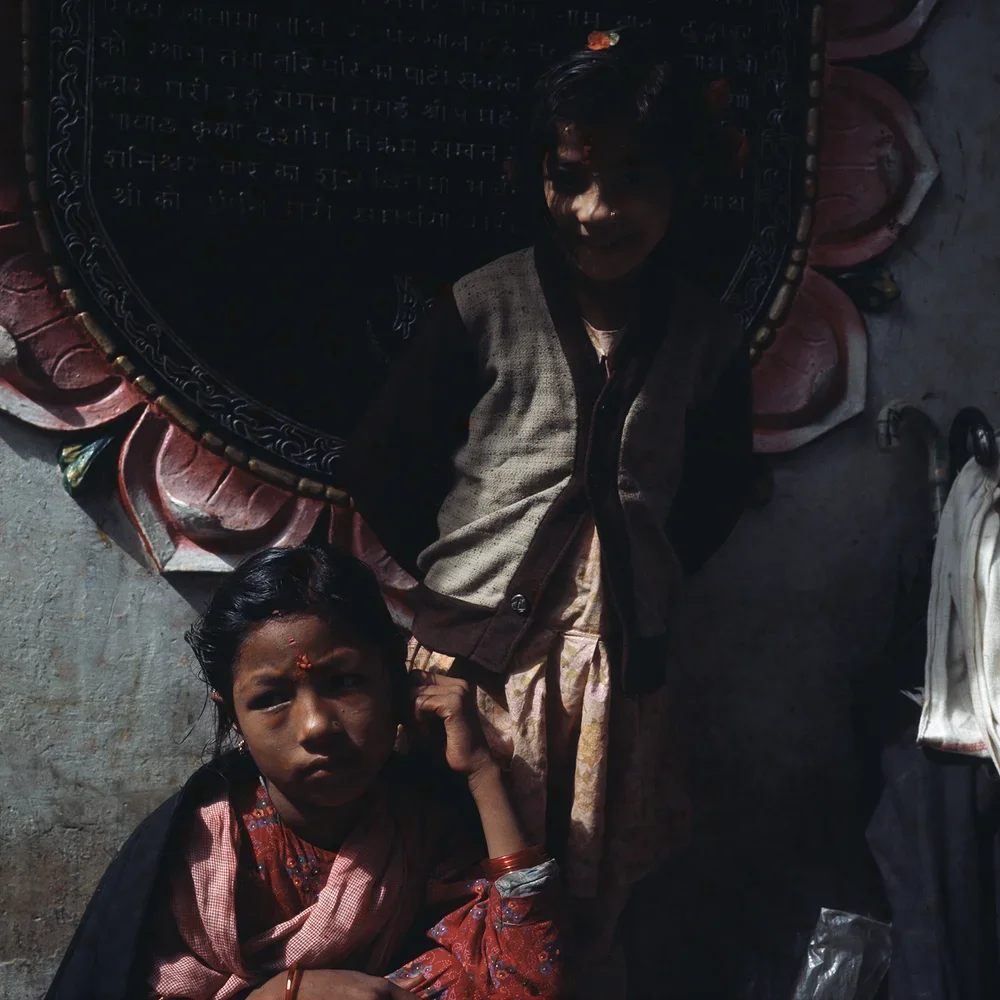
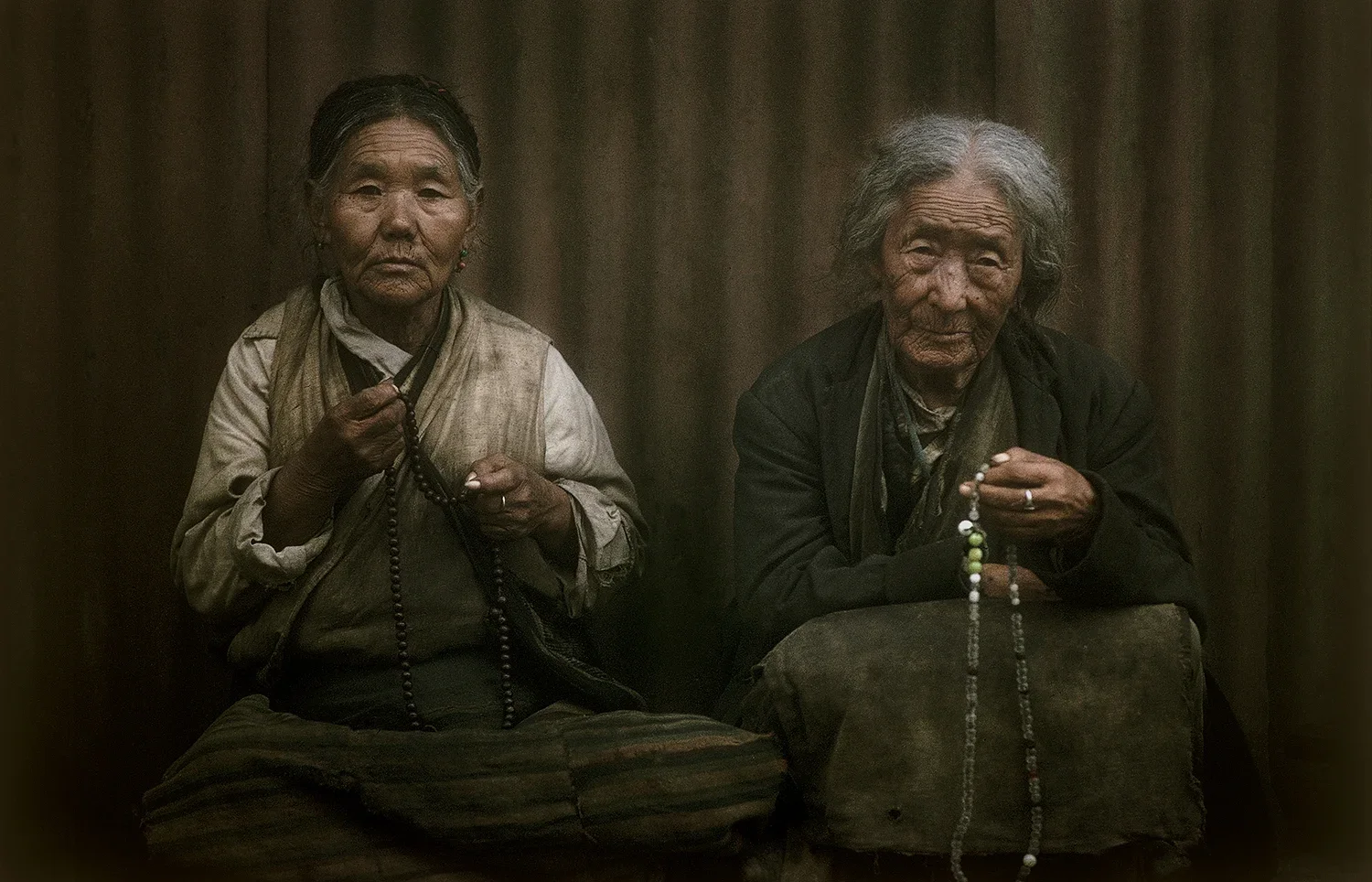
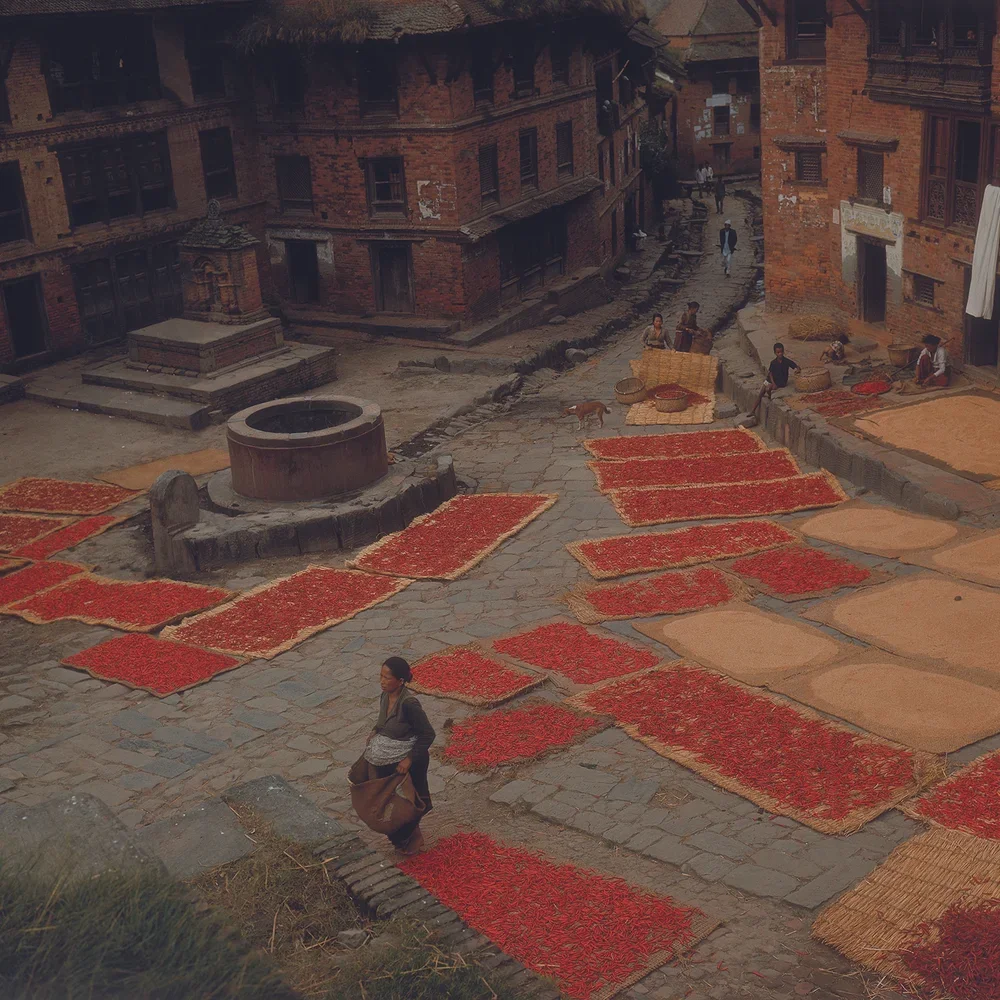
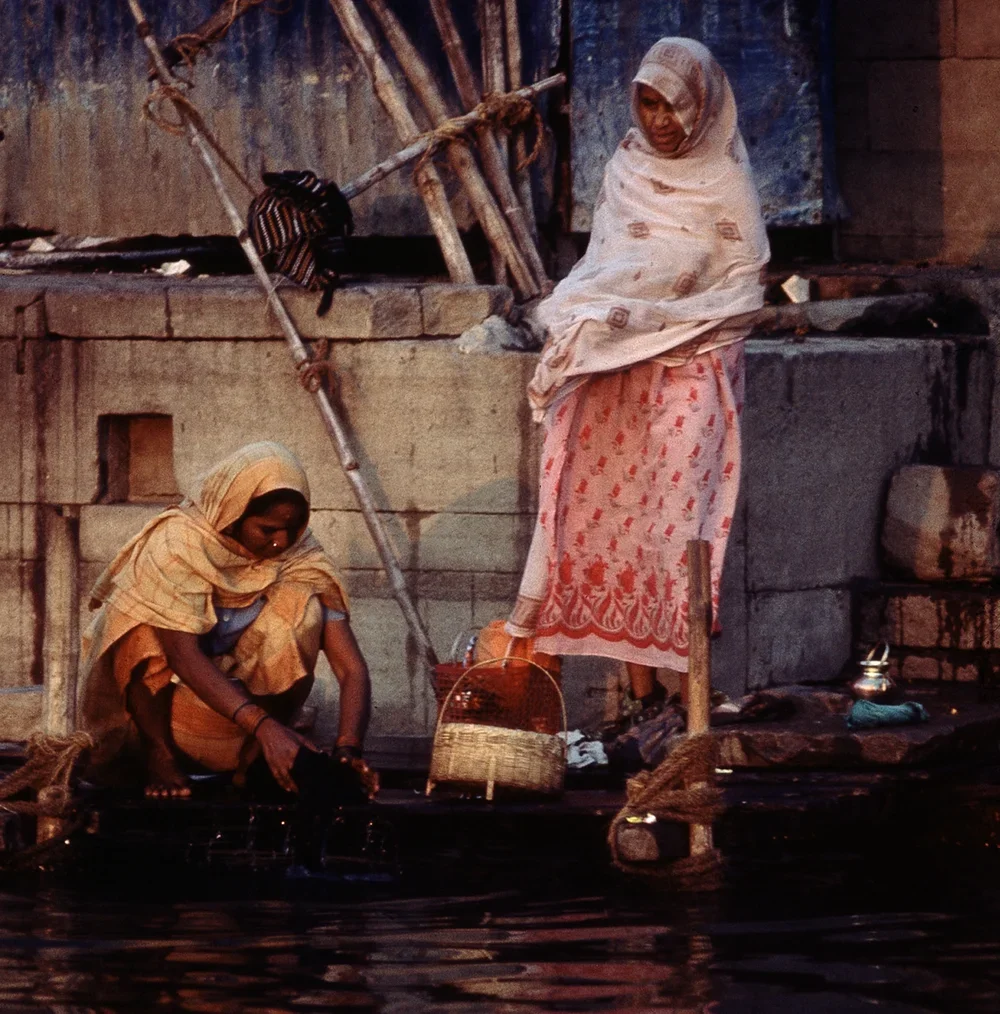
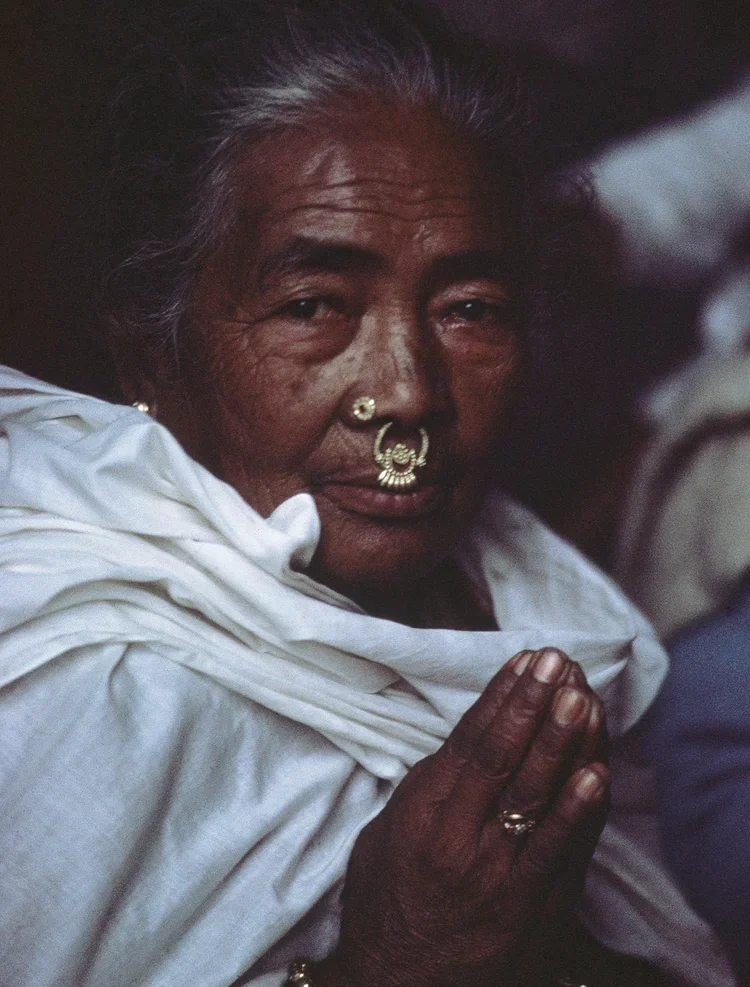
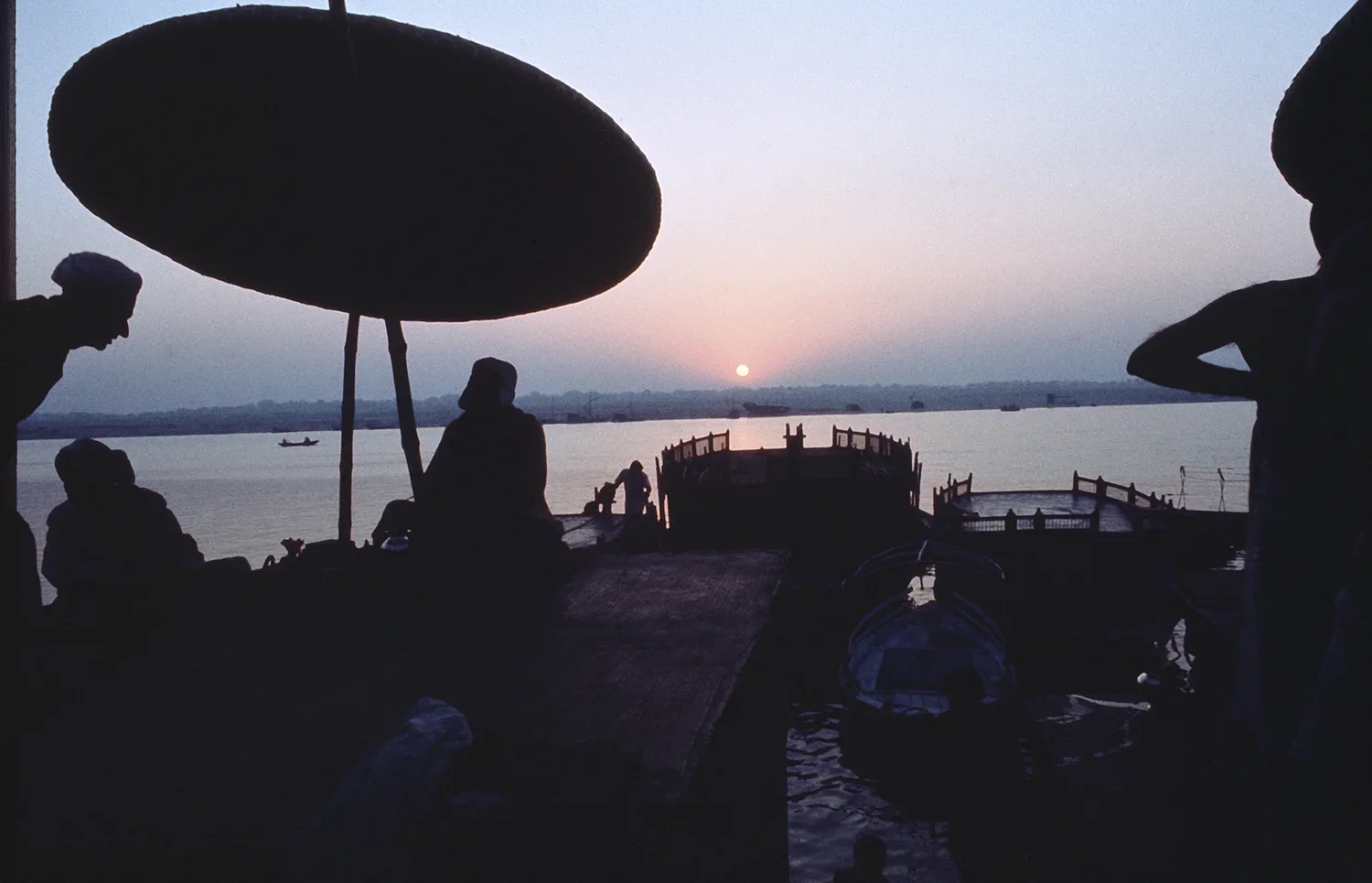
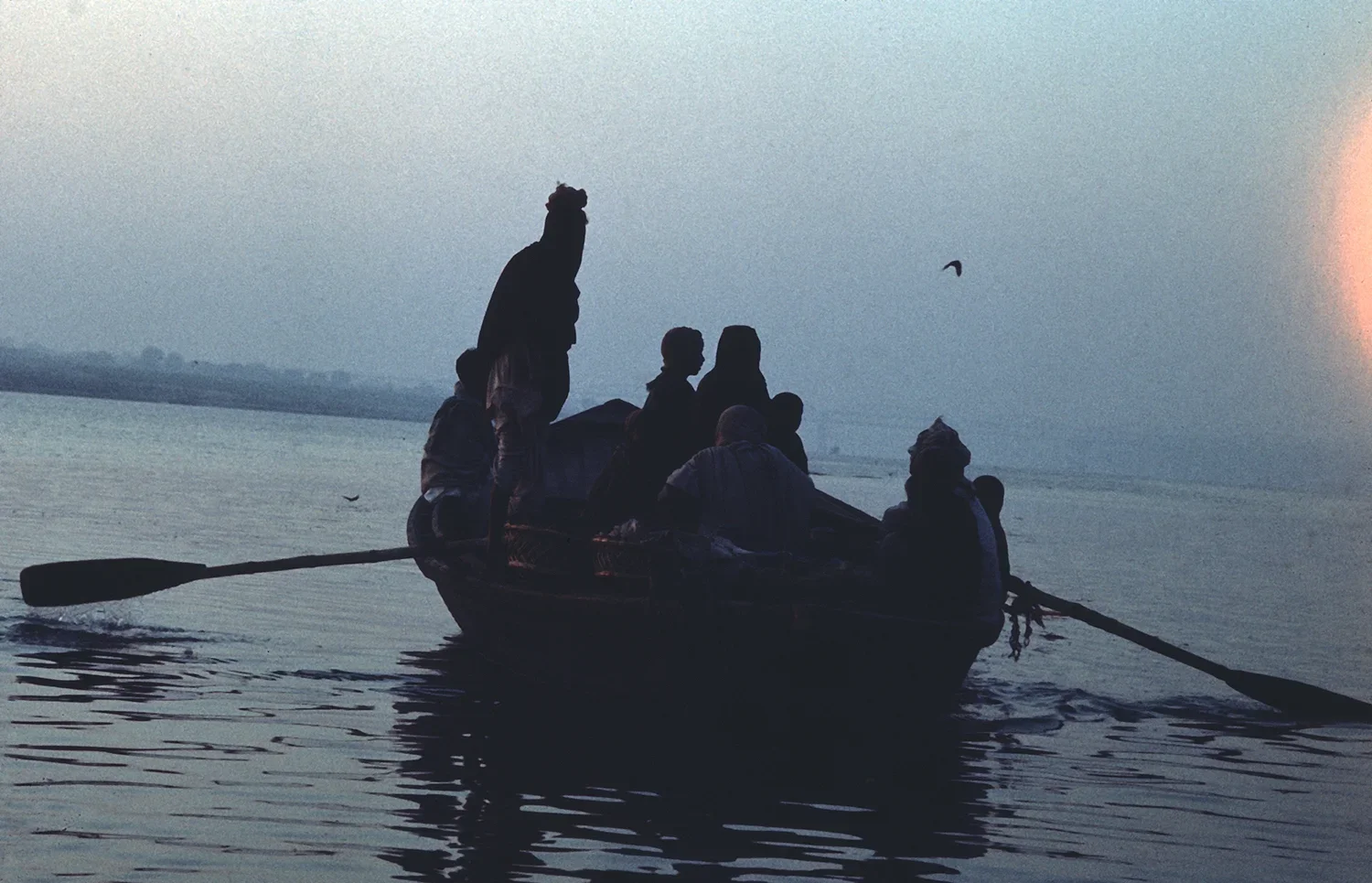
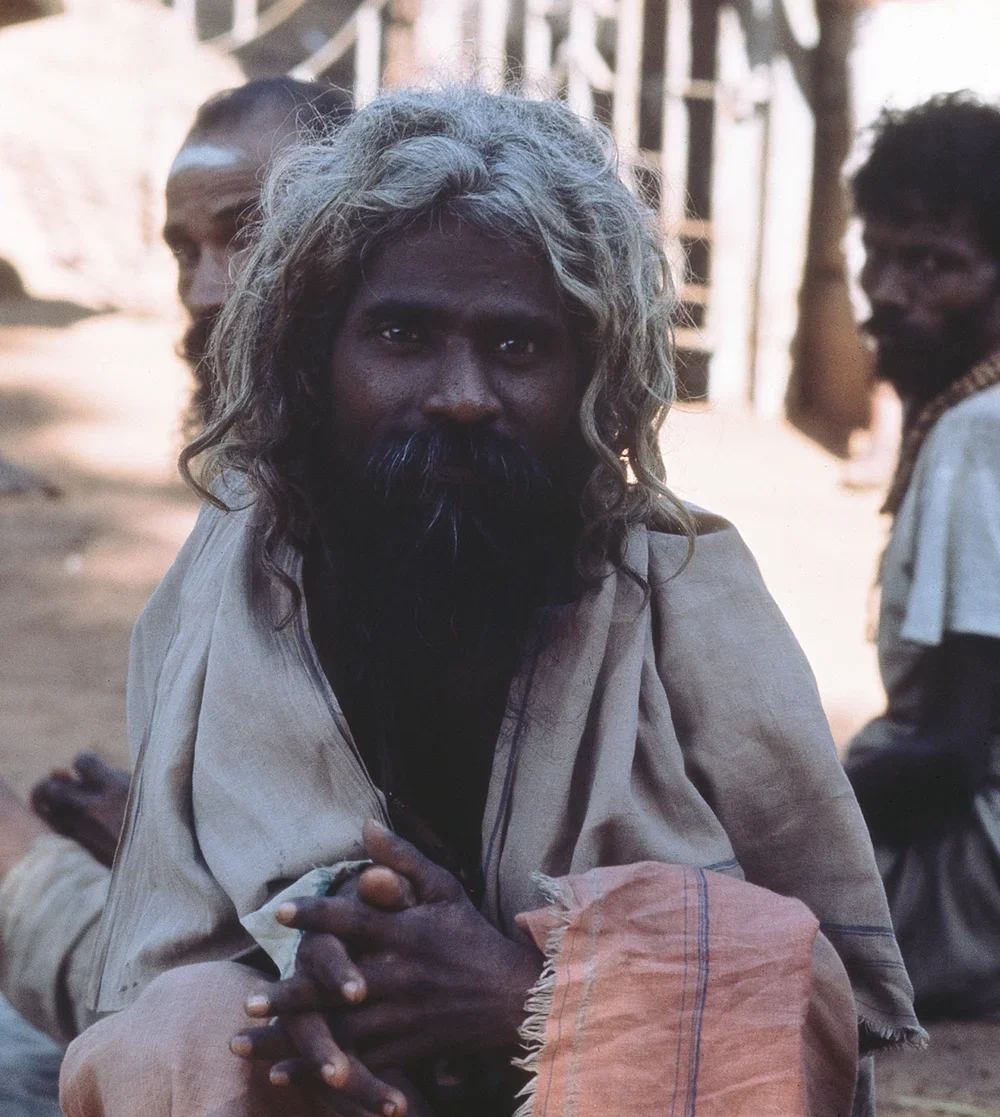
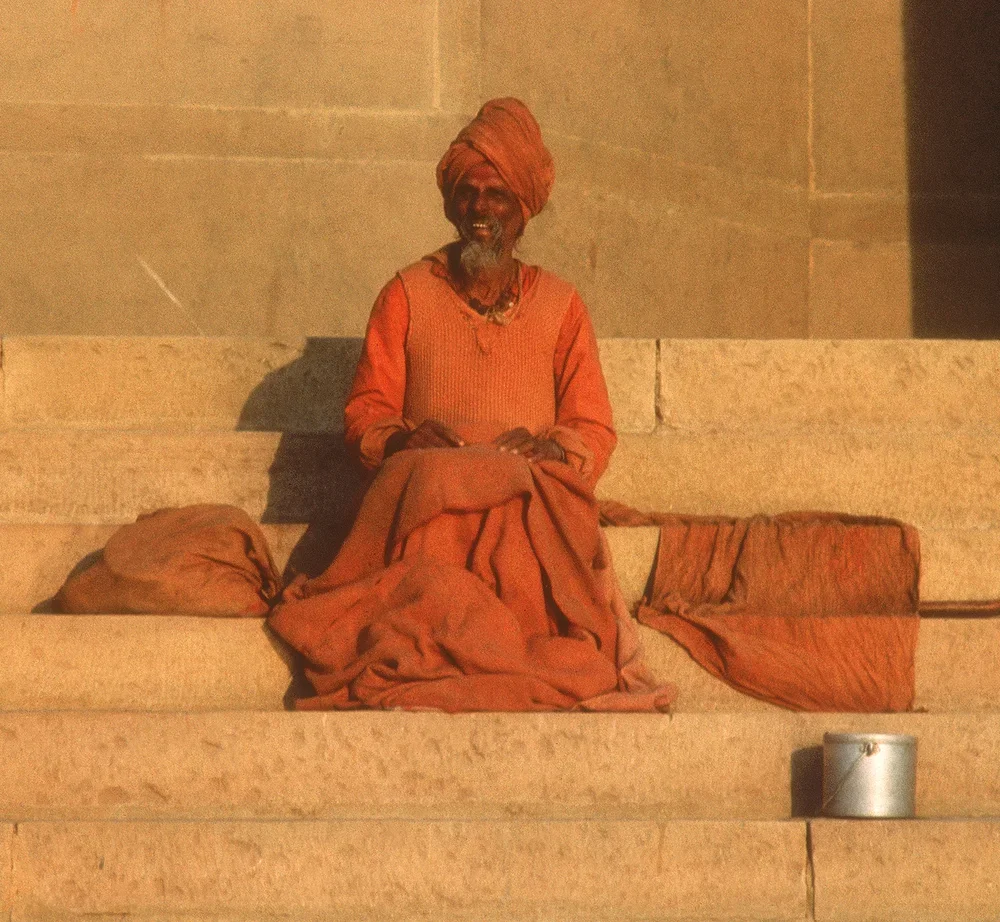
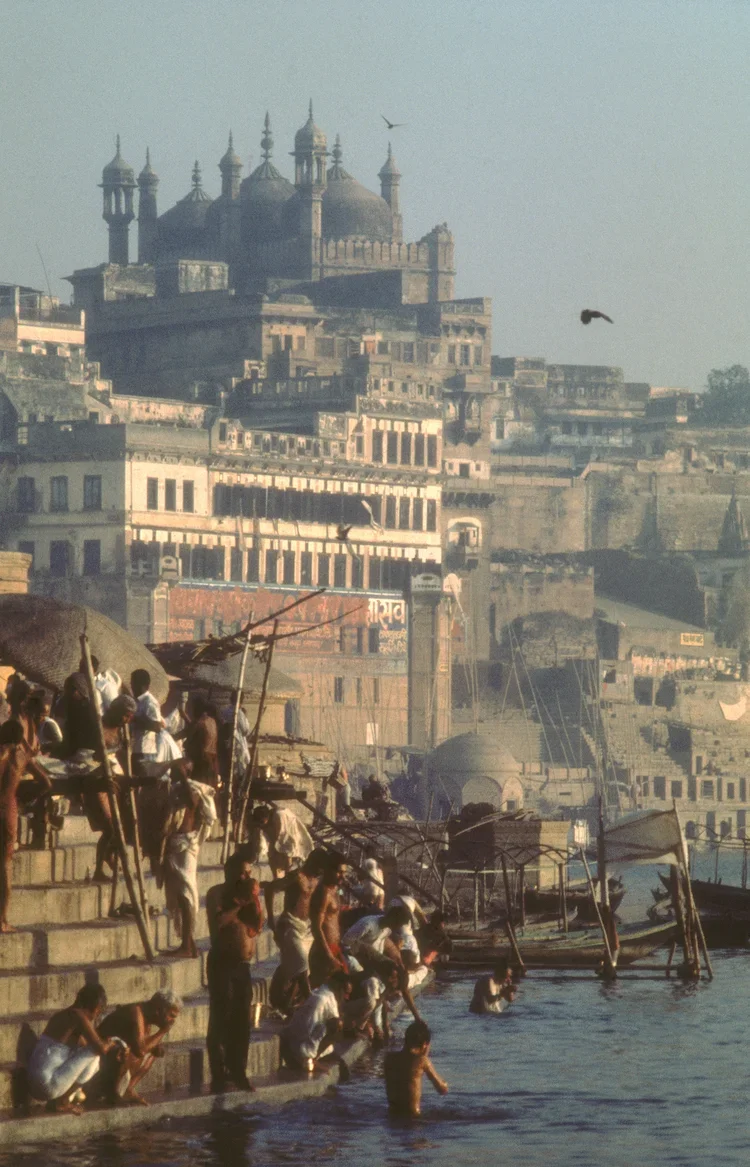
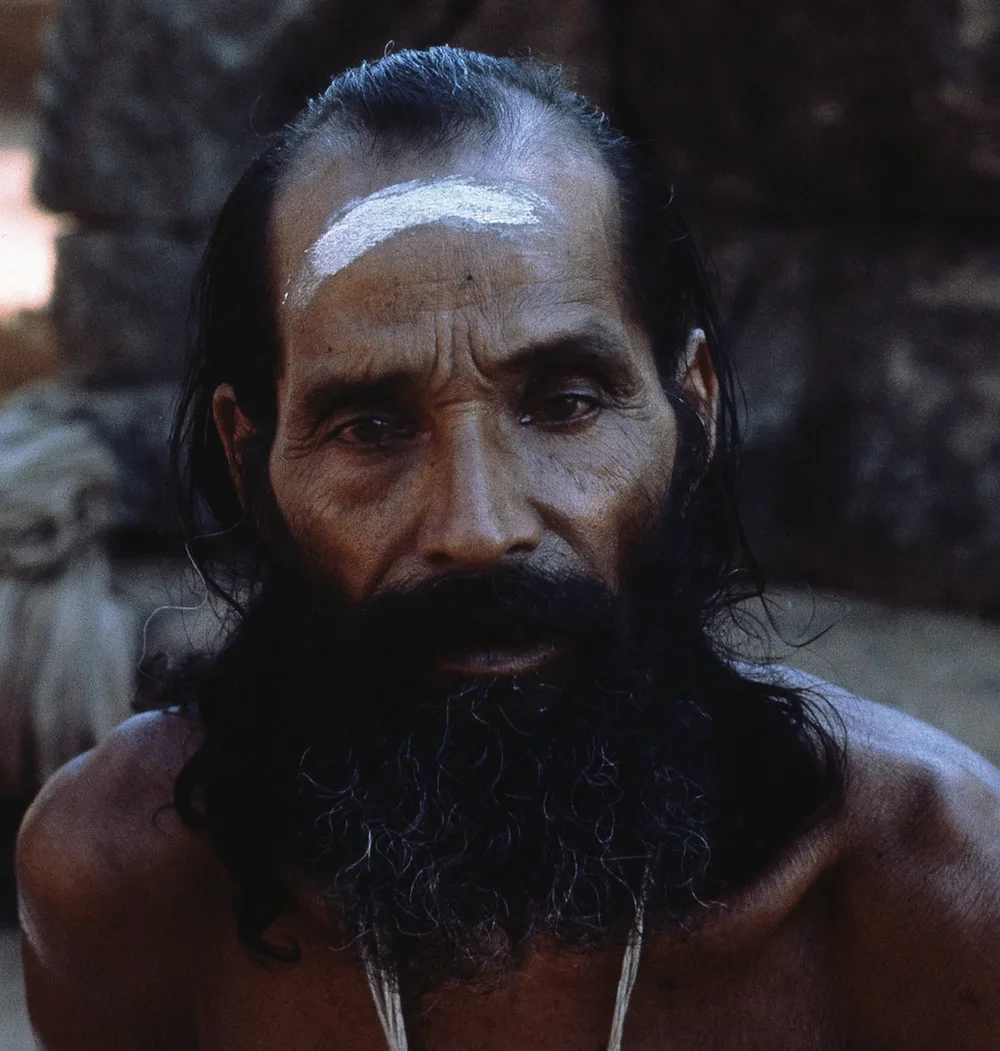
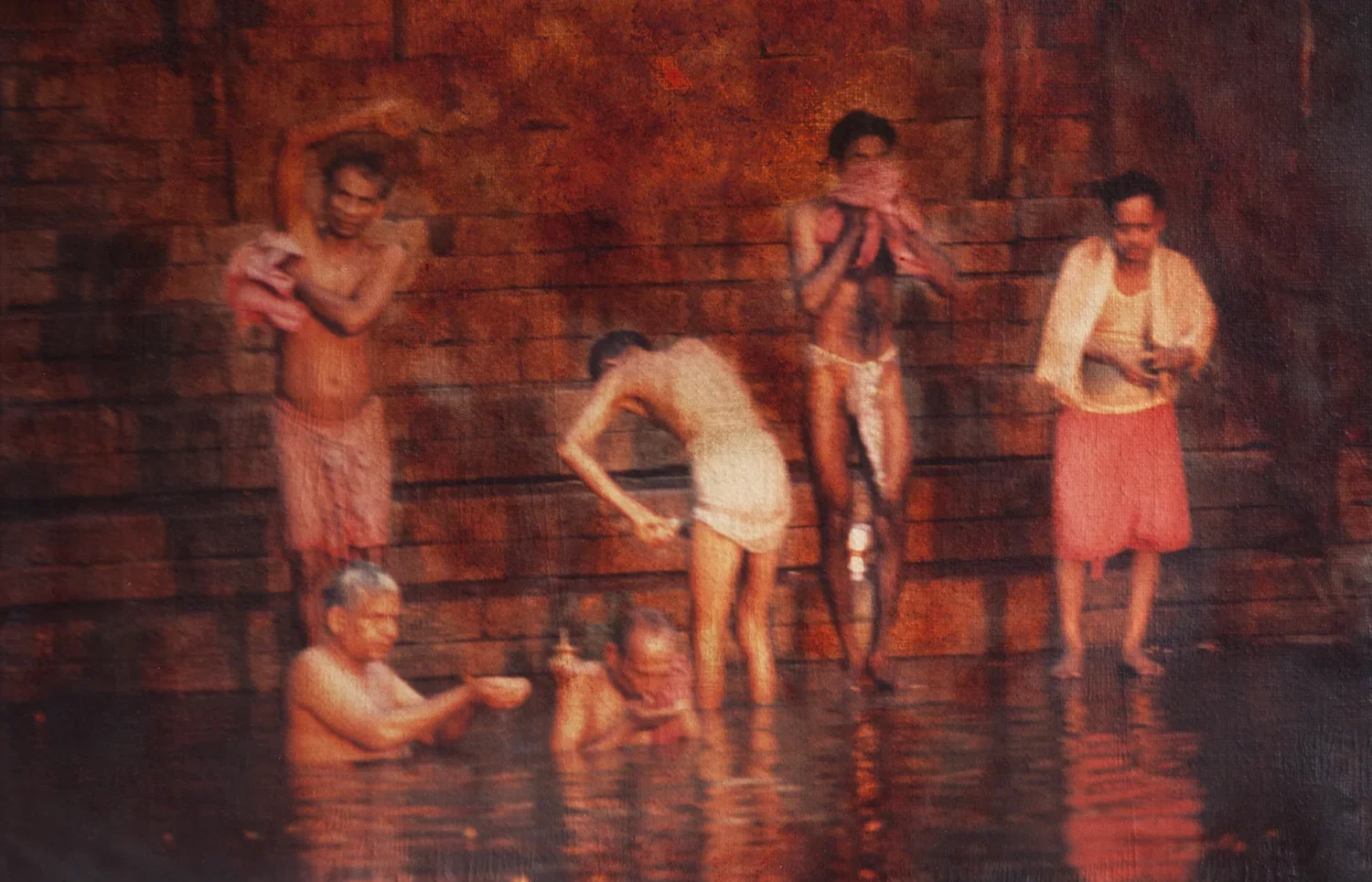
Franco Pasti was born in Milan in 1947. He began his career as a professional photographer in the late 1960s, a period marked by profound cultural and artistic transformation. From the outset, his work demonstrated a strong sensitivity to visual storytelling and a keen attention to human expression.
In 1970 he started working as a photojournalist for several Italian and international photo agencies. This experience gave him the opportunity to travel extensively, particularly throughout India and the Far East. These journeys had a lasting influence on his photographic language, exposing him to different cultures, landscapes, and traditions that enriched his visual perspective and broadened the narrative dimension of his work.
During the 1980s Pasti gradually shifted his focus toward portrait and fashion photography. In this period he collaborated with prominent publications, most notably Vogue, where his work stood out for its refined composition and ability to capture both elegance and personality. His portraits are characterized by an intimate and thoughtful approach, combining aesthetic precision with a deep attention to the subject’s individuality.
Over the course of his career, Franco Pasti has developed a photographic style that moves fluidly between reportage, portraiture, and fashion, always maintaining a strong sense of atmosphere and narrative depth.
2019 - Giada Ripa
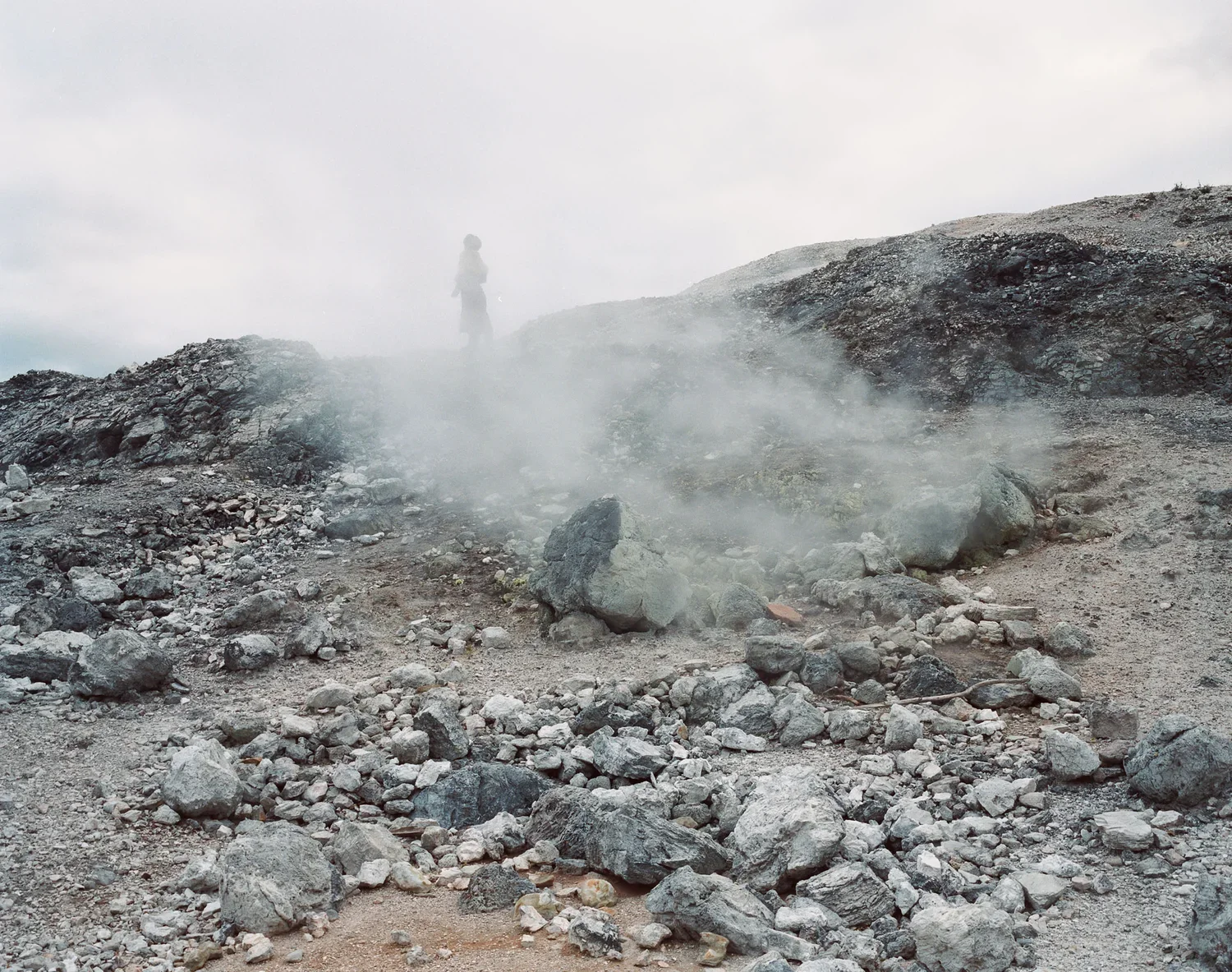
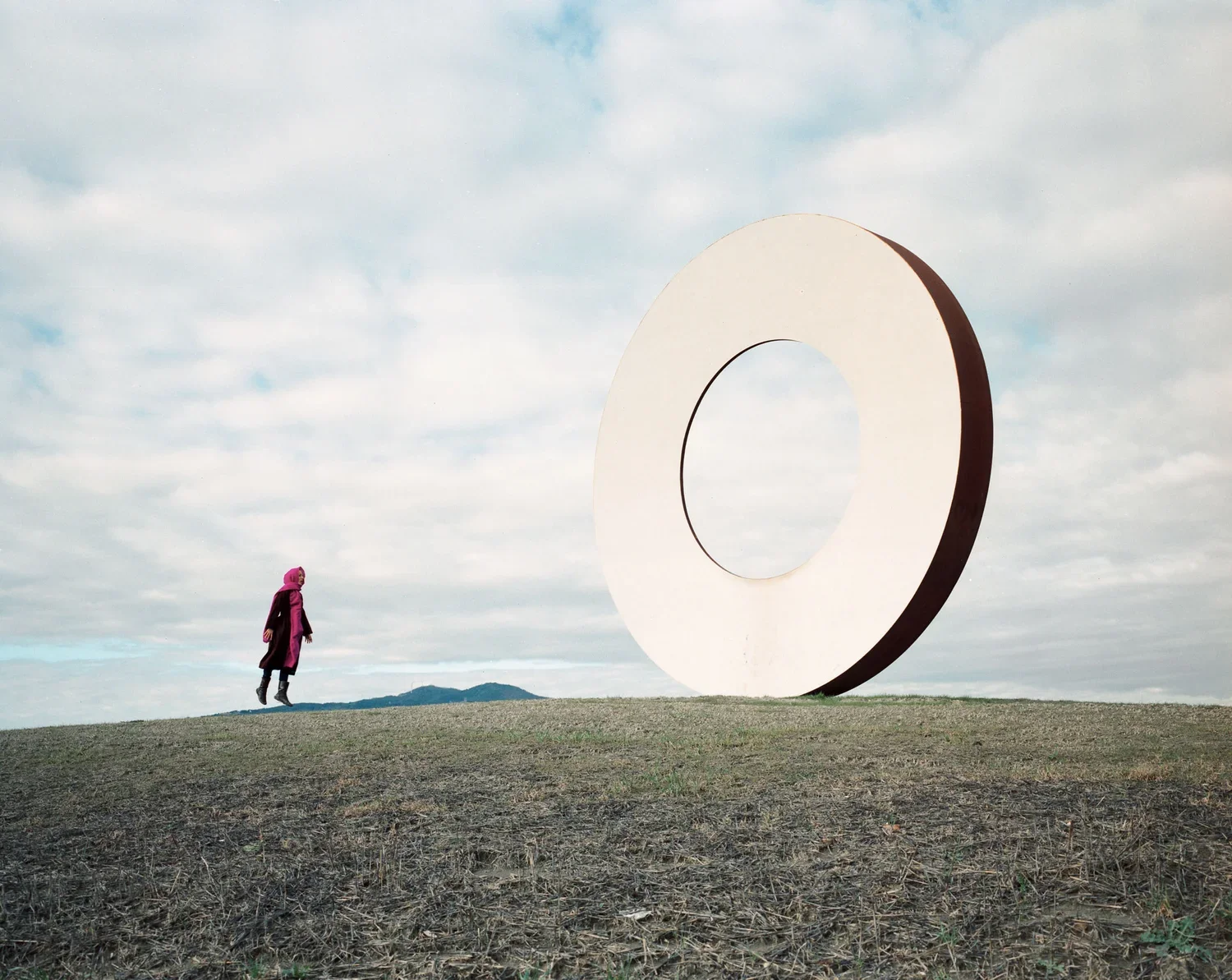
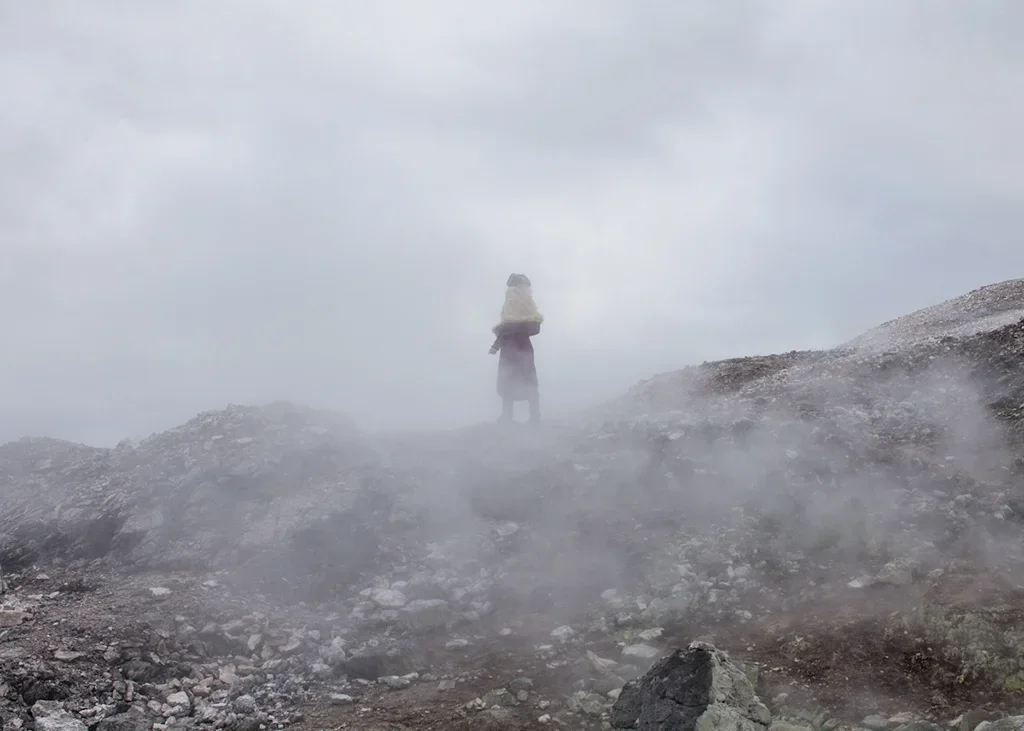
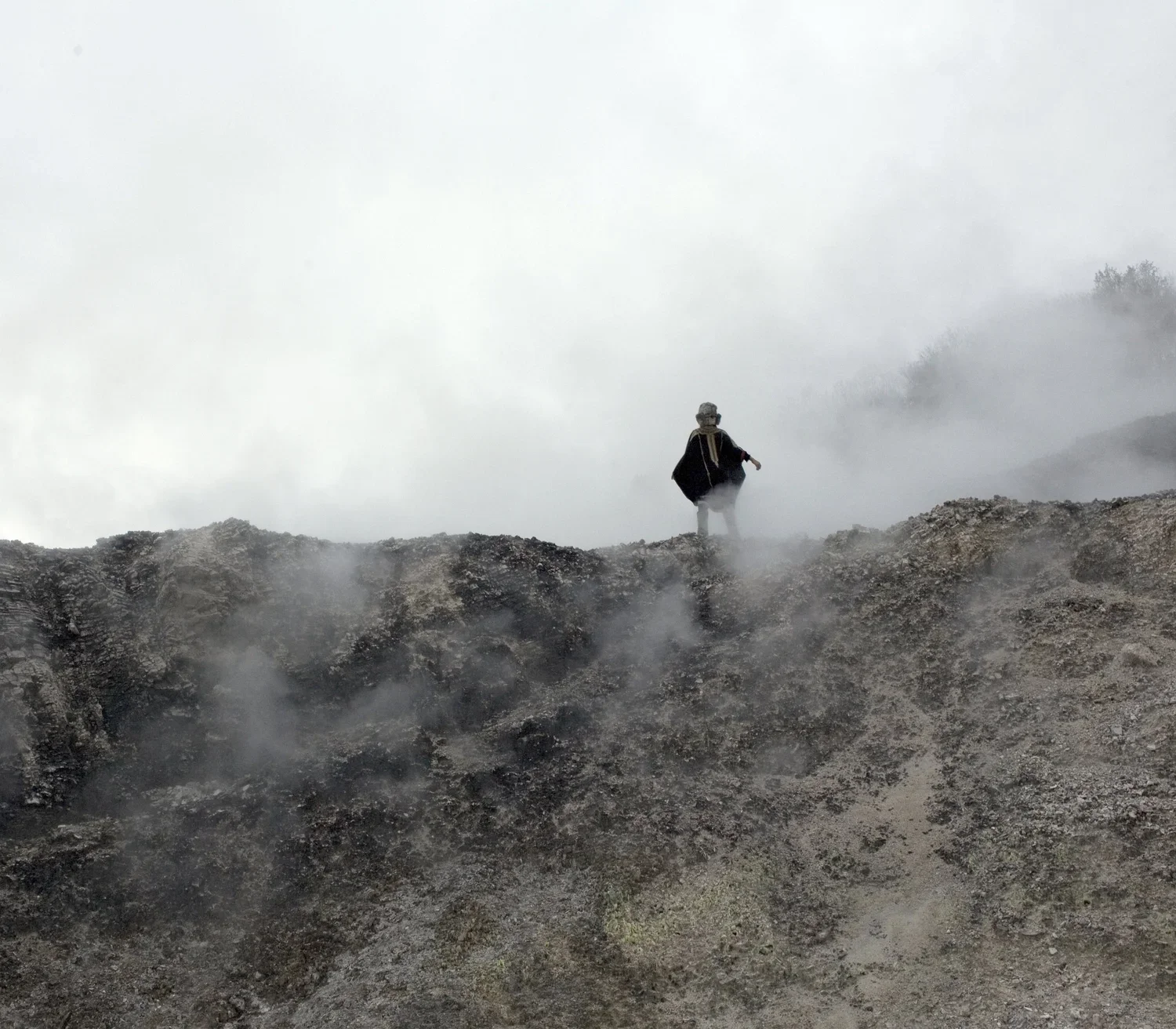
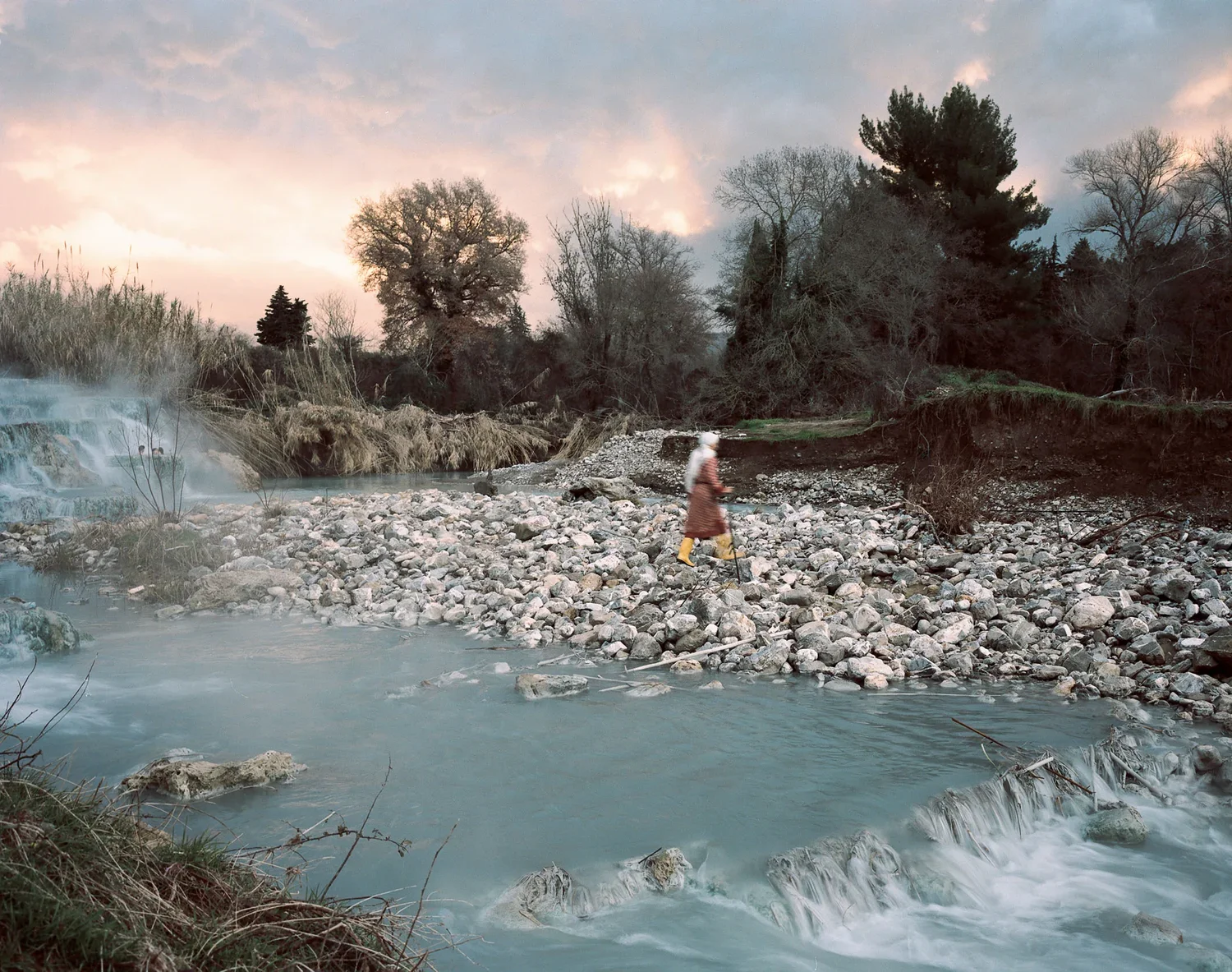
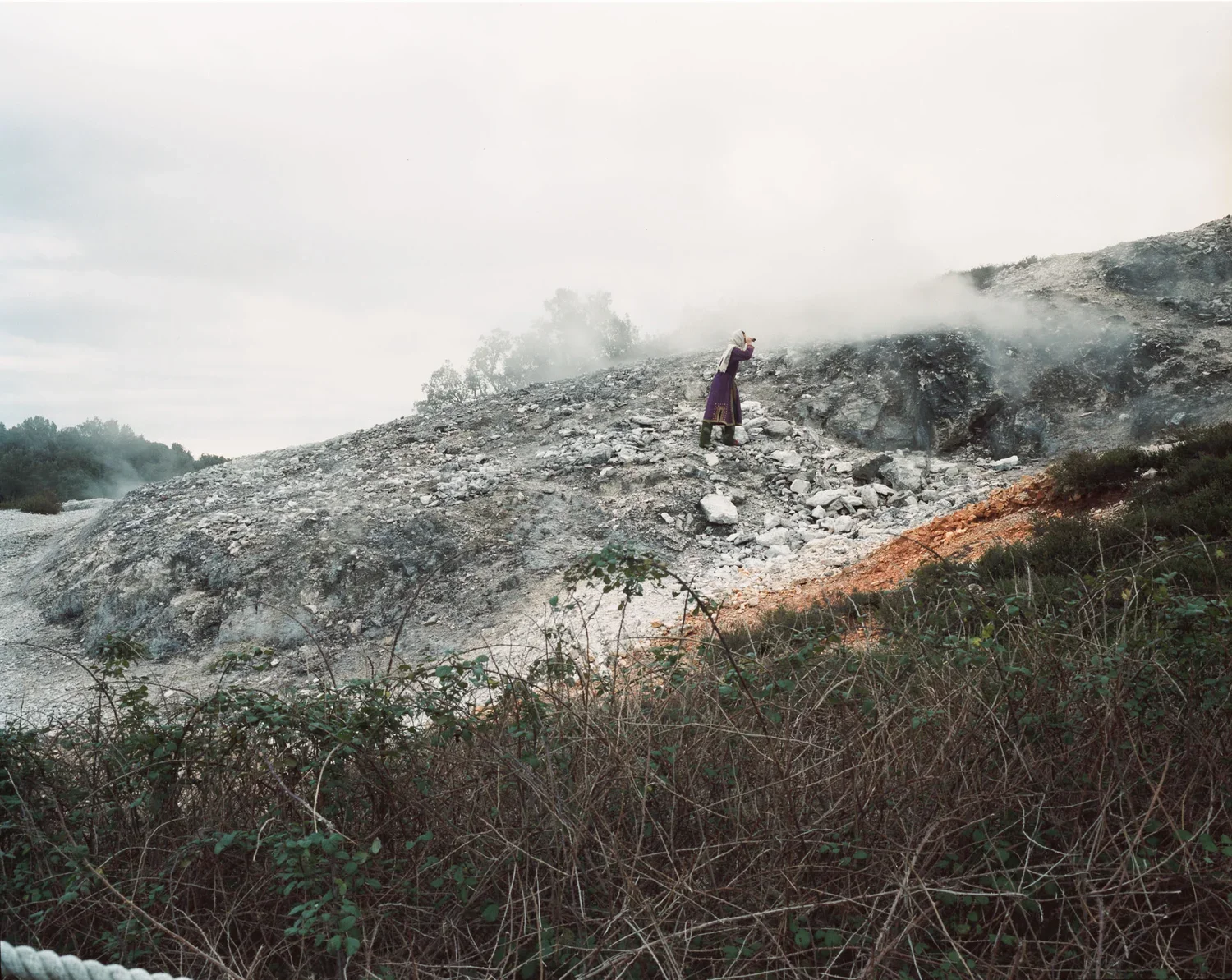

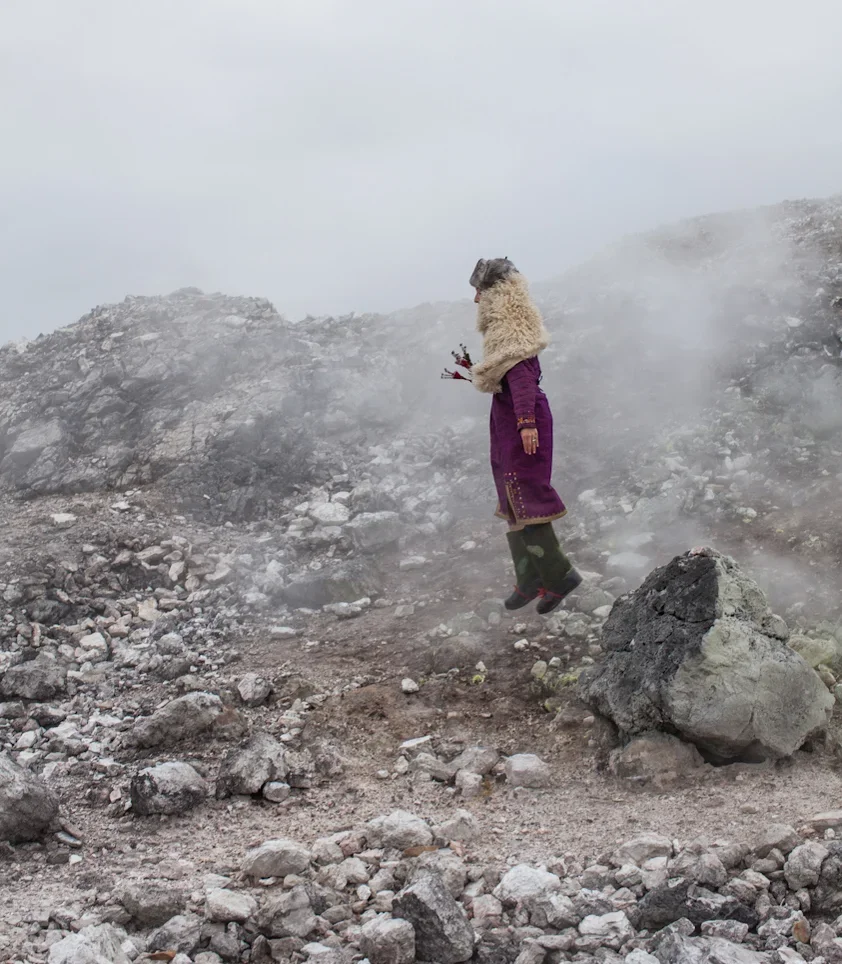
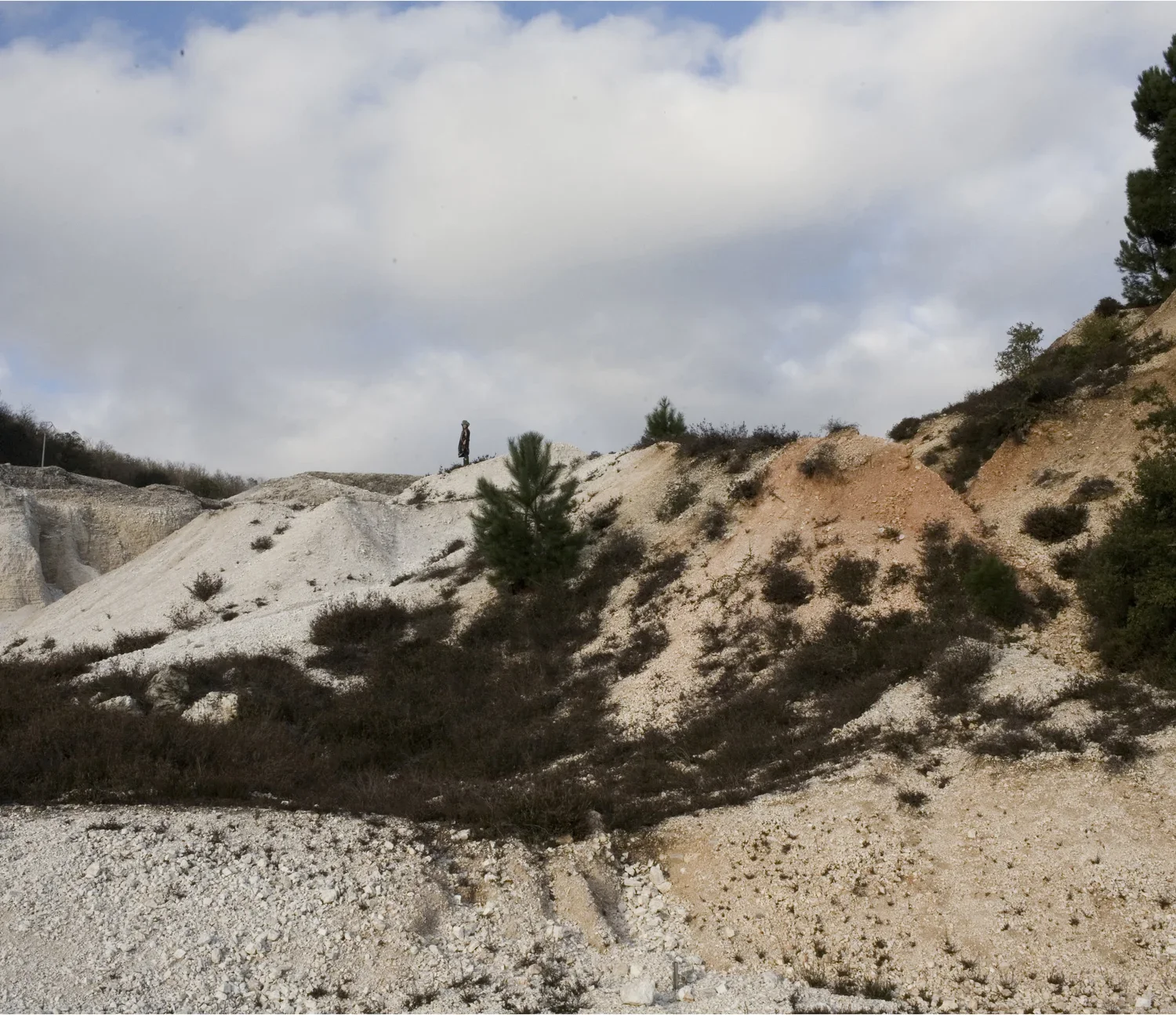
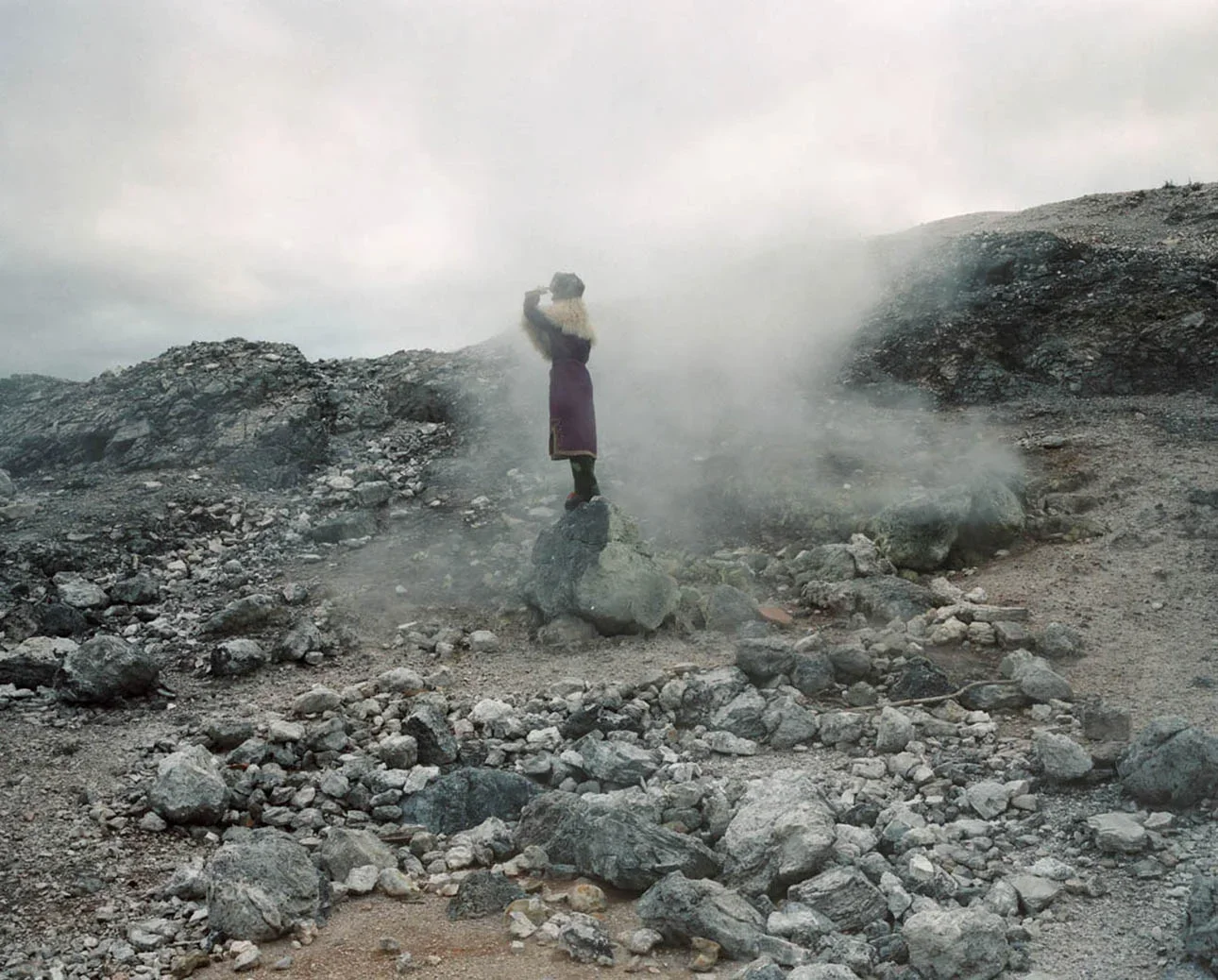
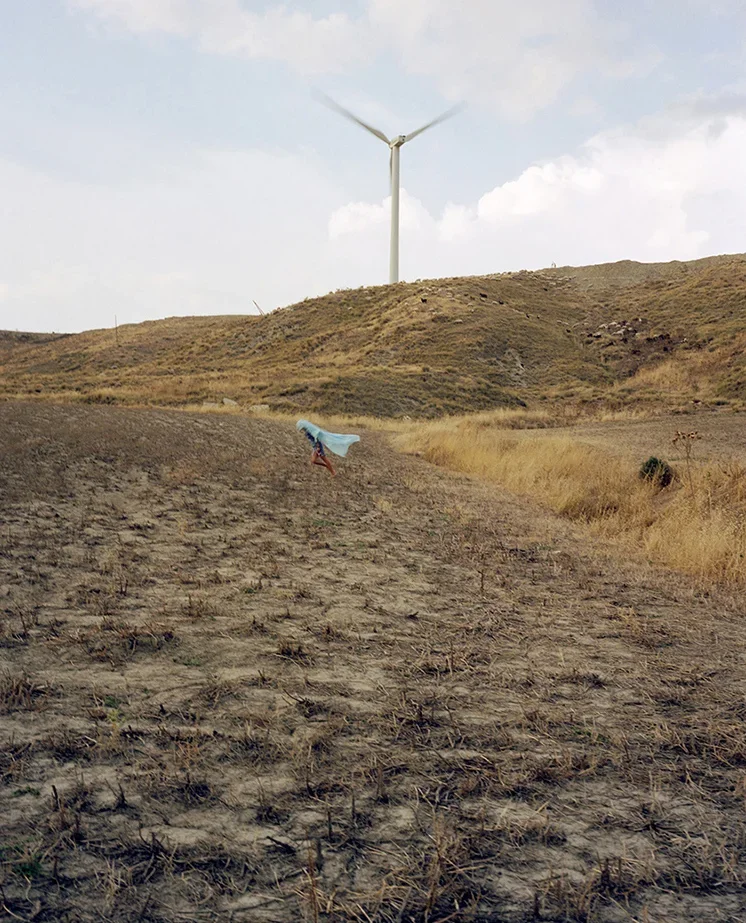
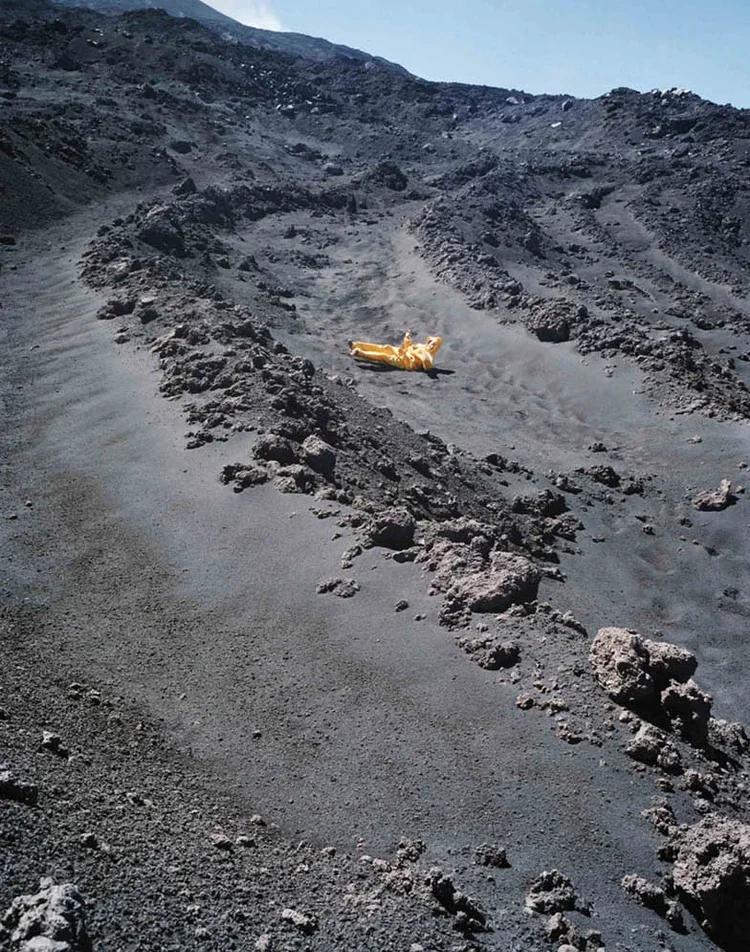
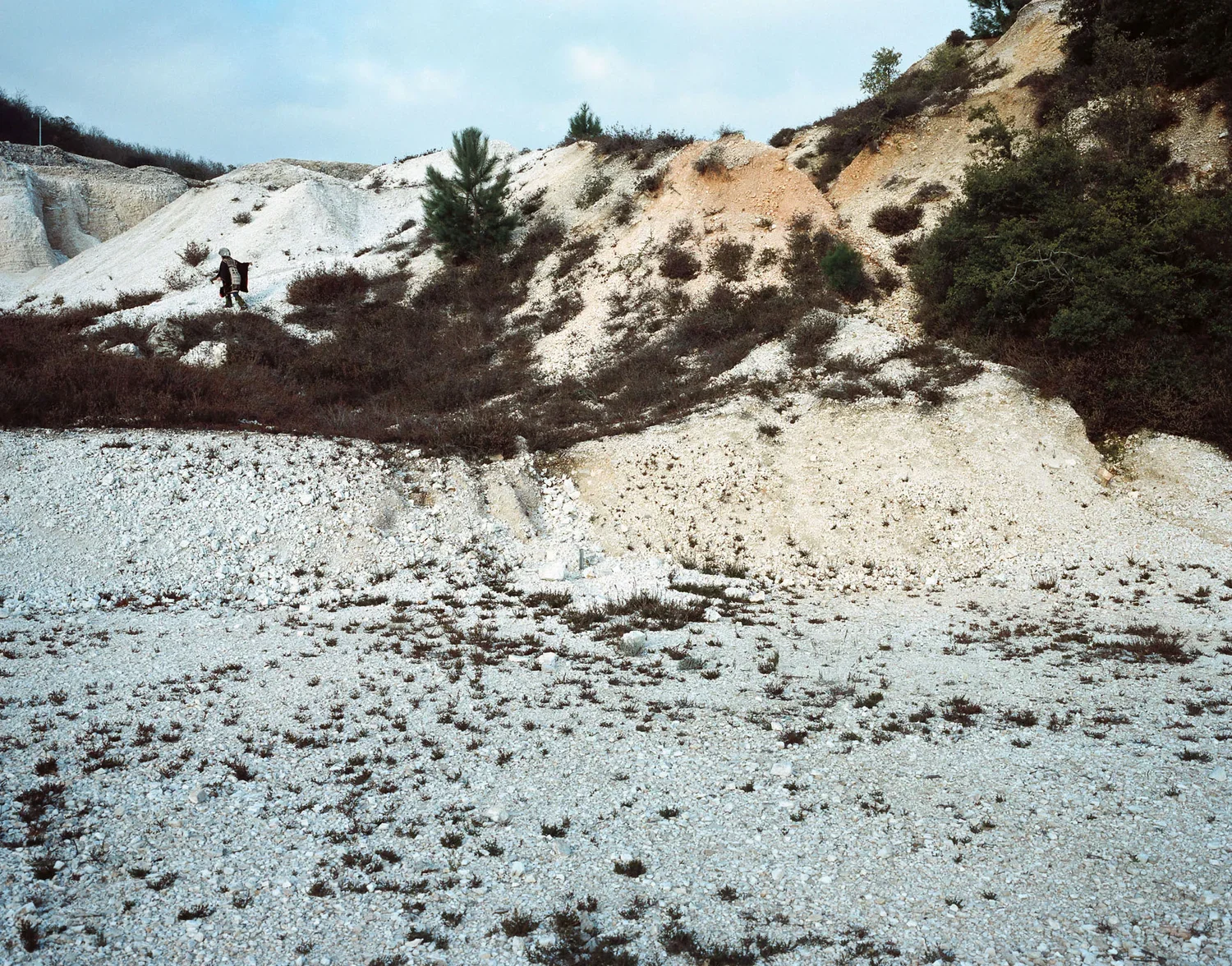
Giada Ripa was born in London and raised in Brussels. Today she divides her time between New York and Milan, maintaining a practice that moves fluidly between artistic research and documentary photography.
She began her professional career in 2000 after studying photography at the International Center of Photography (ICP) in New York. In her early years she worked as a correspondent photographer for the Grazia Neri agency, producing reportage for some of the most important Italian and international magazines. This experience allowed her to develop a strong documentary sensibility and brought her into contact with diverse cultural and geopolitical contexts.
Over time, Ripa gradually shifted toward a more personal and conceptual body of work, focusing on long-term photographic projects that explore themes of identity, memory, and displacement. Travel became a central element of her practice. Through her journeys across Asia, Europe, and the United States, she has used the landscape—both urban and natural—as a stage for investigating the sense of dislocation that characterizes contemporary life, particularly the tension between public space and private experience.
Her work has been exhibited internationally, with shows in Italy, Belgium, Spain, the United States, Korea, China, and Russia. A significant milestone in her career was her first solo museum exhibition in 2011 at the MMoMA – Moscow Museum of Modern Art, where her work received wide critical attention.
Much of Ripa’s artistic and documentary research has focused on China, Central Asia, and the Caucasus, regions she has explored extensively over the years. Through these projects she has developed a visual language that combines documentary observation with a poetic and introspective approach.
Alongside her exhibition activity, Giada Ripa has also published two books. The Invisible Pipeline, commissioned by ENI, explores the landscapes and communities connected by large energy infrastructures, while Displacement—published by Moleskine—was the first photography book released by the brand and reflects her ongoing investigation into movement, identity, and the experience of being “out of place” in a rapidly changing world.
2020 - Matteo Gastel
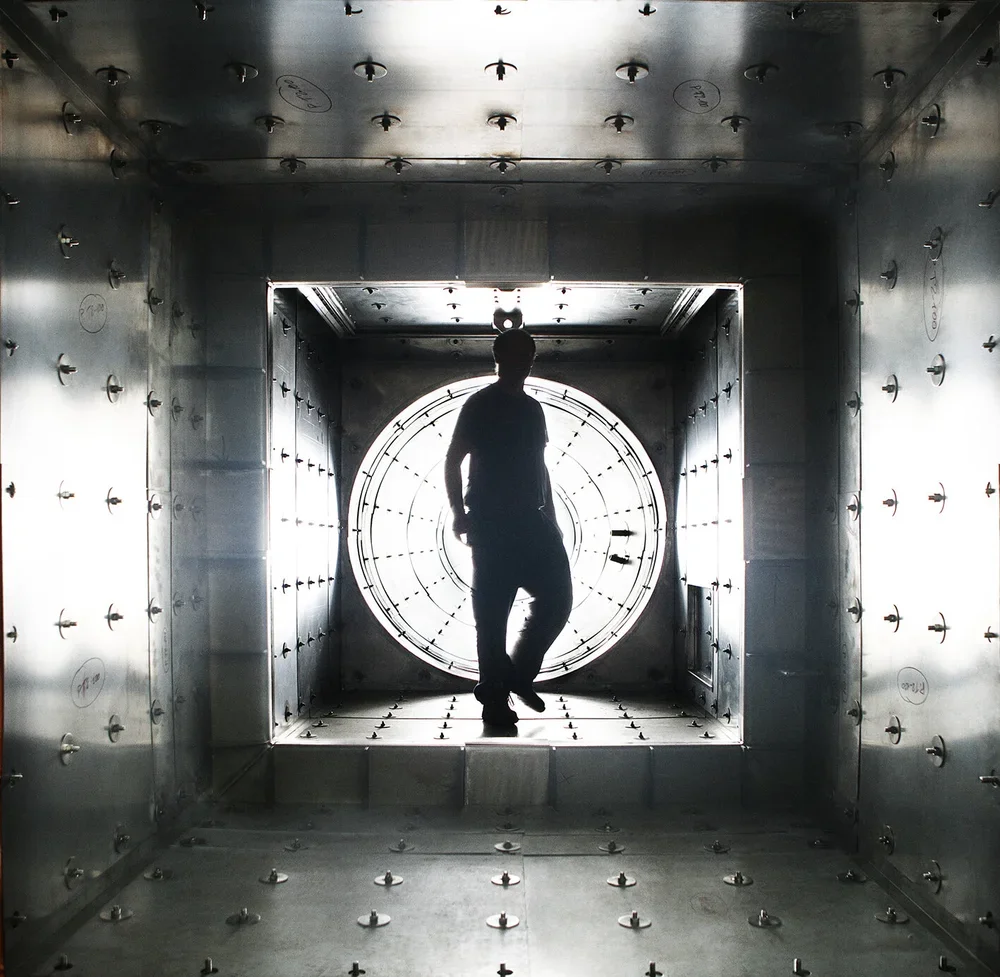
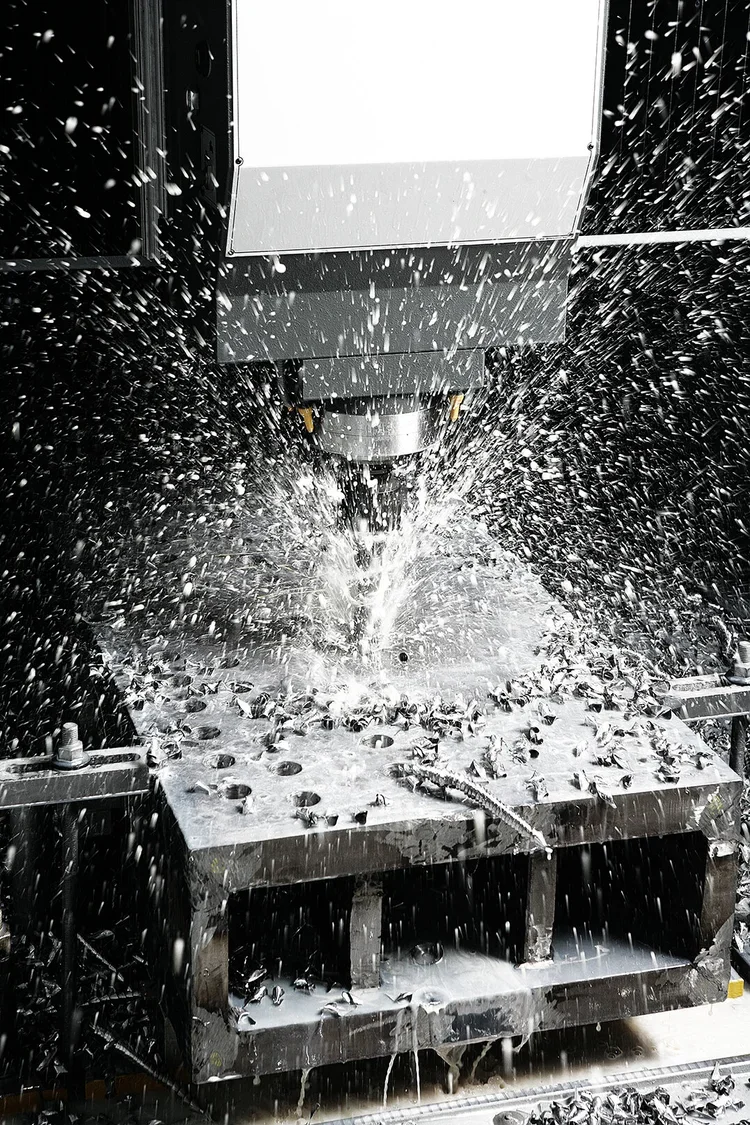
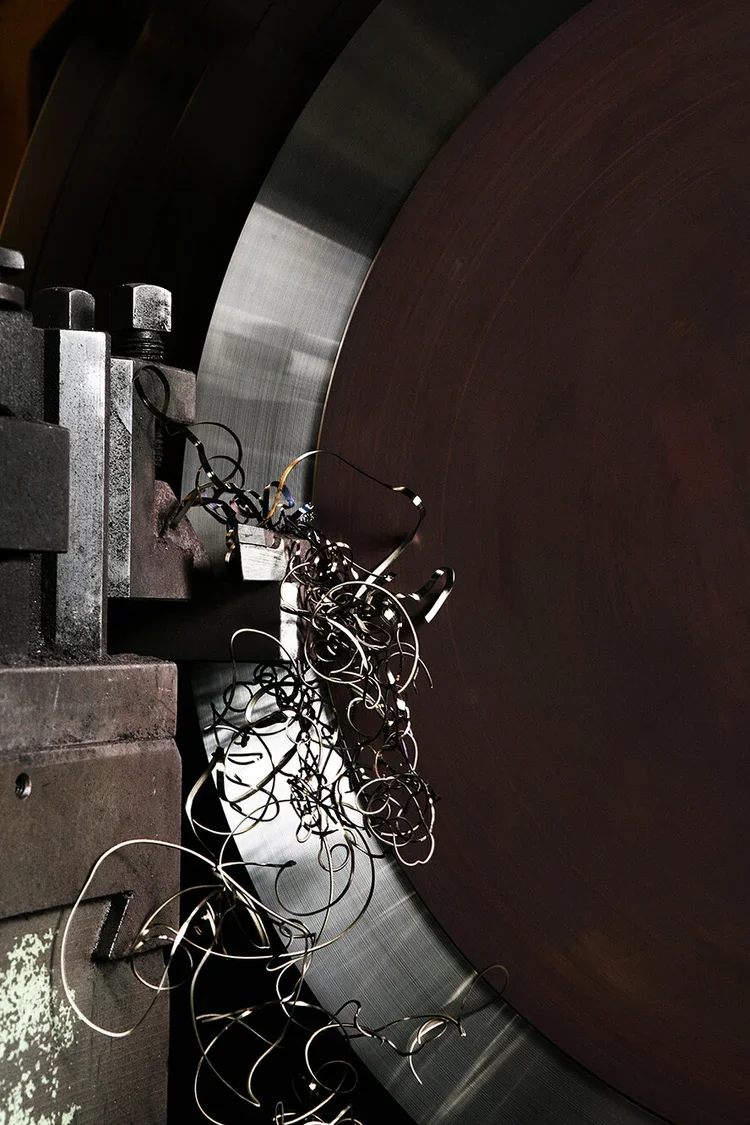
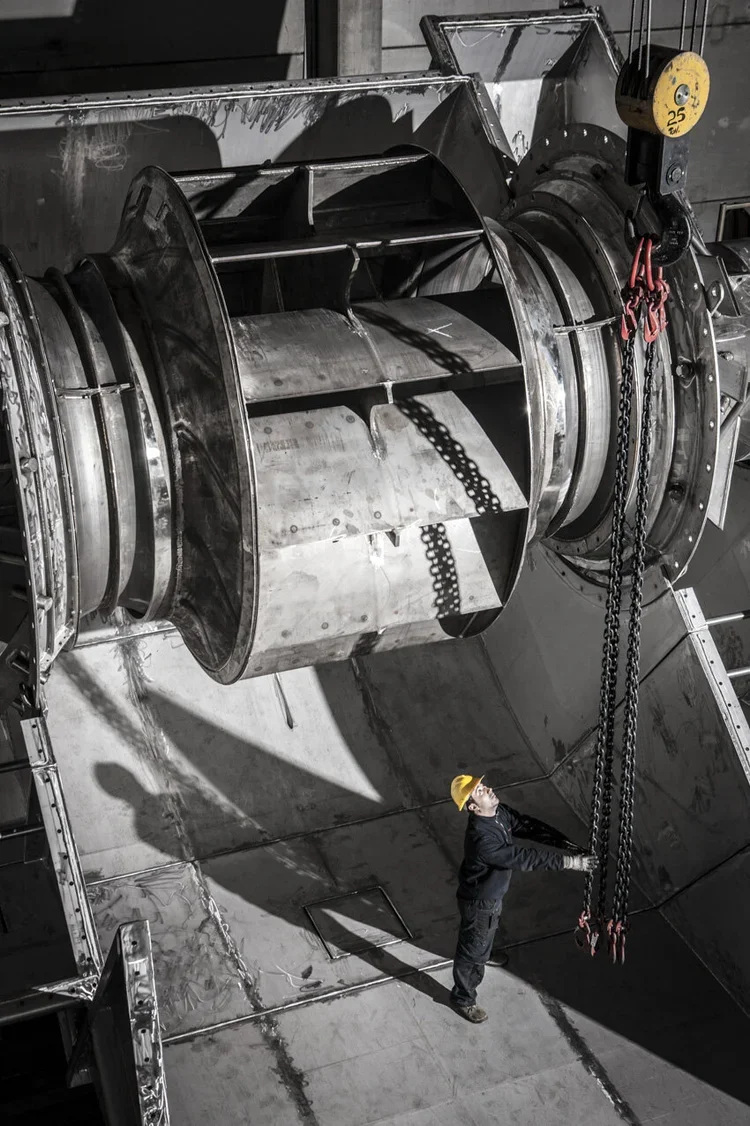
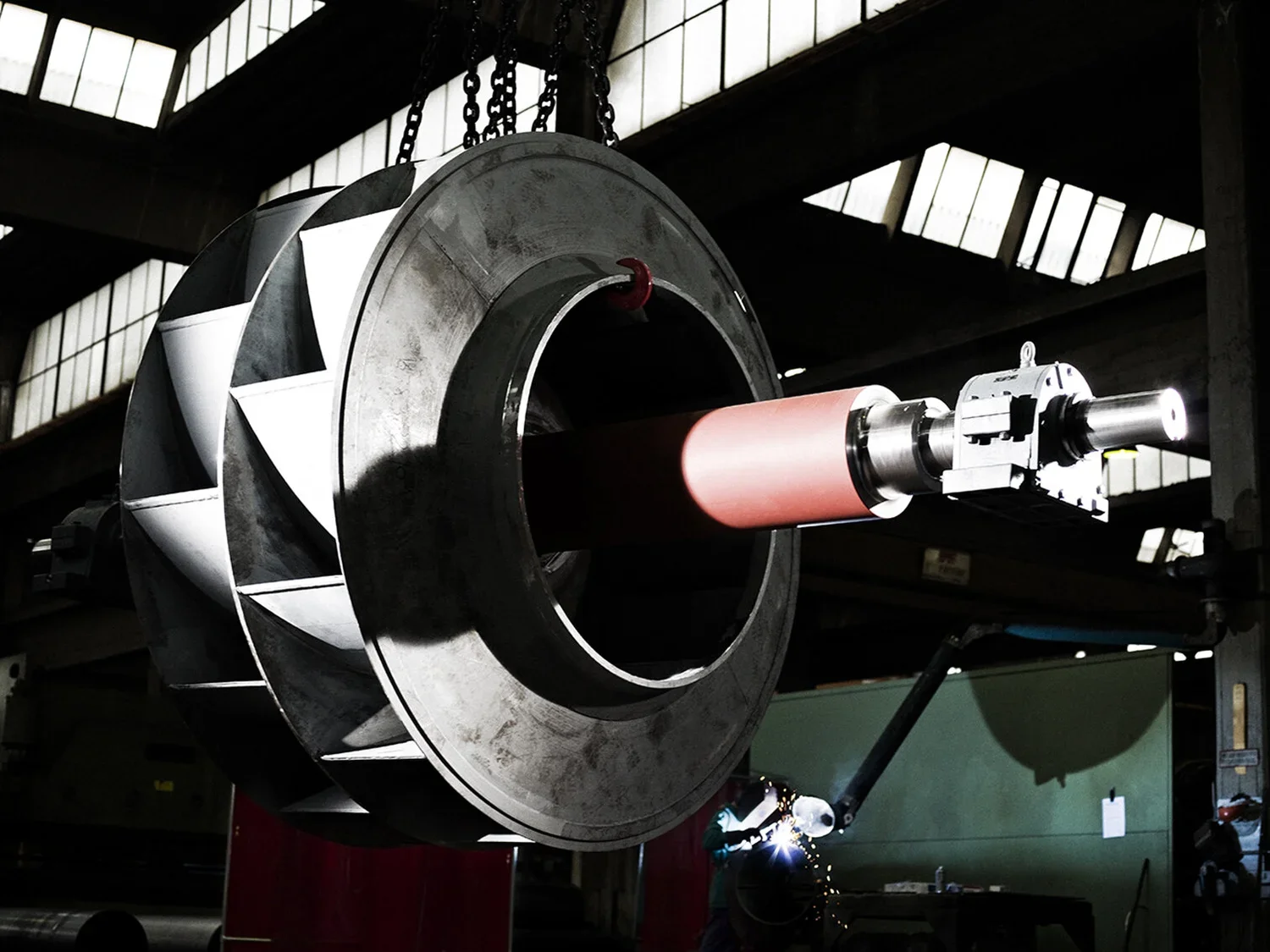
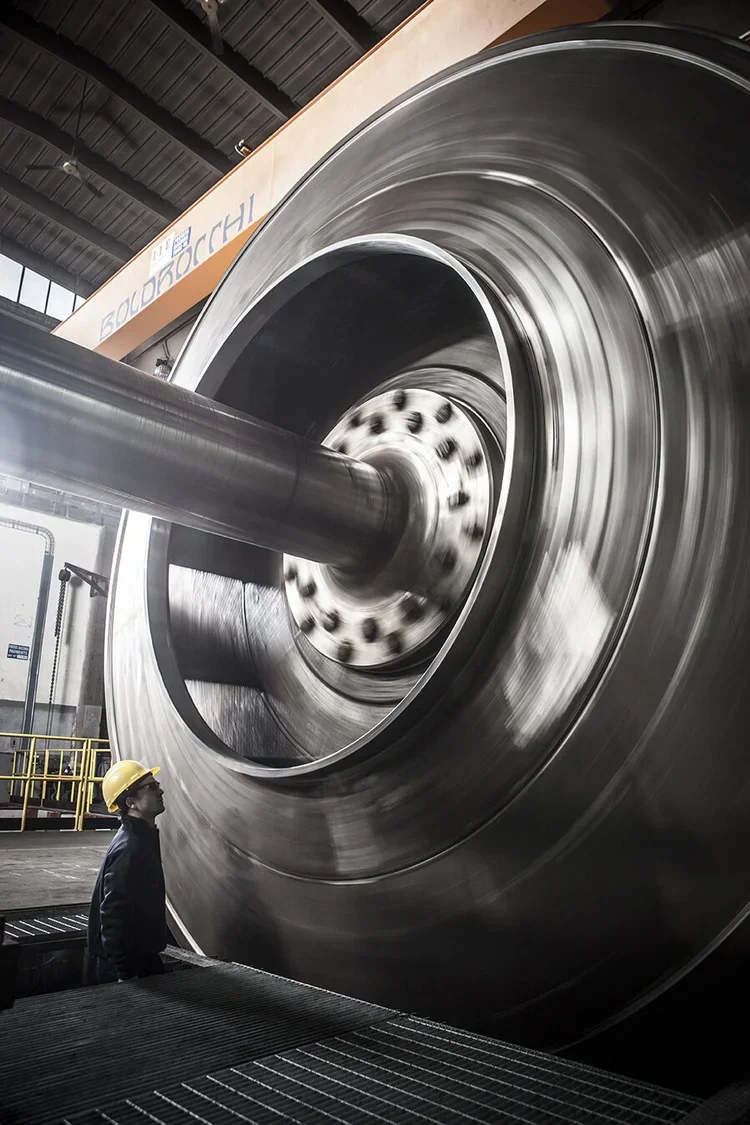
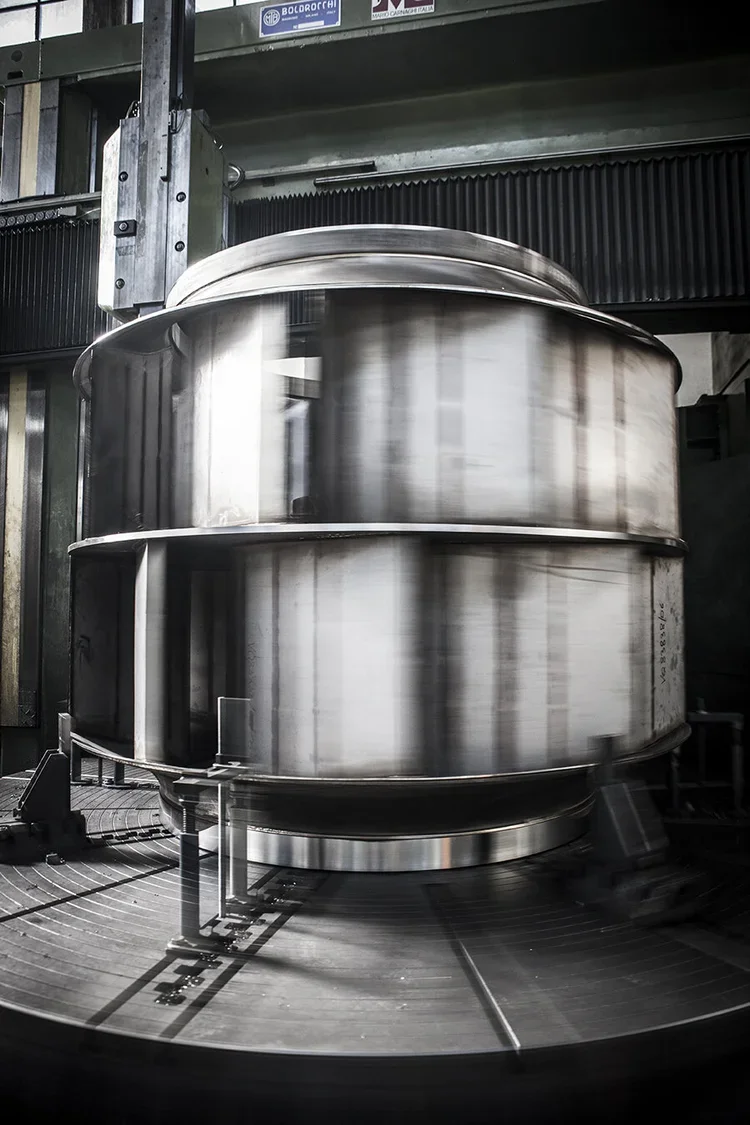
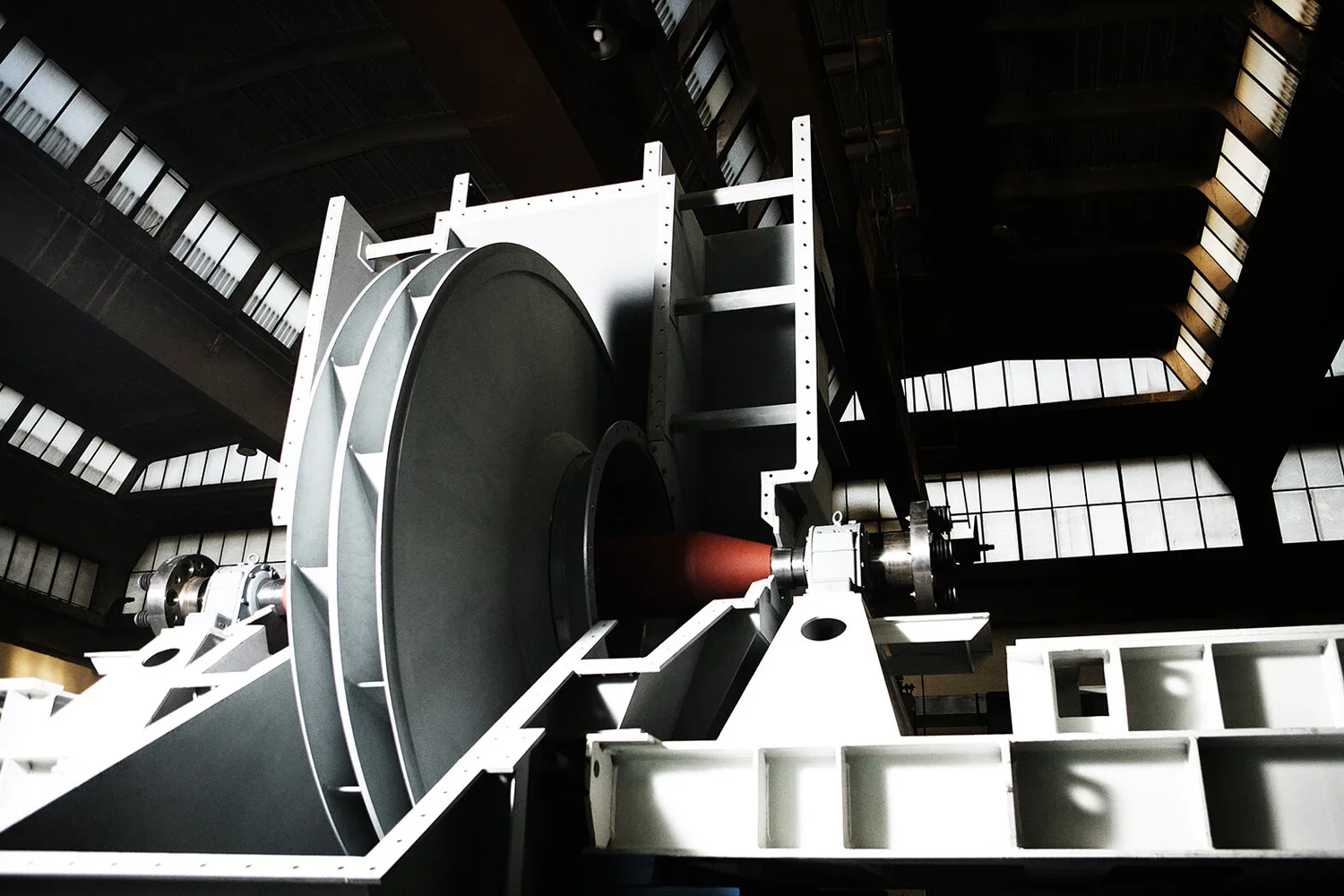
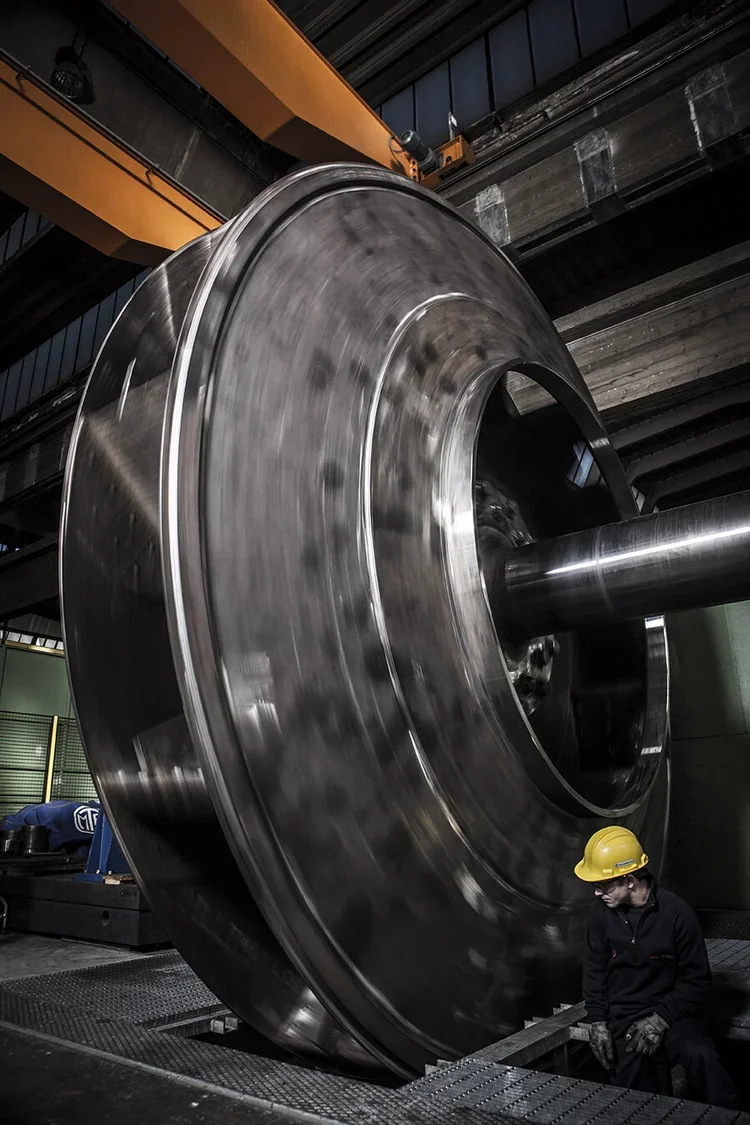
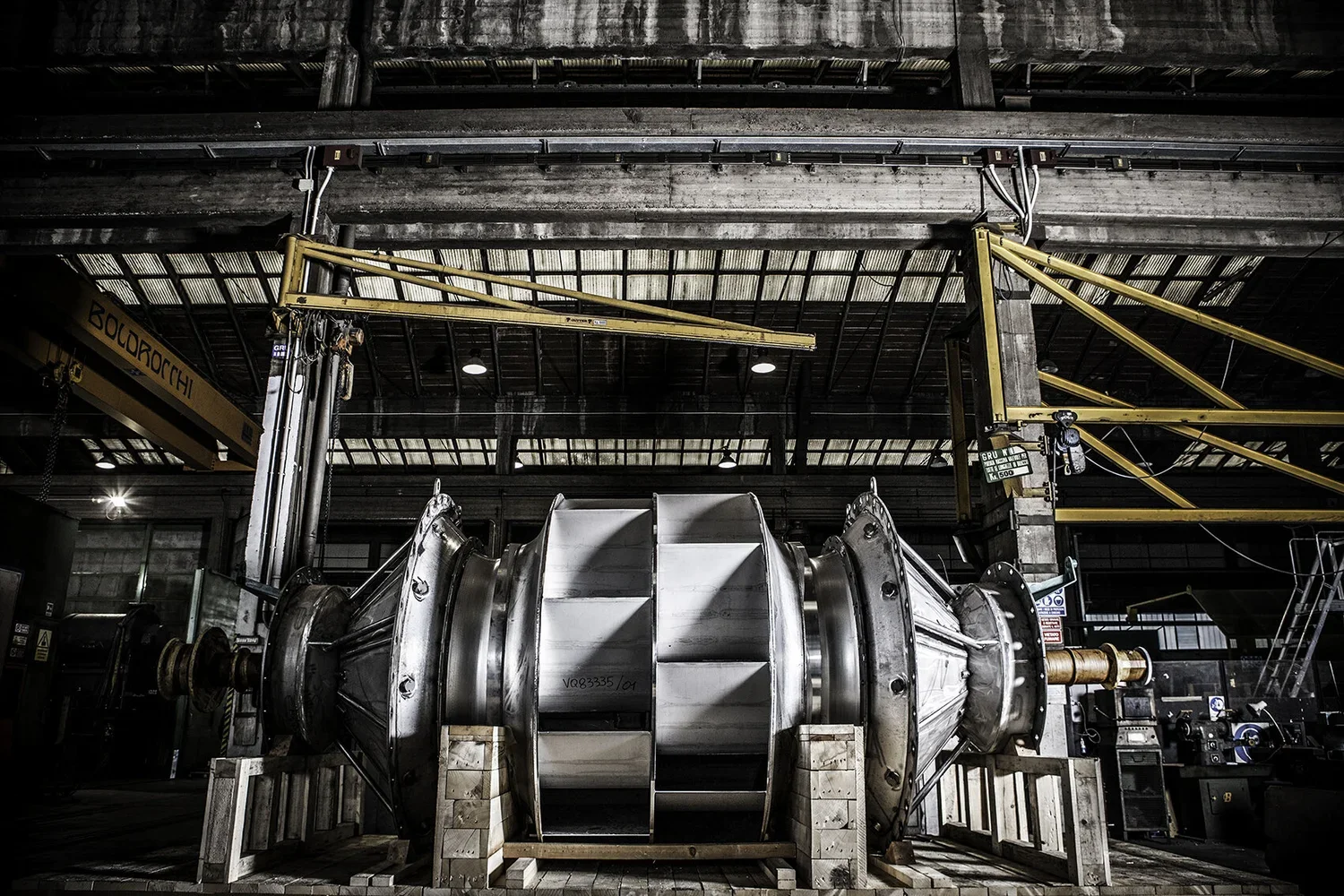
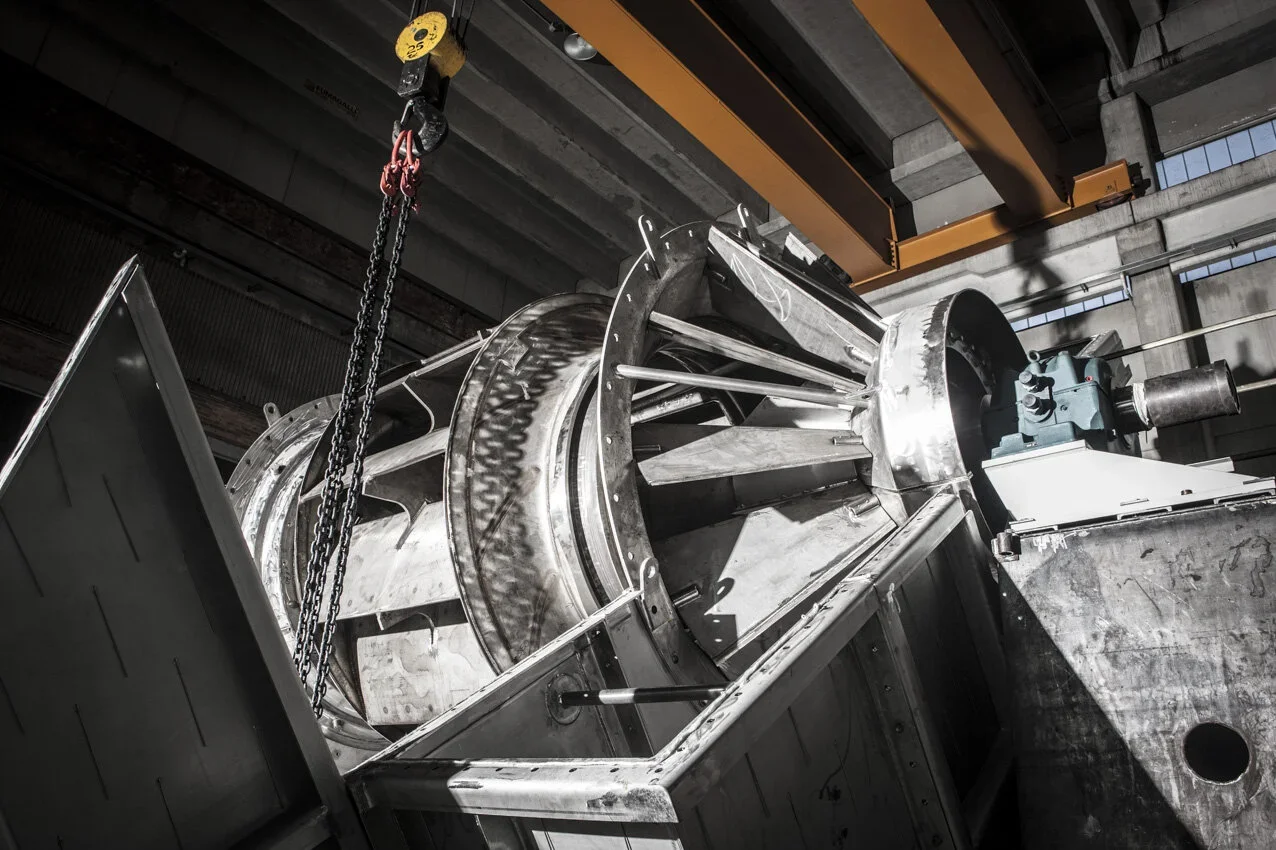
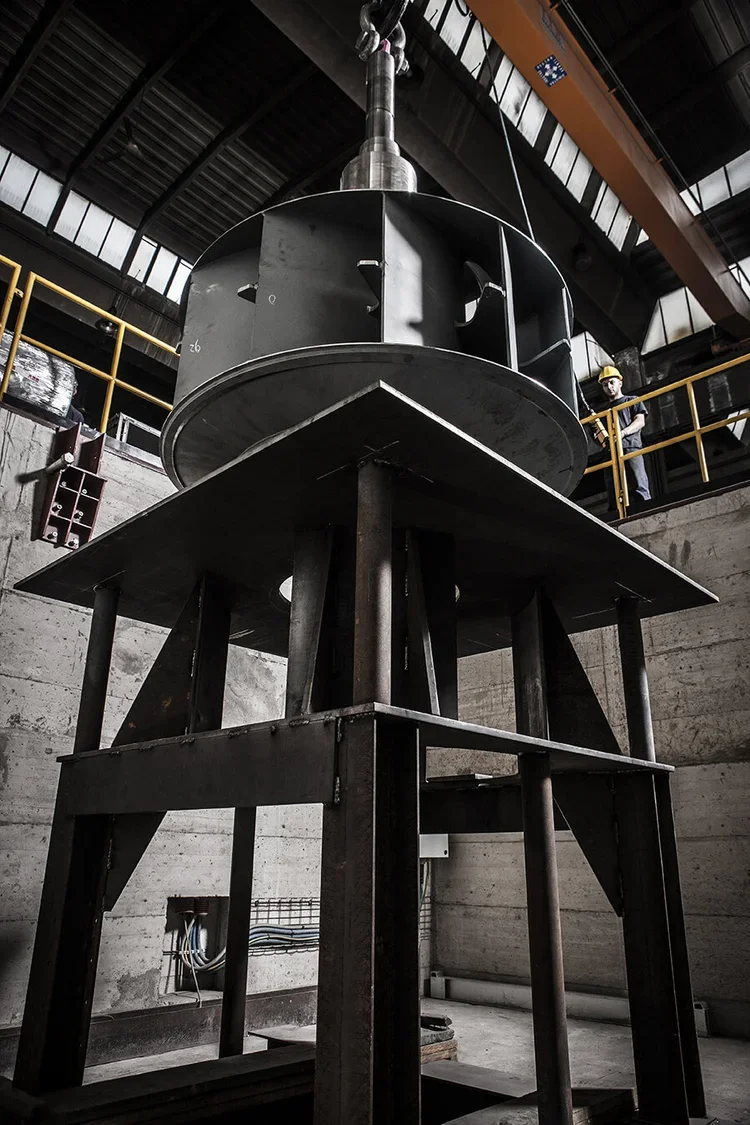
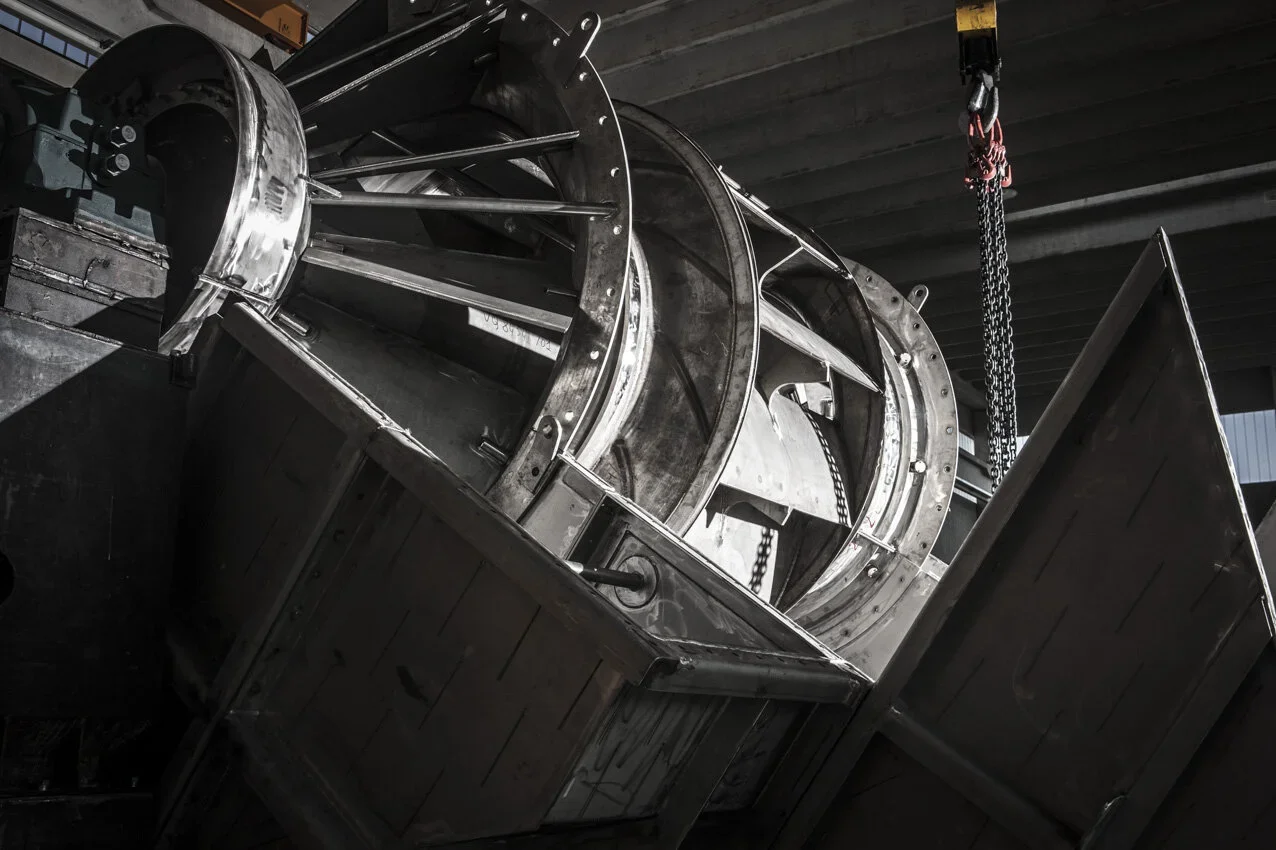
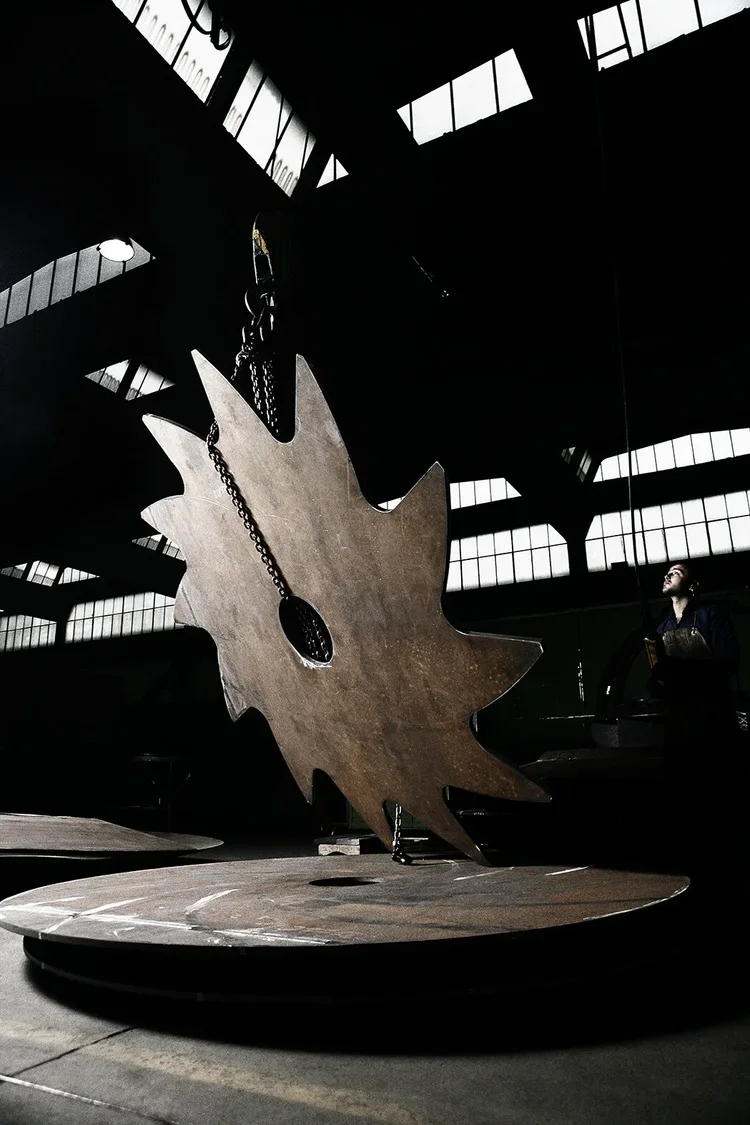
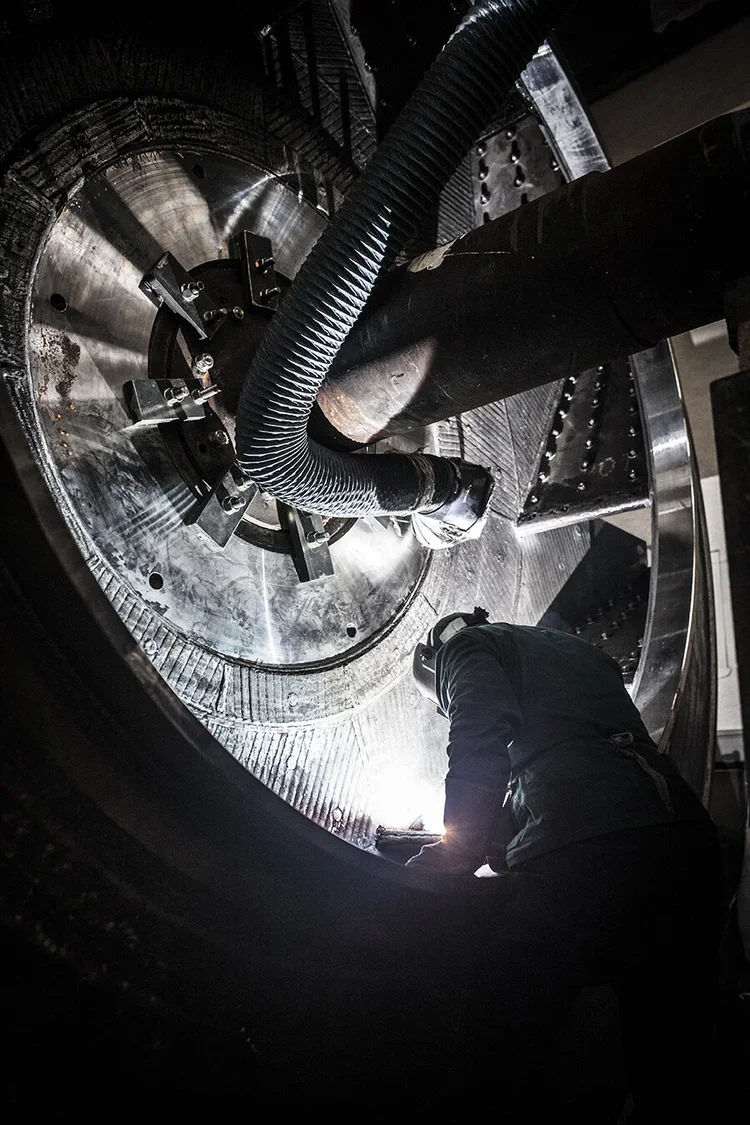
Matteo Gastel was born in Milan in 1978.
After years of training and studies in 2001 he became assistant to his uncle Giovanni Gastel. In 2002 he signed the first catalogue and the first advertising campaign. In the Bytre space is set up his first exhibition "my Milan", a city in black and white, inspired by his great-uncle director Luchino Visconti, who decided to shoot "Rocco and his brothers" in b/w film for the better... make the Milanese atmosphere. In 2003 he exhibited at the Executive "New Zeland, between dreamy and surreal", a selection of contrasts between nature and human evolution.
In the same year the publications of the first editorial services for Italian and foreign magazines. It will be in 2006, however, with the move to New York, that the artist will find his true inspiration and dimension by producing photo shoots for catalogues and campaigns advertising in the world of fashion, cosmetics, luxury and jewellery for customers such as Ralph Lauren, Tod's, Superga, Mr & Mrs, Collistar, Diego Dalla Palma, Brosway, Samsung, Sabelt, Wally Yacht and realizing editorial services for magazines such as L'Uomo Vogue, Glamour, L'Officiel Italia, Elle, Friend, Joy, Capital, Maxim, Man and 25Ans. The city with a thousand faces, with its cultural dynamism effervescent, it will help him in capturing those details that turn objects into icons and reveal the true soul of the metropolis and its inhabitants.
In 2009 he exhibited "New York cubed - Memory Process", solo exhibition, presented in the Milanese gallery Glauco Cavaciuti Arte. New York, universe made of signs, noises and sounds, becomes a decomposition and recomposition of images that deliberately ignore the timeline. Photographs that give an iconic flow made of imperfections, dystonia, contradictions chromatic and formal memory. 2009 is also the year of "Instanti di natura", an exhibition curated by Denis Curti, in which he exposes the still life series "Flowers." In 2011 always with the gallery owner Glauco Cavaciuti presents "beautiful Addictions" a series of iconic compositions having for subjects everyday consumer goods that force to a "pleasant addiction." In 2014 begins the personal project "Traits of Dreams", research in the universe automotive without time barriers. The intent is to select to portray details of extraordinary cars by design, with the goal of pushing them to the extreme and getting abstract paintings.
For the Expo 2015 project he created "Milan, the shiny dark side" a series of subjects that portray classic Milanese architecture interpenetrated by sharp lines and modern of the new skyscrapers: Matteo tells with superimpositions now typically his own, the urban developments undertaken precisely for the great universal exhibition of milan. He currently lives and works between Milan and Los Angeles.
2021 - Gianni Fiorito
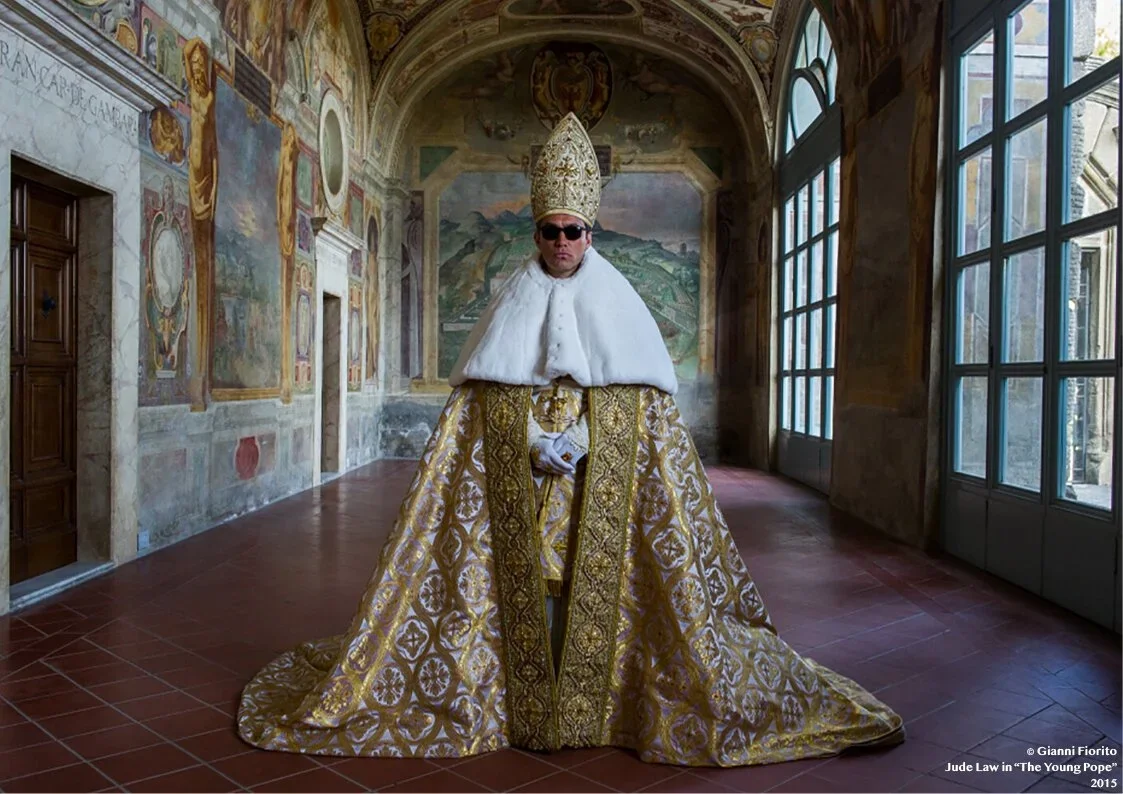
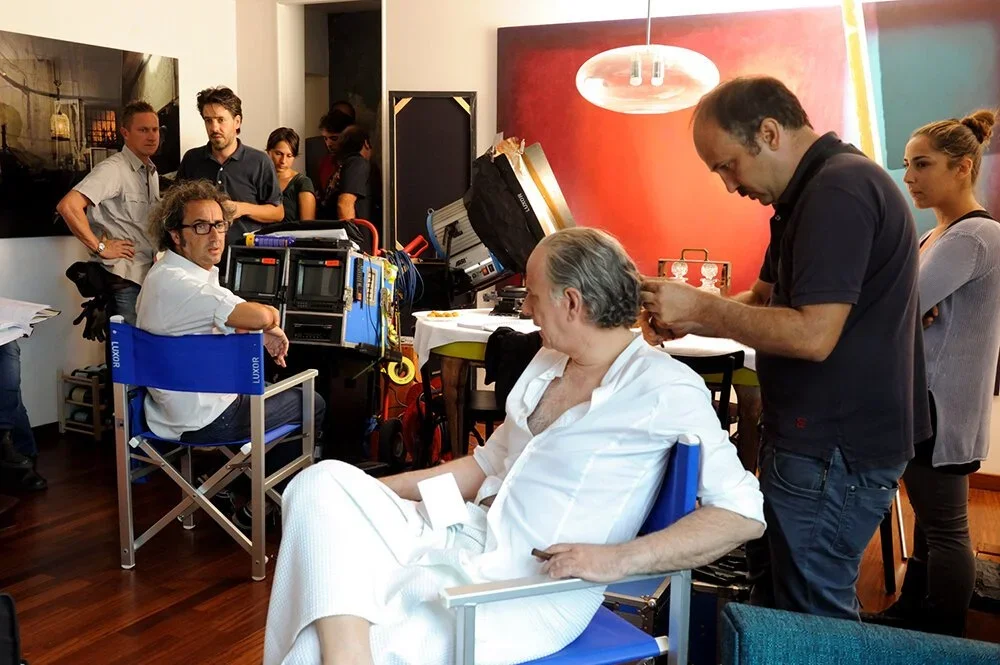
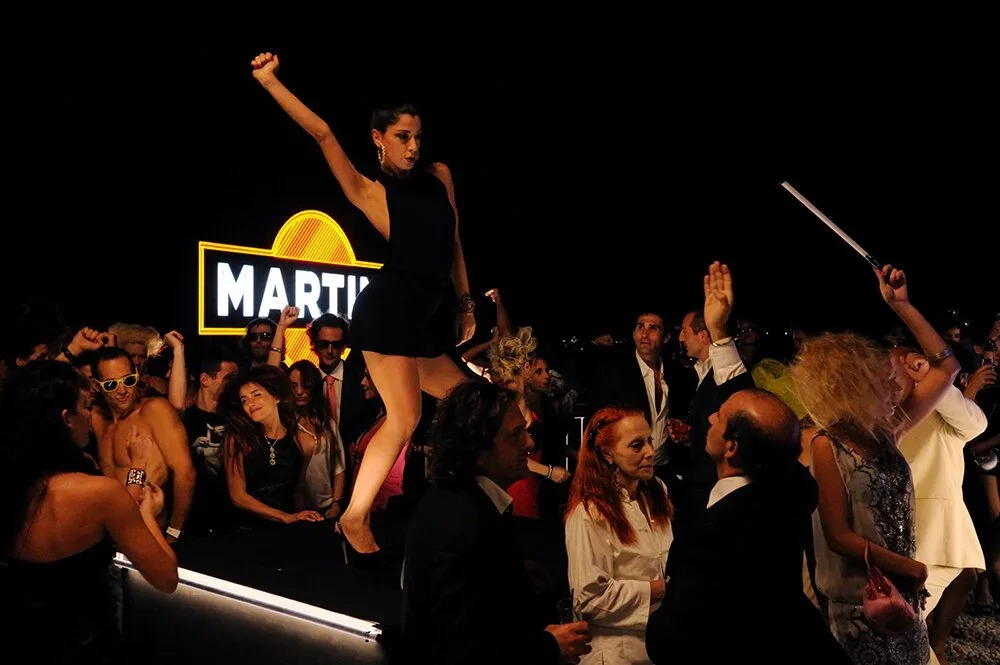
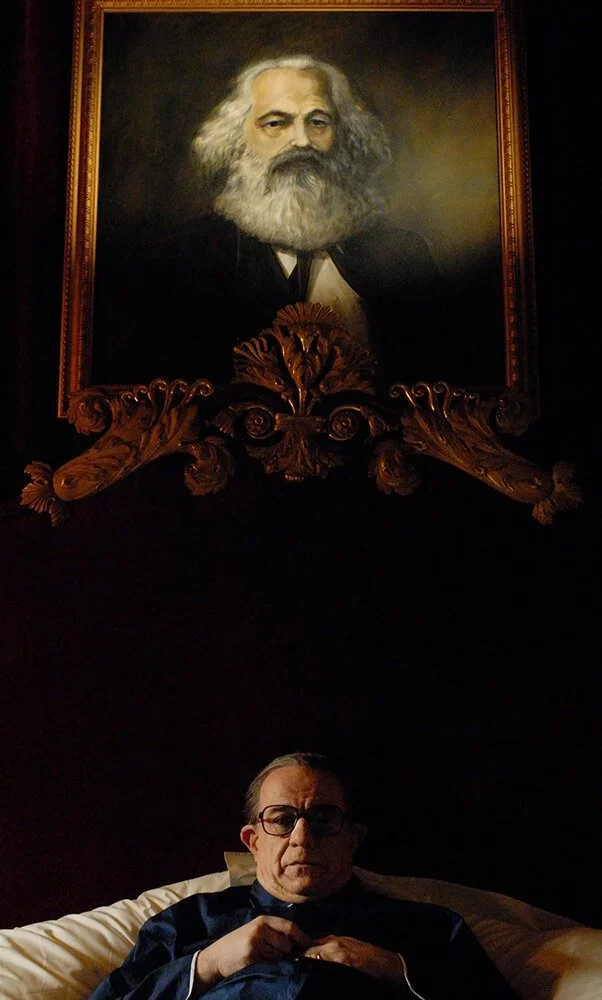
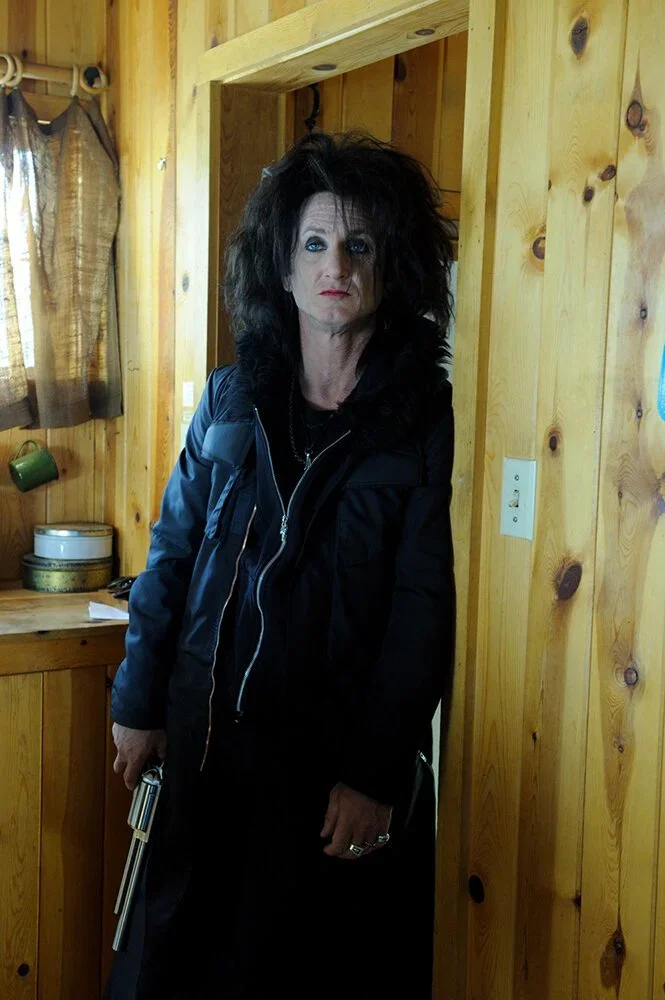
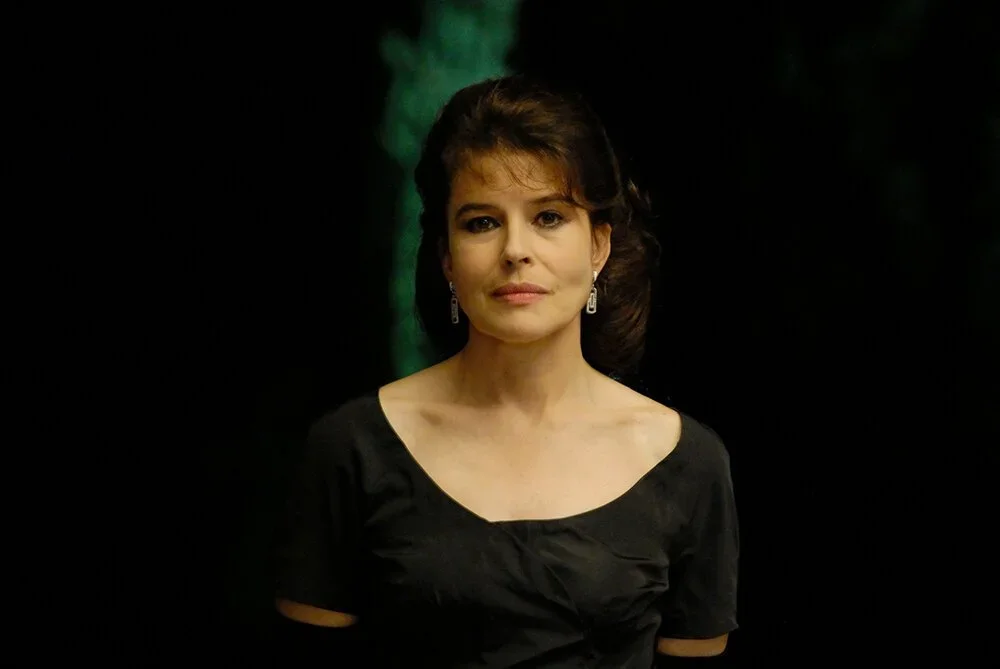
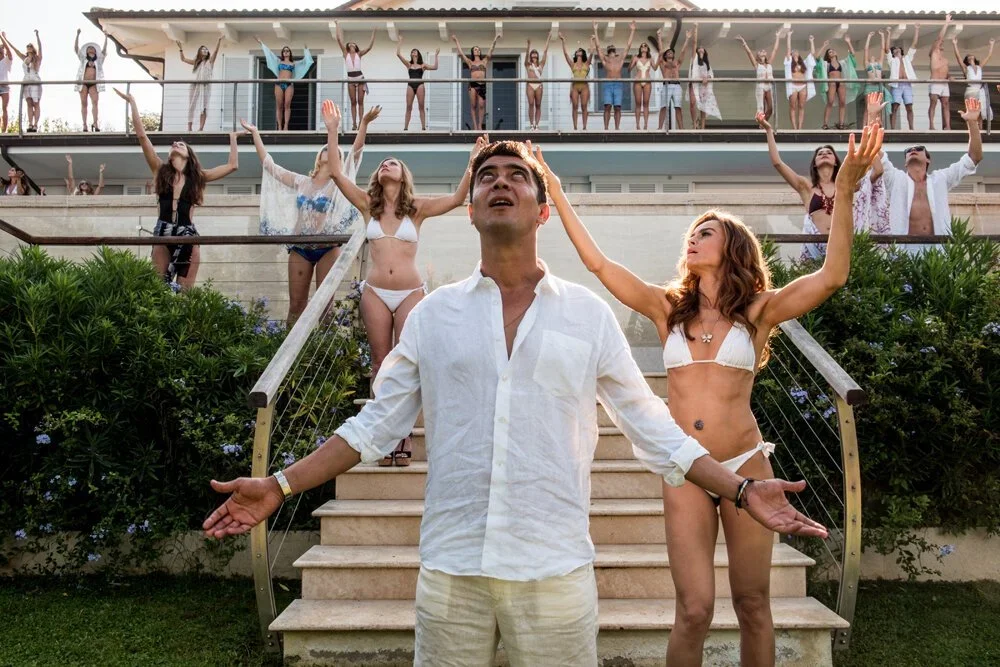
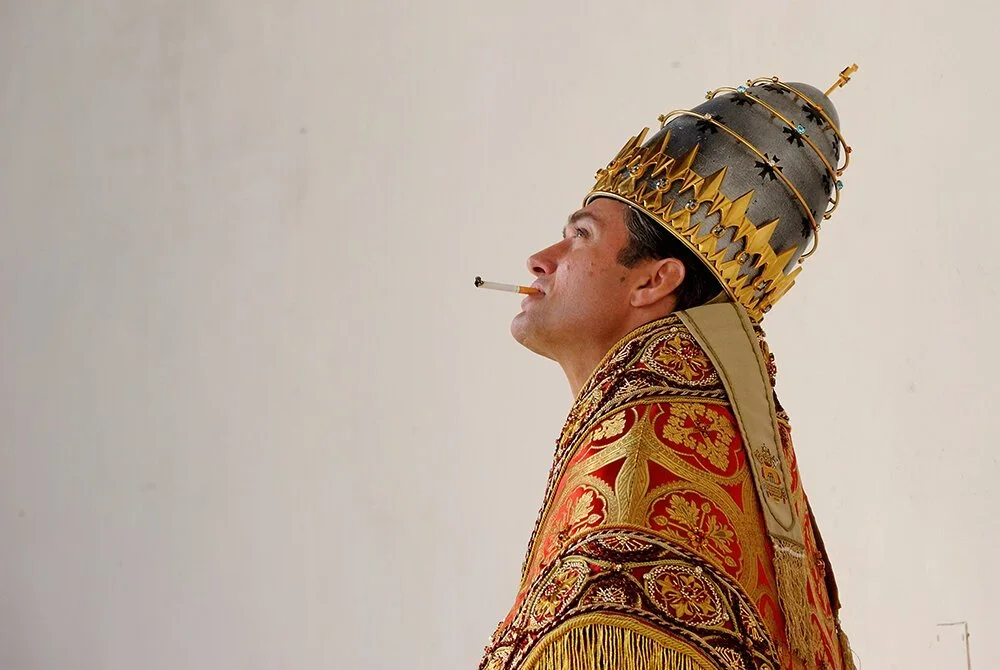
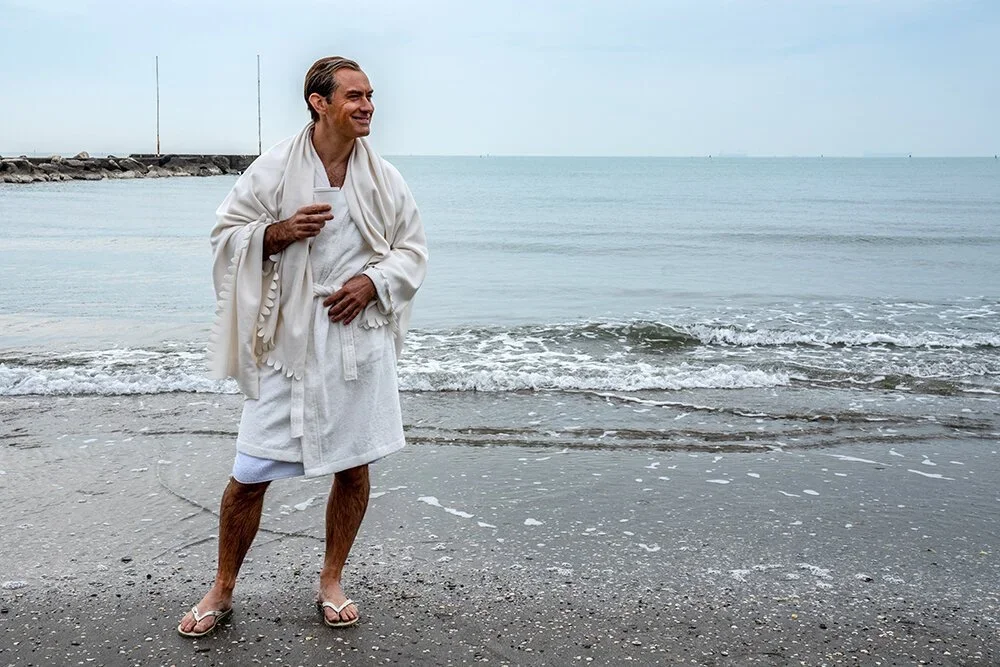
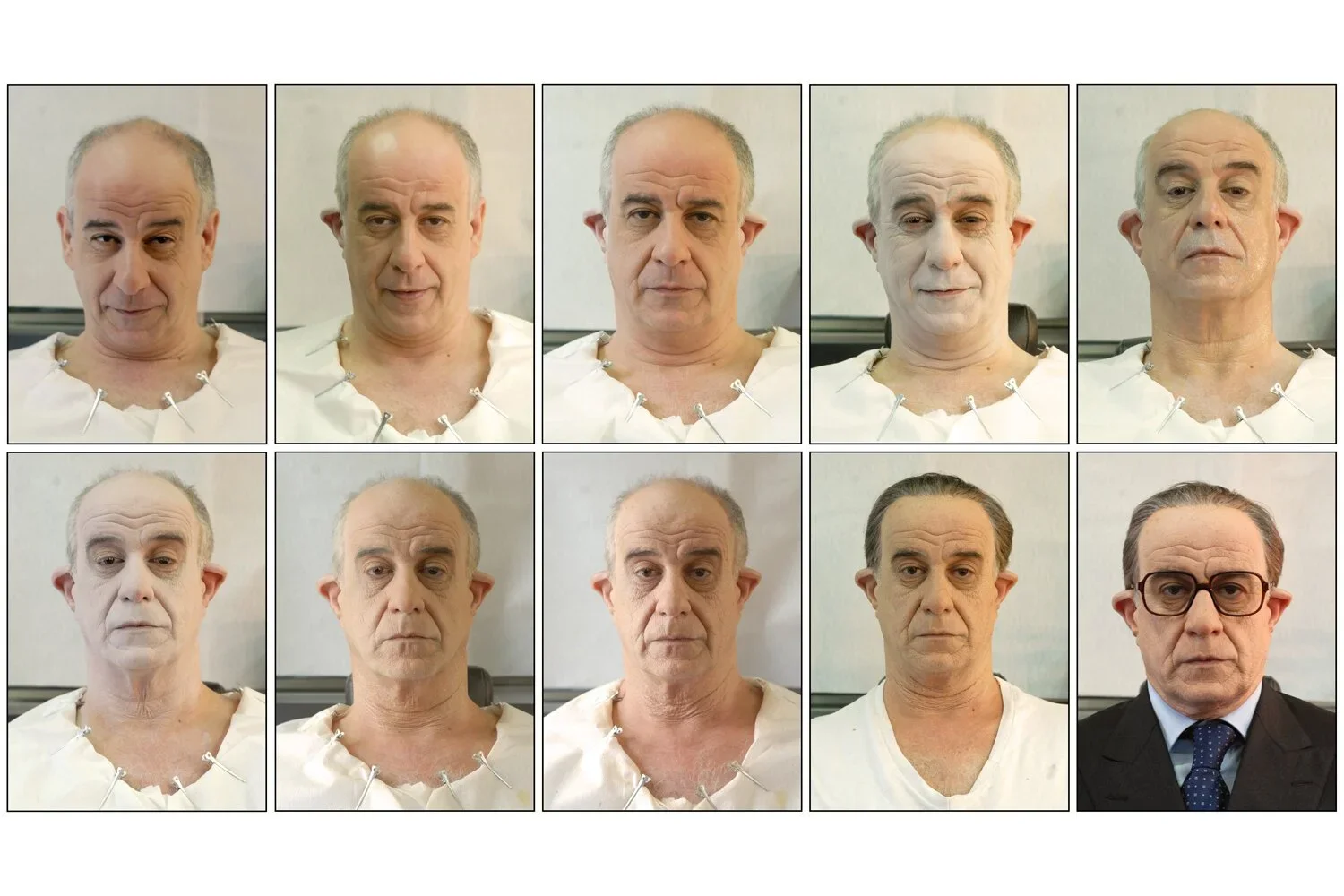
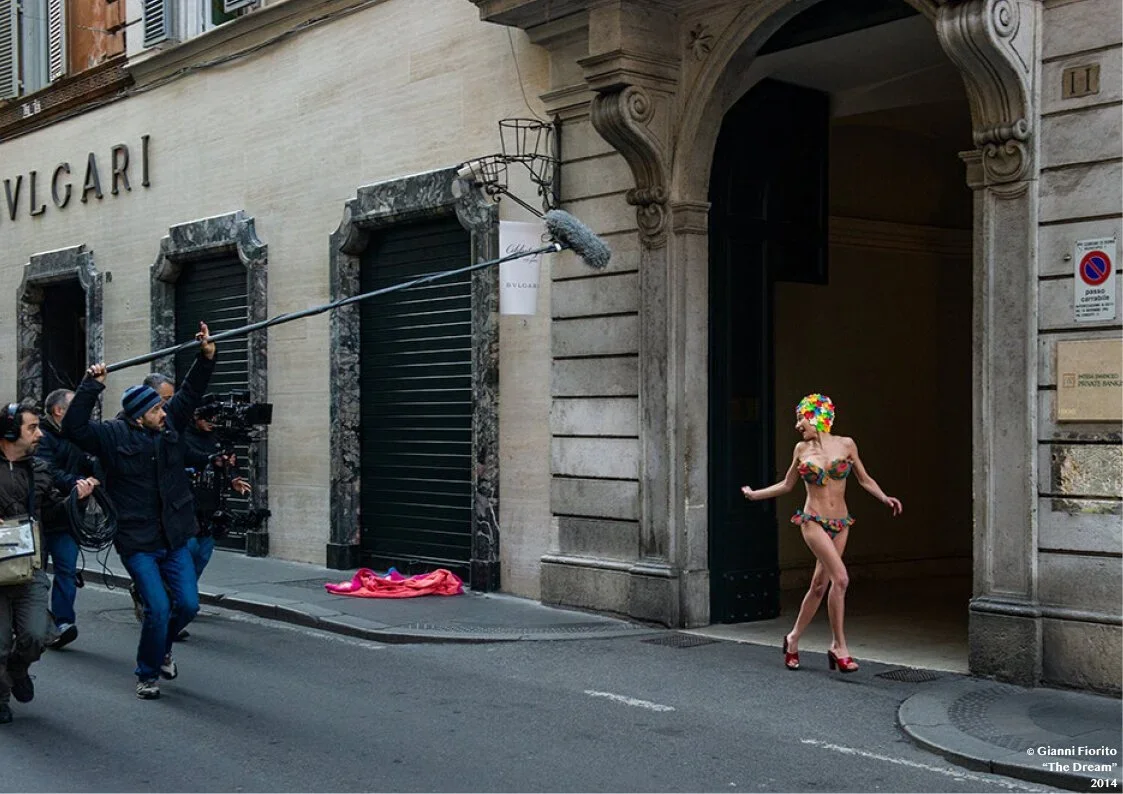
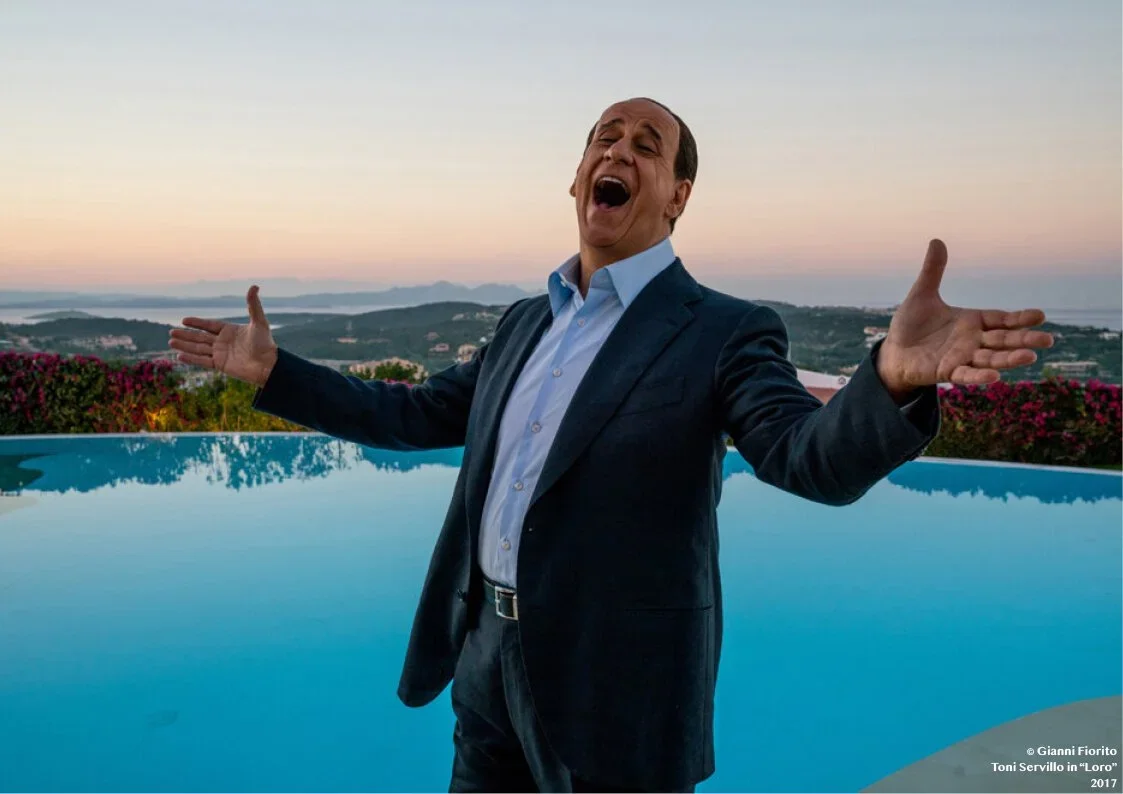
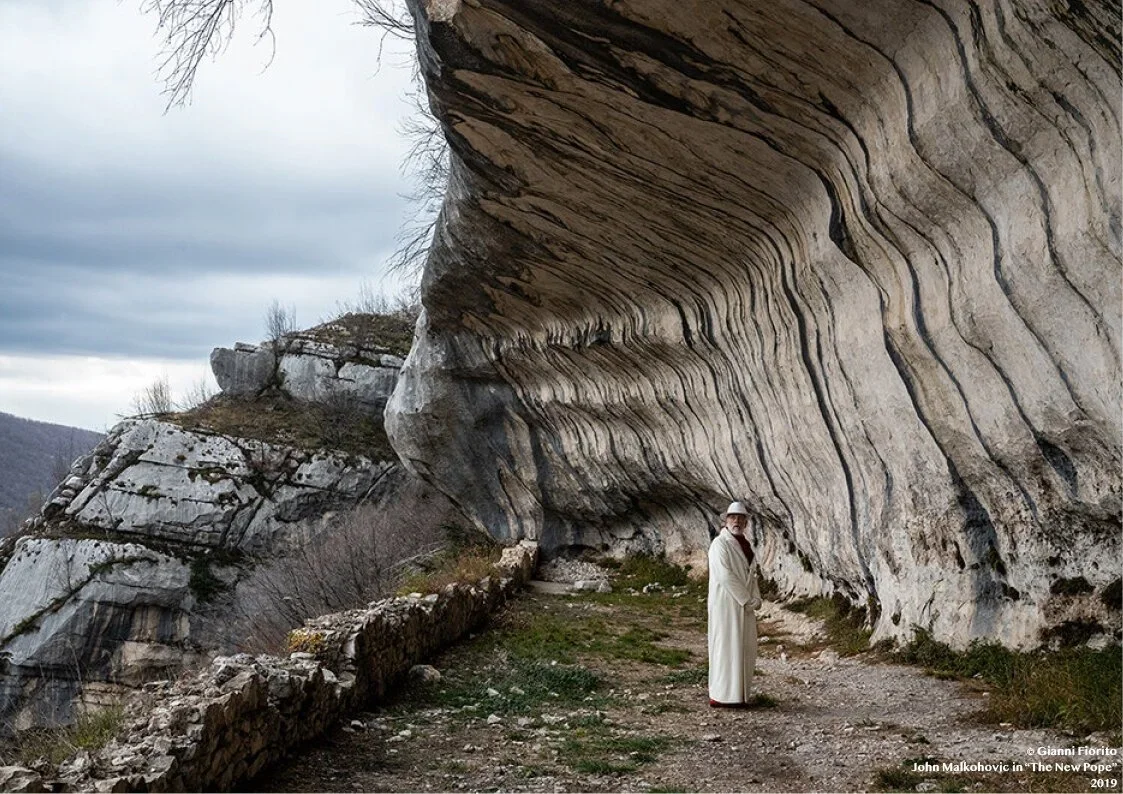
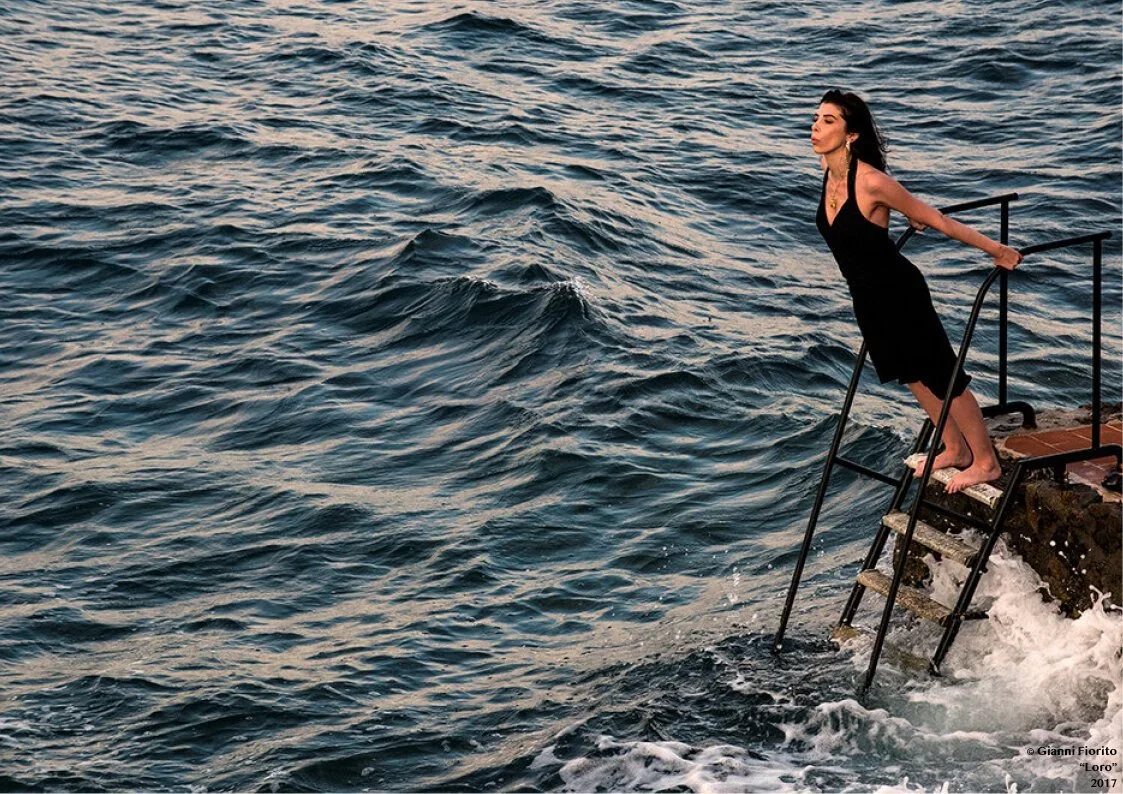
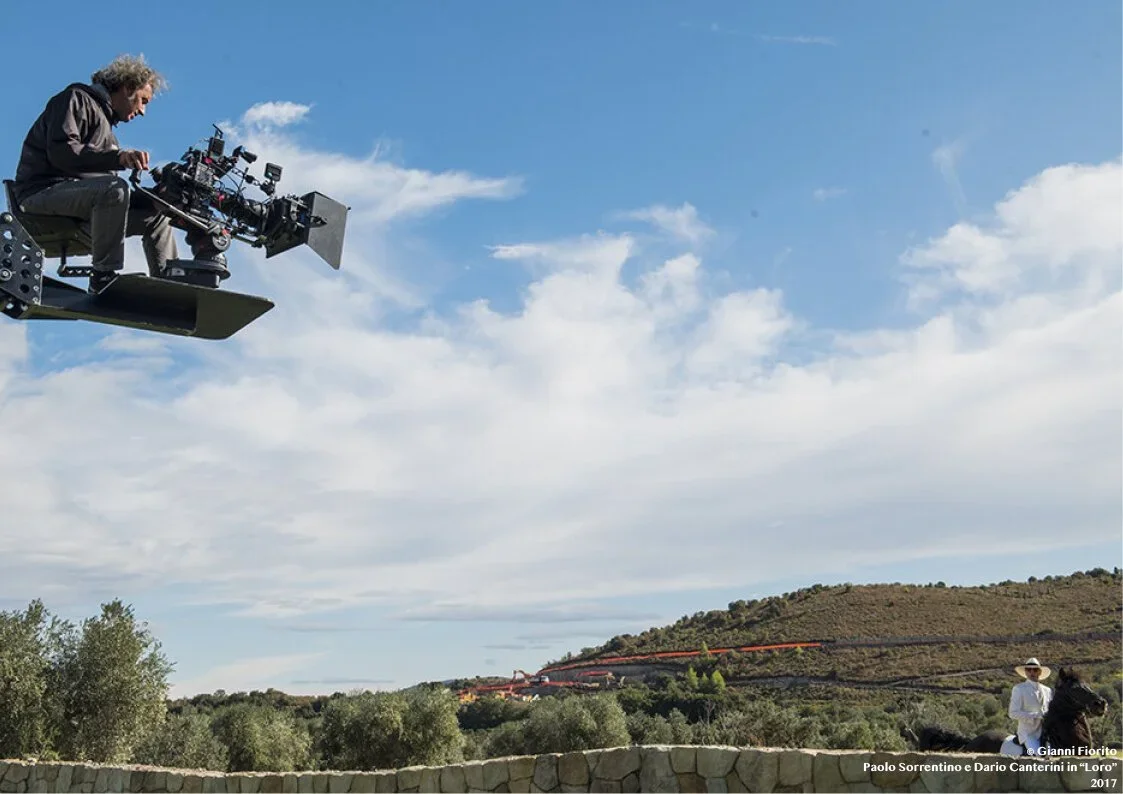
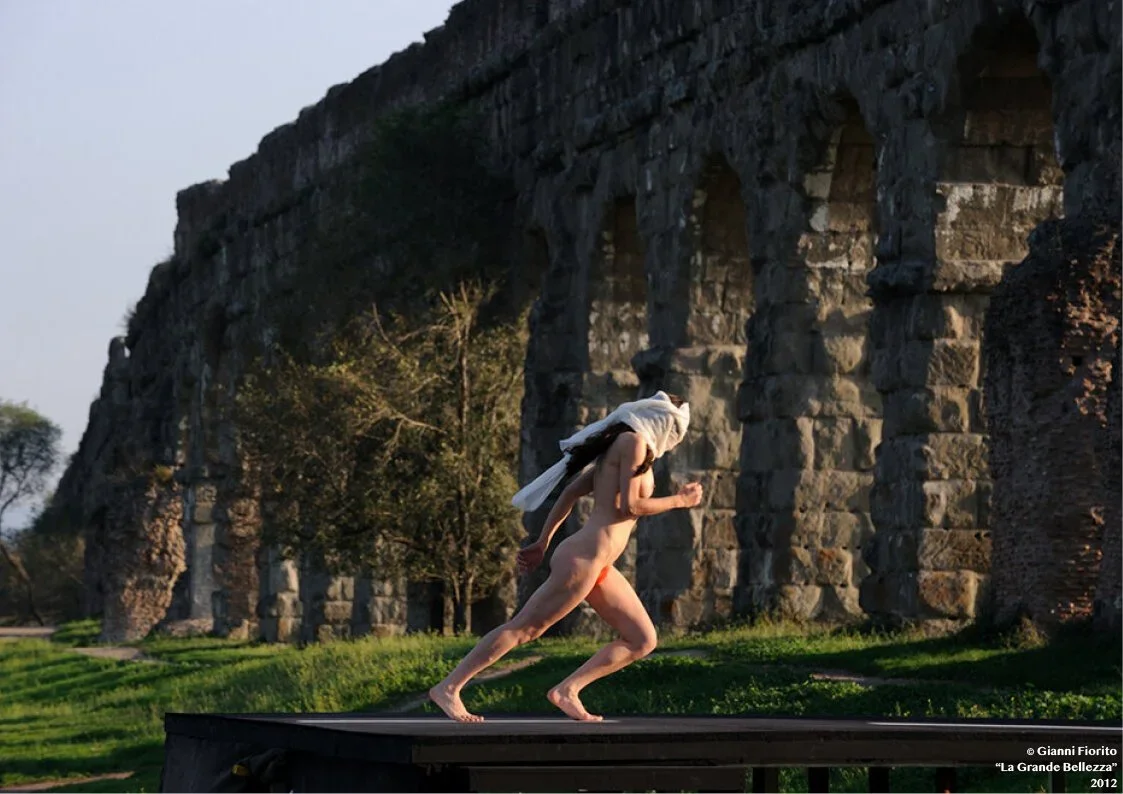
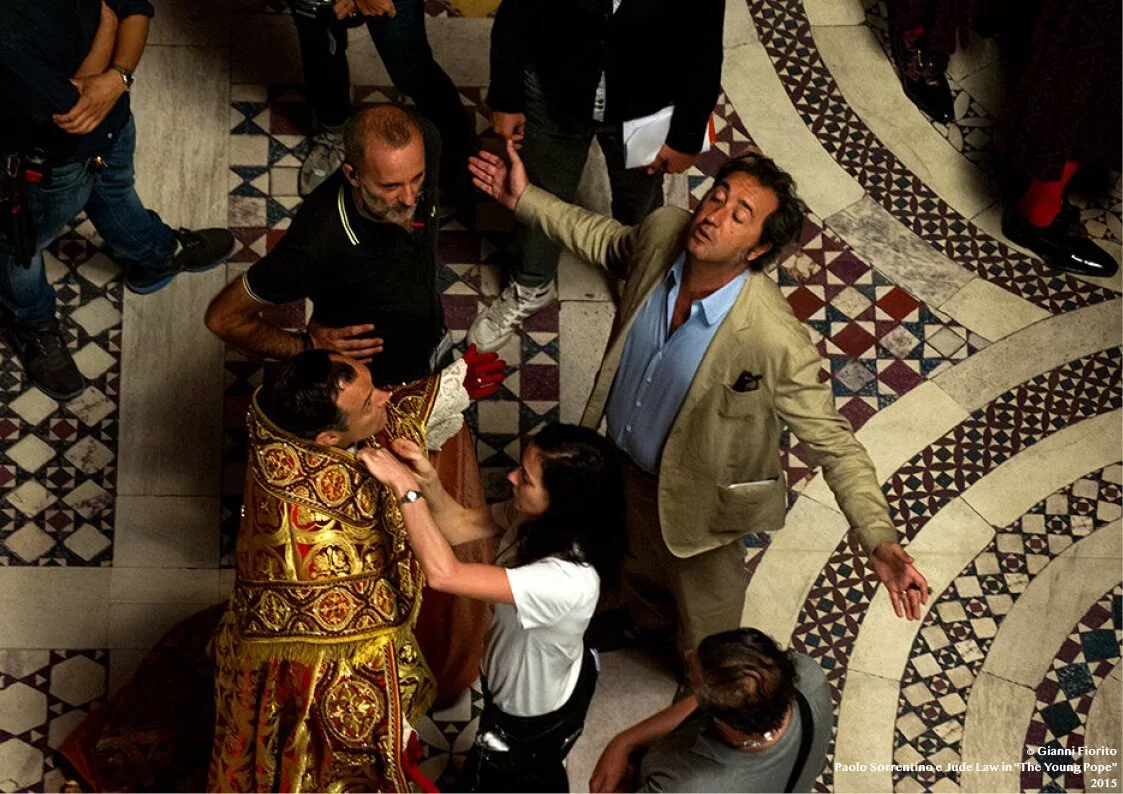
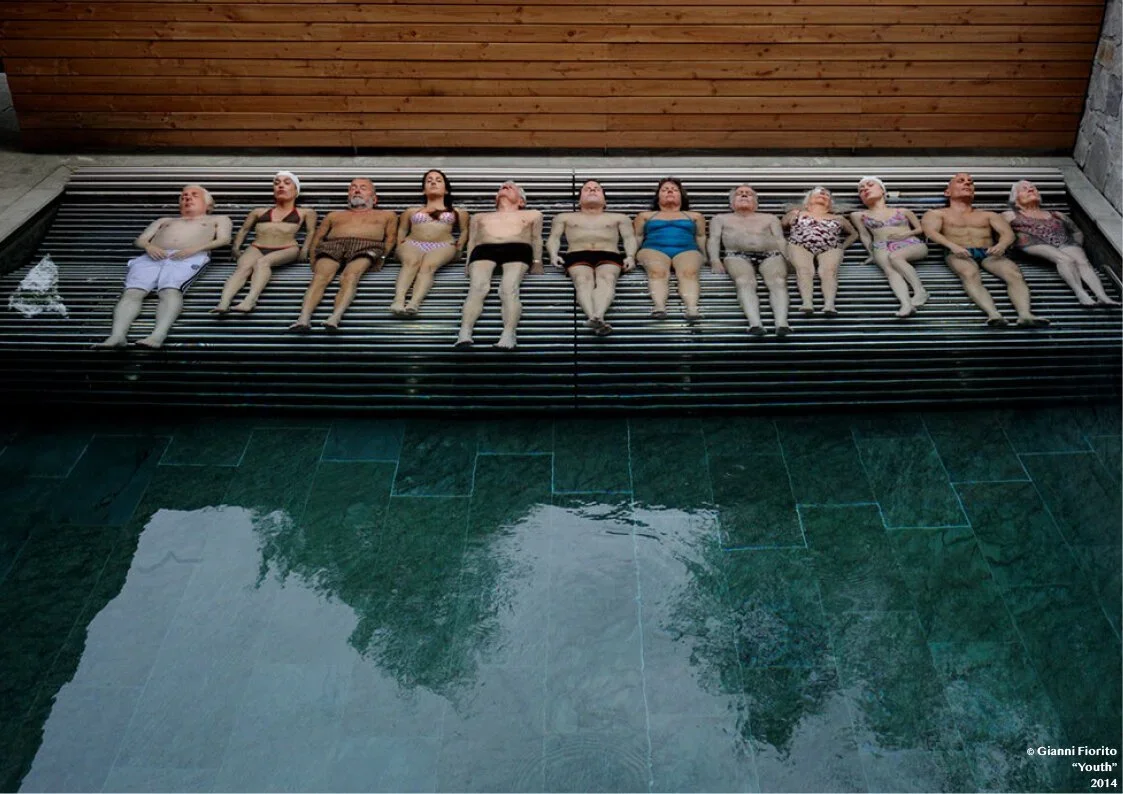
The Cinema of Paolo Sorrentino in the photographs of Gianni Fiorito Gianni Fiorito was born in Naples in 1959. Since 1980 he has been working as a photojournalist with particular attention to the complex Neapolitan reality, documenting, among other things, the camorristic phenomenon and widespread illegality, the social and urban reality of the suburbs, the decommissioning of the contemporary city and the transformation of the urban landscape. In the '80s he collaborates with the theatrical group "Falso Movimento" directed by Mario Martone; he founds and participates to the association of artists "Idra Duarte". Since 1990 he is enrolled in the Order of Journalists, beginning a continuous collaboration with La Repubblica and later with Il Corriere della Sera, he produces reportages from Italy and abroad for major national newspapers. From 1997 he collaborates to investigations and studies of the University of Naples "Federico II"; he teaches, at the Academy of Fine Arts of Naples, "Shooting techniques of the show photography".
From 1999 recovering the ancient passion he devotes himself more and more to the activity of cinematographic photographer of scene. We point out in this field the collaborations with Paolo Sorrentino ("L'uomo in più", "Il Divo", "This must be the place", "La grande bellezza", "Youth", "The Young Pope", "Loro", "The New Pope", "E' stata la mano di Dio"); Luca Miniero ("Benvenuti al Sud", "Benvenuti al Nord", "Un boss in salotto", "Non c'è più religione", "Cops" ); John Turturro (Passione); Tonino De Bernardi ("Appassionate"); Vittorio De Seta "Lettere dal Sahara"; Ivan Cotroneo ("La kriptonite nella borsa", "Un bacio"); Alessandro Siani ("Il principe abusivo", Mr. Happiness); Francesca Comencini-Claudio Cupellini (Gomorra-La serie); Daniele Luchetti (Lacci); Leonardo Di Costanzo ("L'Intrusa", "Dall'interno"); Terrence Malick ("The Last Planet").
2022 - Cinzia Camela
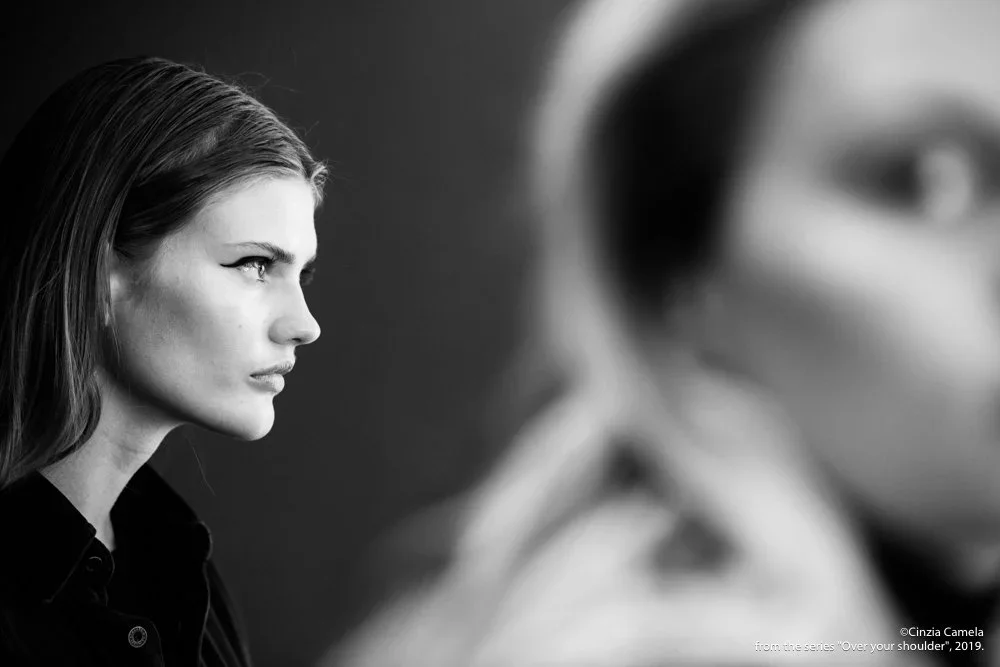
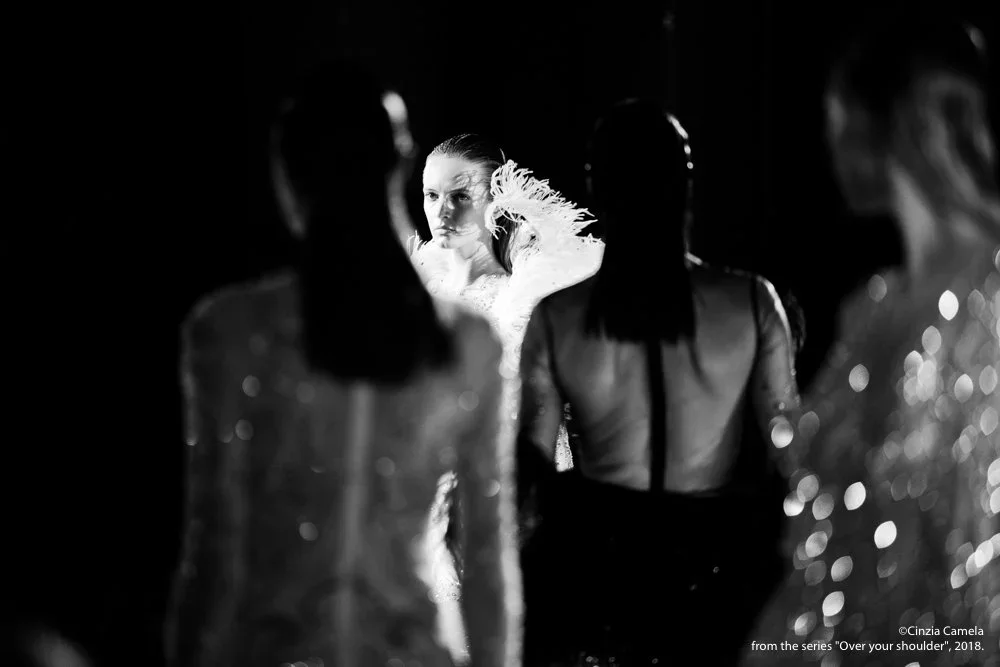
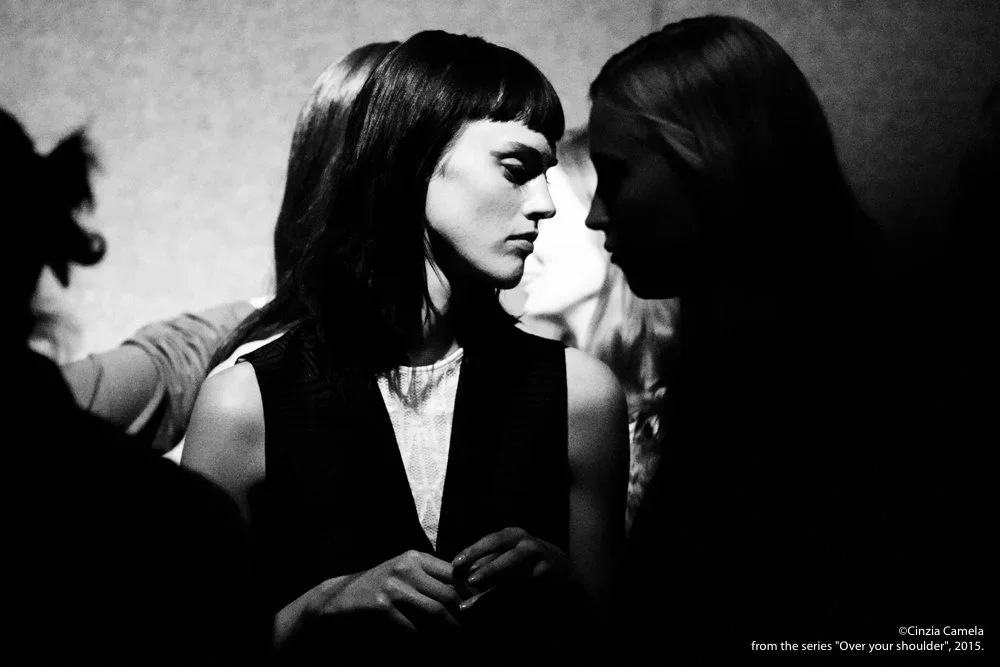
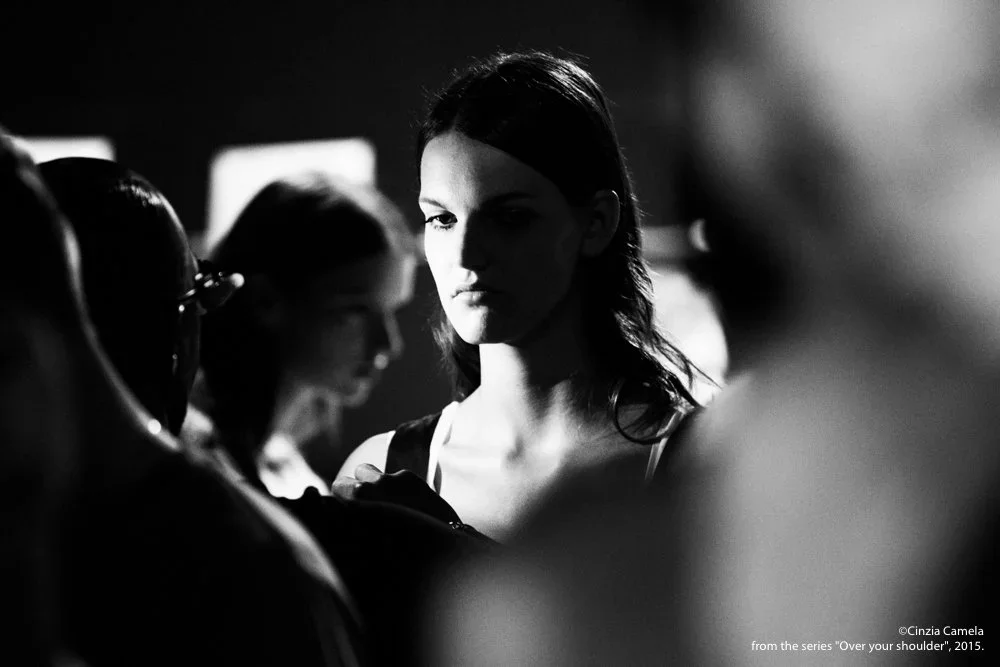
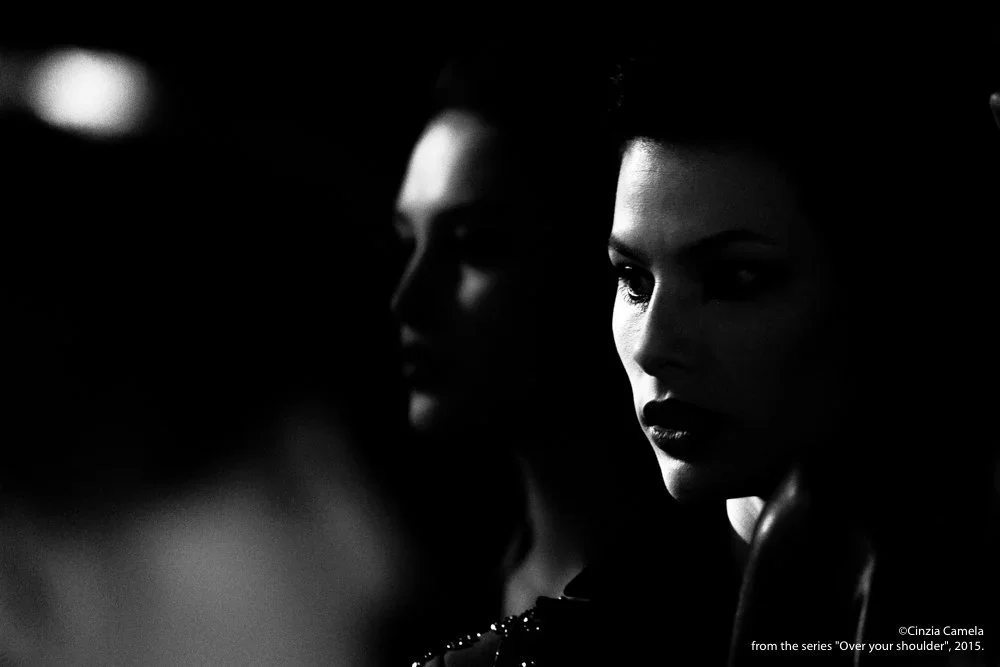
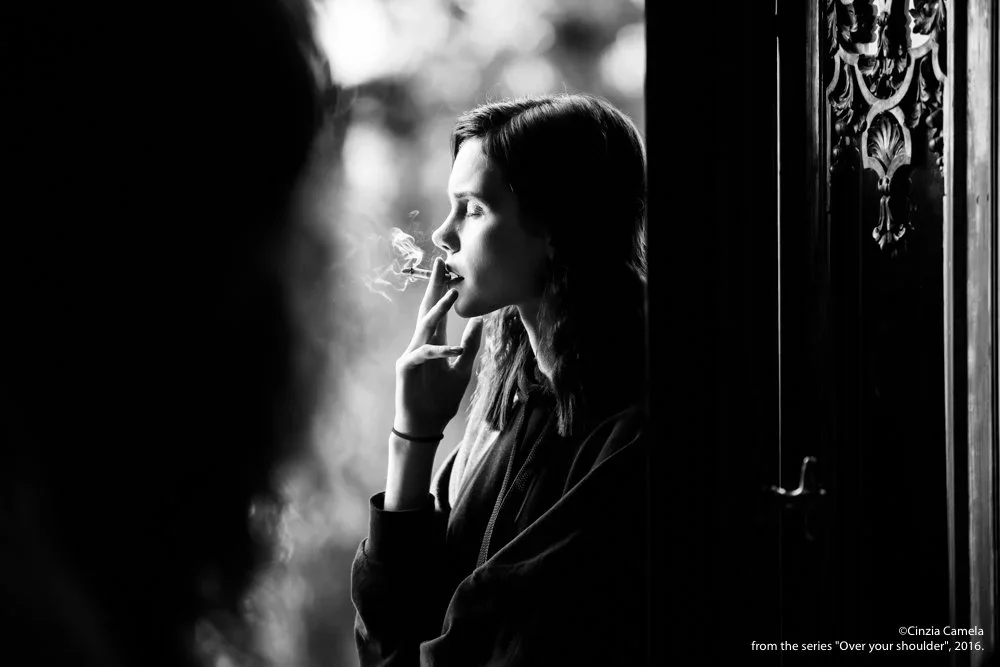
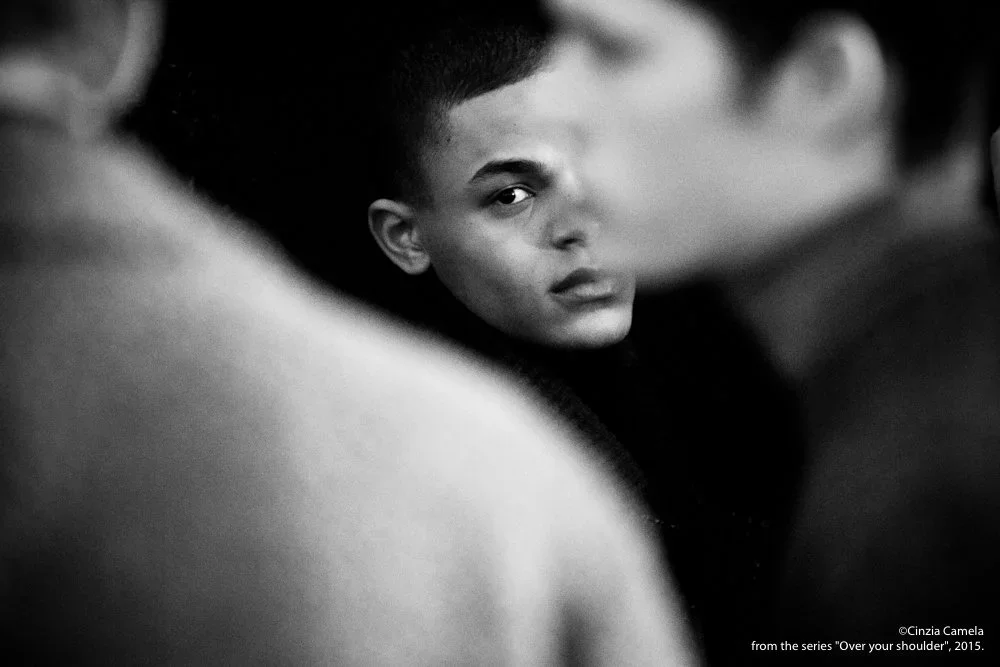
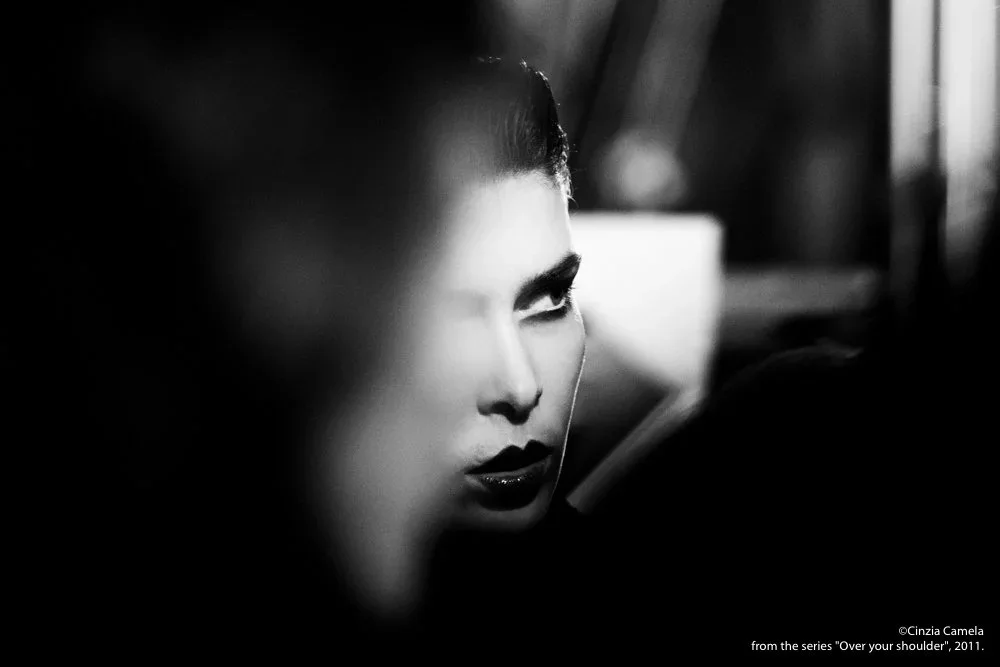
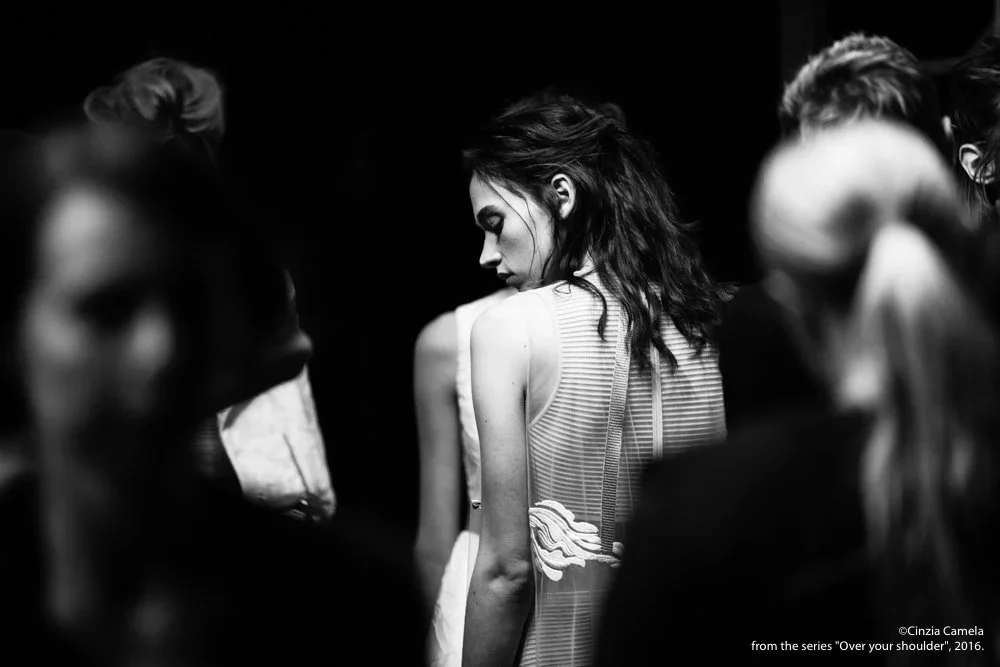
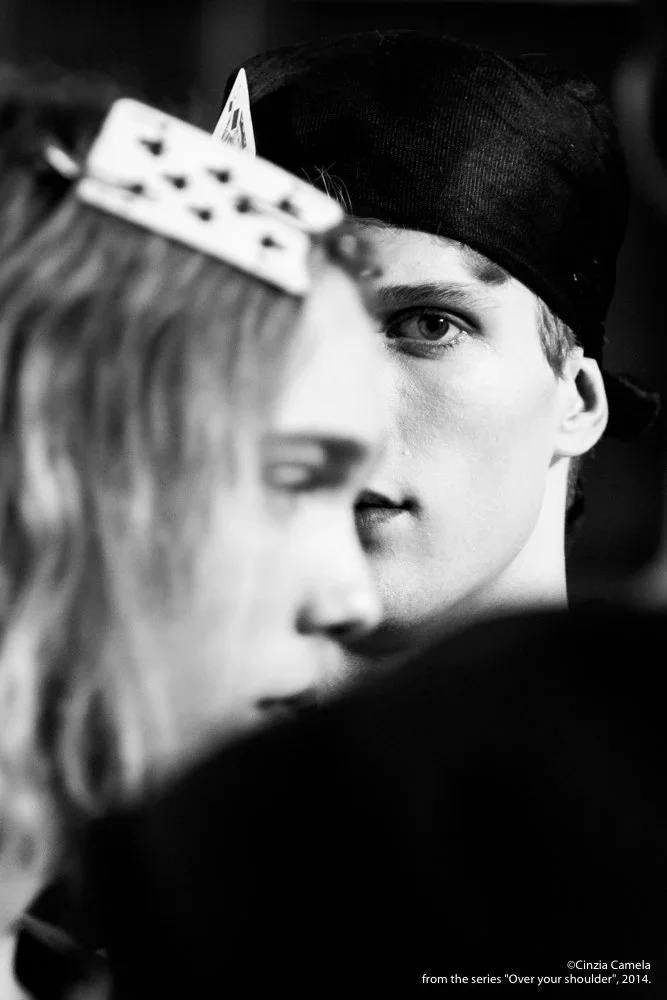
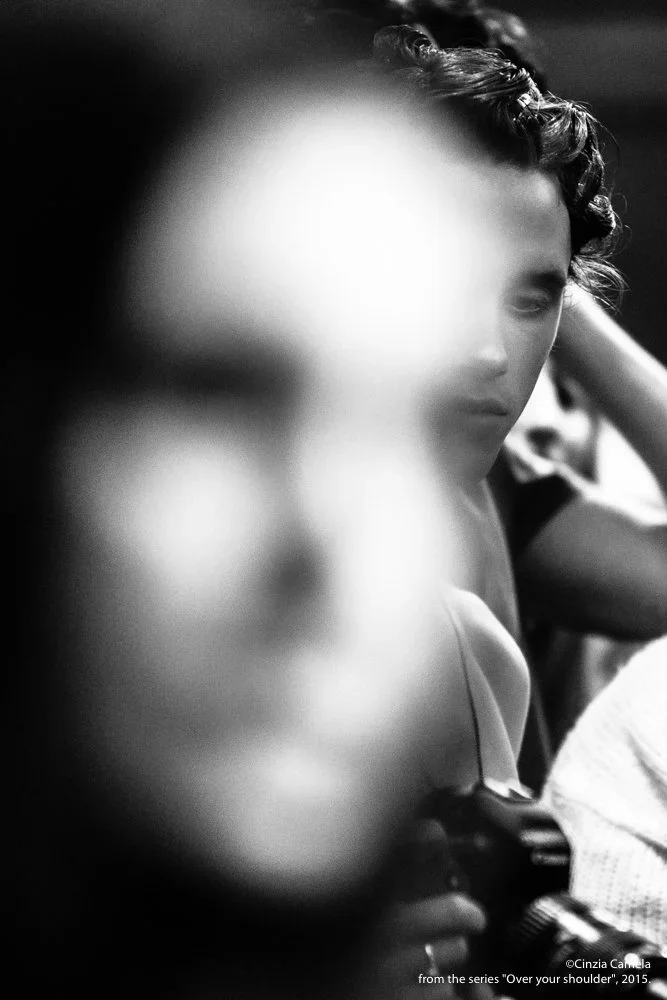
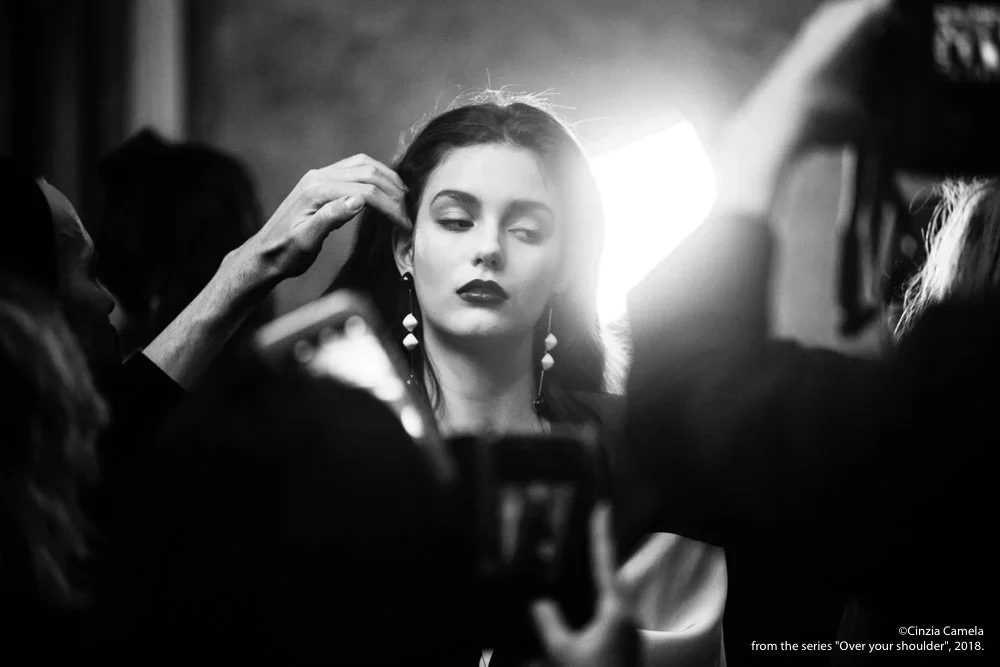
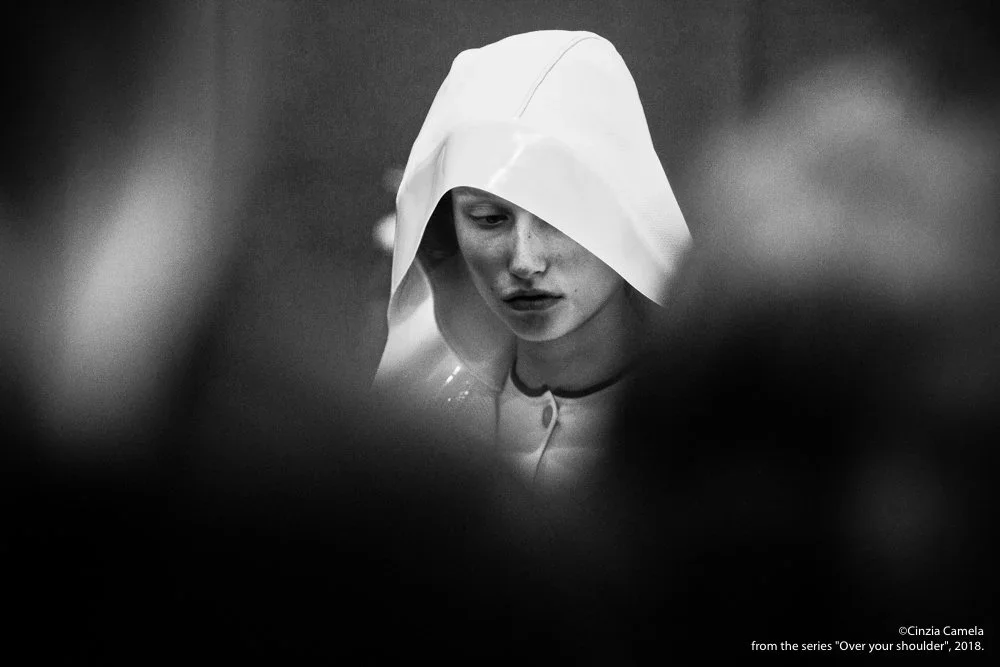
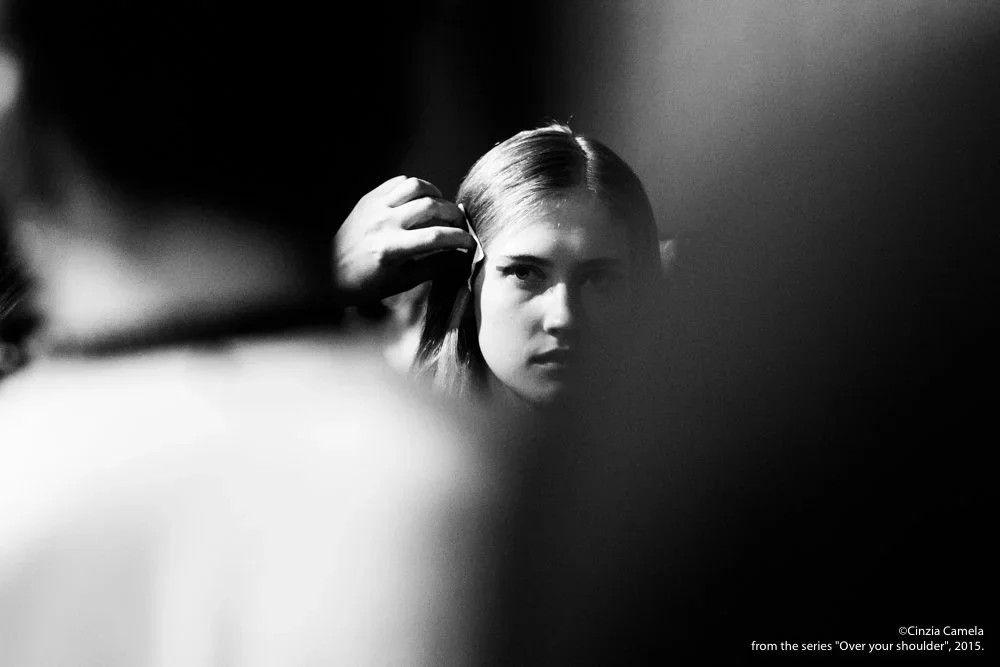
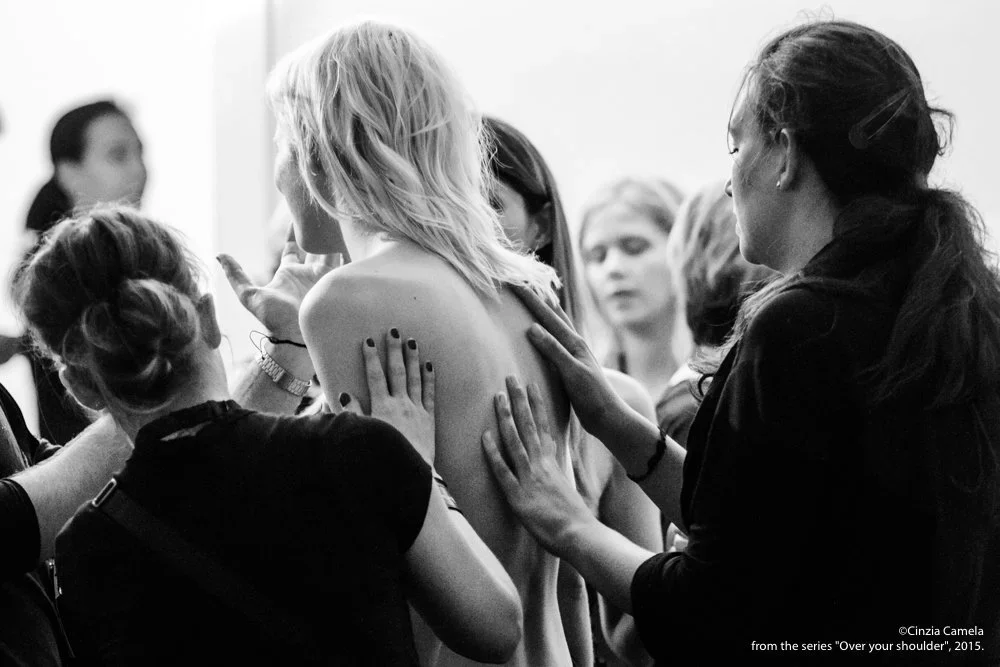
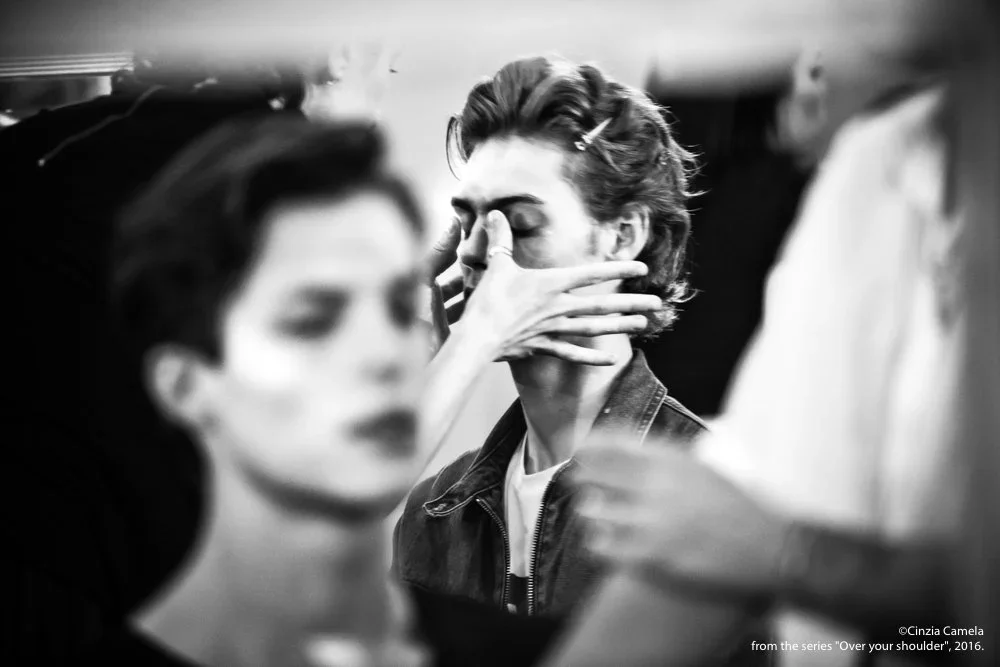
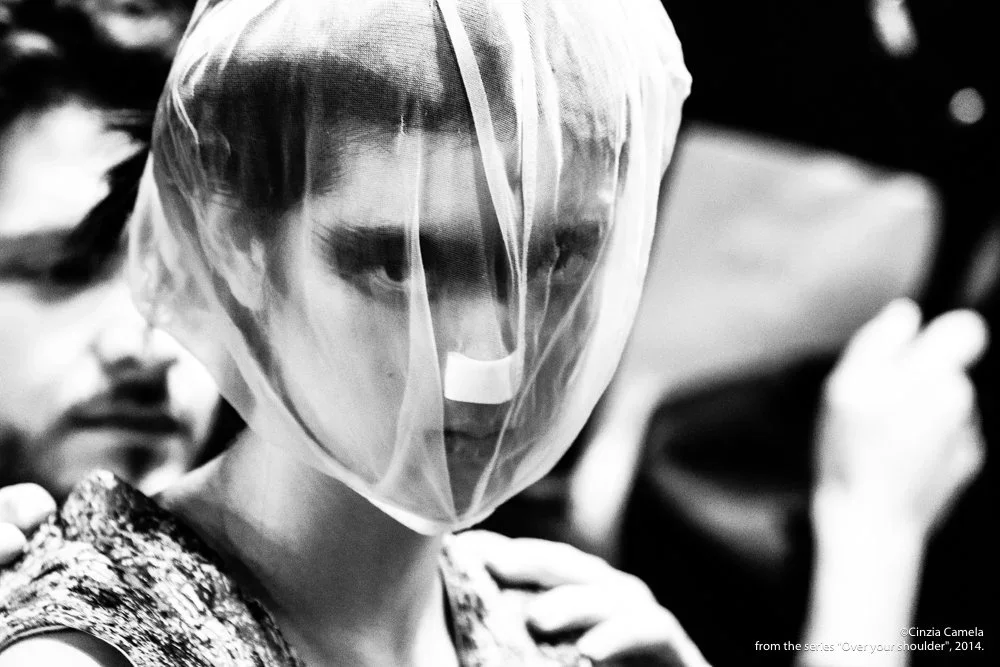
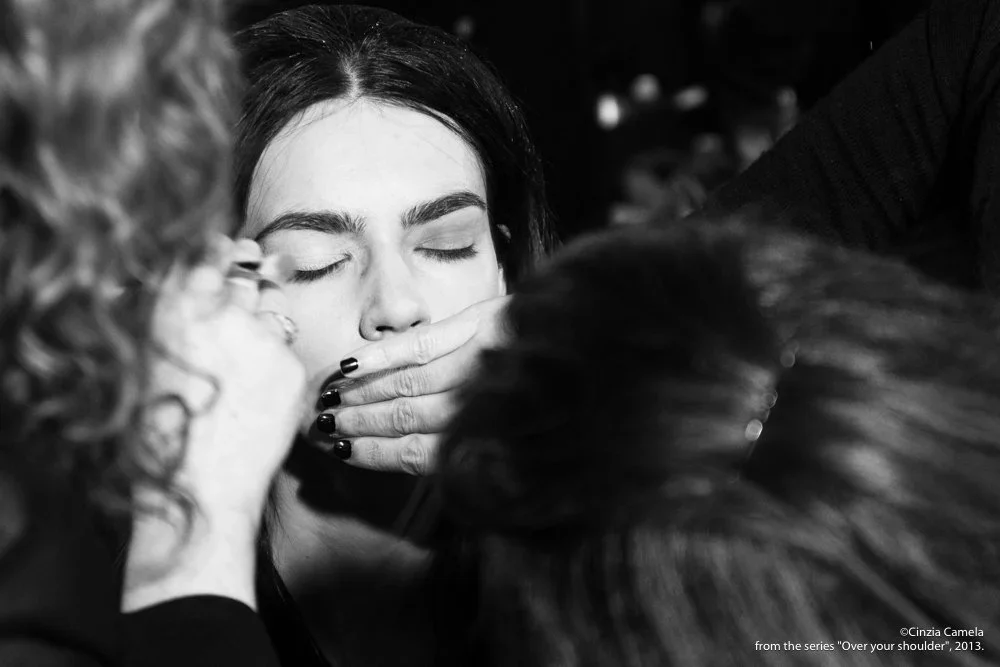
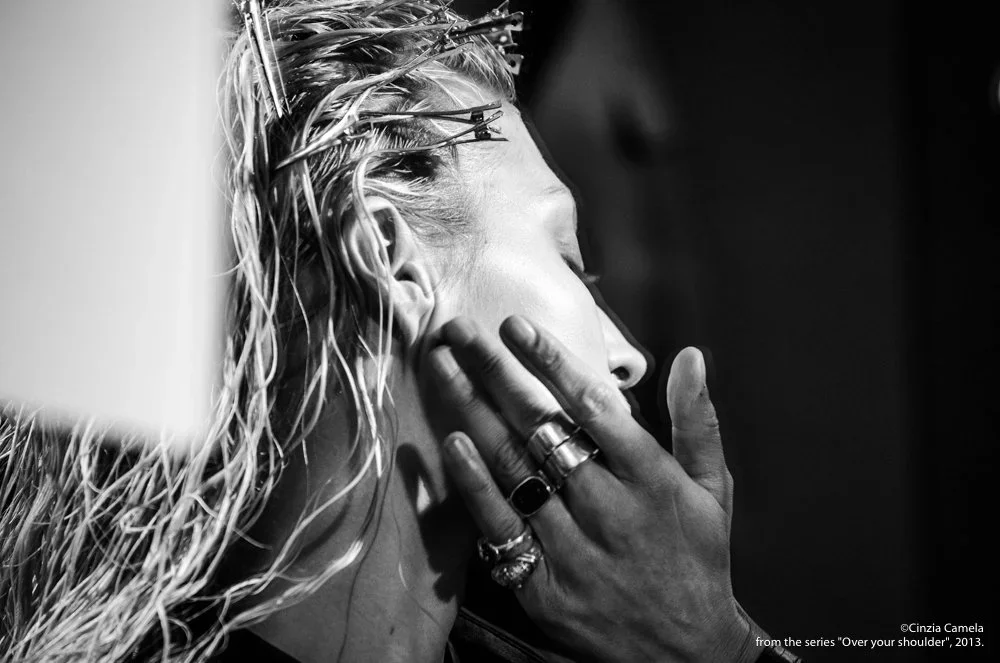
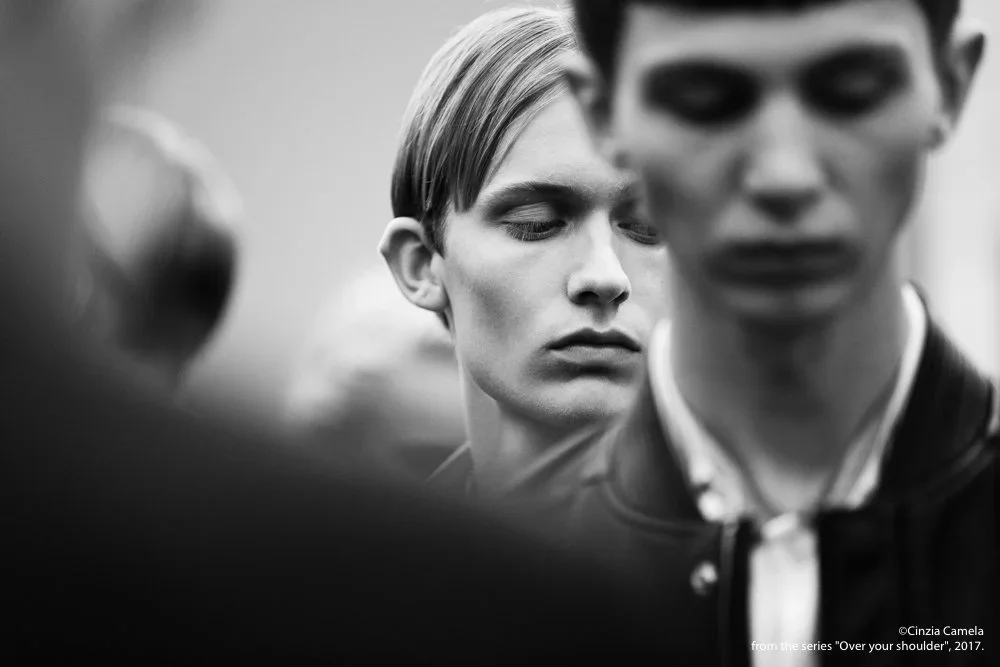
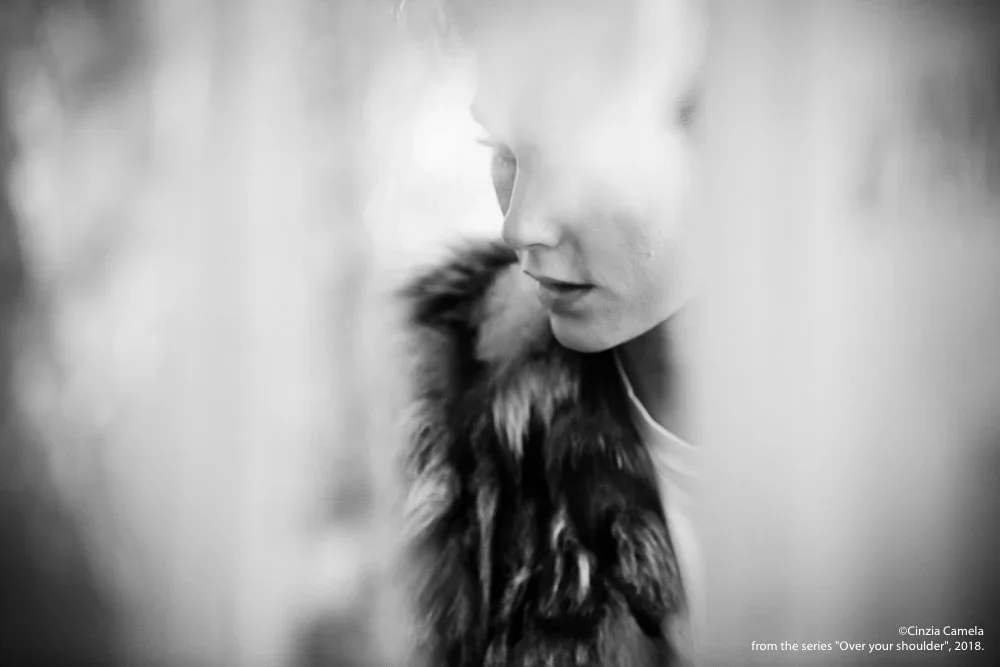
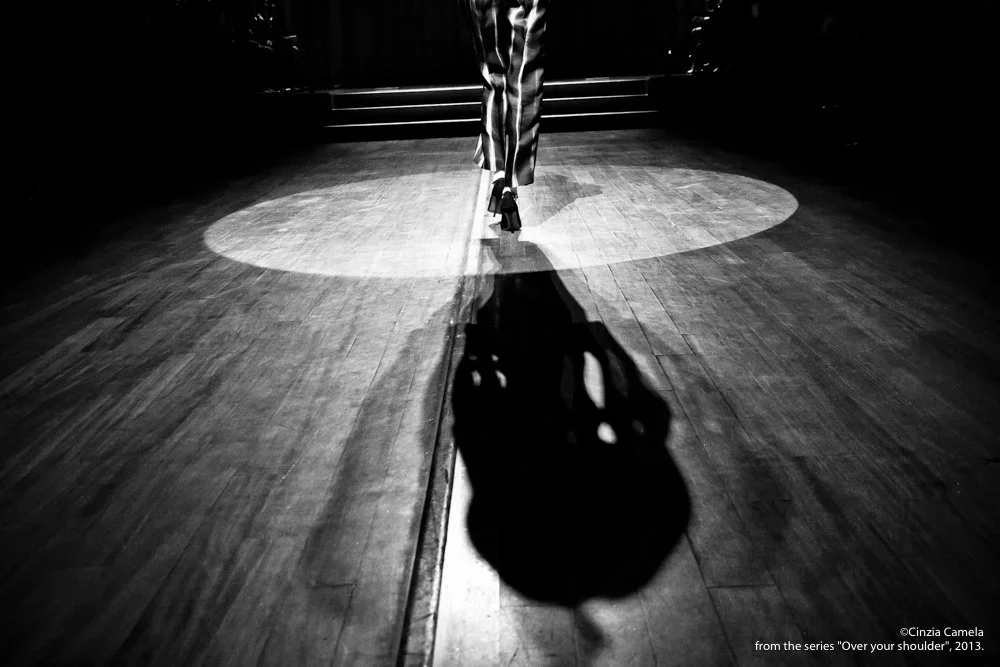
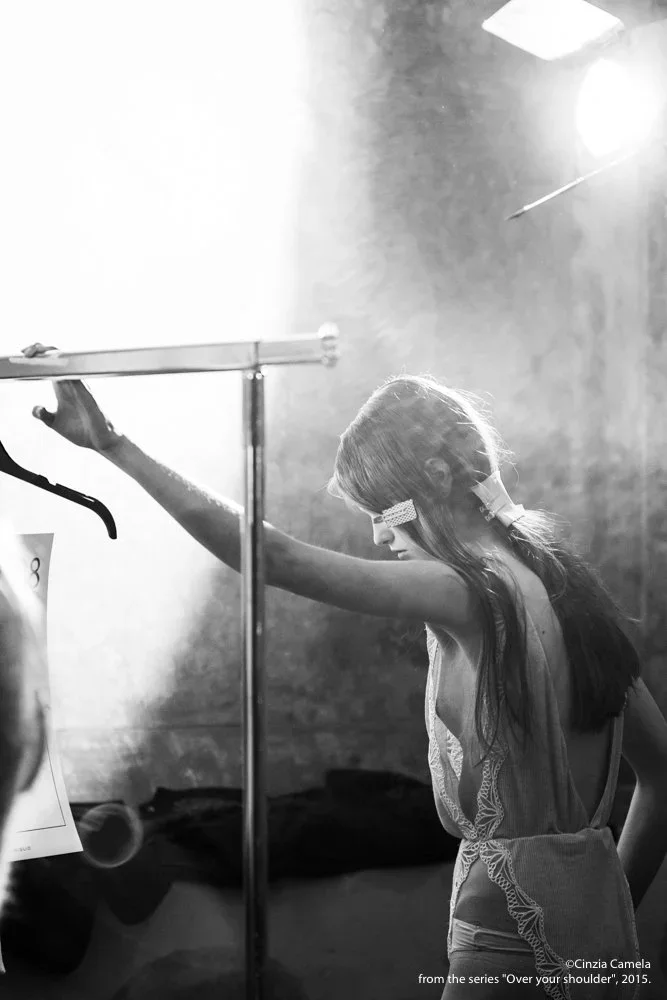
Cinzia Camela was born in Ascoli Piceno and began photographing at the age of 17 with a manual reflex camera borrowed from her father (never retuned), to document the Italian International Tennis Championships in Rome.
In 1993 she is already working as a professional, collaborating with a publishing house in the Marche region that deals mainly with publications on the territory and video.
Among the most important events of this period is the group exhibition curated by Eleonora Olivetti and Giuliana Scimé “Immagini per una campagna elettorale” in 1994, the year in which an epochal change in the history of Italian politics was sensed. This was followed by an exhibition at the Ken Damy museum in Brescia, which then travelled to various Italian cities, and the 1st Canon prize for the best sports photo, a competition organized by PHOTO ITALIA magazine.
In 2003, through an agency in Milan, she approached fashion photography, working backstage at haute couture and pret-à-porter fashion shows, as well as cinema photography, appearing on the red carpets of the main festivals of the sector, Cannes, Venice, publishing her work in major Italian and foreign magazines.
2009 is the year of her first solo exhibition in Naples at the gallery Al Blu di Prussia: Beyond the screen. Snapshots from film festivals, curated by Mario Pellegrino, images made in the first ten years at the Venice and Cannes Film Festivals and the beginning of a collaboration as Voguistas, "Vogue Italy".
Many are the national and international awards won by Cinzia, as well as solo exhibitions in Italy and abroad, in various galleries, until Beyond the screen, as part of the celebrations of Matera European Capital of Culture 2019, invited by Matera International Photography, in the former San Rocco Hospital, curated by Valentina Rippa and Mario Pellegrino, under the patronage of MIBACT, t Fine Arts and Landscape of Basilicata, later exposed also in Sorrento, at Villa Fiorentino, promoted by the Sorrento Foundation.
In 2021 she was chosen by Gucci to photograph the fashion show in the film Aria, shot on the occasion of the centenary of the fashion house.
This selection of photographs, curated by Maria Savarese, traces Cinzia Camela's years of work backstage at fashion shows. Over your shoulder is, in fact, a specific pose that is asked of the subjects, who, portrayed from behind, turn their gaze, raising it over their shoulder, towards the person portraying them. All the artist's poetic emerges in these works, her conception of each backstage as the beginning of a performance, of a search for new aspects and sides while remaining in the same context; the waiting for the perfect moment when, in the midst of the confusion and the hustle and bustle, she can catch that thousandth of a second in which she can photograph the person and not the character, isolating them, as if all around was only silence, emptiness and intimacy.
2023 - Denis Piel - Padièscapes
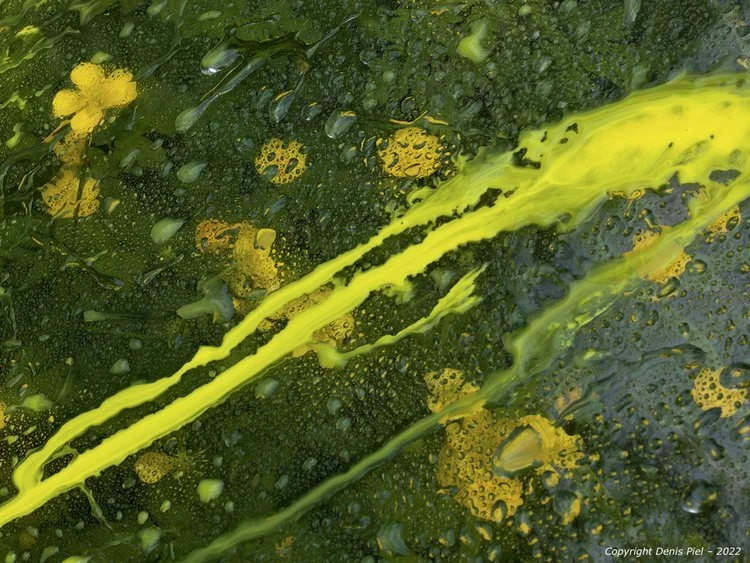
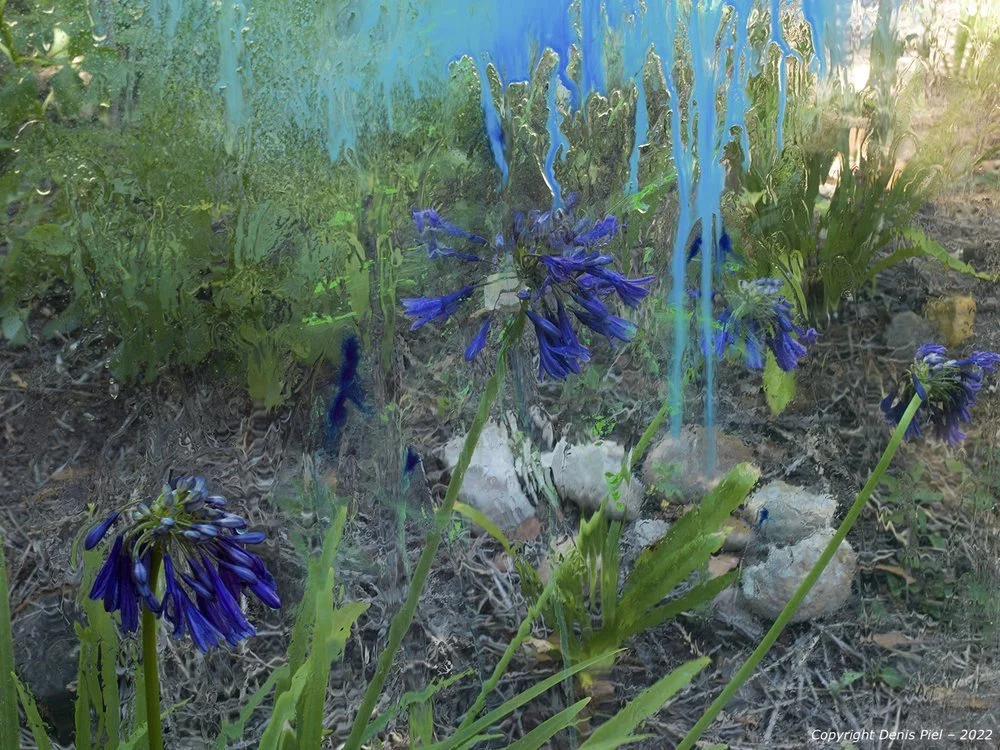
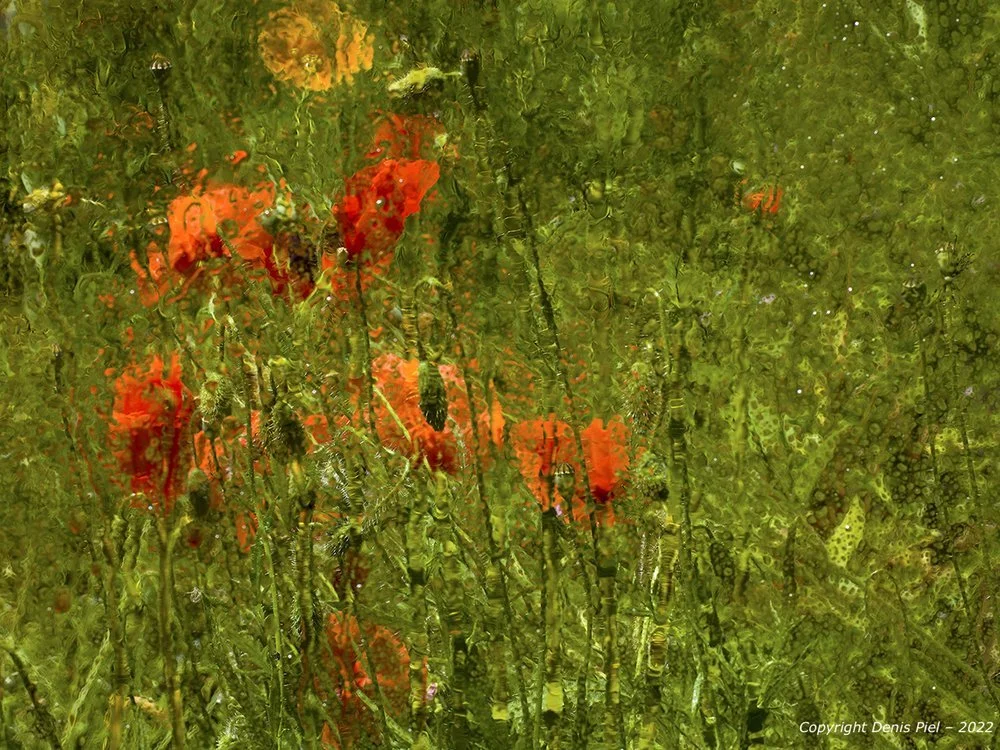
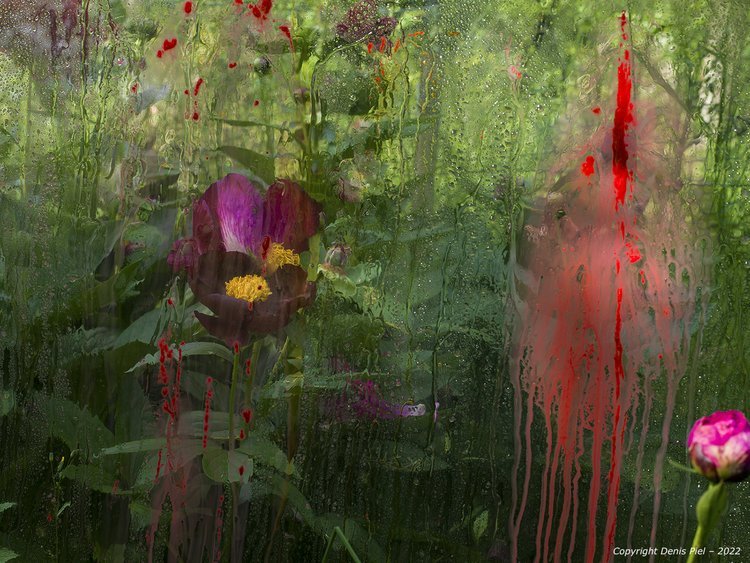
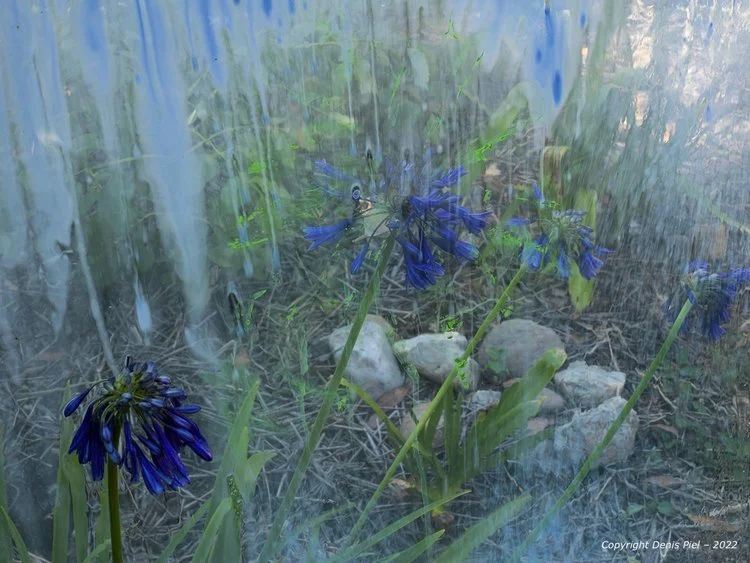
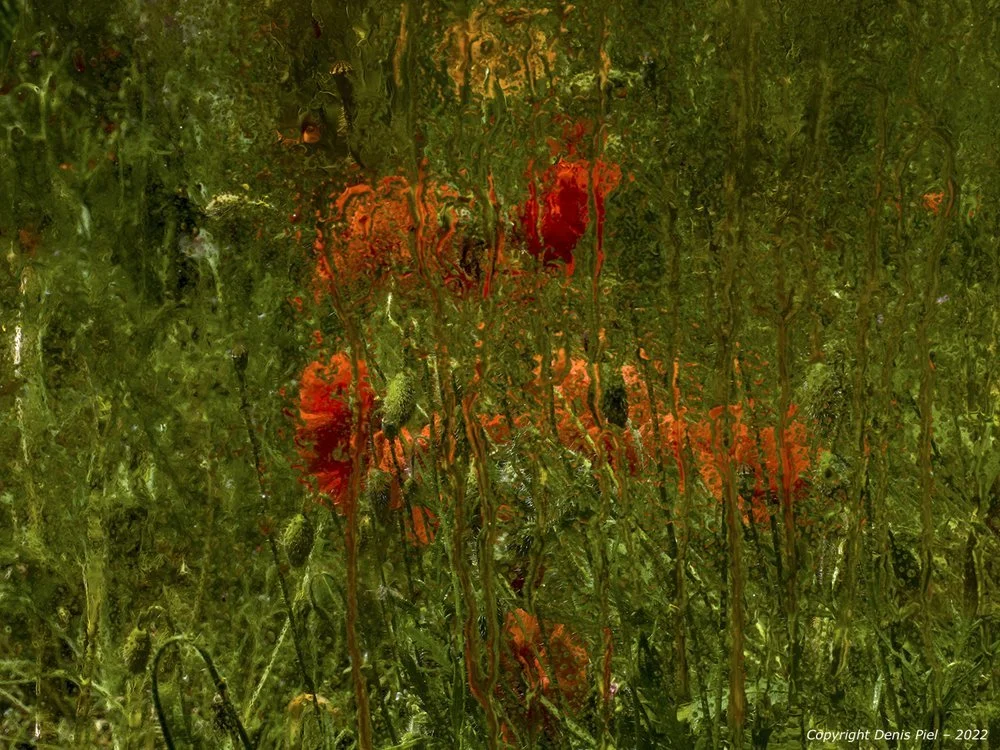
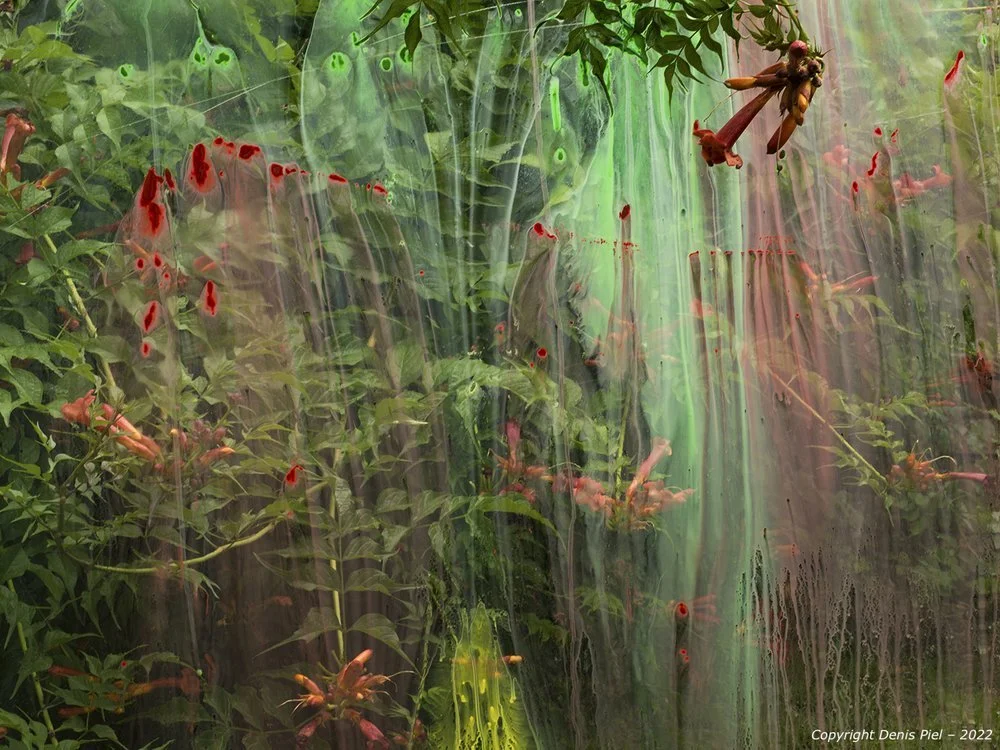
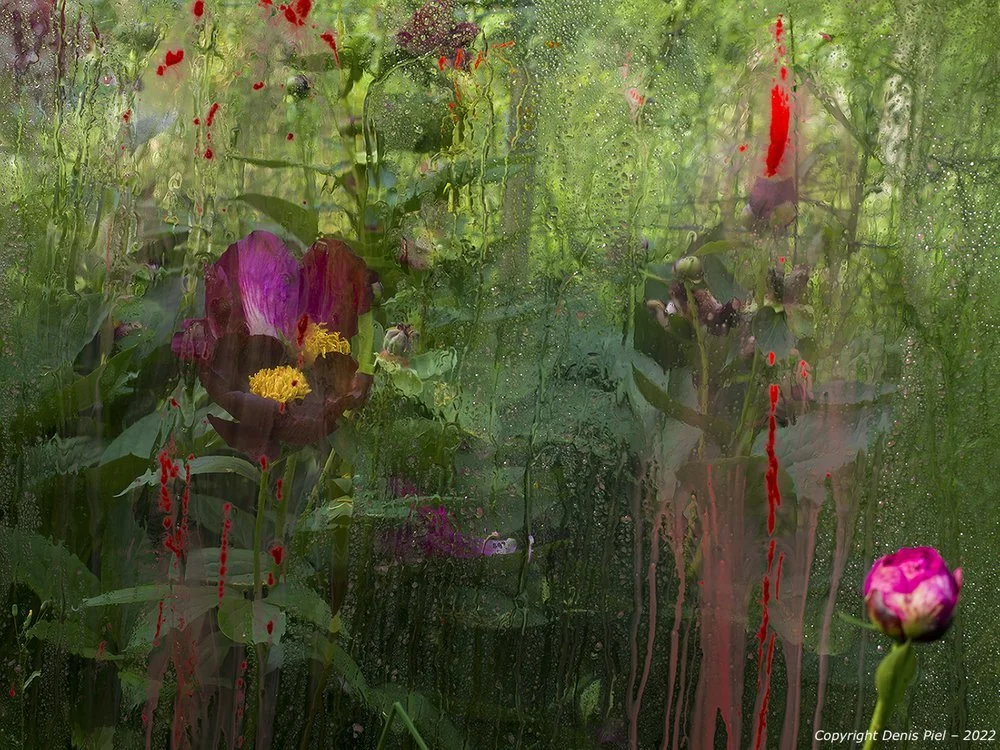
Photography is often an attempt, perhaps the last, to make sense of things, to recompose them through a creative discipline. It represents the place where, at that precise moment, disorder comes to a halt, after the invasion of desire or the pain of loss.
It was Jacques Lacan who showed us the difference between reality and what is real. In the ordinary flow of reality, beautiful or ugly, there is a repetition, a "reassuring" return of the same, a presence of objects to which we give the confidence of stability. The real, on the other hand, is what upsets this picture, something that exceeds and wakes us up from the indolence of materiality.
In this groove can be placed the recent photographic projects of Denis Piel, whose art has always told stories, through images that are never an end in themselves, but rather conceived as plots of life, traces of possible existences.
Born in France in 1944, raised in Australia with studies in the United States, Piel is an internationally award-winning photographer and filmmaker whose work is in the permanent collections of the Victoria and Albert Museum in London and the Museum of Fine Art in Boston. Recognized primarily for his contribution to fashion photography in the 1980s, working for Condé Nast, he shot more than 1,000 features in a decade for the American, German, Italian, French, and English editions of "Vogue," for "Vanity Fair," "Self, Gentlemen's Quarterly," thus interpreting the evolution of costume and society over time.
After the tragedy of Sept. 11, 2001, he decided to move with his family permanently to Lempaut in southwest France, living and working at the Château de Padiès, a Renaissance château under restoration since 1992, turning his attentive gaze to nature and the work of the land.
Thus were born the two photographic projects Down to Earth and Padièscapes, presented at Villa Pignatelli - Casa della Fotografia, in Naples, for the first time in an Italian public museum, which are to be conceived as a true hymn to life and the entire cycle of existence.
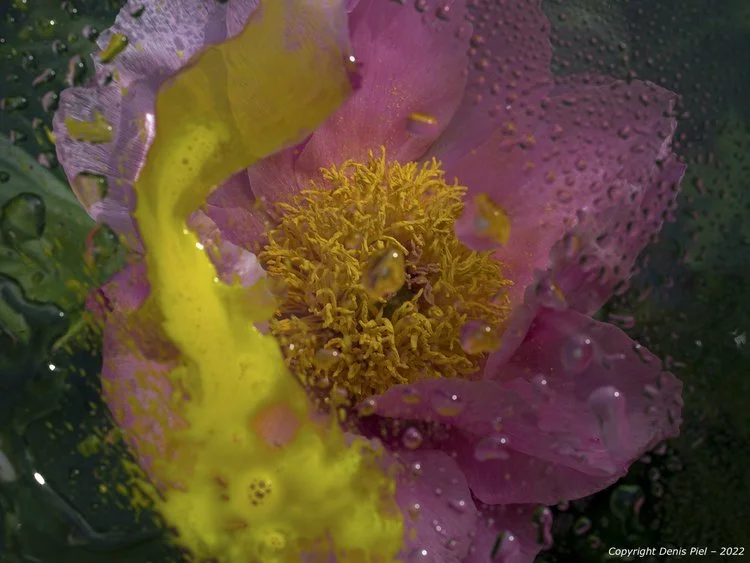
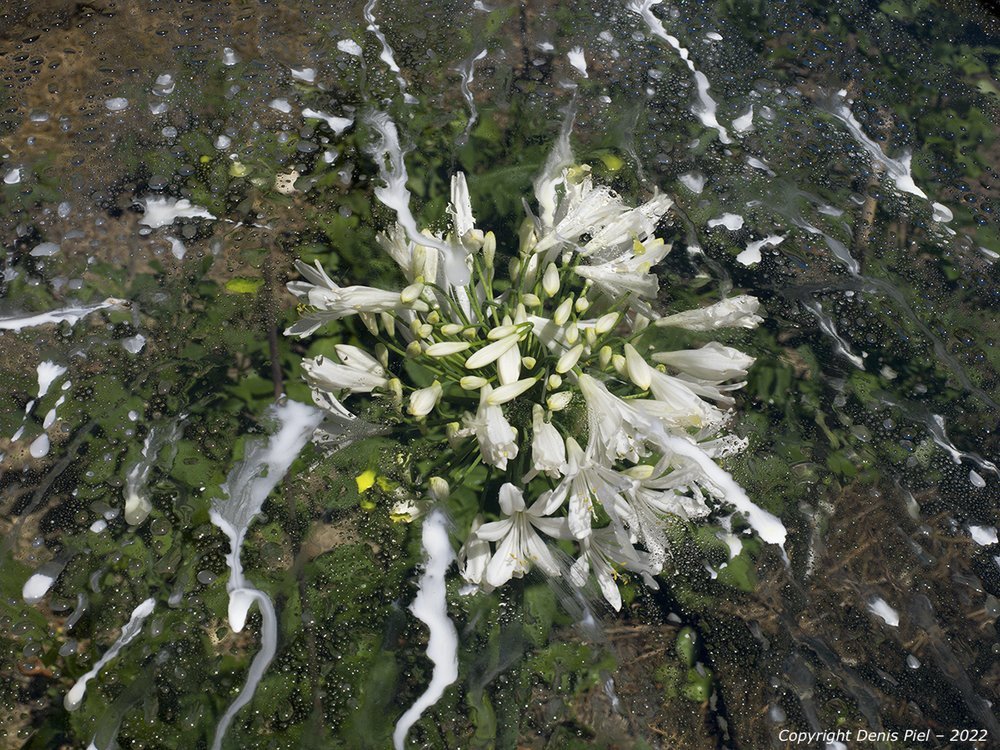
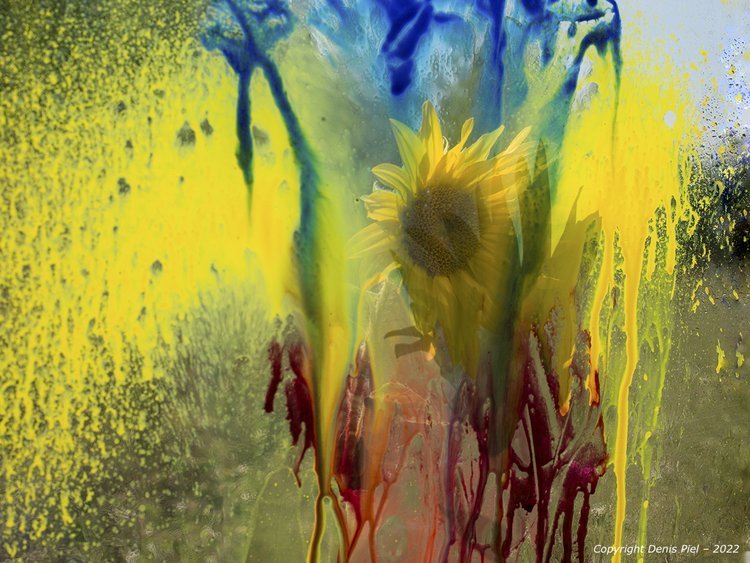
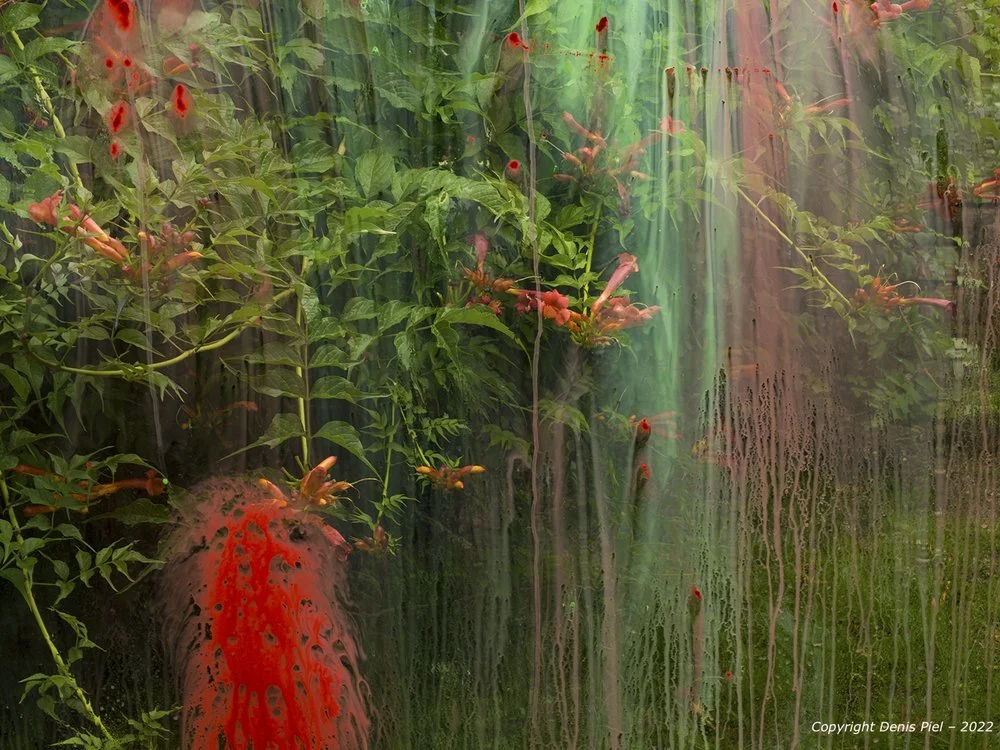
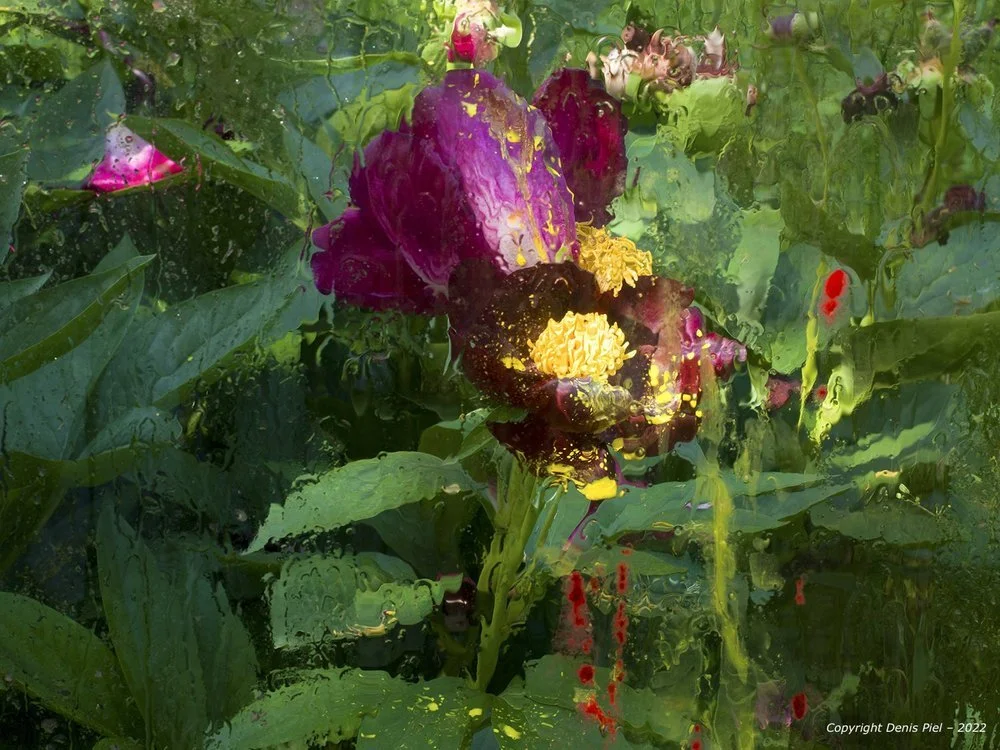
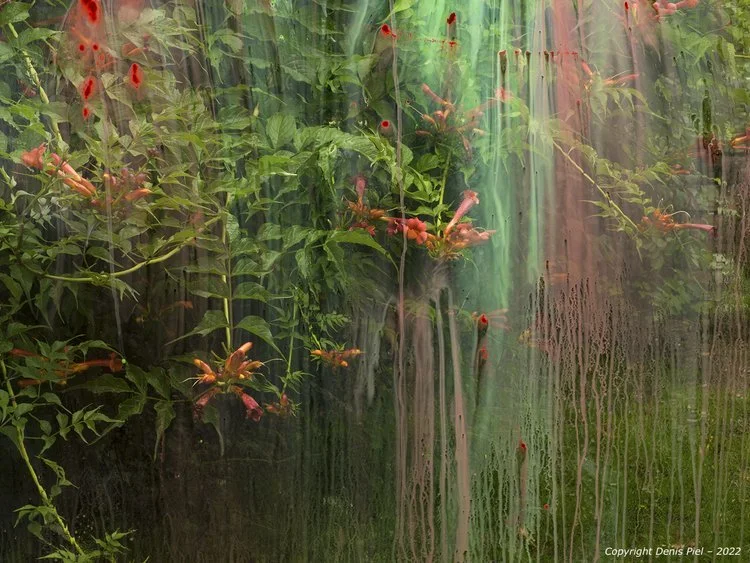
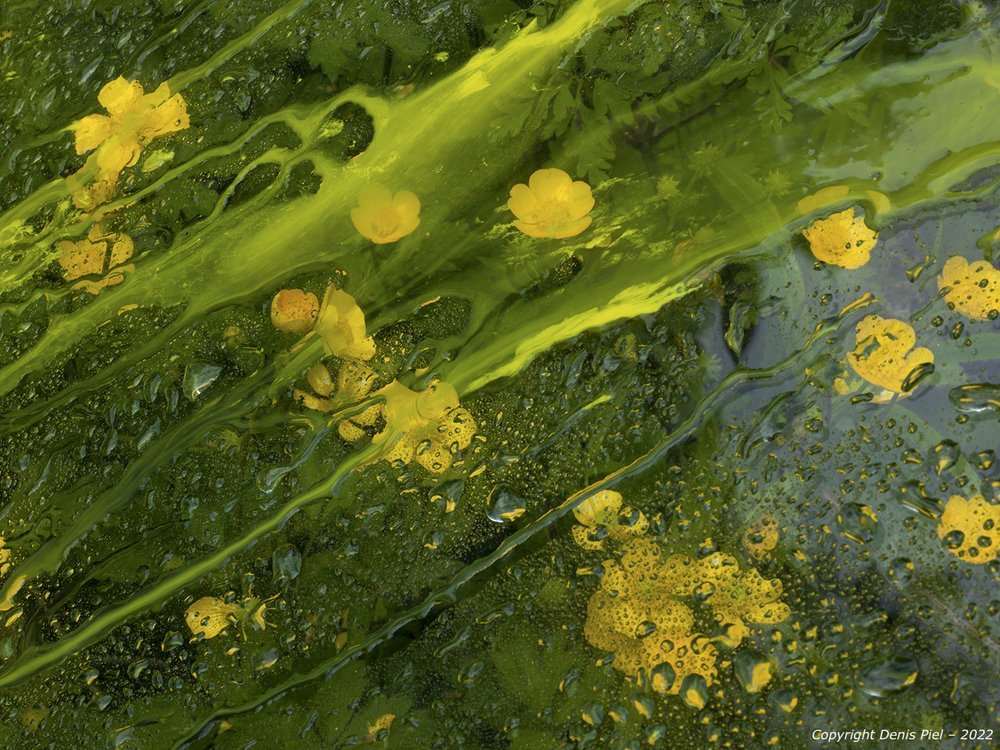
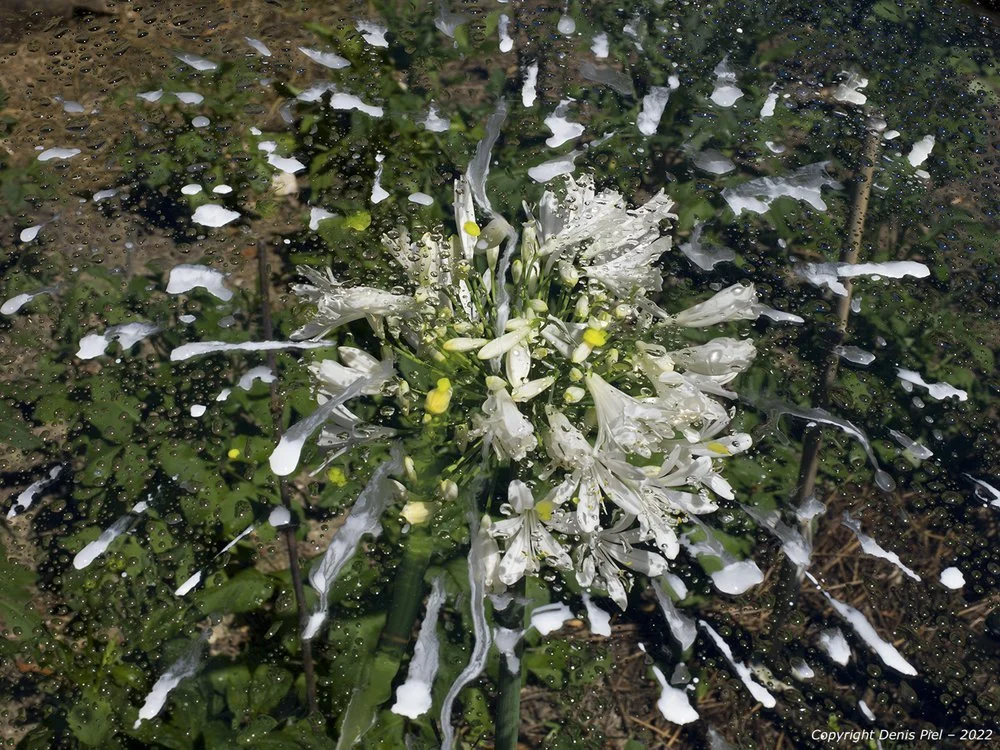
For Photo Shelter 2023 Maria Savarese selected a nucleus of photographs from Pàdiescapes, in which the artist focused on a specific aspect: water combined with images of flowers.
Using a plexiglass cube filled with water as a tool, in fact, by mixing colors, almost like a child's game, Piel managed to achieve three-dimensionality, and, as he himself says, regain "that innocence to which so many artists would like to return."
The images appear as true pictographs, triumphant still lifes of ancient memory, which seem to offer the artist the opportunity to fulfill a challenge between technology and a return to the manuality of photography making, through the subversion of space-time and the choice of an element, light, which allows us to travel from the smallest detail of a flower, to a more distant and intangible dimension.
A photographic quest, his, that makes us realize how much, as we explore the environment, our attention stops on certain objects creating a territory of affective markings and aesthetic indexing that will remain wrapped in a temporality that includes the past in the form of memory and the future in the form of expectation.
A plant or a flower, as well as a meadow, are aesthetic constellations that trace, by inhabiting it, the map of our evocative objects.
Michel Foucault said that "the smallest particle is at the same time the totality of the world." A heterotopia par excellence, a place where multiple imaginary spaces coexist, nature is a mythical and real contestation of the space in which we live.
Maria Savarese
2024 - Alfa Castaldi
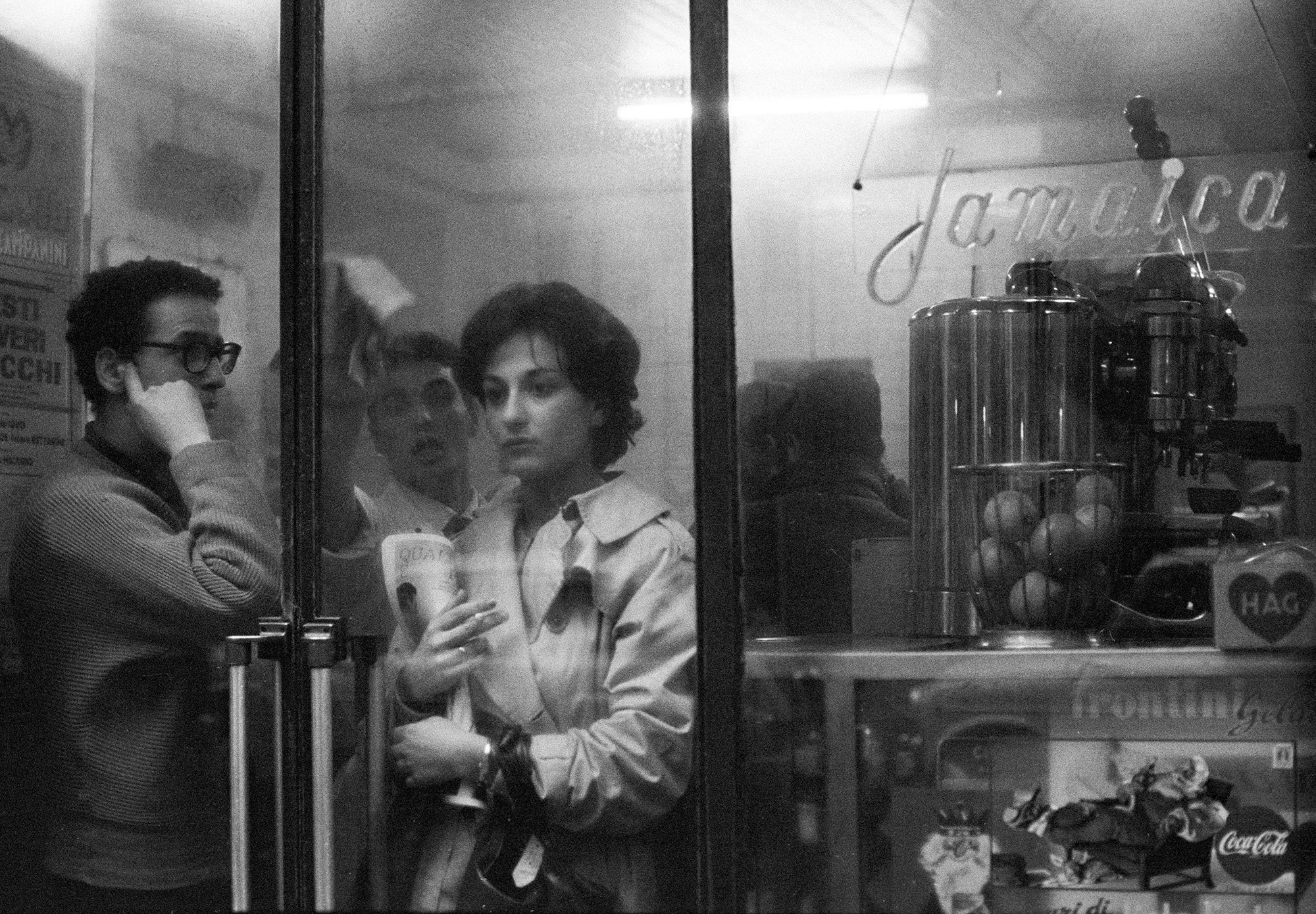
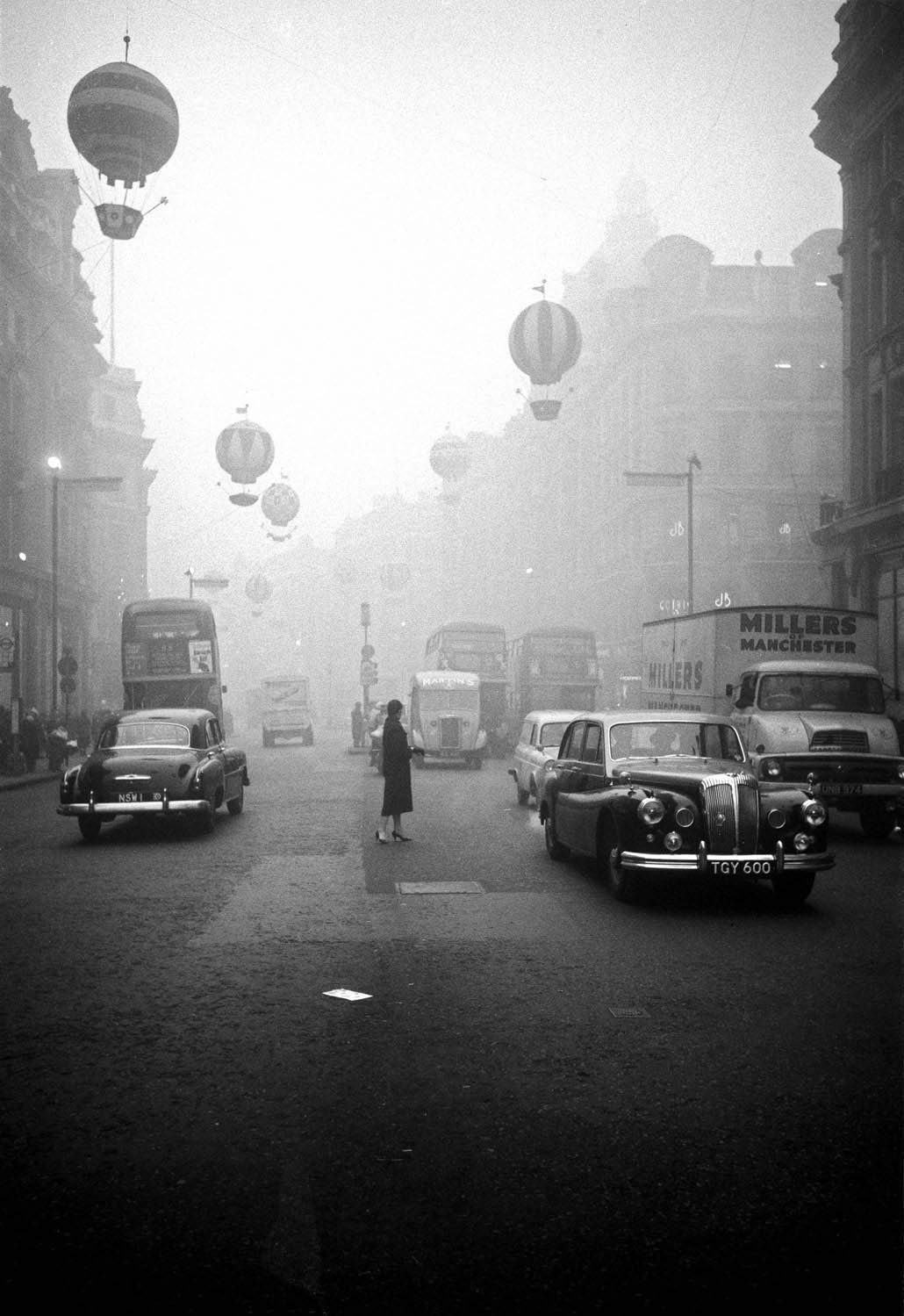
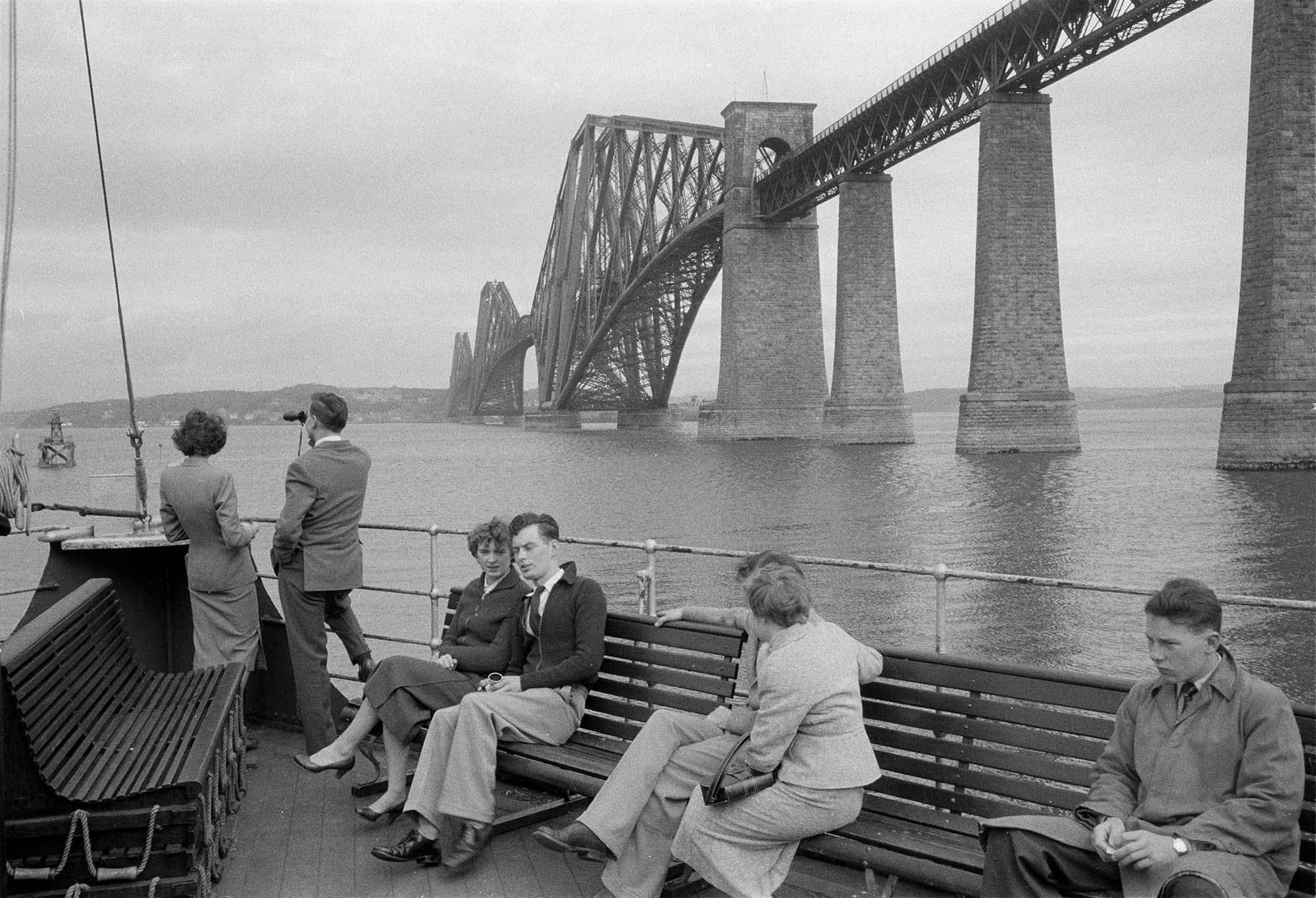
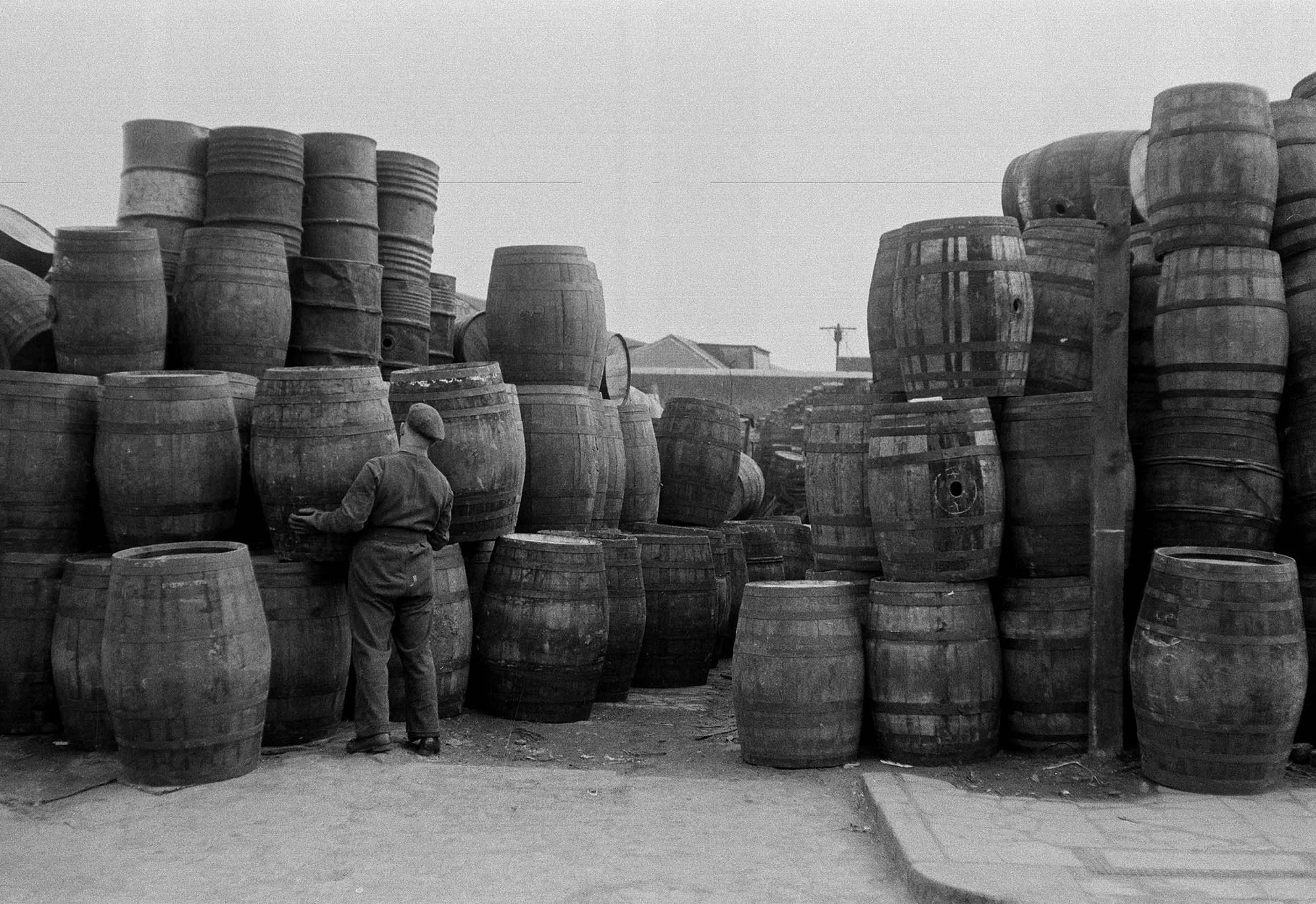
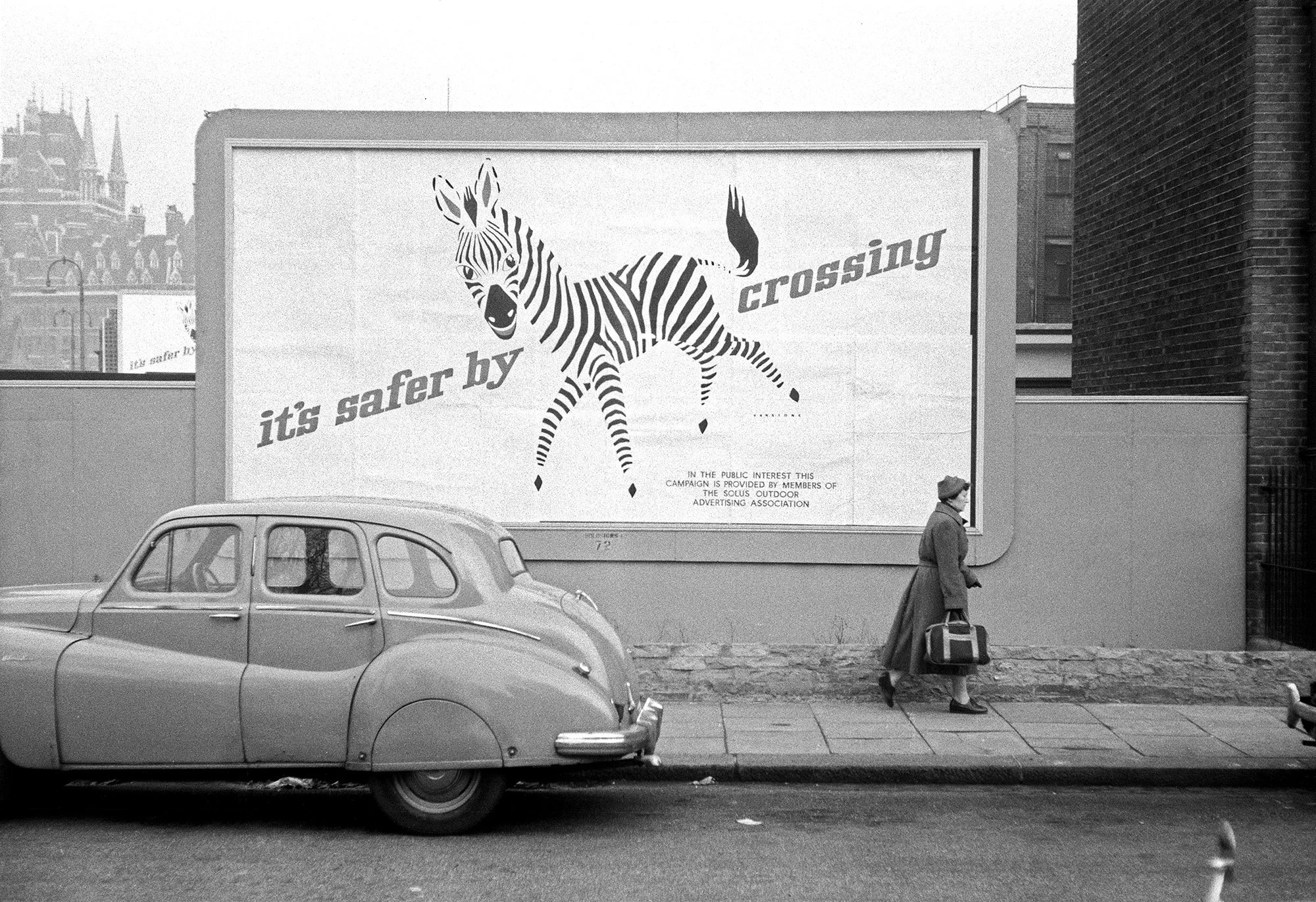
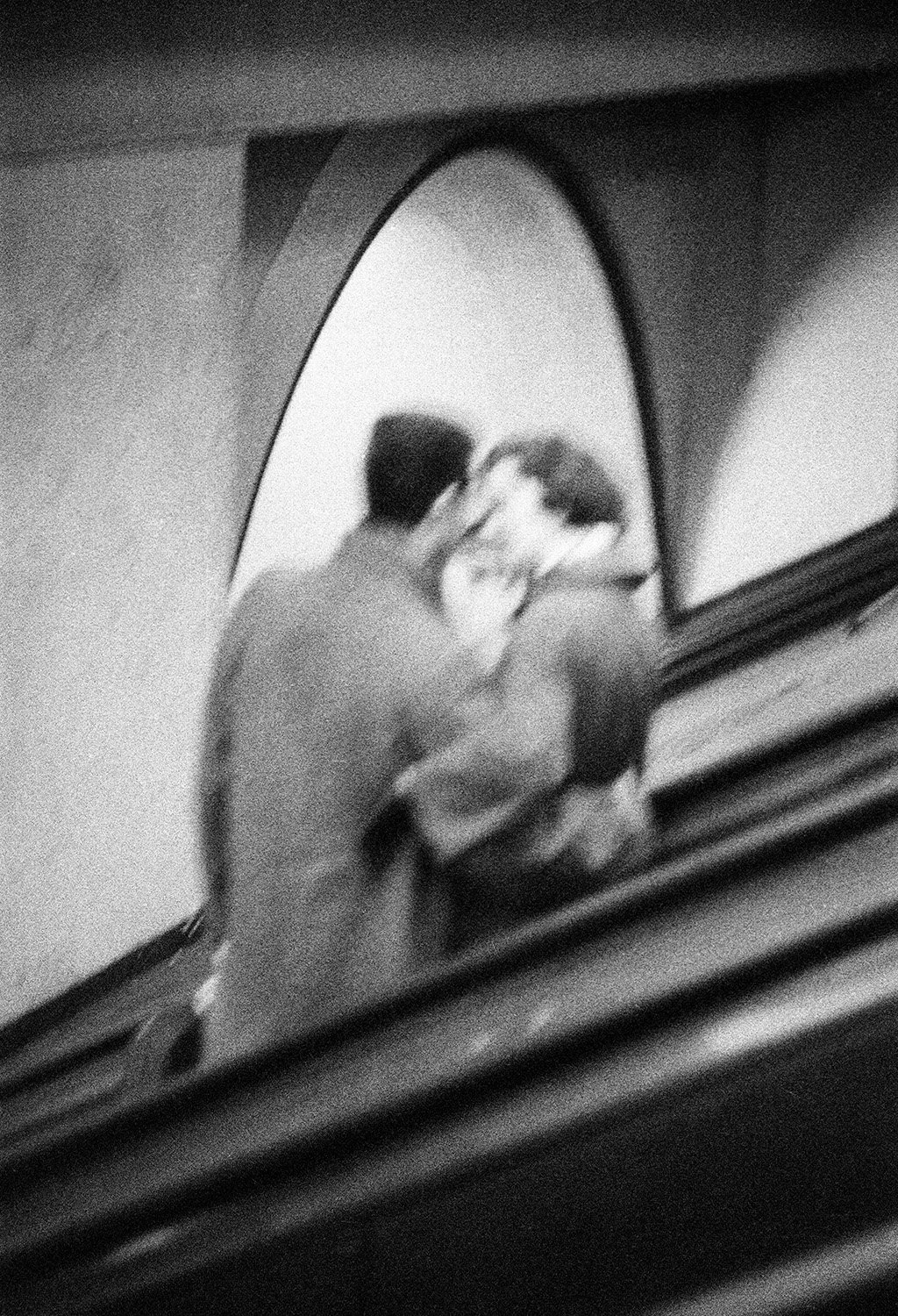
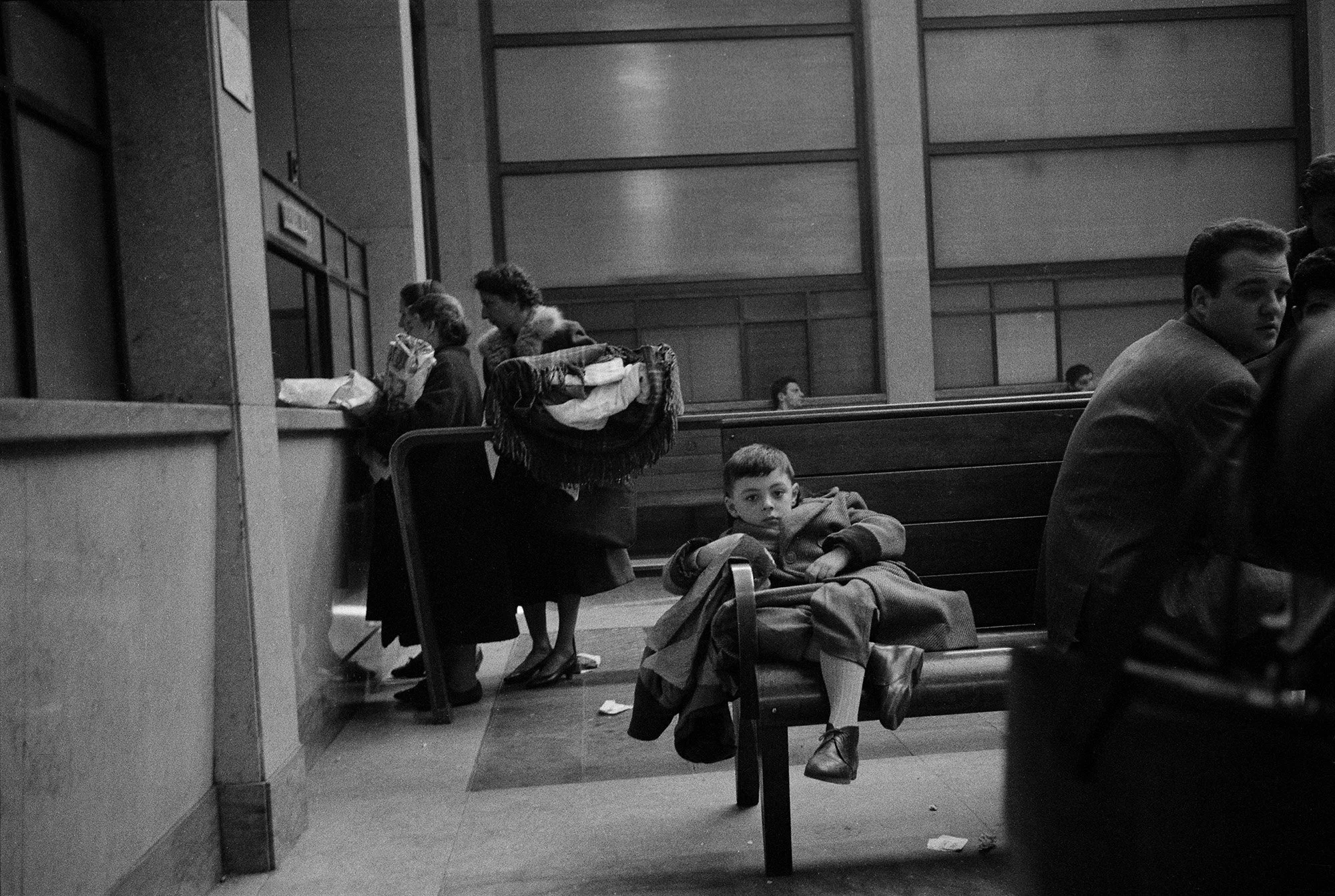
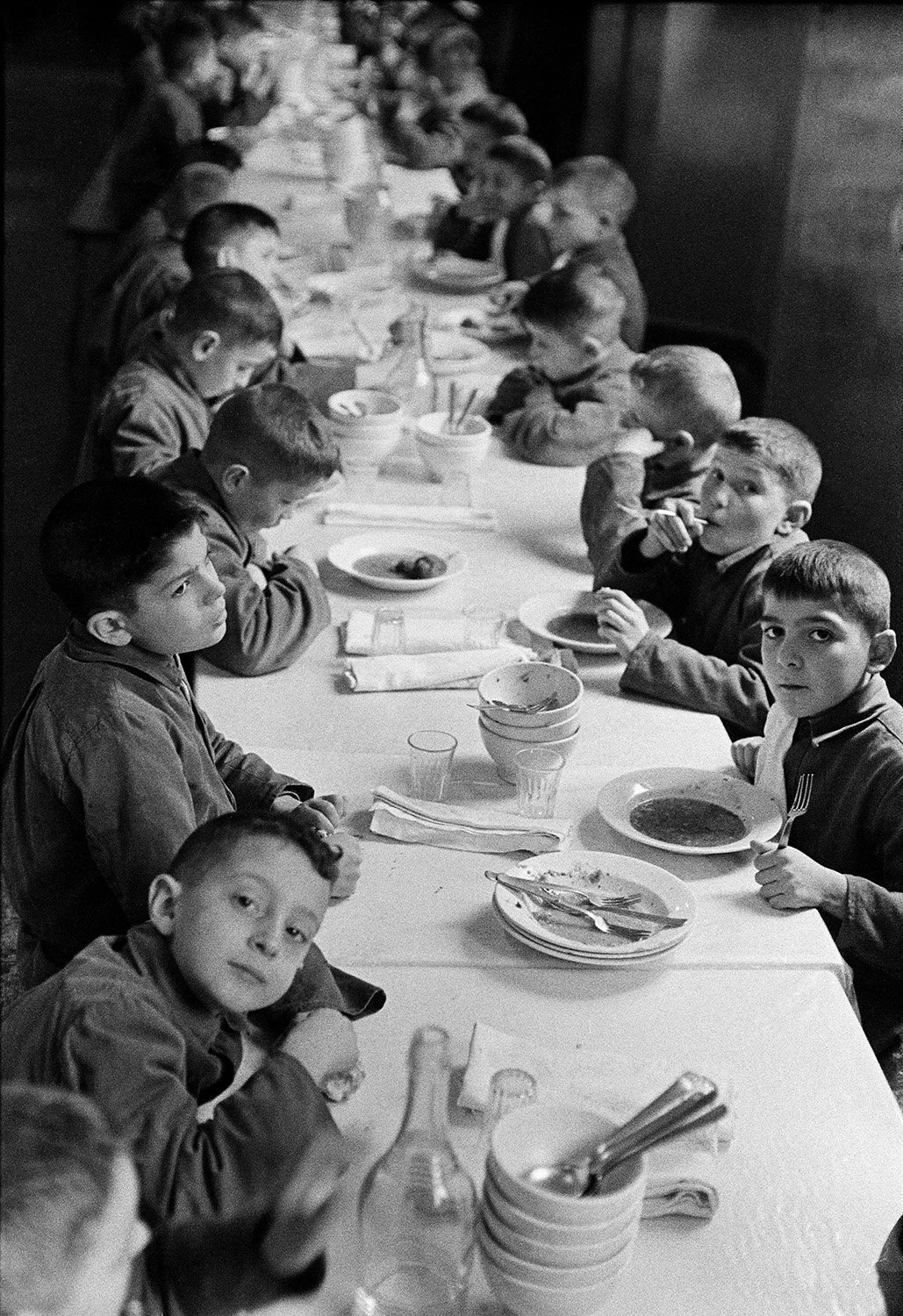
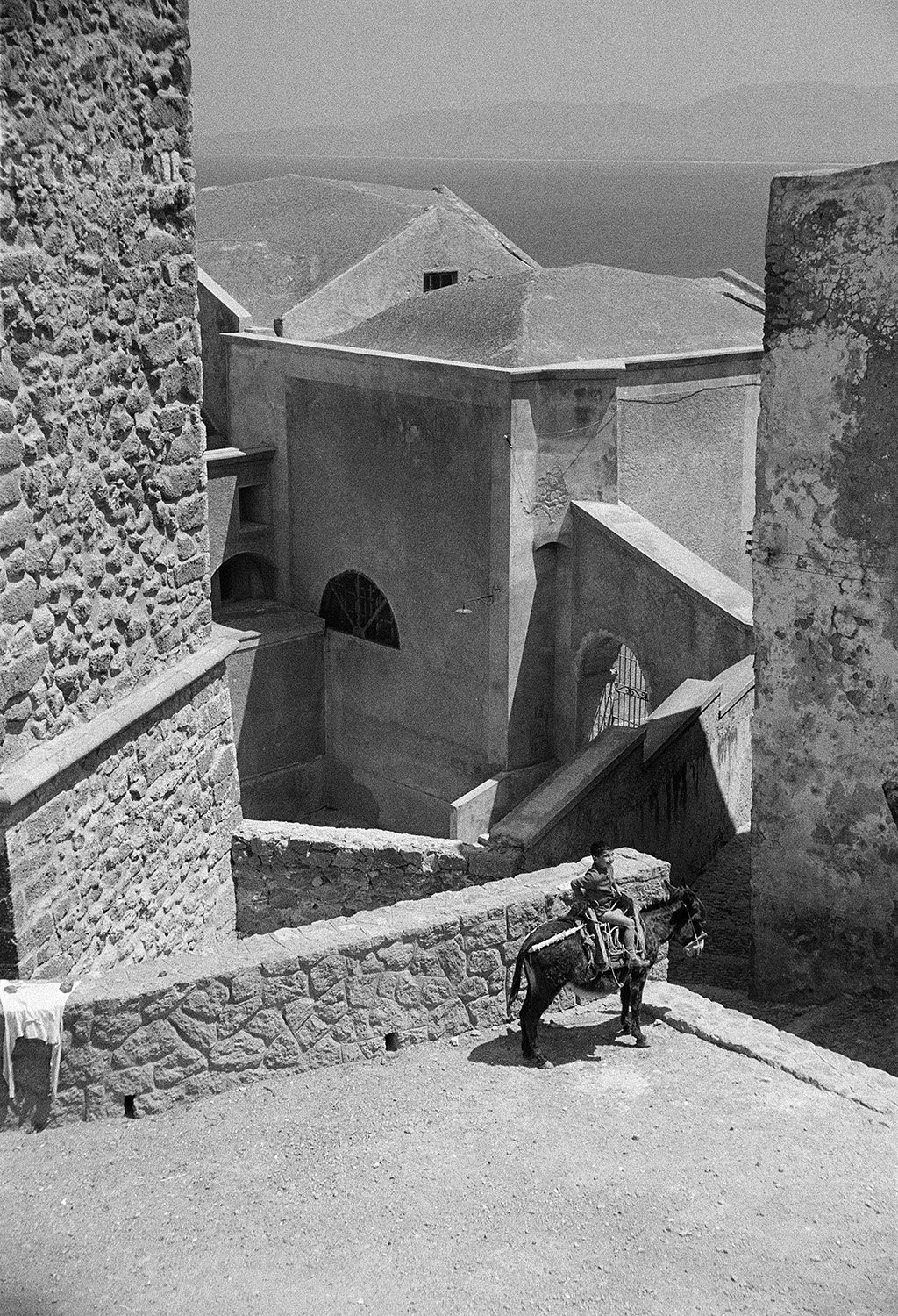
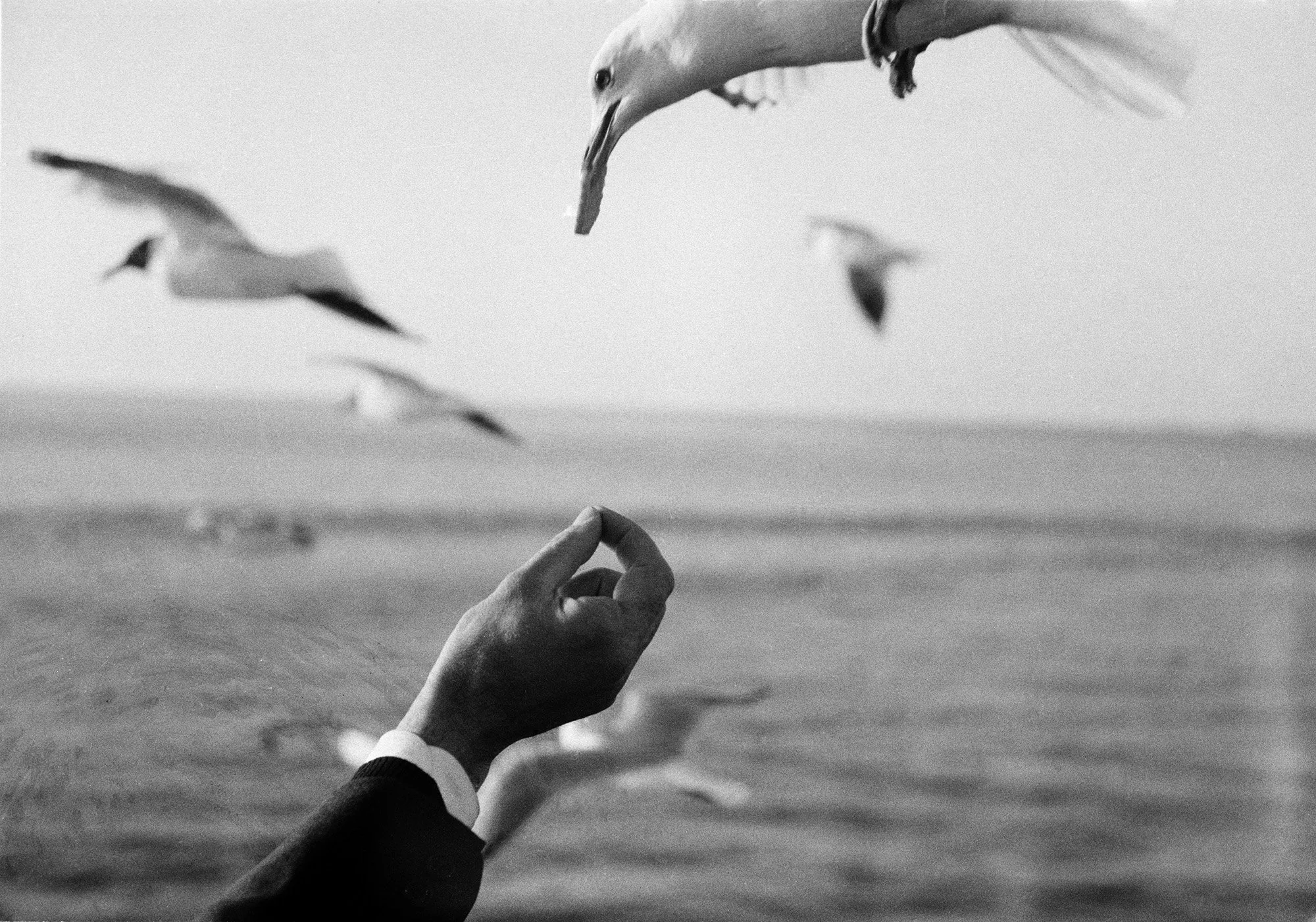
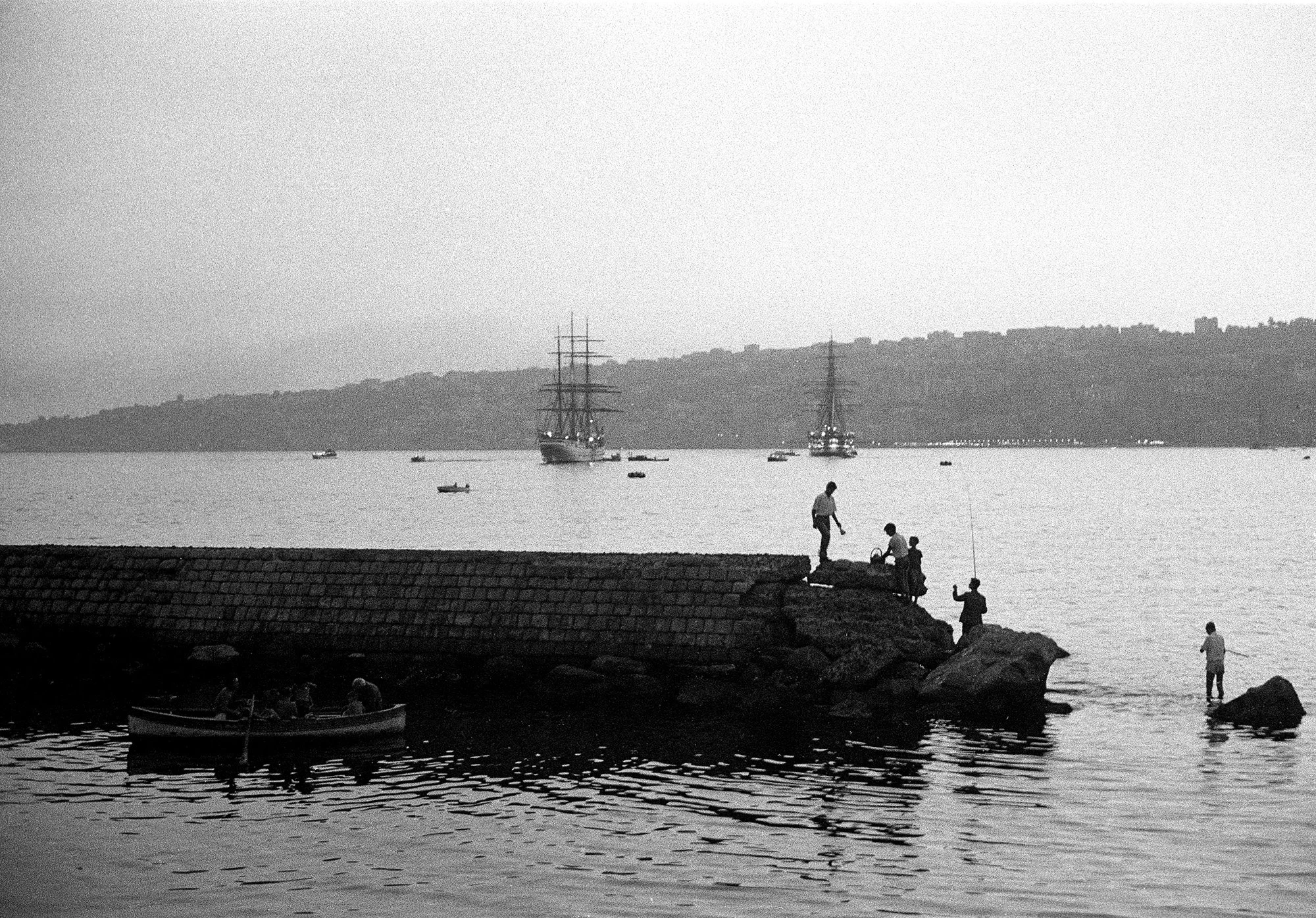
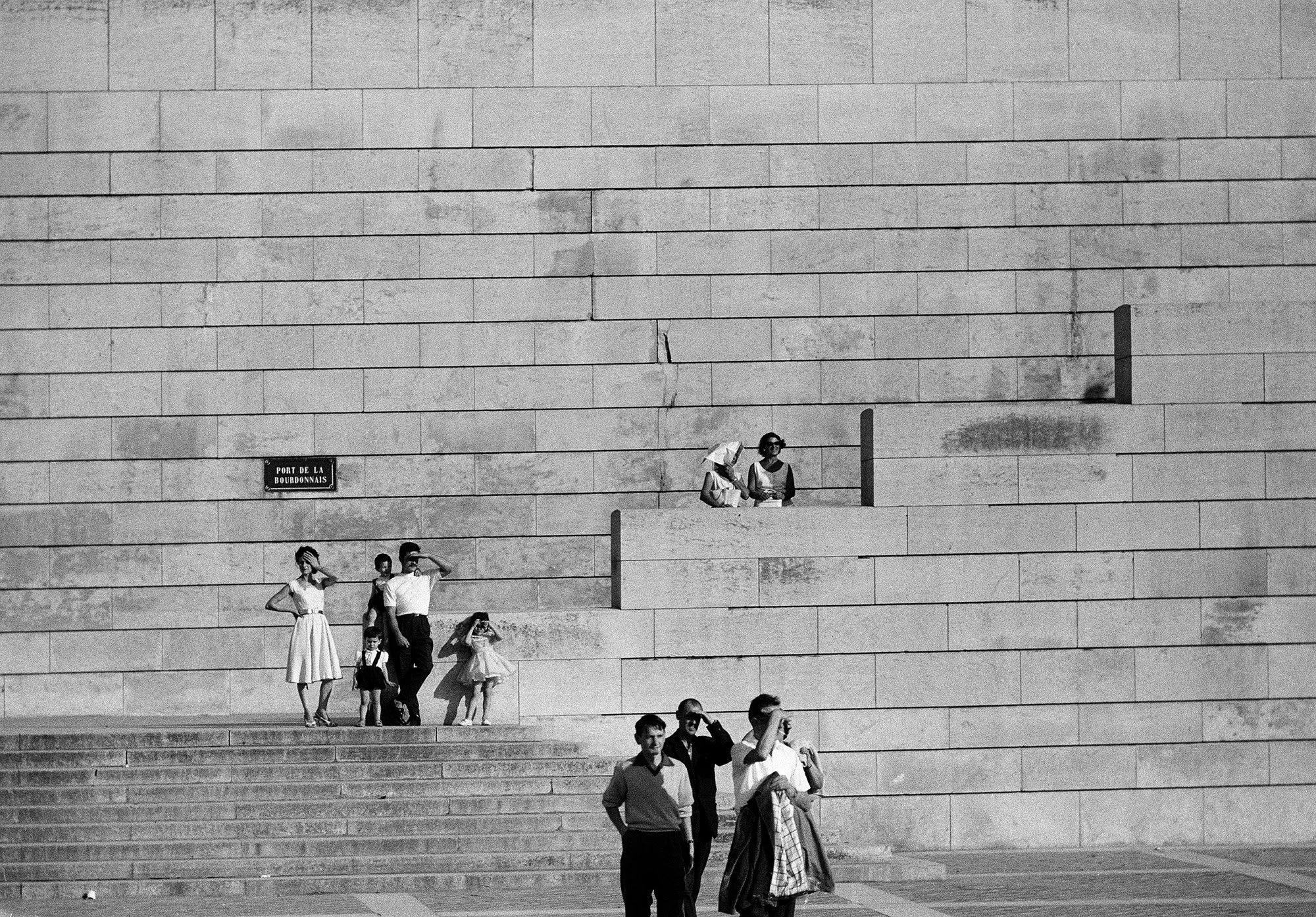
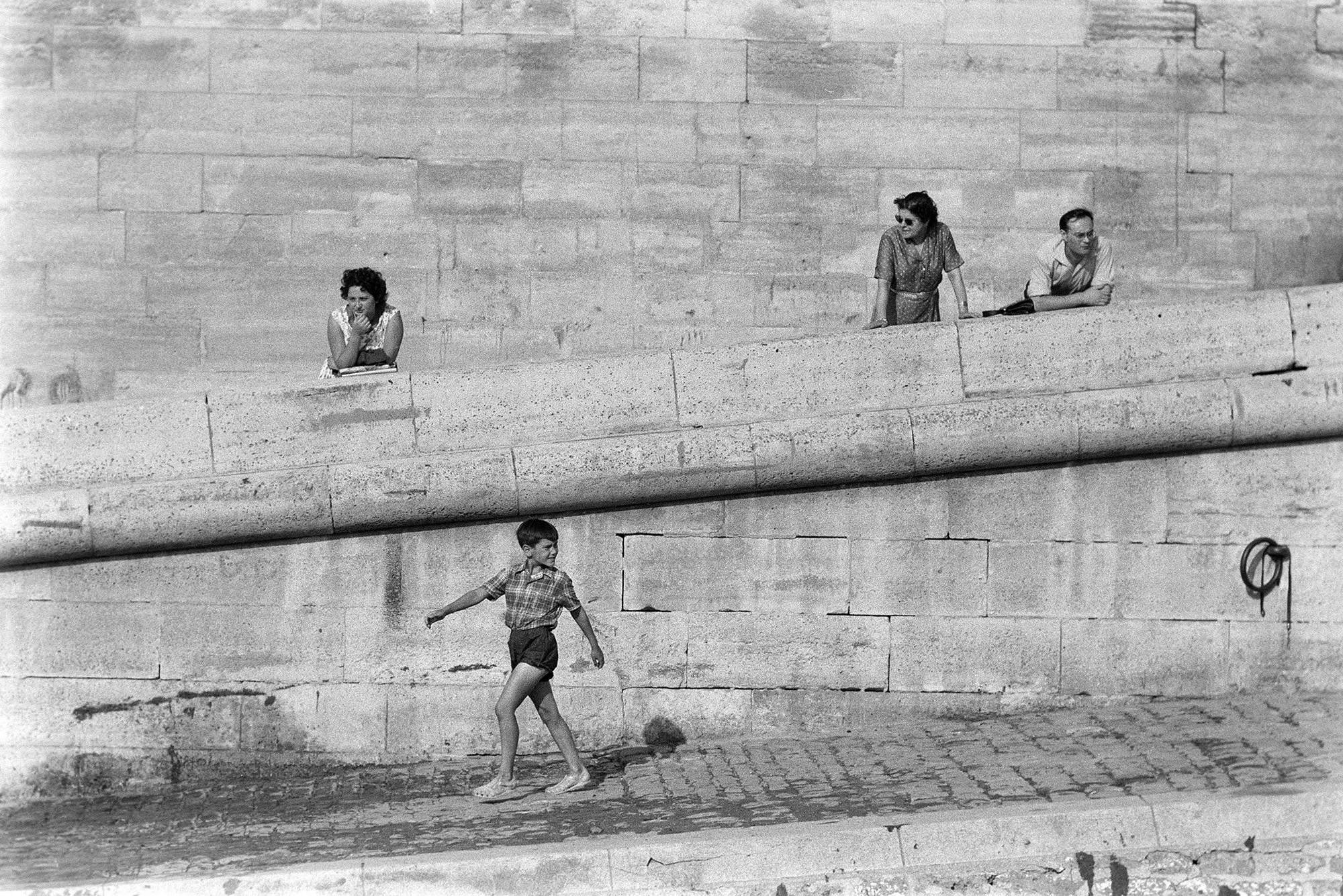
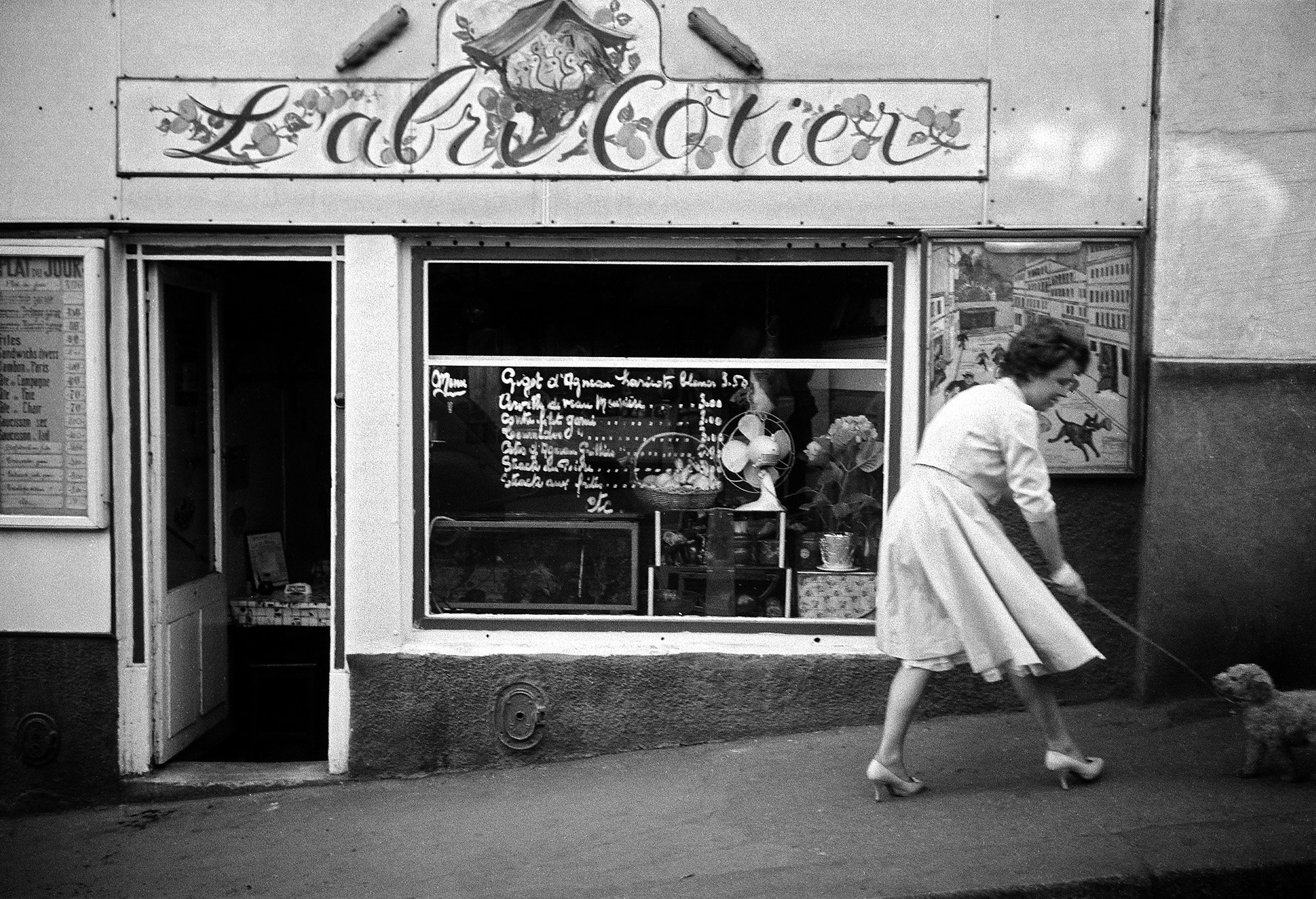
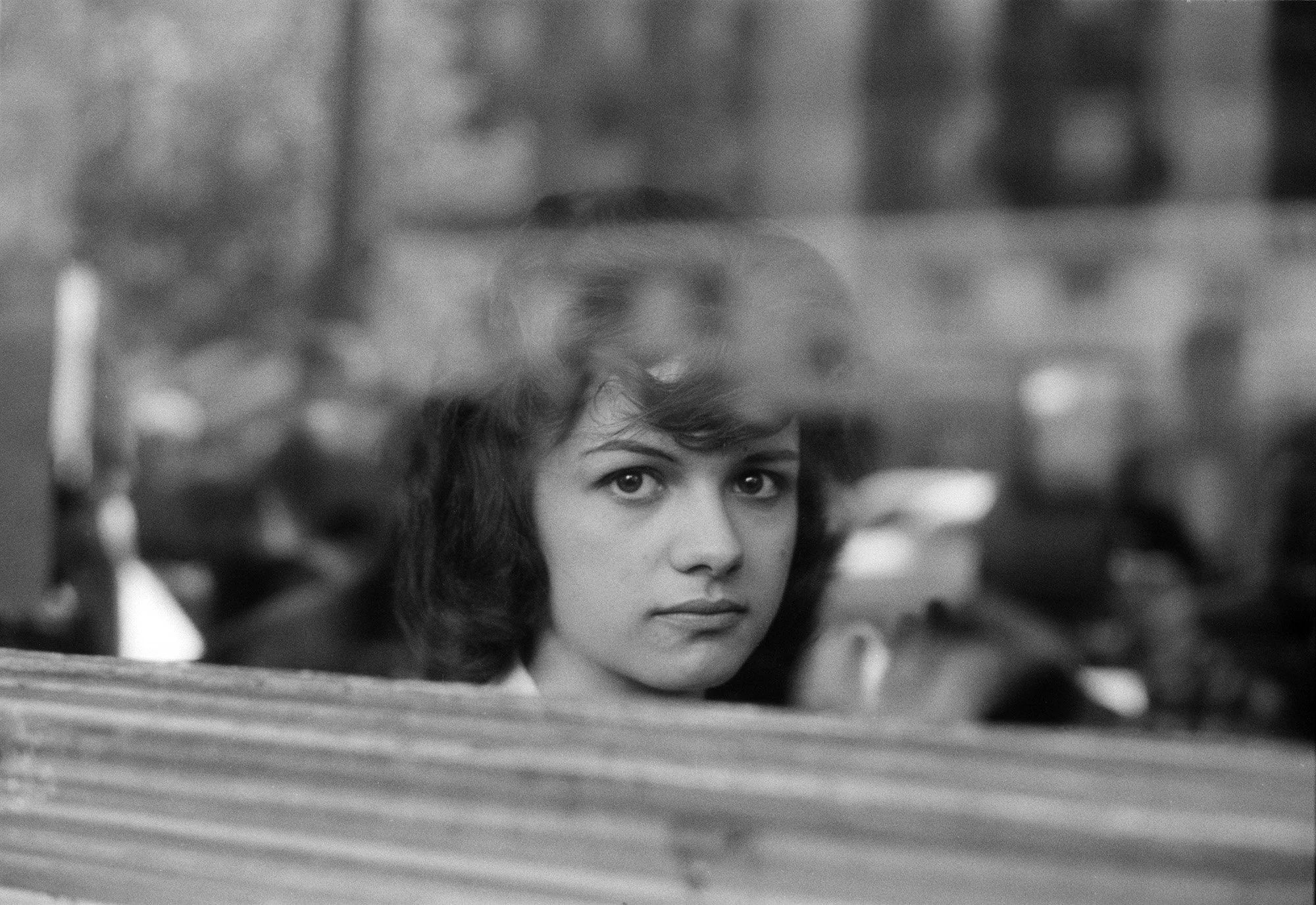
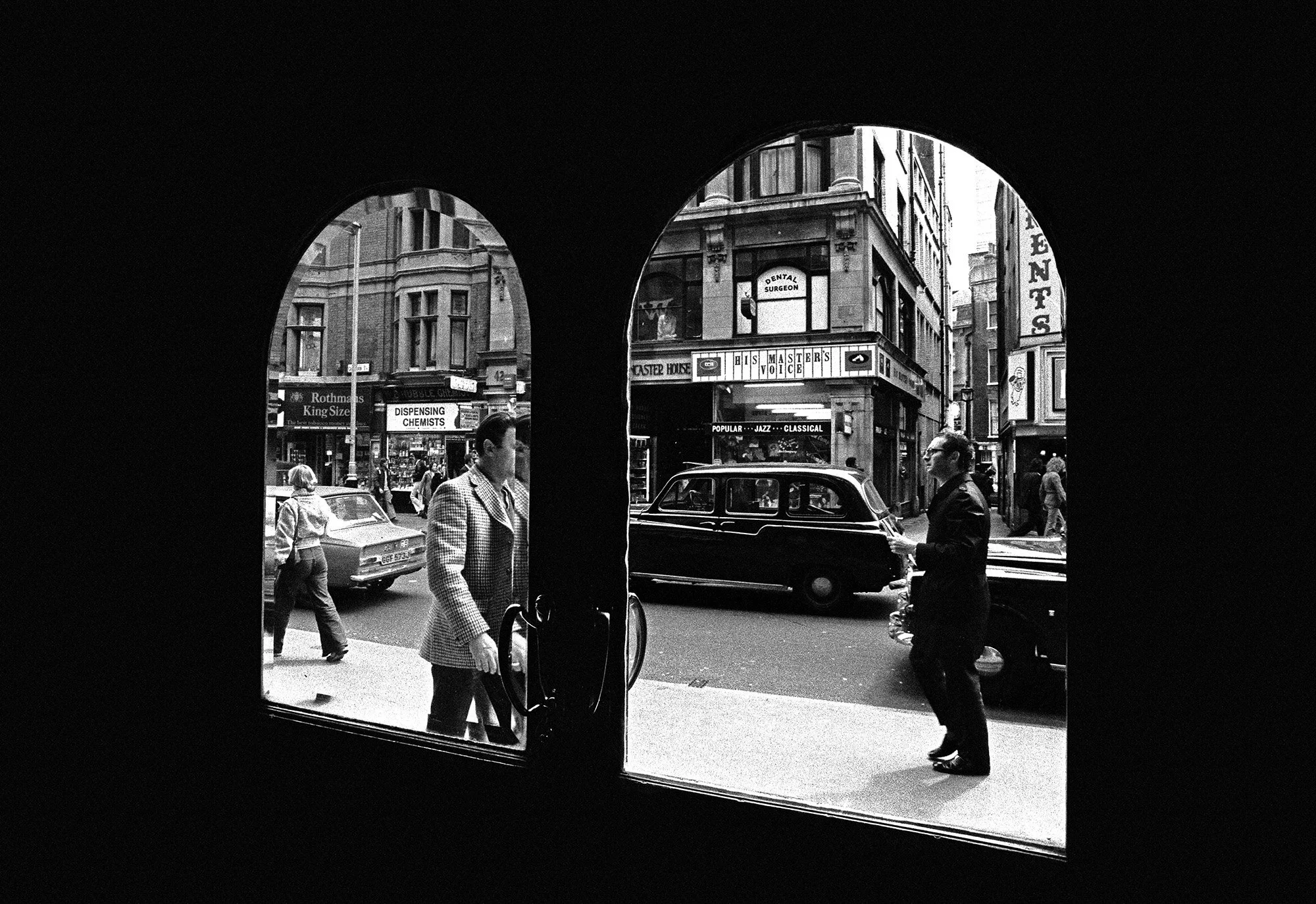
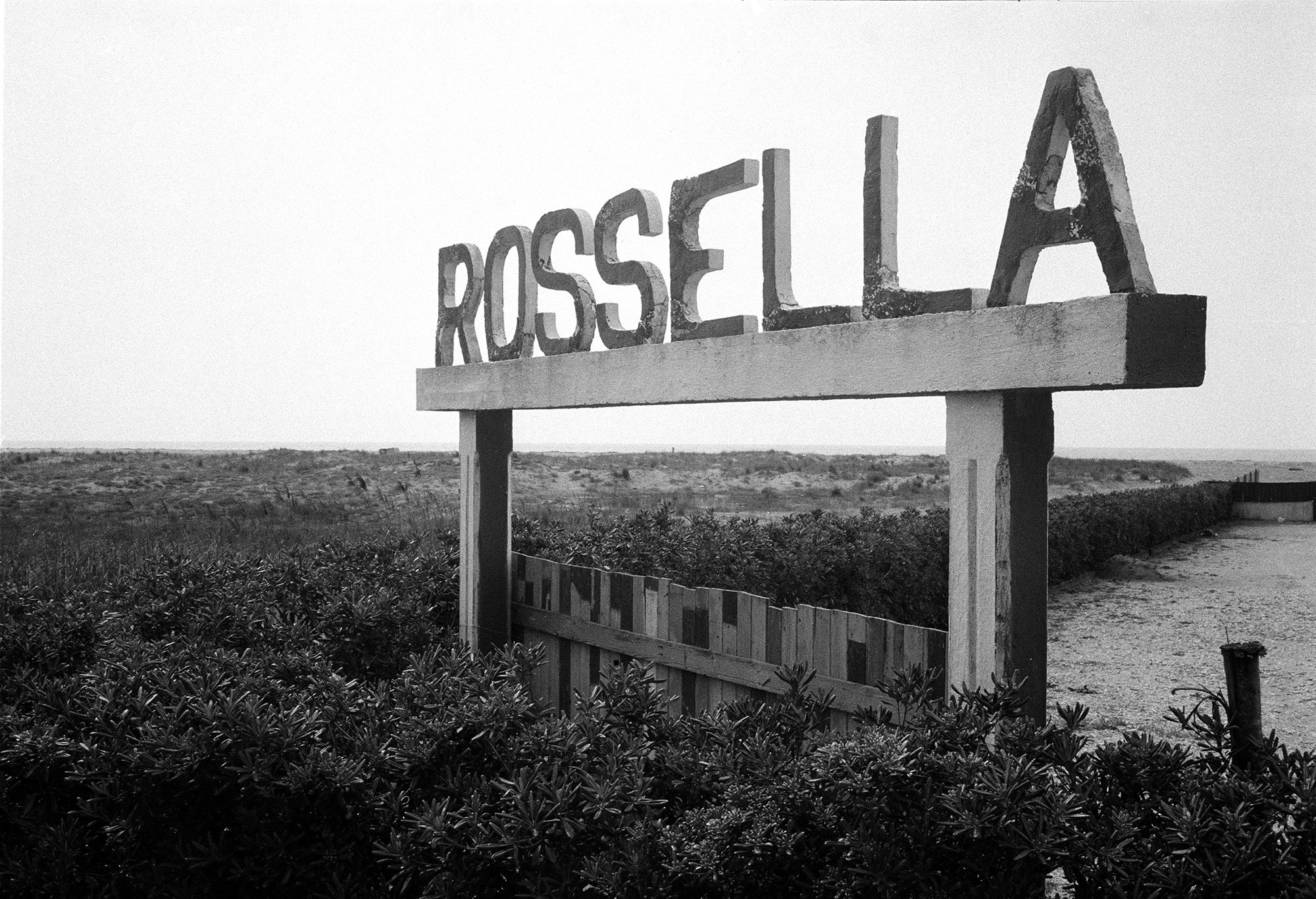
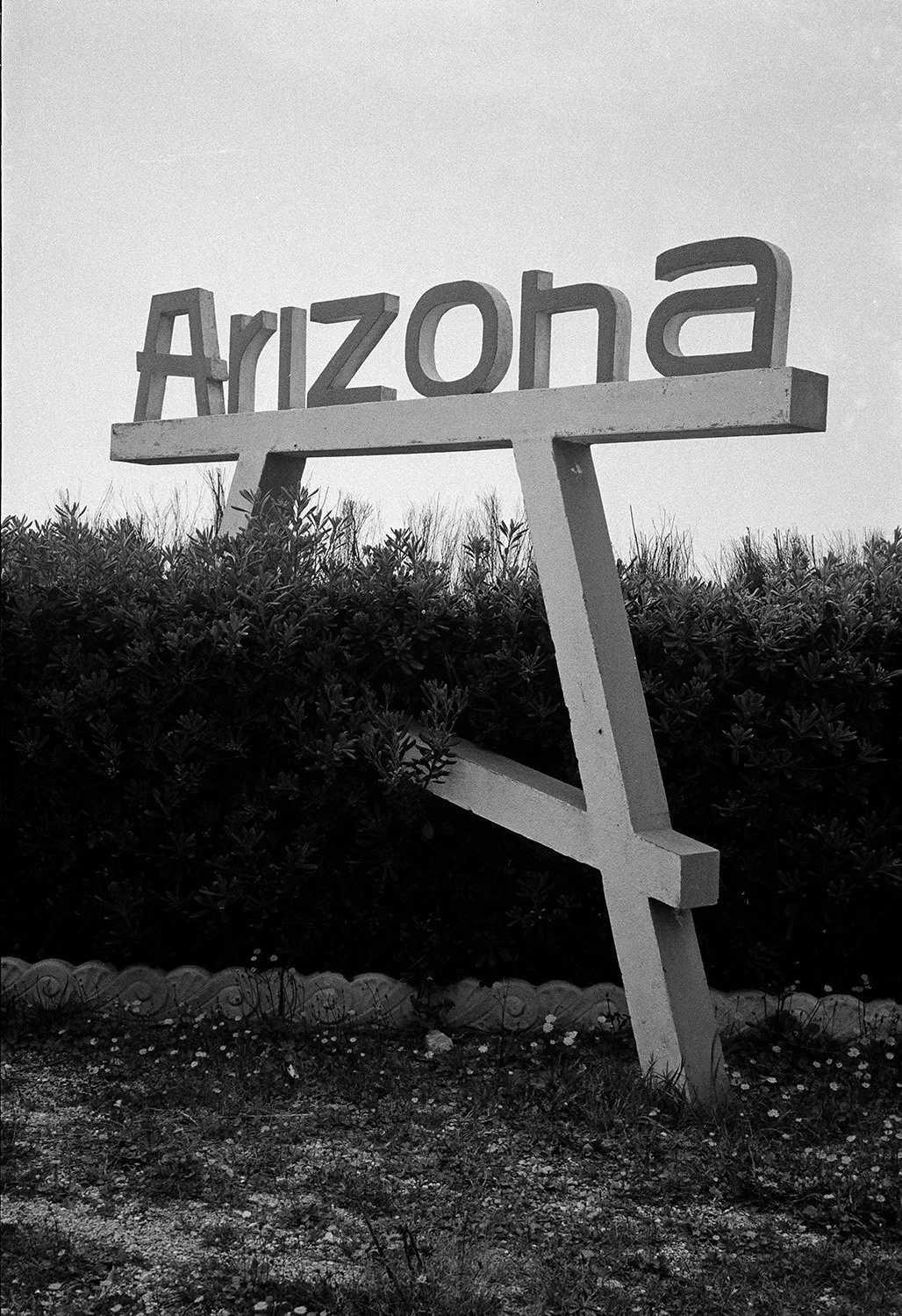
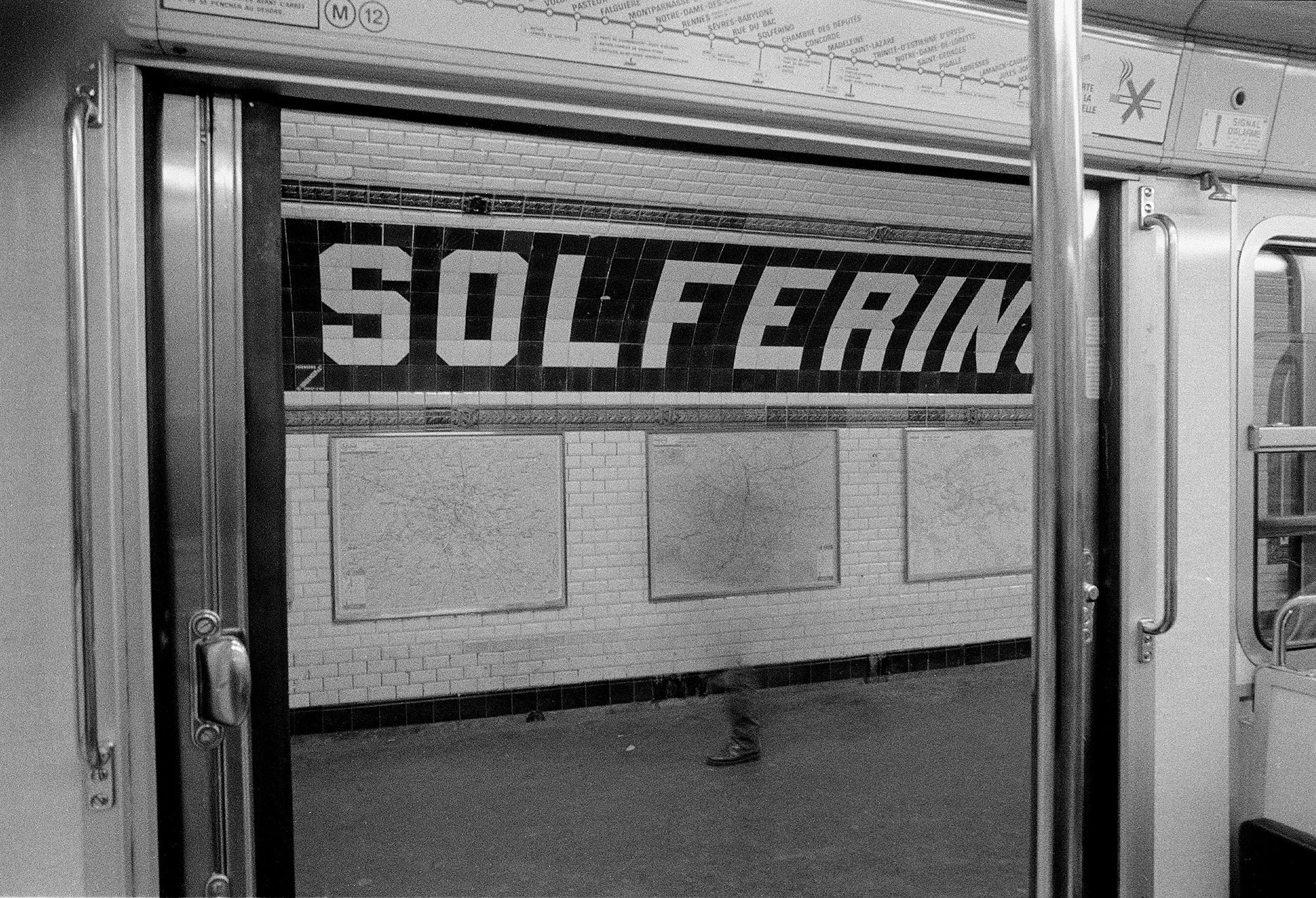
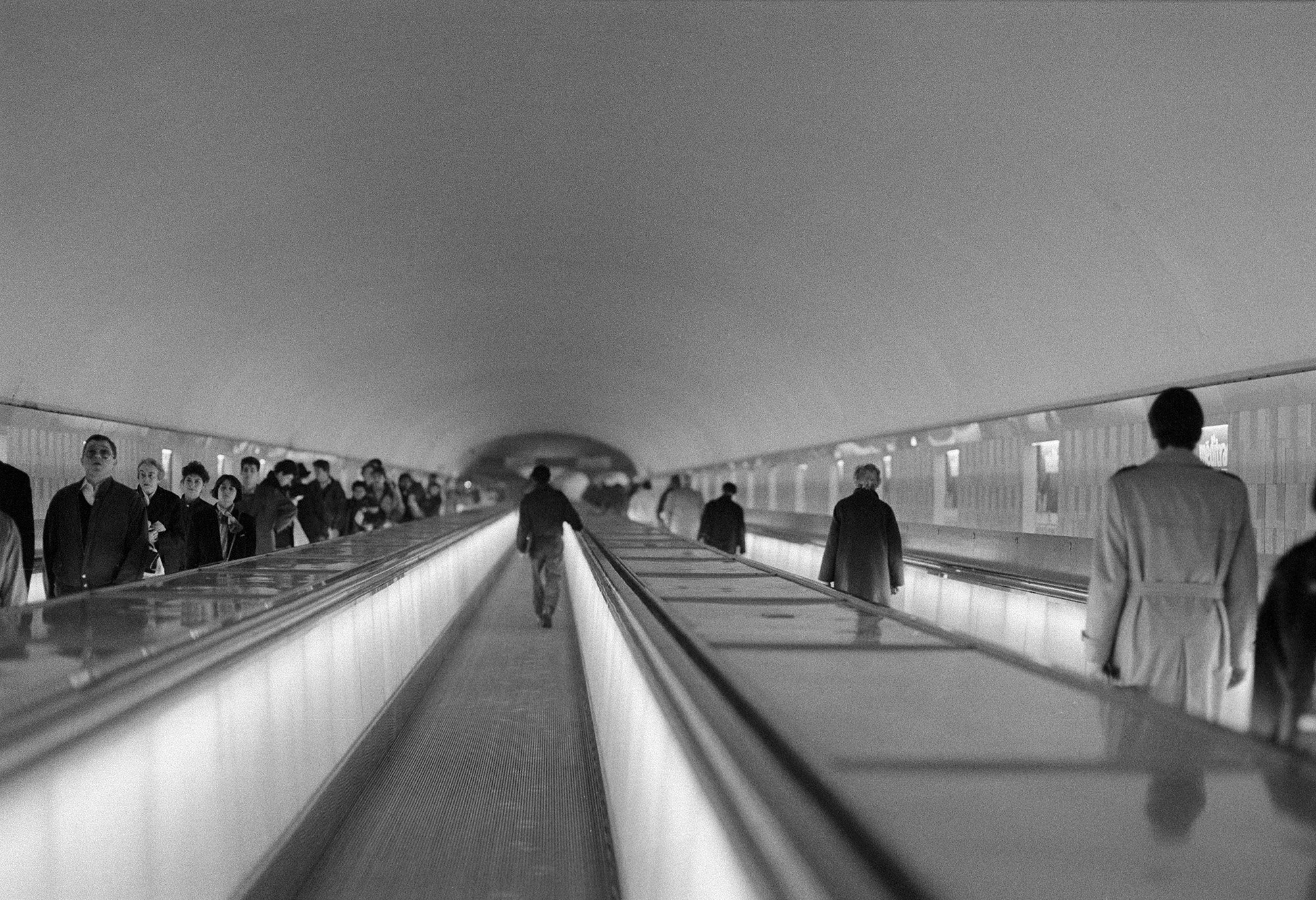
Alfa Castaldi was a key player and reference in Italian photography from the 1950s until his death in December 1995.
Born in Milan, a favorite pupil of Roberto Longhi in Florence, Alfa in the early 1950s abandoned the idea of a commitment to art history to take up photography.
Returning to Milan, he began attending from 1954 to 1961 the Jamaica bar in the Brera district, a circle of intellectuals, painters, writers and journalists, documenting, thus, the rebirth of Italian cultural life, new forms of pictorial expression, writers, journalism and began to devote himself to reportage: southern Italy, Paris, Algeria, London.
Working for several weeklies and monthlies, including "L'Illustrazione Italiana" directed at the time by Livio Garzanti and later by Pietro Bianchi, "Settimo Giorno" of which Guido Rocca was editor-in-chief and, occasionally, "Oggi" and "Le Ore," he produced, especially for the first two magazines, reports in Italy with a socio-cultural slant and abroad, reporting on Paris, French colonization in Algeria, London, anti-nuclear demonstrations in England, northern Europe, and Le Corbusier's architecture in France.
In 1958 he met Anna Piaggi, then a contributor to "Annabella" magazine, a decisive meeting for both of them, with whom he would begin an uninterrupted working and living relationship, marrying her in 1962.
At the end of the 1960s Alfa opened his first photographic studio in Milan where, following the constant thread of his multifaceted interests and curiosities, he would devote himself to fashion photography, beginning an important collaboration with "Vogue Italia" and in general with all the magazines of the Condè Nast group, maintaining, however, always a careful "look" towards current affairs reportage, alternating fashion with collaborations with weekly magazines such as "Panorama" and "Espresso."
Alfa Castaldi's is a cultured photography and with extraordinary ability he has moved on multiple fronts, from reportage to fashion, from still life, to specific portraits, to photos of Parisian graffiti in the 1980s, and then nudes, street photos, and cities.
These photographs presented for Photoshelter 2024 were taken by Castaldi during several trips he made between 1955 and 1988, in Italy, including Sardinia, Naples, Viareggio, Milan at the Jamaica bar, and abroad, London, Paris, including those of Quais de la Seine, taken in 1959 from a Bateaux Mouche sailing on the river and later published in the magazine "Imago," a portfolio for photographers and designers of the 1950s and 1960s.
Maria Savarese
2025 - Stefano De Luigi - Televisiva
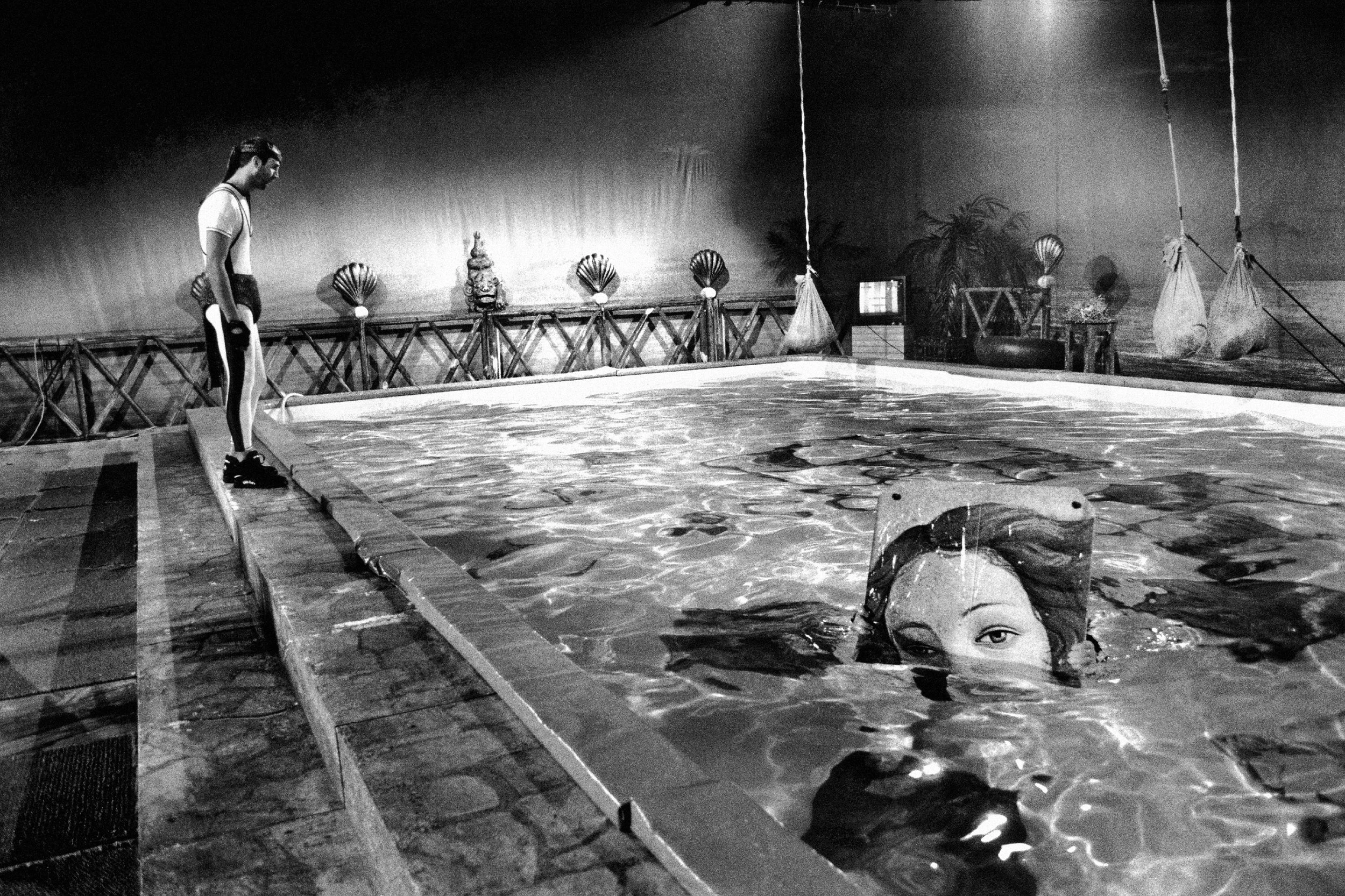
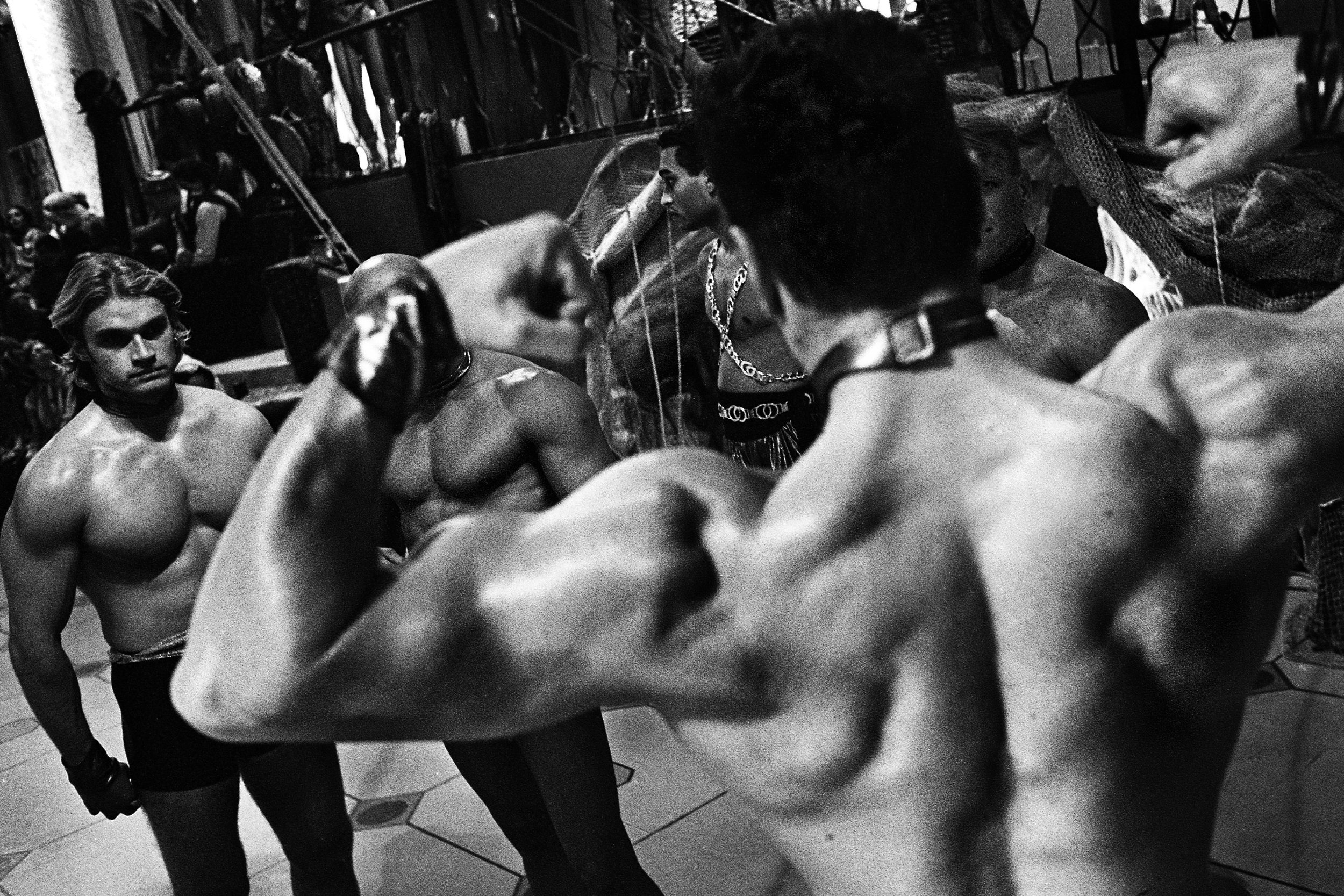
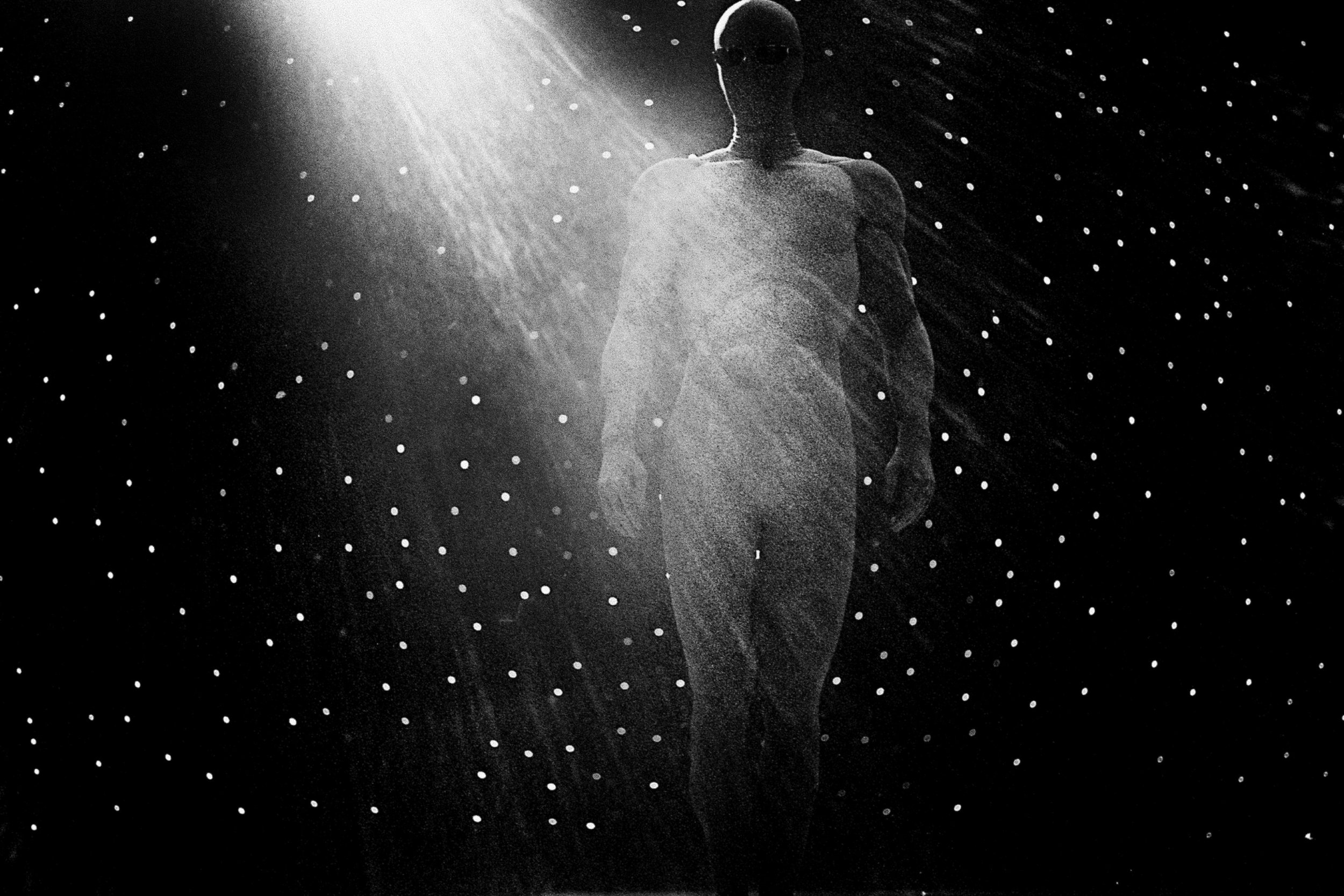
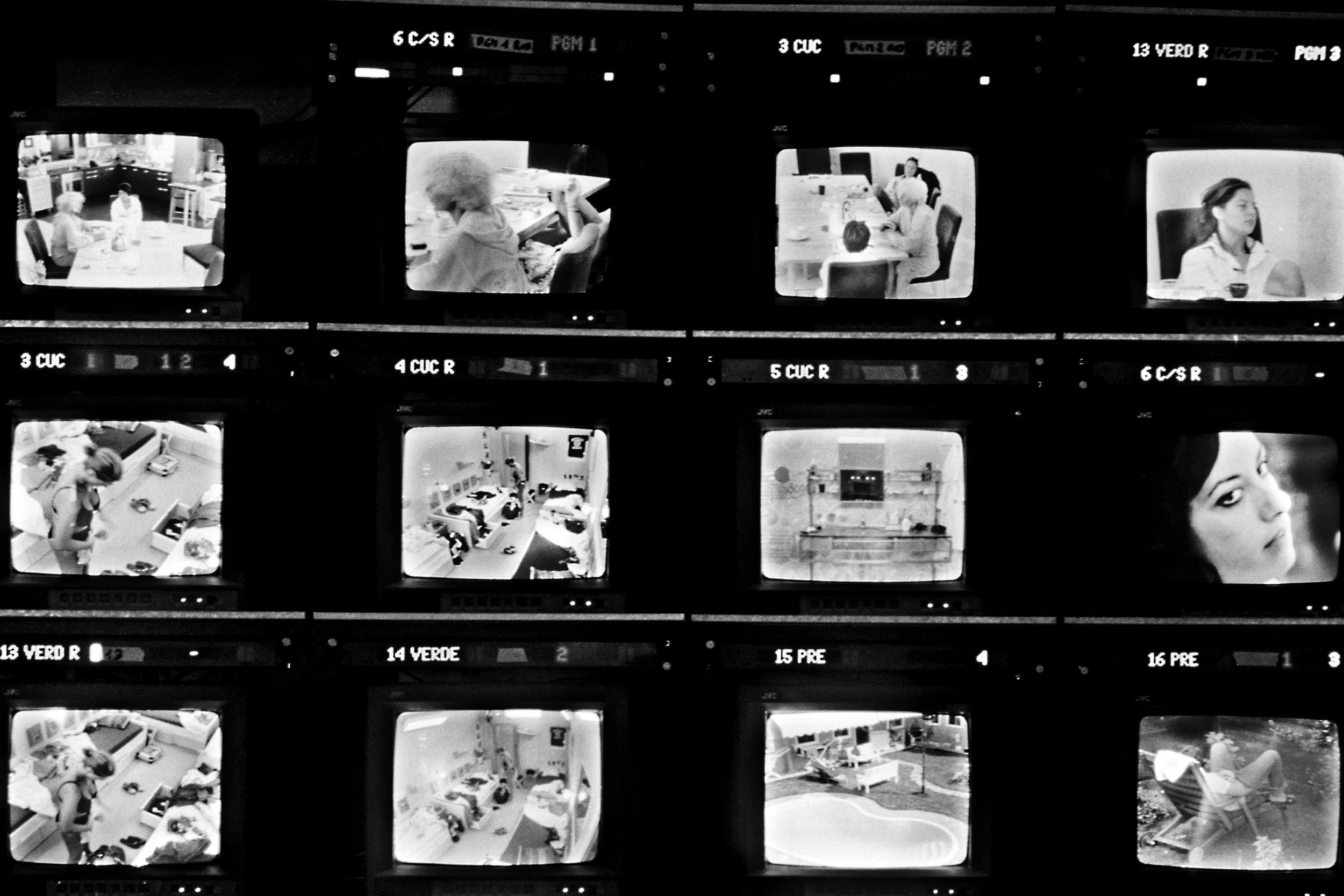
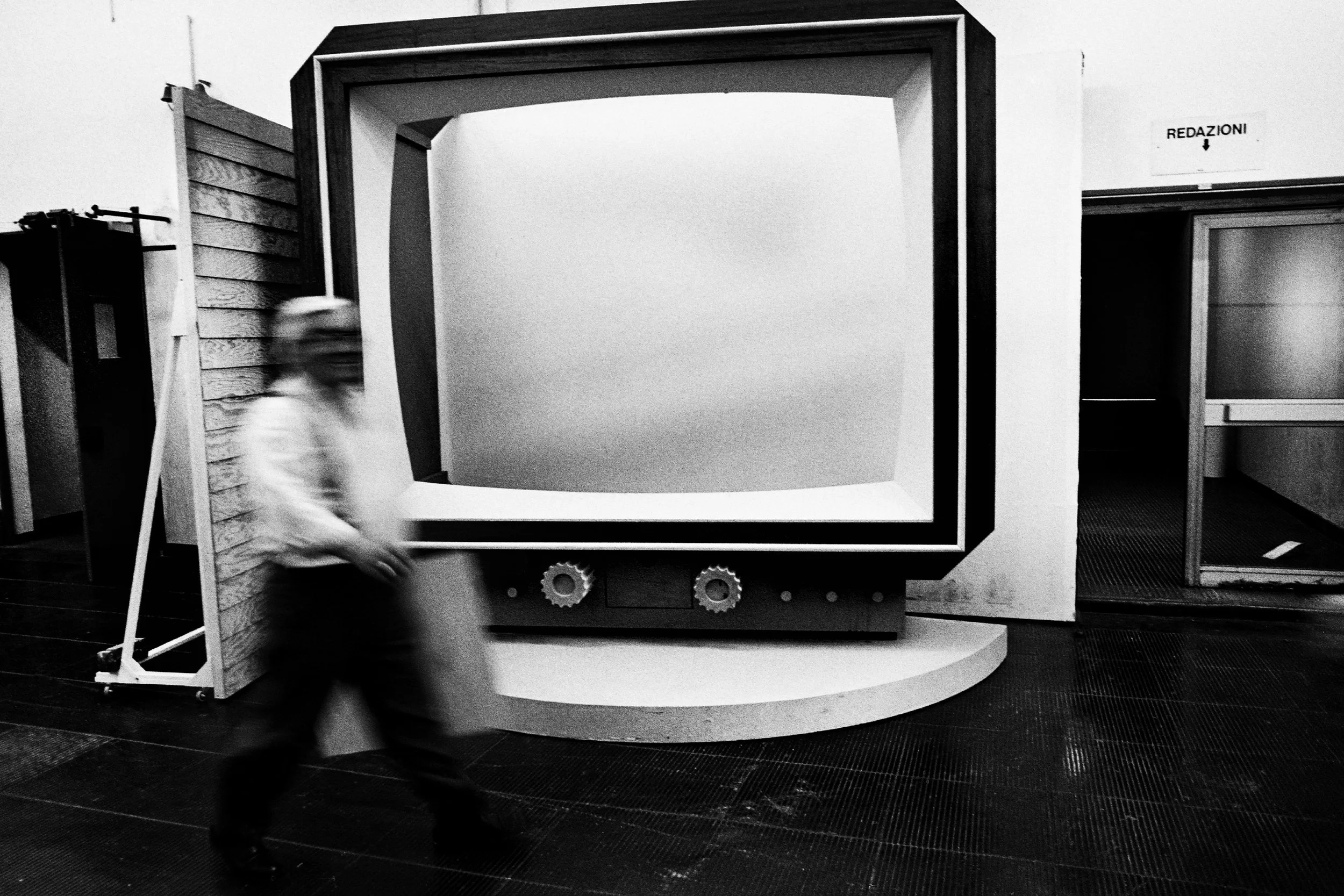
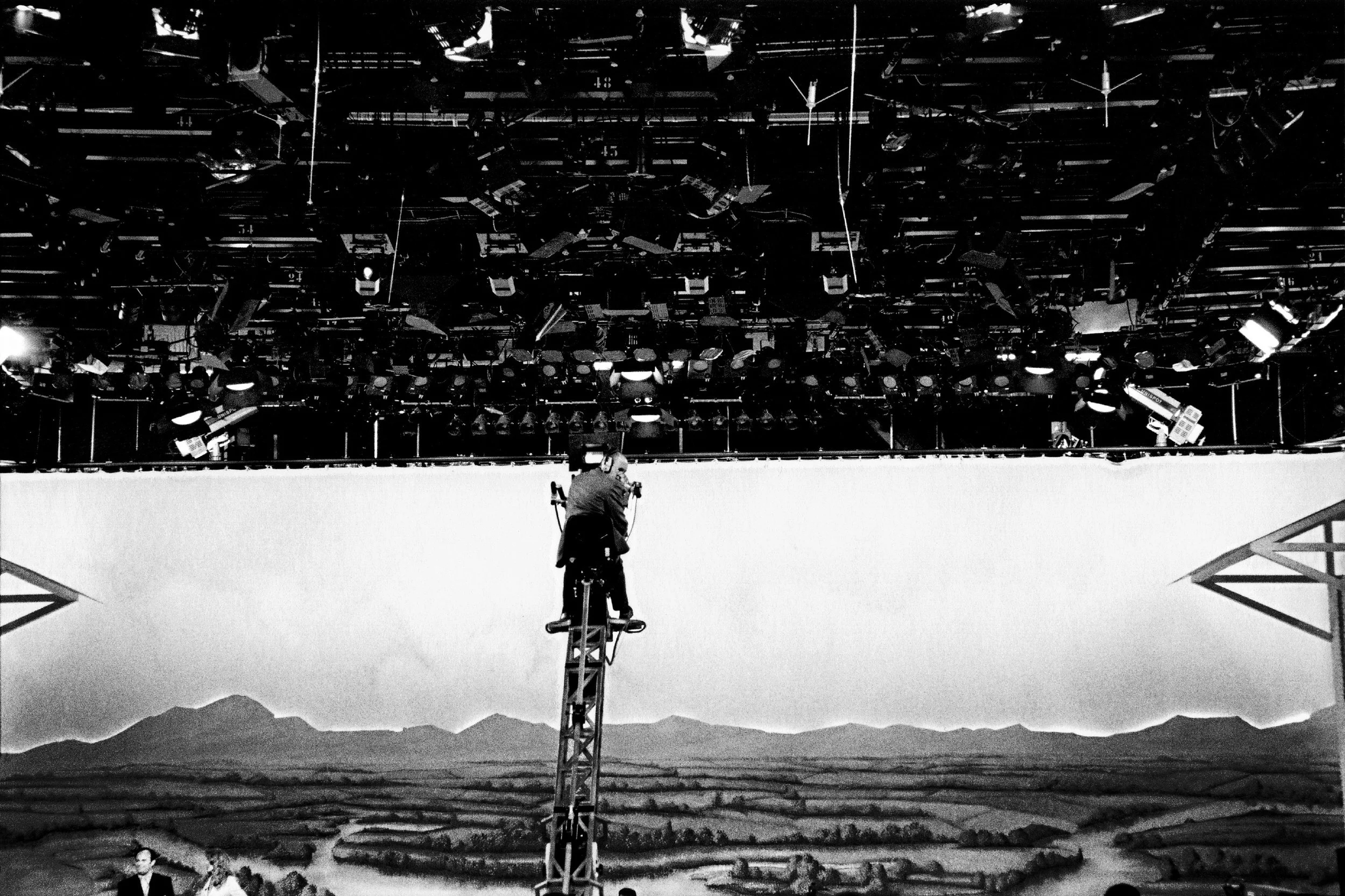

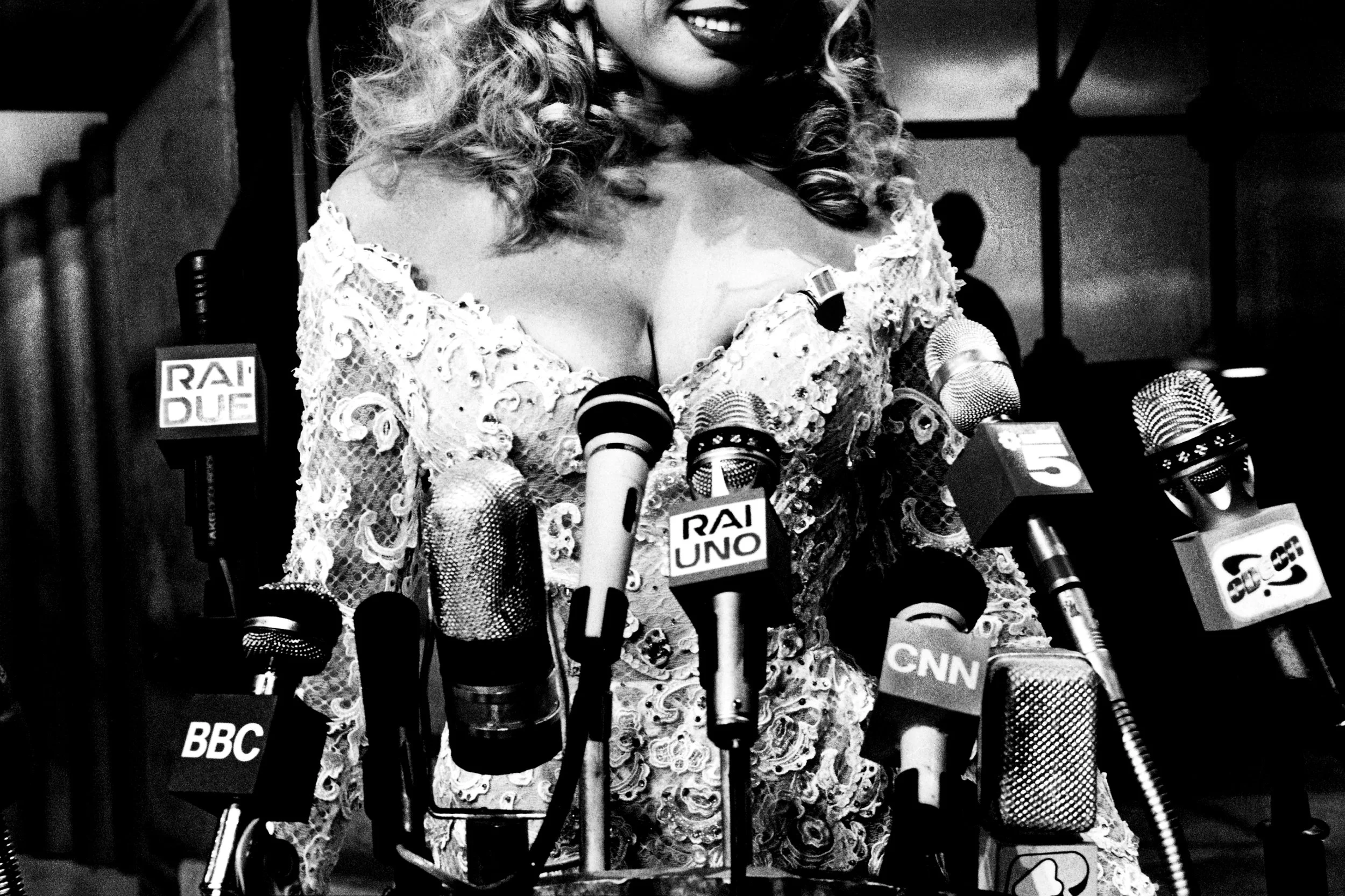
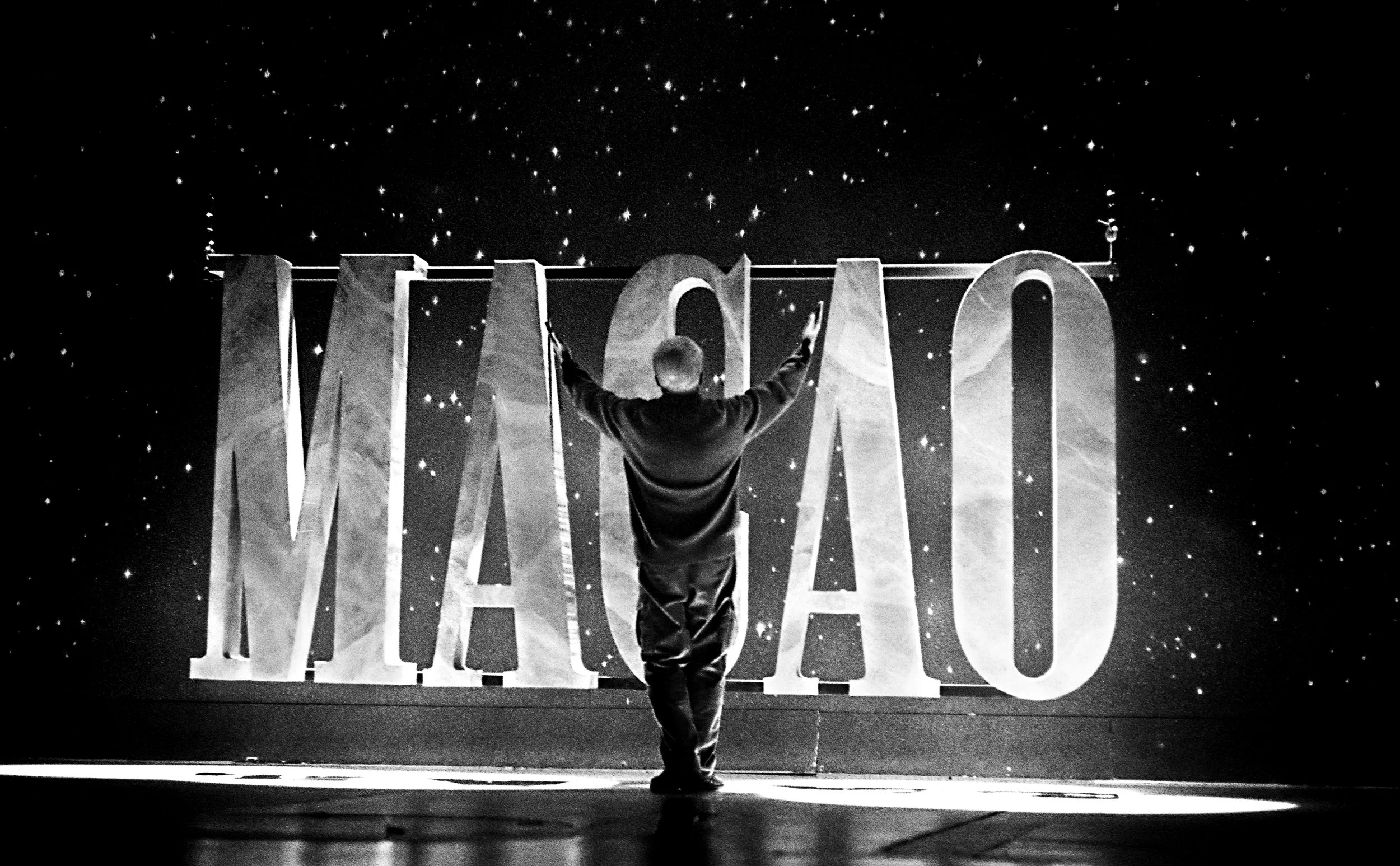
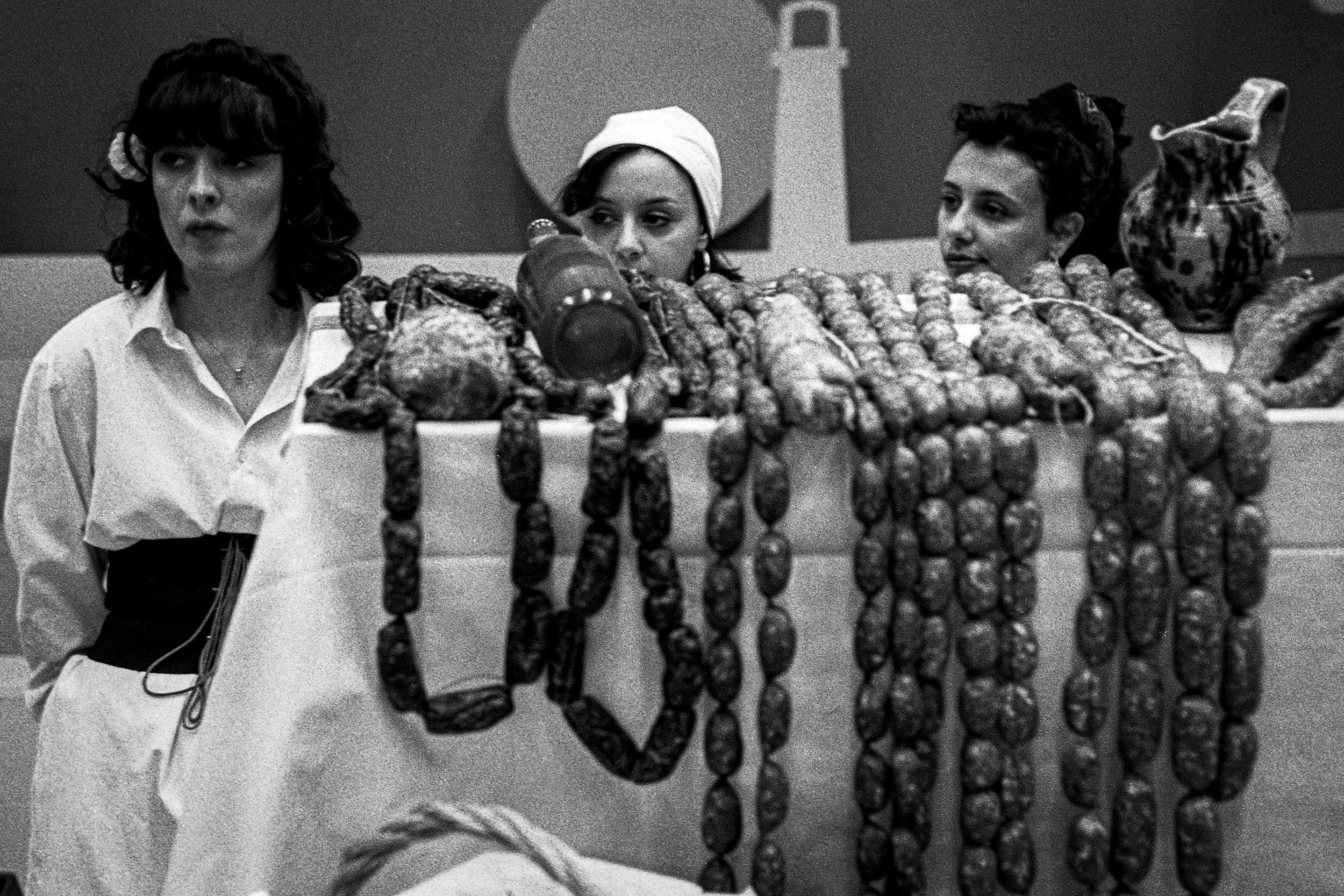
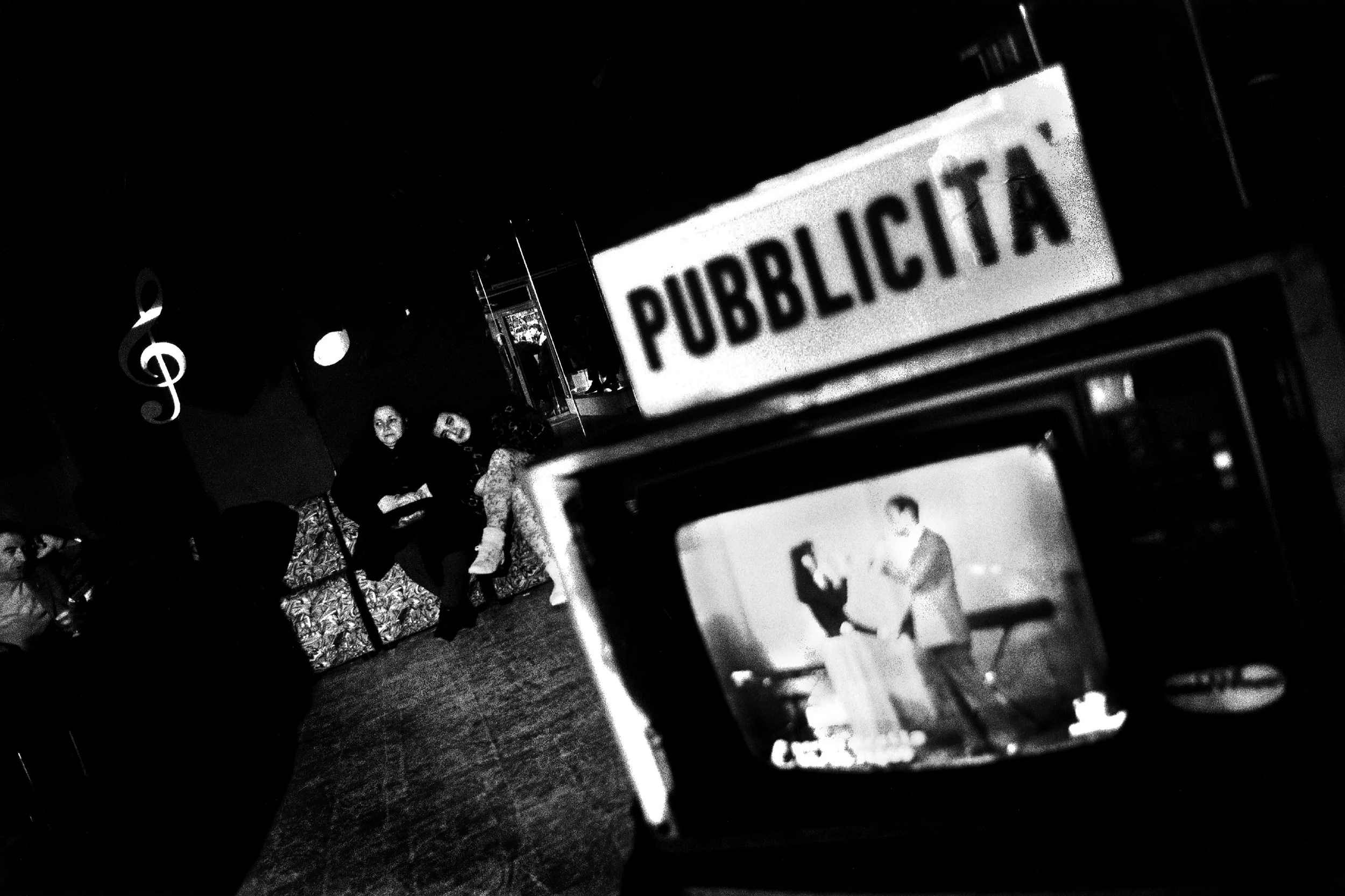
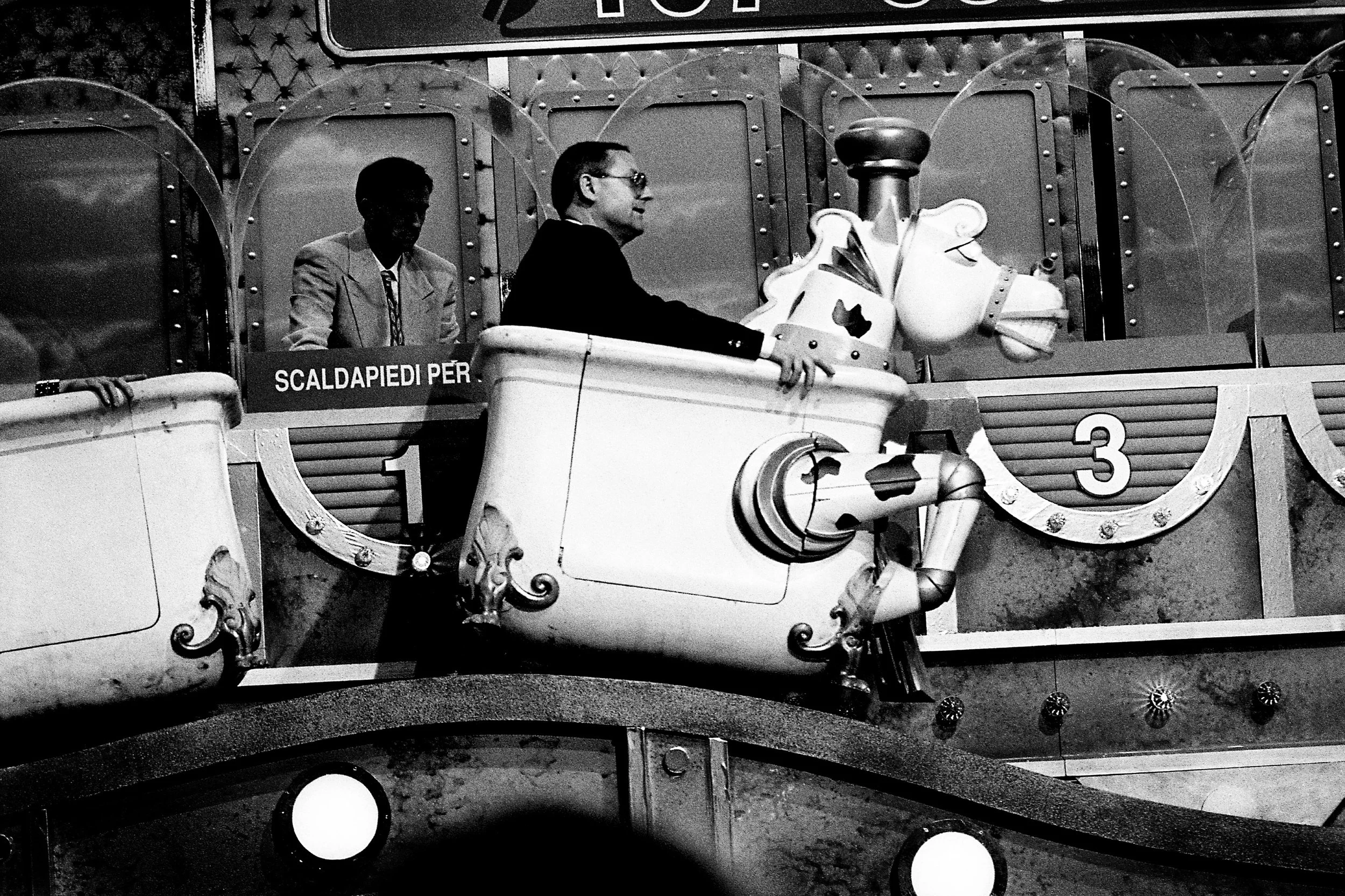
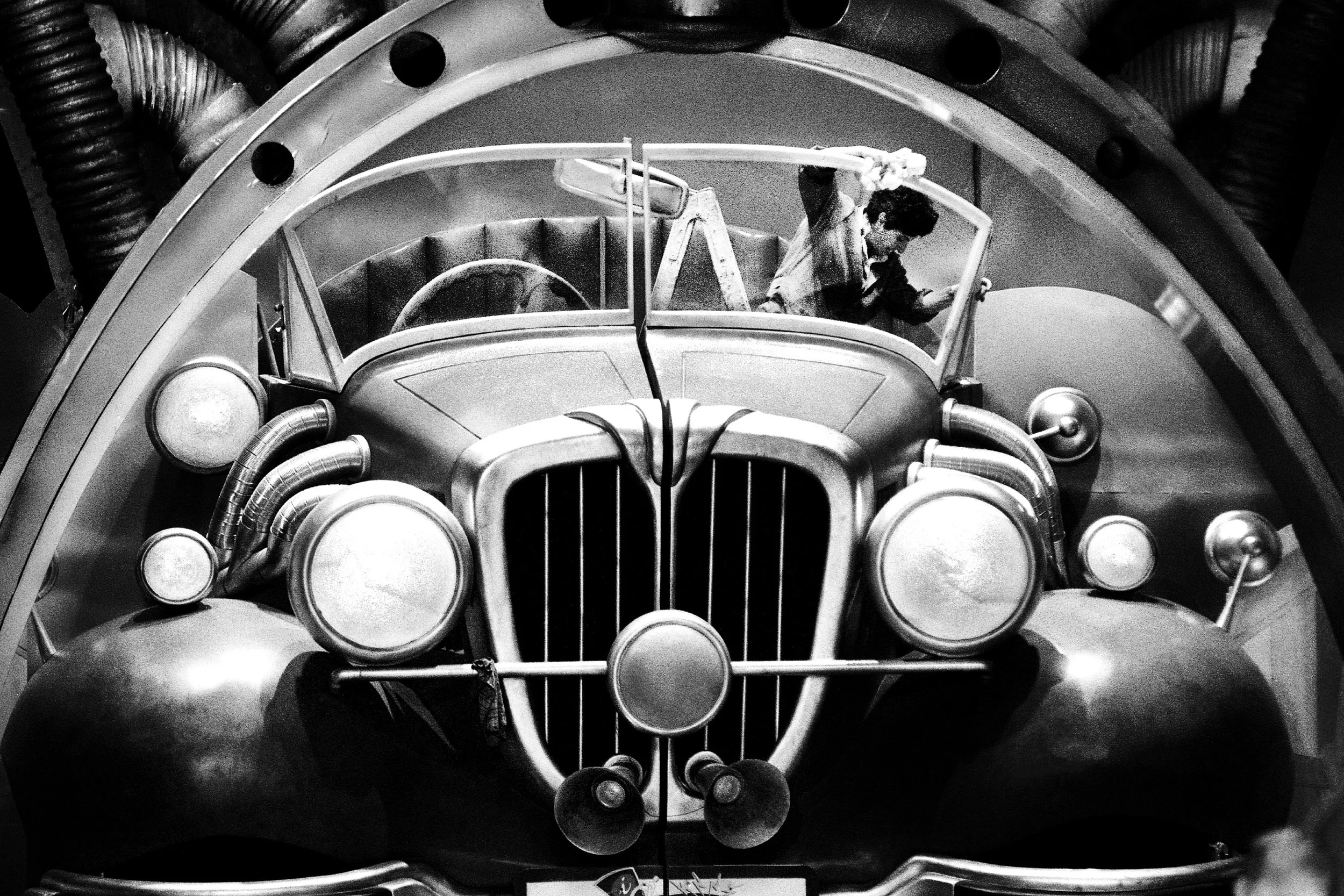
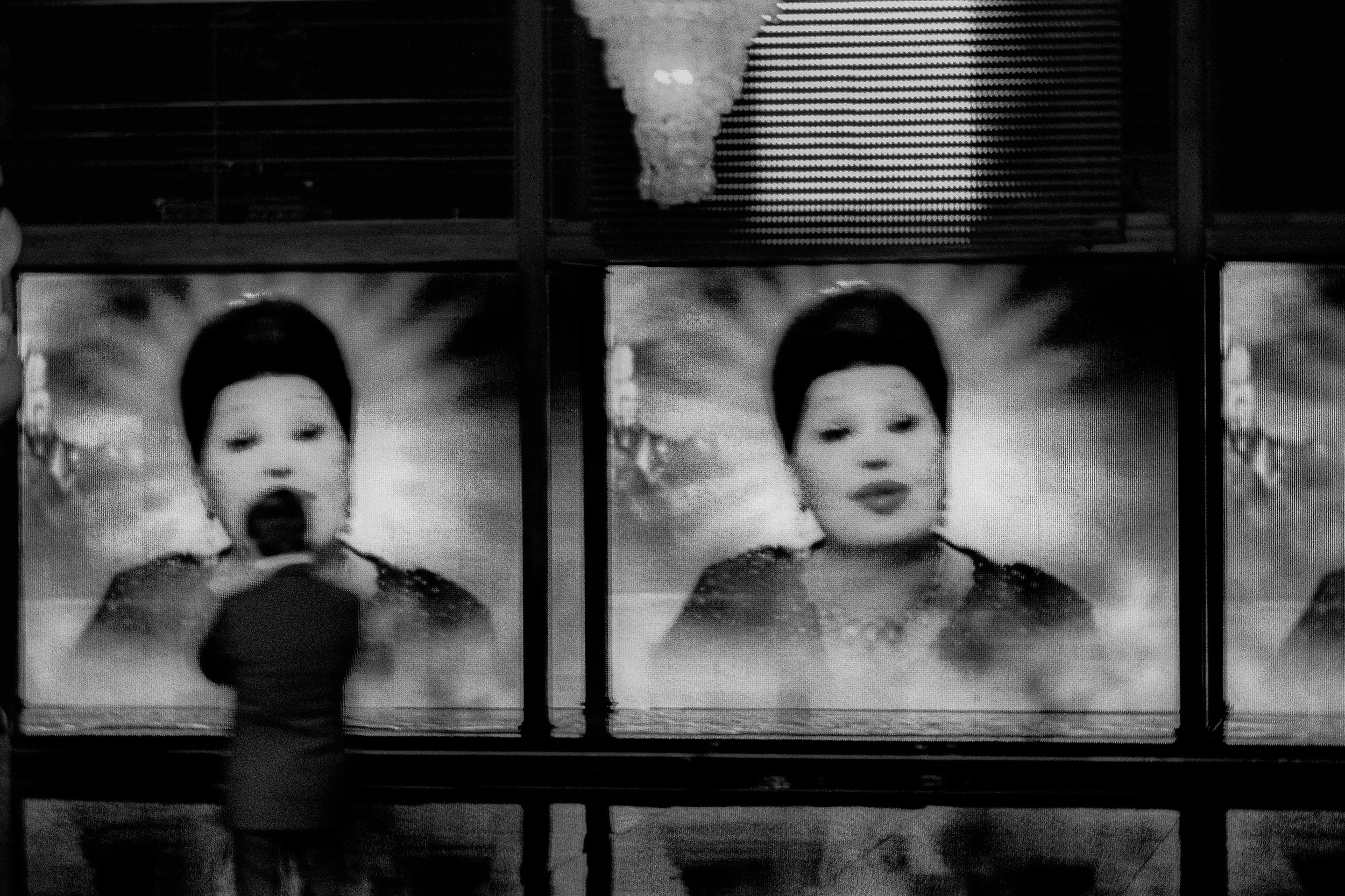
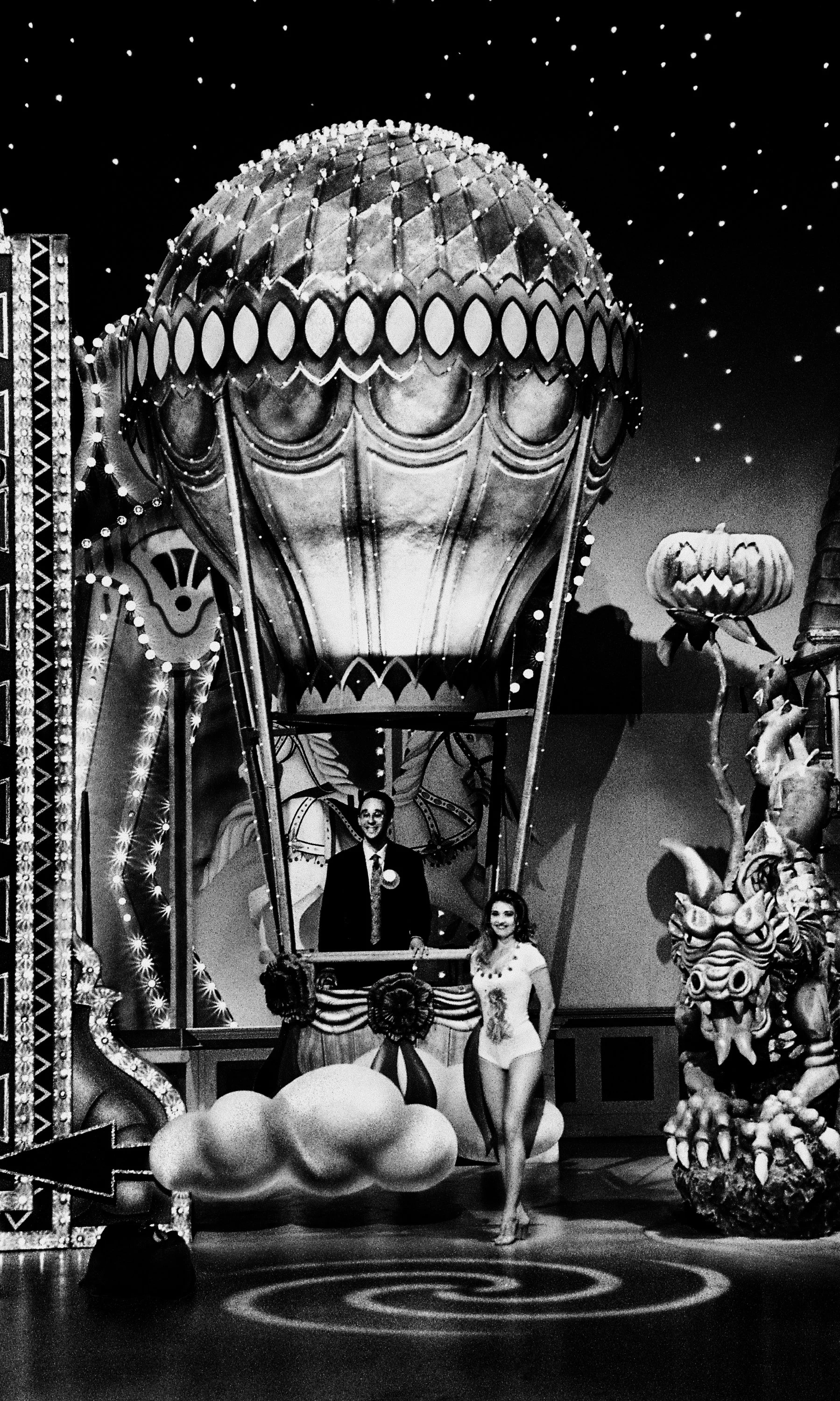
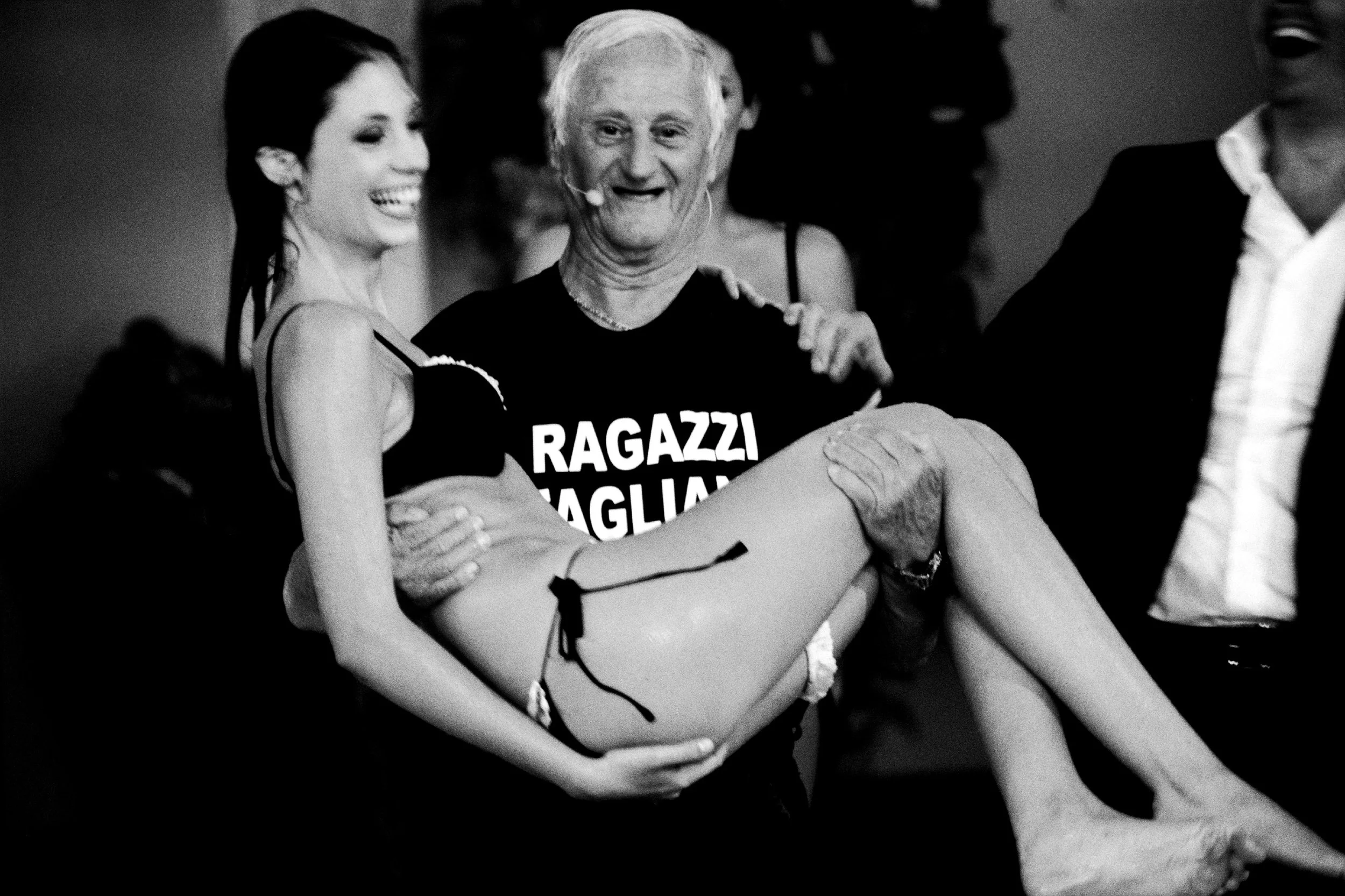
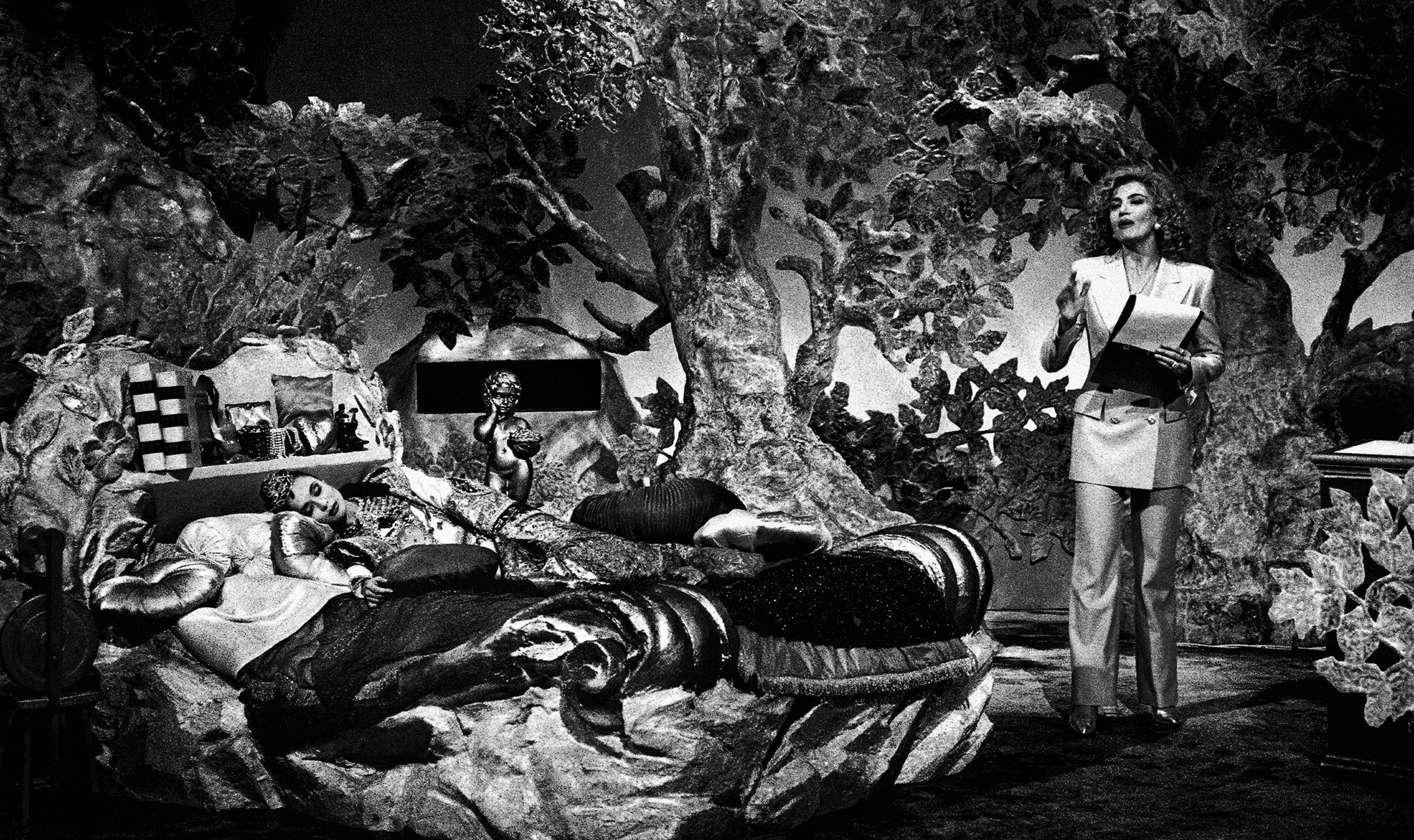
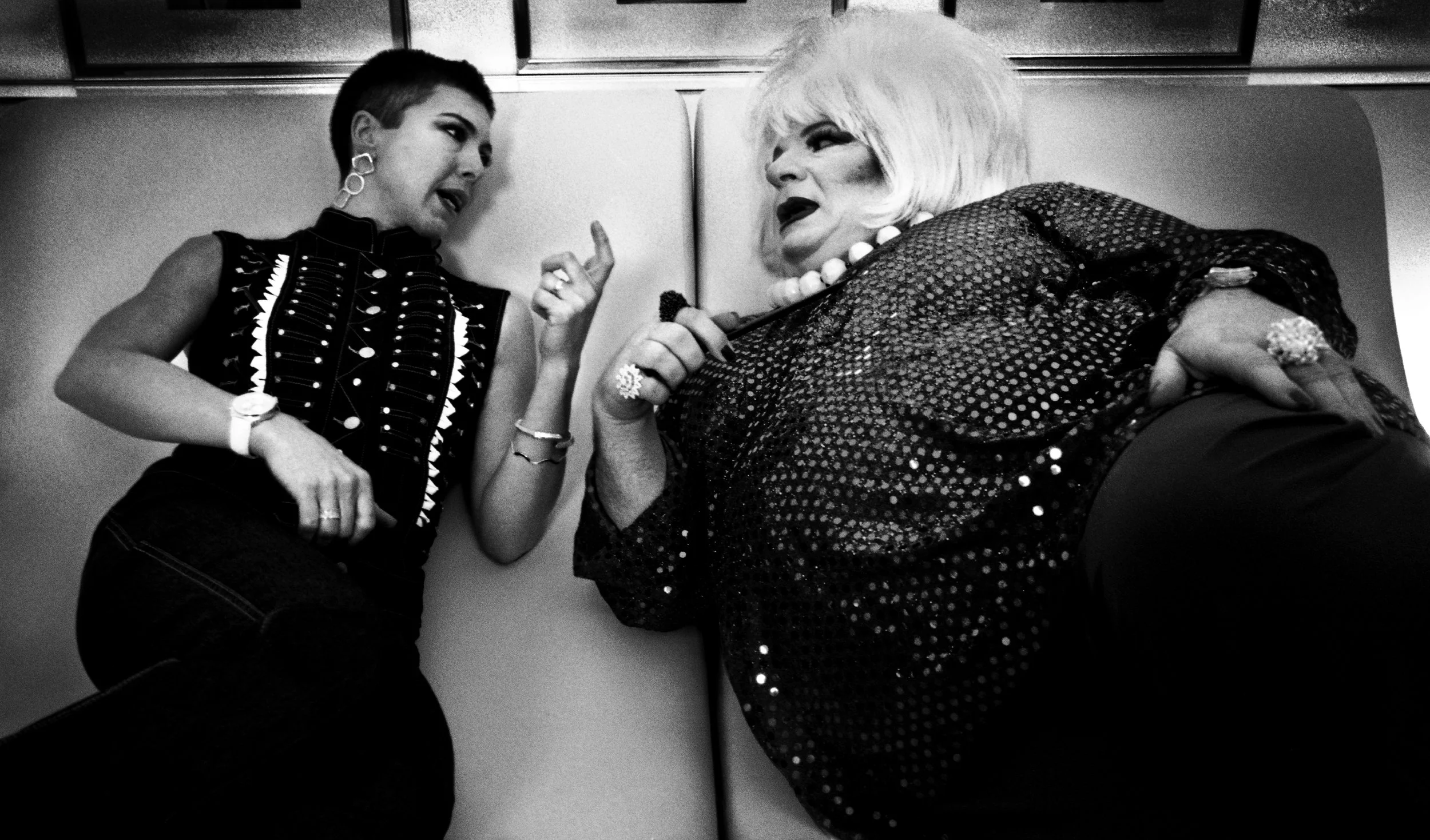
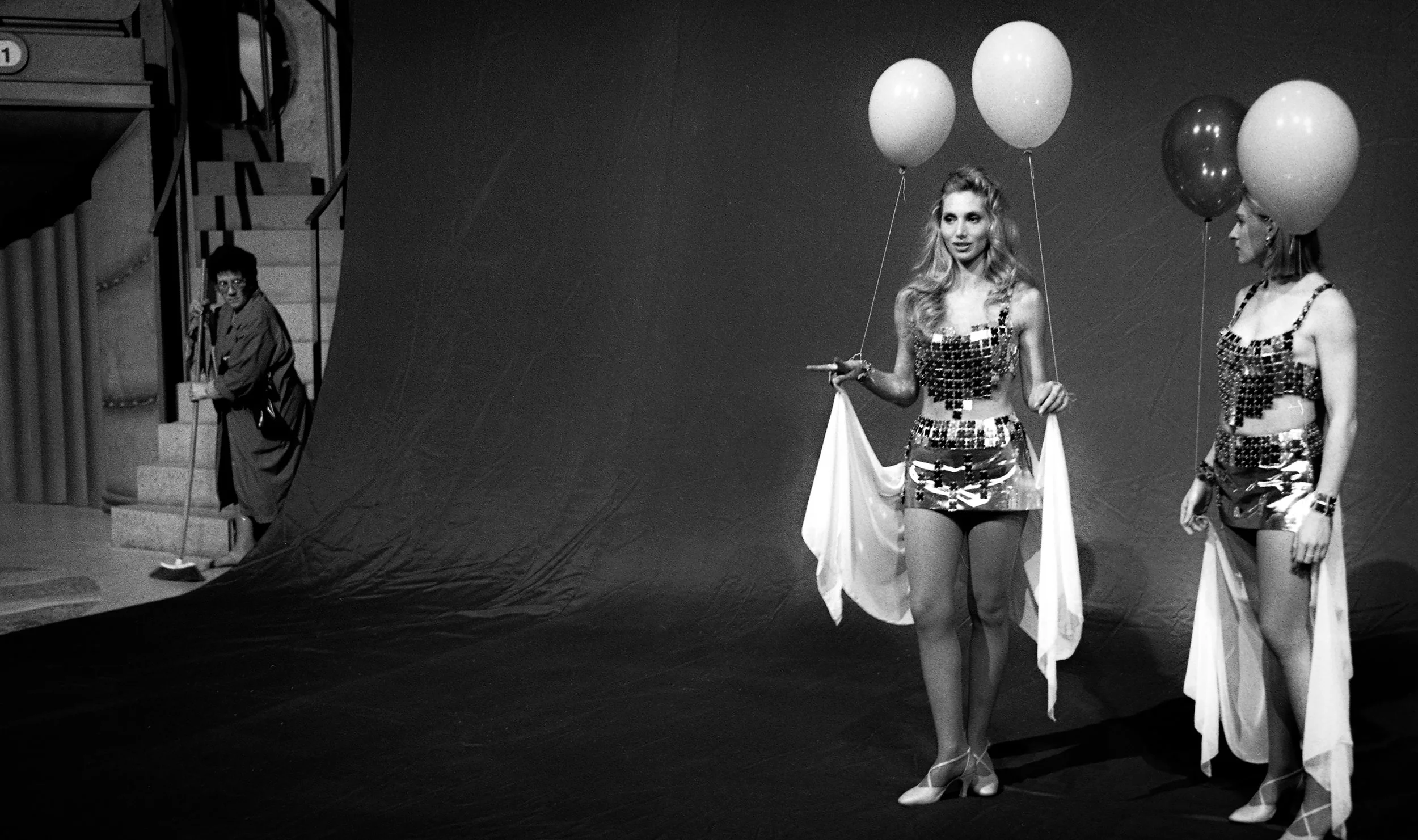
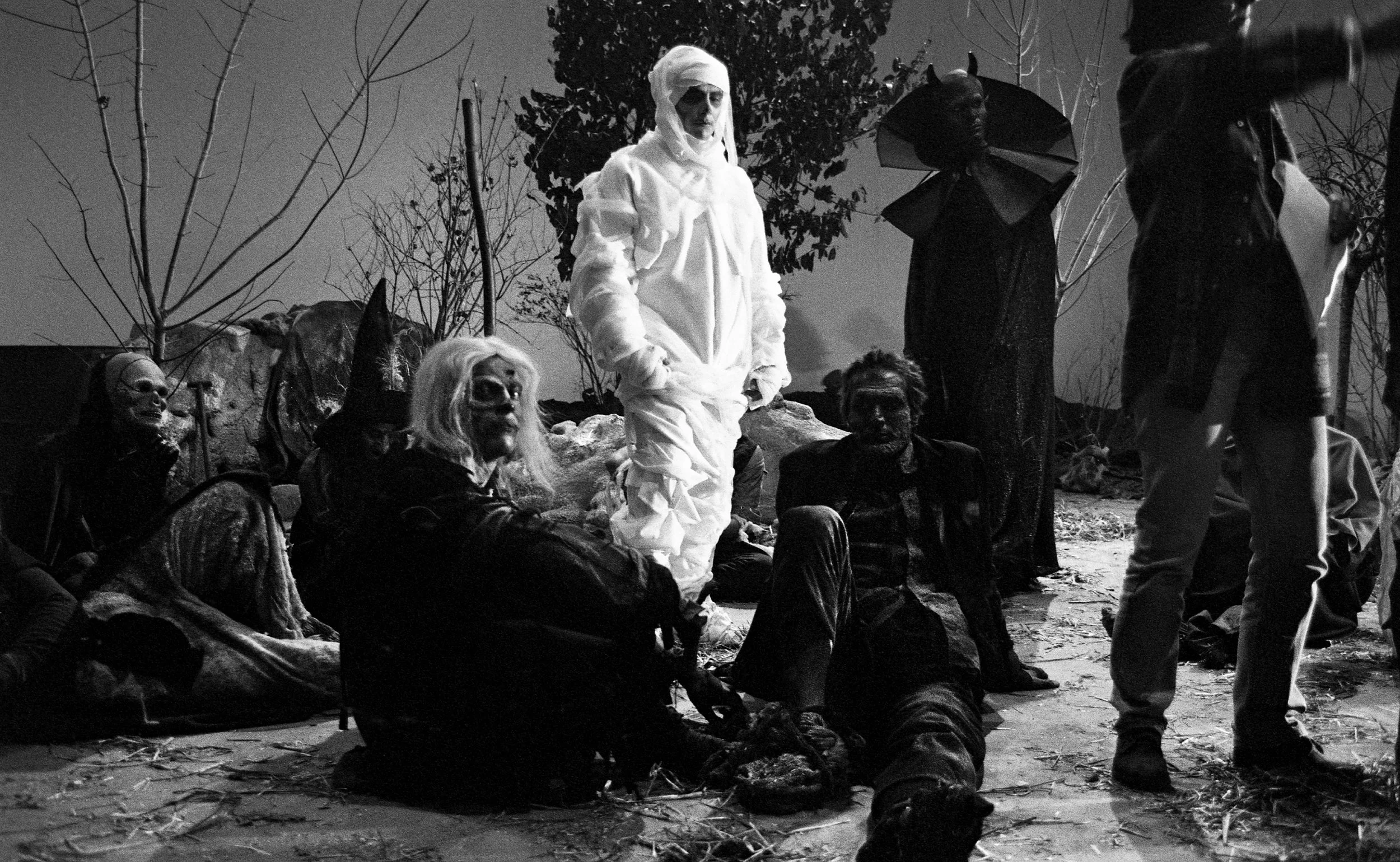
Photoshelter 2025, is dedicated to Stefano De Luigi. Born in Cologne and raised in Rome, Stefano De Luigi has lived between Milan and Paris, his city of choice. Photography is his chosen language for sharing stories and visions. As a documentary photographer, he has always explored humanity through social and cultural phenomena in which images play a dominant role, such as television, cinema, pornography, advertising and propaganda. Particularly in recent years, when the overproduction of images has challenged the authorship of photographers, De Luigi has reflected on the very meaning of photography, pointing it in ever different directions in the service of a message, a question or a communicative urgency.
His work has received numerous international awards, including four World Press Photo prizes (1998, 2007, 2010, 2011), the Eugene Smith Memorial Fund (2008), Soros Foundation's Moving Walls (2009), the Getty Images Grant for Editorial Photography (2010), and the Days Japan International Photojournalism Award (2010), working with several major international magazines, such as The New Yorker, Time, Geo, Paris Match, and Stern. Since 2008, he has been a member of VII Foundation as a photographer and educator.
He has published the books Pornoland (Thames & Hudson, 2004), Blanco (Trolley Book, 2010), iDyssey (Edition Bessard, 2017), Babel with Michela Battaglia (Postcart, 2018), Pornoland Redux (self-published, 2021), Il Bel Paese (L'Artiere, 2023) and Televisiva (L'Artiere), presented at Paris Photo in November 2024.
After being invited for an artistic residency at the Planches Contact Festival in Deauville (2022), he received the “Strategie Fotografia” grant from the Italian Ministry of Culture in 2023 for his project Il Bel Paese, exhibiting simultaneously in numerous galleries and museums, including Modern Applied Art in Belgrade (2023), Palazzo Ducale in Genoa (2018/2023), Fondazione Stelline in Milan (2012), the World Health Organization headquarters in Geneva (2010) Mart in Rovereto (2010) and the Corcoran Museum in Washington (2010).
These photographs, selected for Photoshelter 2025, are part of the Televisiva project, a work carried out by De Luigi between 1994 and 2009 on the television industry-Macao, I cervelloni, Non è la Rai, Domenica In, Il grande fratello-put together by Silvio Berlusconi during his two decades of political and media power management. Exhibited some 25 years later, they can be conceived as a true sociological and psychological investigation relating to an era and its individuals, giving us back the image of a media and existential circus that is a metaphor for a decadent society.
Maria Savarese