
BANSKY (THE UNKNOWN) IS A REGISTERED TRADEMARK
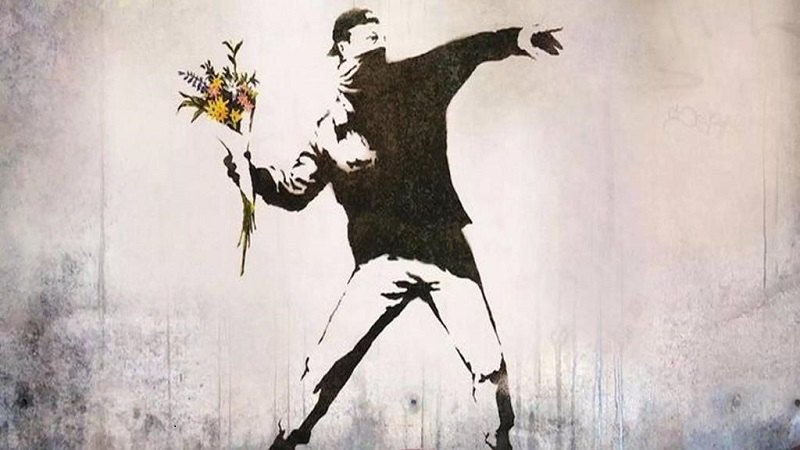
The Court of Milan has recently expressed its opinion on the protection of the works of the artist street art known by the pseudonym Banksy, whose identity is, as many may know, unknown.
The proceedings were initiated by Pest Control Office Ltd., which claimed to be the artist's rights holder, handling the sale of his works and organizing exhibitions. Pest Control Office also owns several trademarks ("Banksy") as well as the distinctive signs representing some of his most famous works, such as the girl with the red balloon and the flower thrower. Pest Control therefore took legal action against 24 Ore Cultura srl, alleging infringement of its trademark rights by Il Sole 24 Ore, which organized the exhibition "The Art of Banksy. A Visual Protest."
First, the title of the exhibition allegedly infringed Basnky's trademark rights. The infringement was also allegedly perpetrated through the use of images of the girl with the red balloon and the flower thrower in promotional materials for the exhibition.
On the one hand, the Court considered the use of the signs in question on the exhibition's merchandising to be unlawful, as it was merely a commercial use for the promotion of generic consumer products unrelated to the exhibition, and therefore could not be considered a lawful descriptive use of another's trademark.
On the other hand, however, it considered that the use of the Banksy sign and those corresponding to the aforementioned works in the promotional material for the exhibition constitutes a legitimate use of someone else's trademark, having a merely descriptive purpose of the exhibition itself.
The Court also rejected the defendant's defence based on the fact that the owners of the Banksy works on display (aka the multiples of his works of street art (marketed by him) had also expressly granted the defendant the right to reproduce such works.
Indeed, under copyright law, "the transfer of one or more copies of a work does not imply, unless otherwise agreed, the transfer of exploitation rights, governed by this law." In this context, the Judge clarified, "case law has long clarified that even the photographic reproduction of a figurative work of art in an exhibition catalog represents a form of commercial exploitation of the pictorial work and falls within the exclusive right of reproduction reserved to the author."
Despite the foregoing, the Court ruled out the possibility that the unauthorized reproduction of the works in the catalog constituted unfair competition to the detriment of the defendant. This requirement, in fact, requires not only unlawful conduct, but also that it actually cause damage to the competitor alleging unlawful conduct.
Having therefore ascertained that the only unlawful act attributable to the defendant is the use of the appellant's trademarks on merchandising products, the Court enjoined the further marketing of the merchandising items in question, setting a penalty and condemning the defendant to pay part of the legal costs incurred by the appellant.