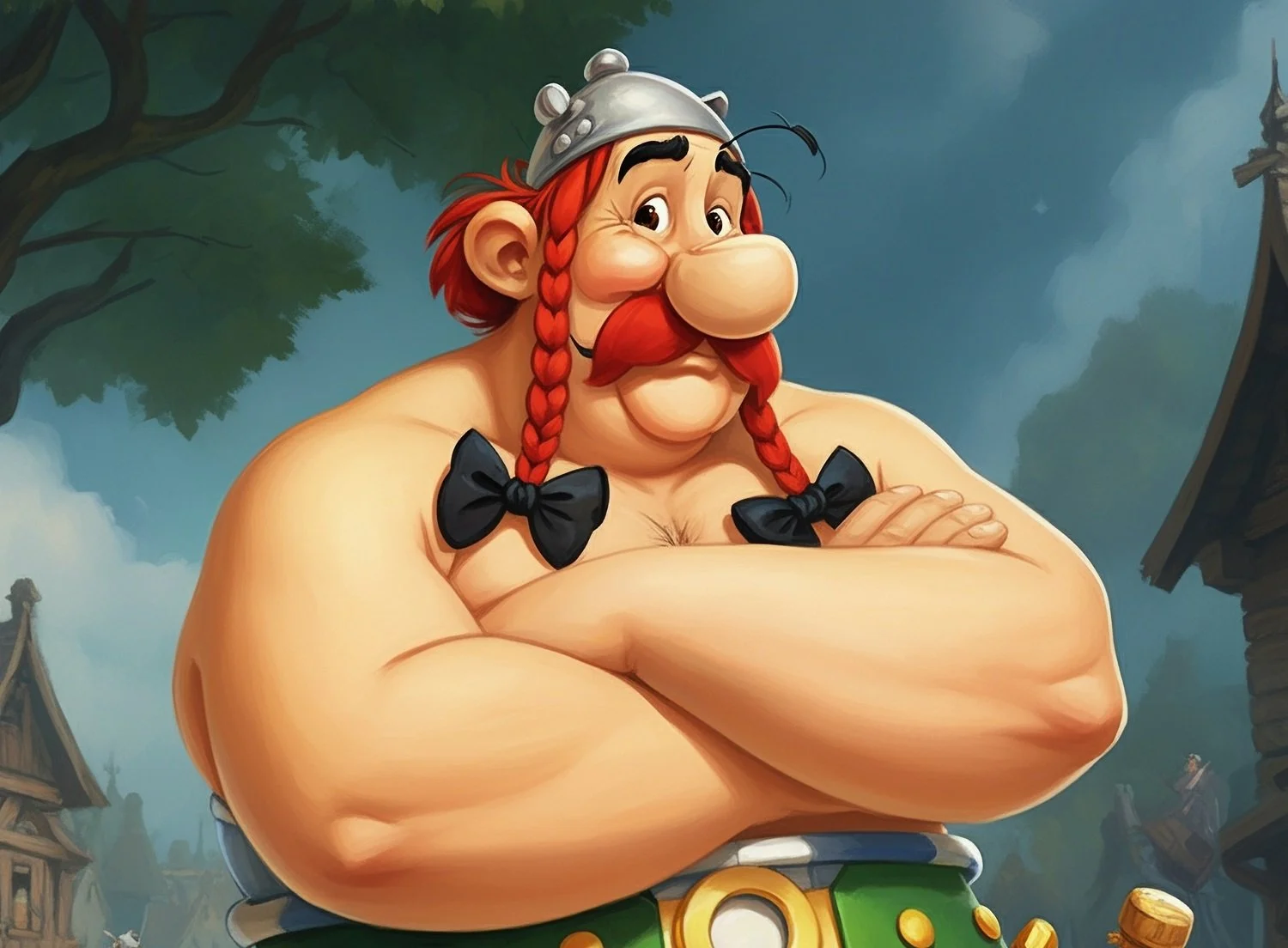
Obelix, Weapons and Trademark Reputation: the EU General Court Overrules the EUIPO.
The EU General Court has reaffirmed that famous trademarks deserve protection beyond the likelihood of confusion. Reputation itself is a valuable asset and may prevent the use of identical signs even in entirely different markets.
Prince’s Heirs vs. Apollonia: When a Trademark Meets Artistic Identity
The settlement between Prince’s heirs and Apollonia highlights a recurring issue in entertainment law: when a stage name becomes both a trademark and an element of personal identity, exclusive rights must be balanced against personality rights.
Who really owns AI-generated content?
Artificial intelligence can generate valuable content, but not always legally protectable rights. As AI adoption grows, ownership, copyright and contractual risk become central issues for every business.
Facial recognition and European law: what really changes for companies and creatives.
Facial recognition is no longer just a technological tool. Under the GDPR and the AI Act, it raises complex legal issues involving biometric data, governance, contractual risk, and regulatory compliance.
The “Simple” Photograph is no longer Simple: Seventy Years of Protection and a Shift in Perspective in Copyright Law
The extension of protection for simple photographs from twenty to seventy years reflects a fundamental shift in copyright law, recognising their lasting economic, documentary, and cultural value in the digital age.
AI, Liability and Governance: What companies must know about Italy’s Law No. 132/2025
Italy’s new AI Law confirms that AI-generated content is protected only where it reflects genuine human creativity. The reform places governance, traceability and human authorship at the centre of AI compliance.
The CJEU’s Mio/Konektra judgment and the future of Applied Art Copyright
The CJEU has confirmed that functional products may qualify for copyright protection where they reflect genuine creative choices. The Mio/Konektra judgment strengthens the protection of applied art across the European Union.
GEMA vs OpenAI: the ruling that may reshape how AI uses copyrighted works
The GEMA v. OpenAI ruling marks a turning point for AI training in Europe. The Munich Regional Court confirmed that using copyrighted works to train AI models may require prior authorization, reshaping the relationship between copyright and artificial intelligence.
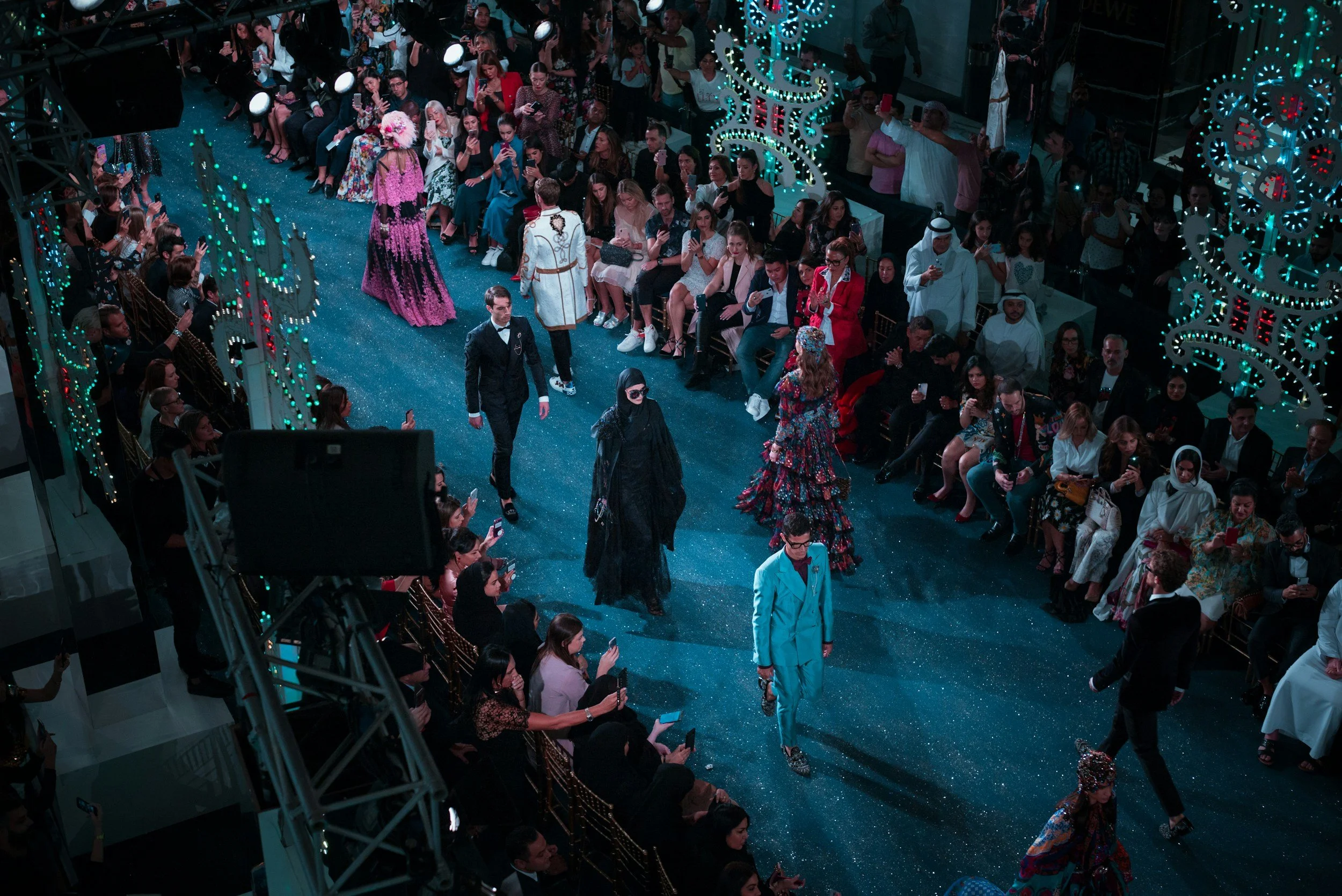
Runway soundtracks vs. music licensing and copyright
Music has become an essential part of the fashion experience, but every runway soundtrack raises important copyright and licensing issues. From public performance to livestreaming, fashion brands must navigate a complex legal framework to ensure the lawful use of music.
From Digital Identity to Business. Eidas 2.0 Opens New Paths for Companies
The new eIDAS 2 implementing regulations establish the technical foundations of the European Digital Identity Wallet. They open new opportunities for businesses while introducing a common framework for secure digital identity, verifiable credentials and cross-border interoperability.
Copyright and generative AI: who is the “real” author?
Generative AI is challenging one of the fundamental principles of copyright law: that only human creativity can give rise to authorship. As AI-generated content becomes increasingly valuable, questions of ownership, liability and commercial exploitation are becoming central for creators and businesses alike.
The reform of the European regulation on designs (Designs & Models Package)
The EU Design Reform modernises design protection for the digital era, extending protection to digital products, animations and interfaces while simplifying procedures and introducing new rules for enforcement, repair and 3D printing.
Piracy Shield and fundamental rights: the Italian anti-piracy system under scrutiny by the European Union
Italy’s Piracy Shield was created to combat online copyright infringement through rapid blocking orders. However, the European Commission has questioned its compatibility with the Digital Services Act, raising concerns over transparency, due process and the protection of fundamental rights.
ITA Airways vs. Aeroitalia: the Court of Rome upholds the complaint filed by the national airline.
The dispute between ITA Airways and Aeroitalia highlights the legal complexities surrounding trademark continuity after a corporate transition. Beyond the airline sector, the case raises broader questions about brand identity, acquired rights and the strategic value of legacy trademarks.
Denmark’s groundbreaking “deepfake copyright” proposal
Denmark’s proposed deepfake legislation would give individuals copyright-like control over their face, voice and likeness. If adopted, it could reshape the legal protection of digital identity and become a model for future AI regulation across Europe.
Getty vs Stability AI: a landmark lawsuit on copyright and artificial intelligence.
The Getty Images v. Stability AI case is one of the first major lawsuits to address whether copyrighted content can be used to train generative AI models. Its outcome could redefine the relationship between artificial intelligence, copyright and the licensing of creative works.
Blanding: When Minimalism Meets Legal Risk in Fashion Branding
The trend towards minimalist branding is reshaping not only visual identity but also trademark protection. As logos become increasingly uniform, businesses must balance digital simplicity with the legal need to preserve distinctiveness and brand value.
Trademark Disputes and Licensee Rights: Insights from the US Polo Association Ruling.
A recent decision of the Court of Venice clarifies two key principles of trademark law: the limits of a licensee’s standing to sue and the criteria for assessing the likelihood of confusion. The ruling confirms that trademark protection depends on a global assessment of distinctiveness, not on superficial similarities alone.
The 2025 Italian Cinema Tax Credit
Italy’s 2025 reform of film tax incentives introduces a more selective and strategic funding model. Flexible tax credits, stronger public oversight and new rules on rights, digitisation and cultural value are reshaping the legal framework for the audiovisual industry.
AI Training and Copyright: toward a single opt-out registry?
As the AI Act’s copyright obligations take effect, the debate is shifting from legal principles to practical implementation. The challenge is no longer whether right holders can opt out of AI training, but how that right can be exercised through a clear, effective and widely accepted system.