Who really owns AI-generated content?
Artificial intelligence can generate valuable content, but not always legally protectable rights. As AI adoption grows, ownership, copyright and contractual risk become central issues for every business.
The “Simple” Photograph is no longer Simple: Seventy Years of Protection and a Shift in Perspective in Copyright Law
The extension of protection for simple photographs from twenty to seventy years reflects a fundamental shift in copyright law, recognising their lasting economic, documentary, and cultural value in the digital age.
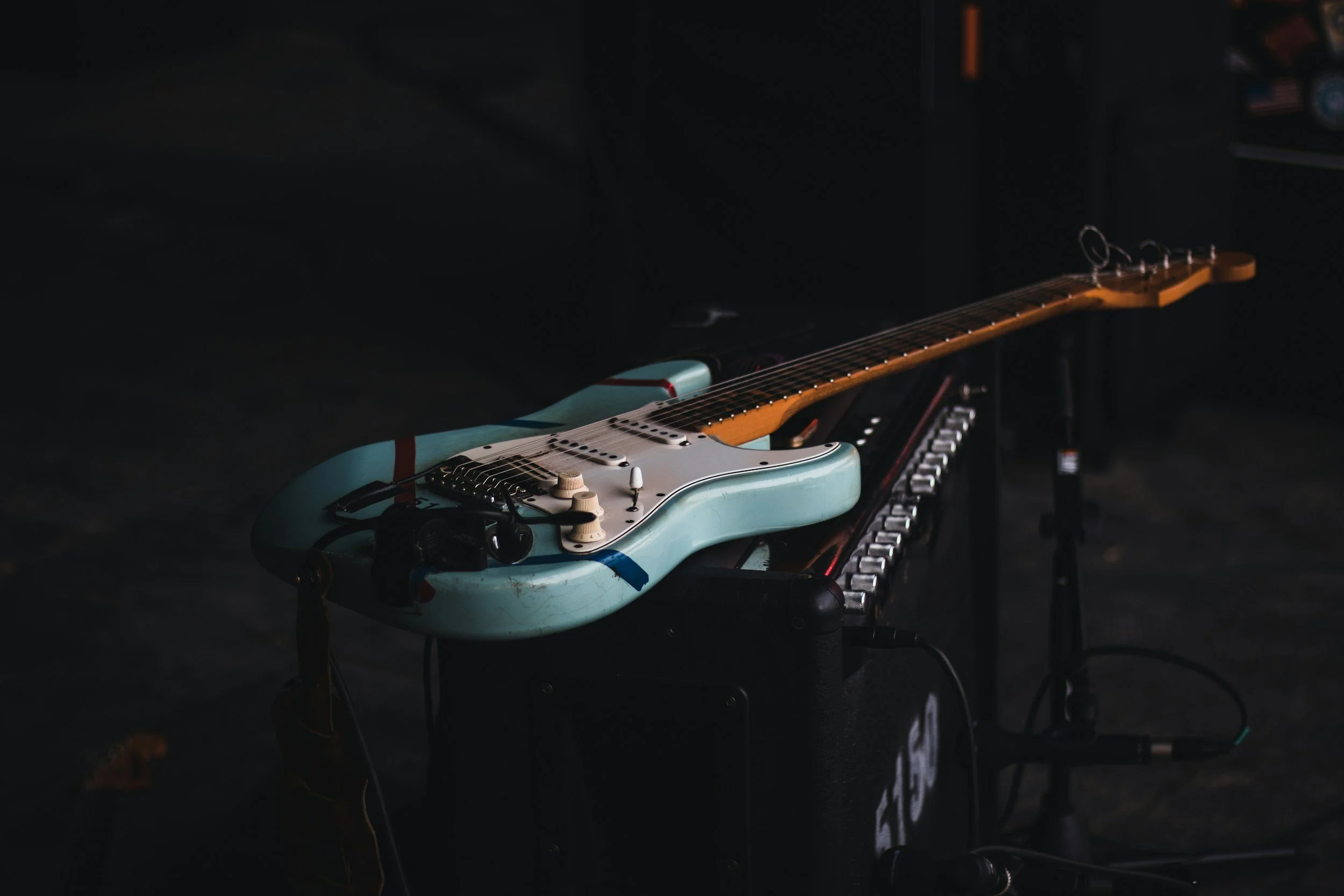
The CJEU’s Mio/Konektra judgment and the future of Applied Art Copyright
The CJEU has confirmed that functional products may qualify for copyright protection where they reflect genuine creative choices. The Mio/Konektra judgment strengthens the protection of applied art across the European Union.
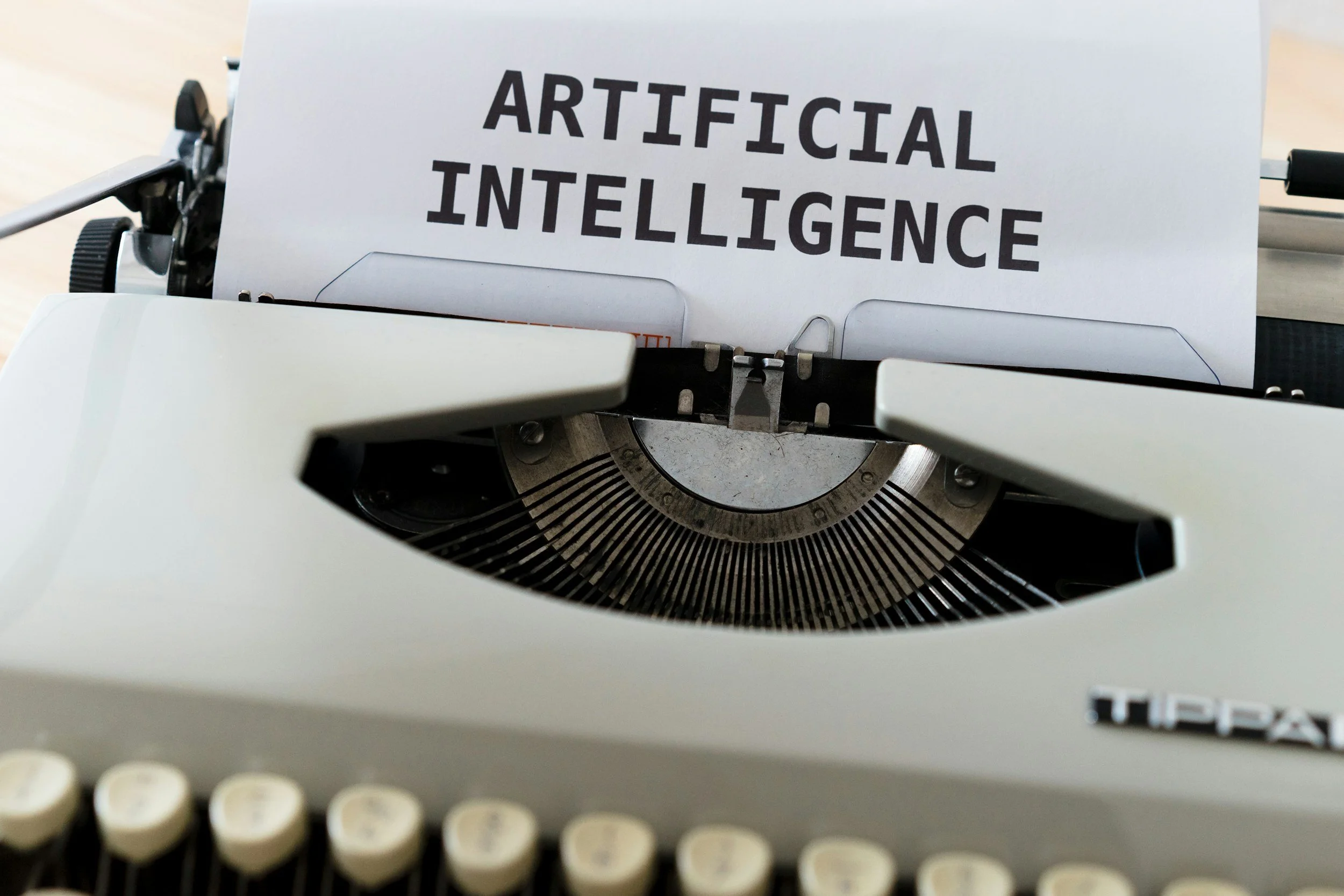
GEMA vs OpenAI: the ruling that may reshape how AI uses copyrighted works
The GEMA v. OpenAI ruling marks a turning point for AI training in Europe. The Munich Regional Court confirmed that using copyrighted works to train AI models may require prior authorization, reshaping the relationship between copyright and artificial intelligence.
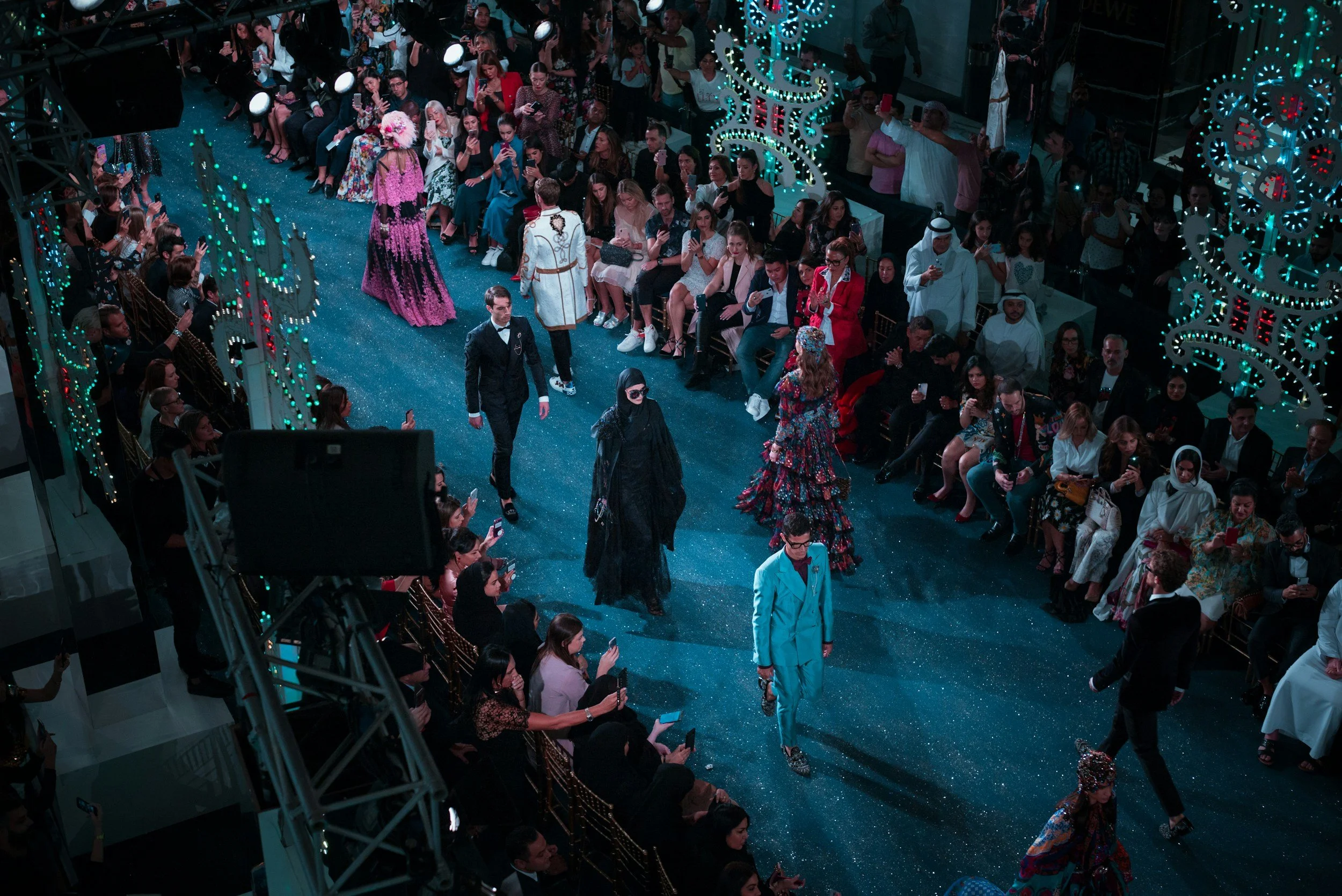
Runway soundtracks vs. music licensing and copyright
Music has become an essential part of the fashion experience, but every runway soundtrack raises important copyright and licensing issues. From public performance to livestreaming, fashion brands must navigate a complex legal framework to ensure the lawful use of music.
AI Training and Copyright: toward a single opt-out registry?
As the AI Act’s copyright obligations take effect, the debate is shifting from legal principles to practical implementation. The challenge is no longer whether right holders can opt out of AI training, but how that right can be exercised through a clear, effective and widely accepted system.