
In 2015, we launched the “Photo Shelter” project, curated by Maria Savarese.
Every year, our website features photographs by an artist with whom we have collaborated in the past: for more than ten years now, the Studio has been supporting photographers’ work by protecting their copyrights and assisting them in negotiating sales contracts, commission agreements, supply agreements with retailers, and so on.
Photography is a subject close to our firm’s heart; we have represented several photographers in legal disputes (including the Cox-Marras case), and since 2018 we have been collaborating with Pixsy, an international platform dedicated to protecting Copyright .
From Carlo Orsi to Giulio Parisio, from Franco Pasti to Giada Ripa, from Matteo Gastel to Gianni Fiorito, for the past 10 years Photoshelter has served as an open archive ready to showcase the work of many other photographers who are significant to the Studio.
Photoshelter's mission is to combine our legal expertise with our passion for photography and its promotion.
Photoshelter
Francesco Patriarca Time Whispers in the Rose Garden of Love
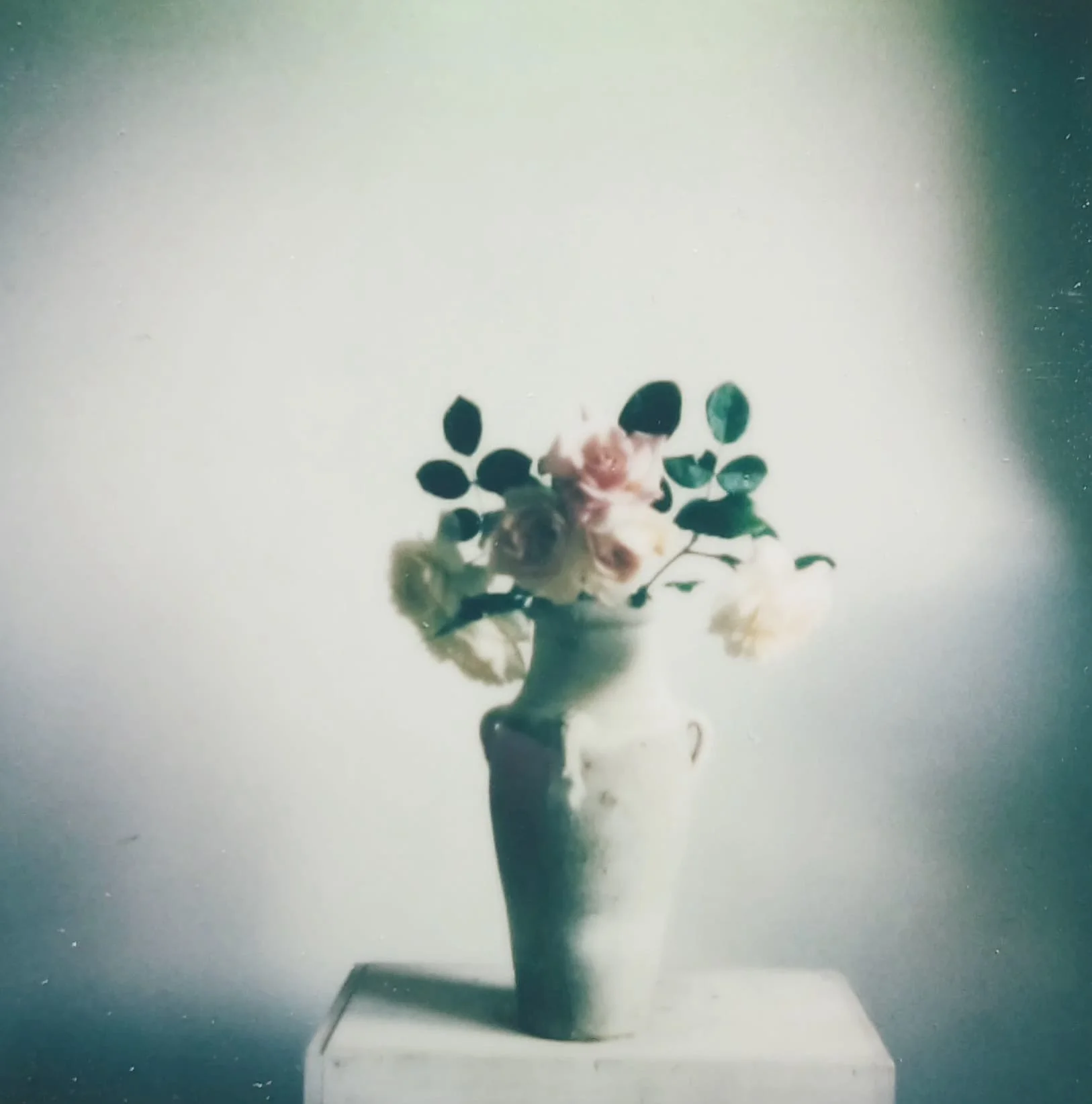
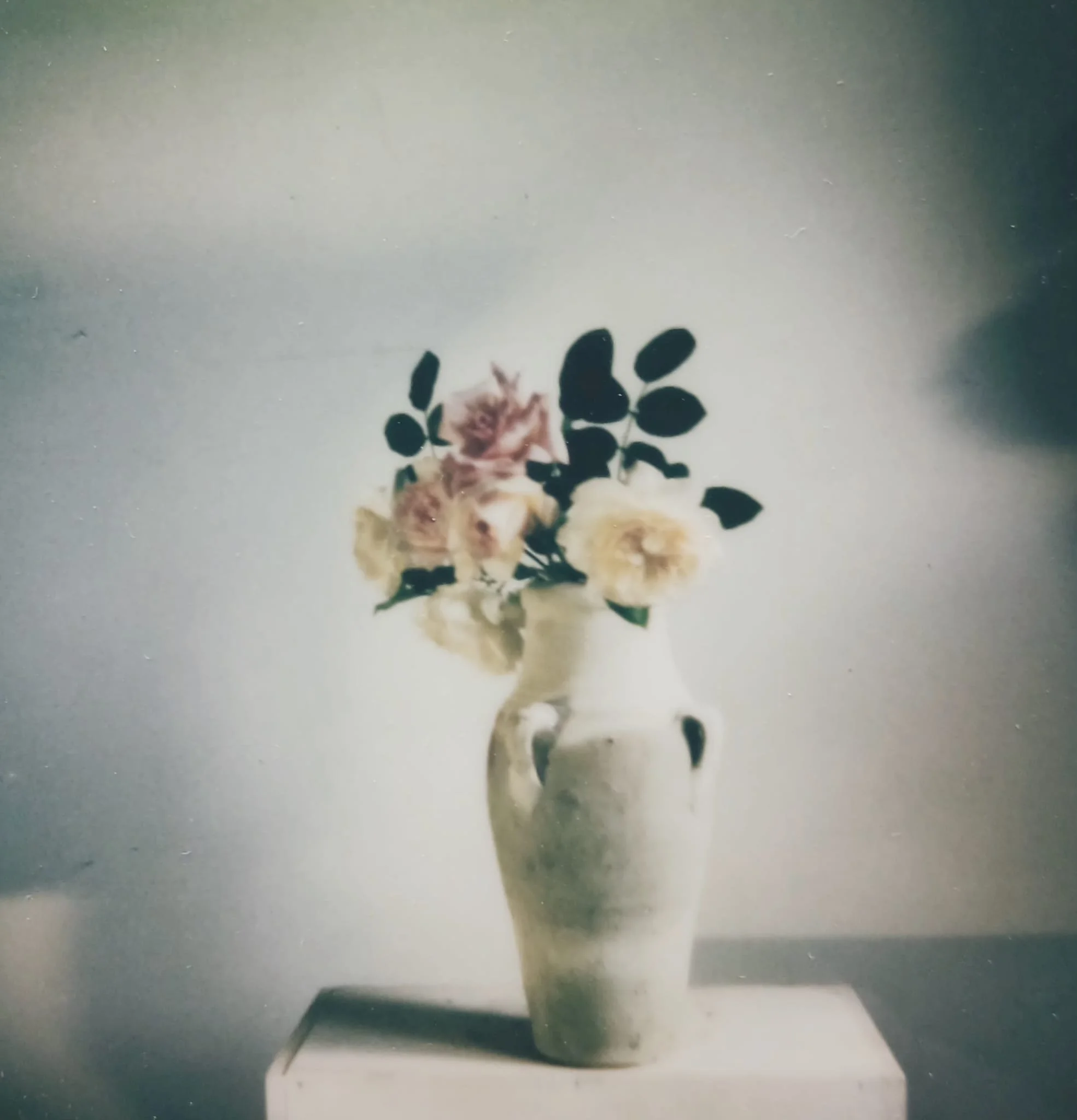
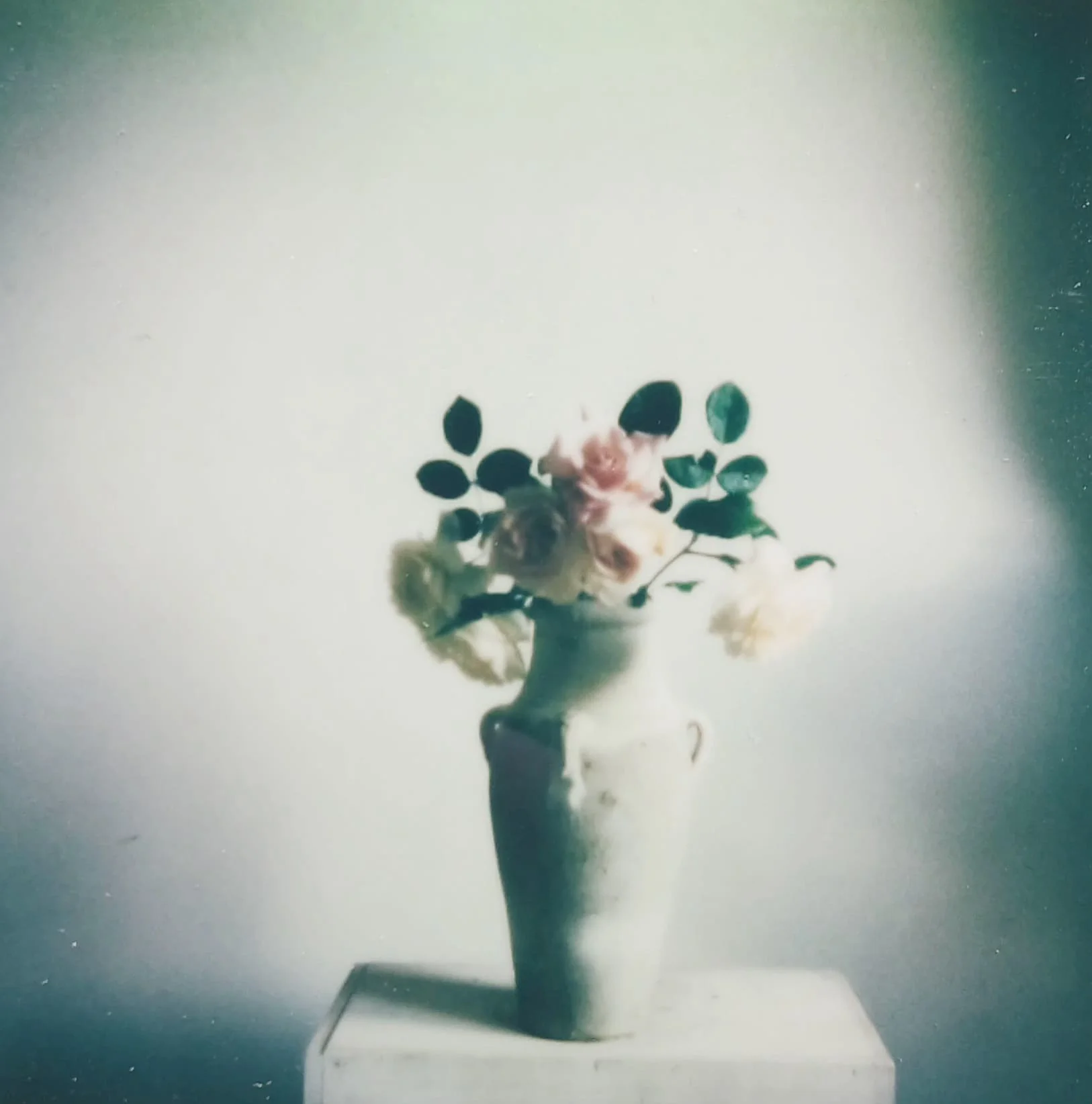
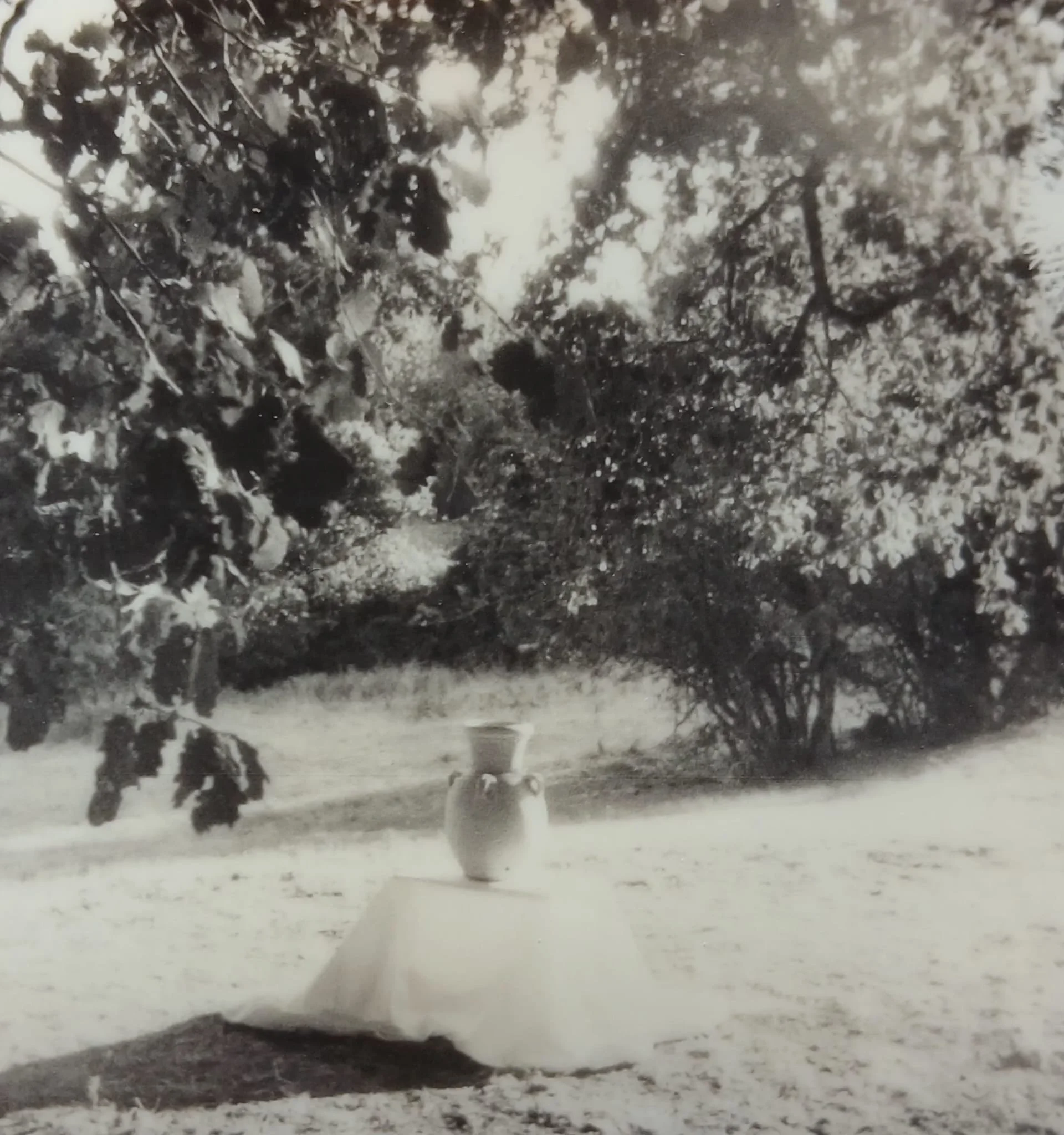
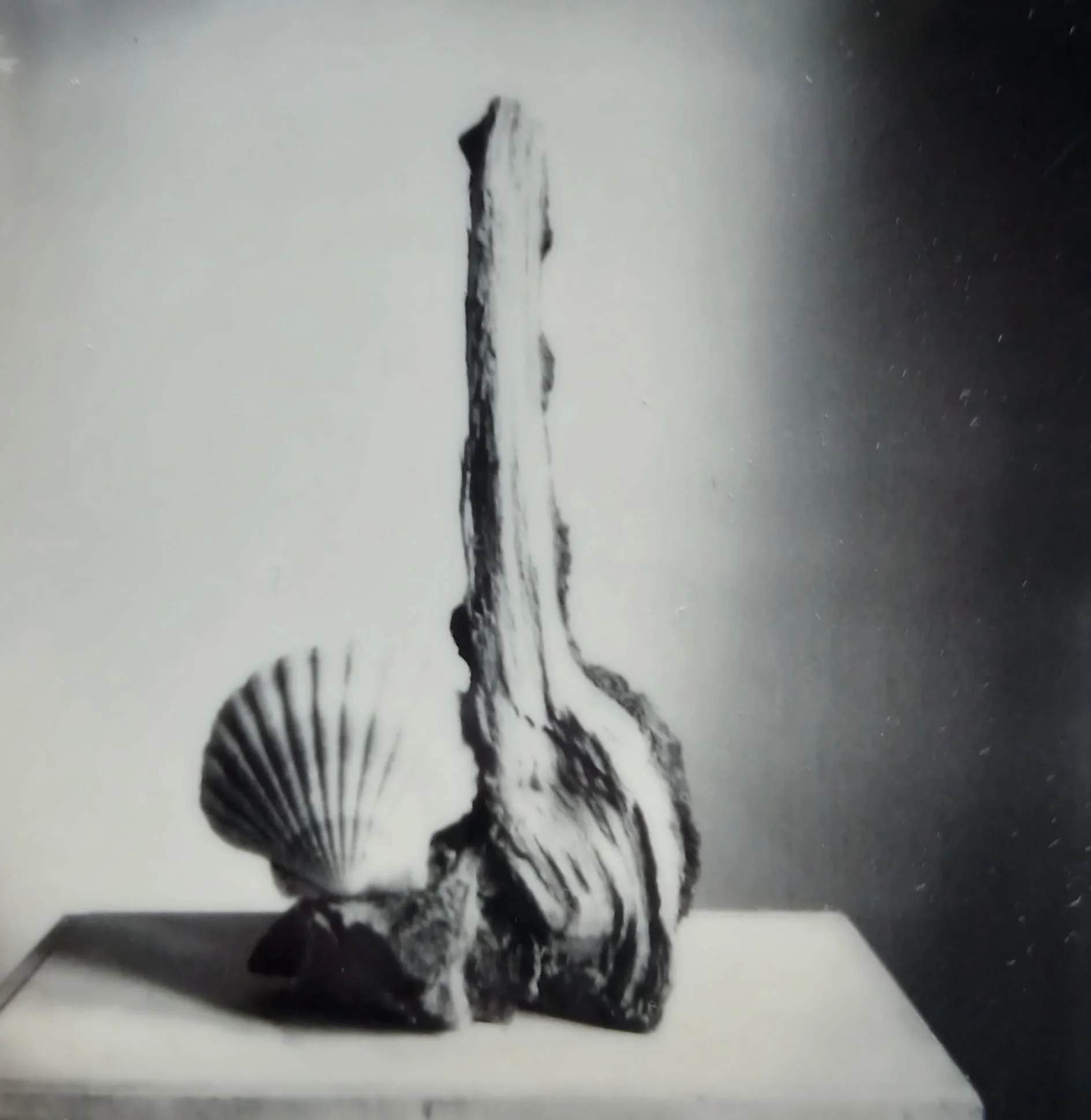
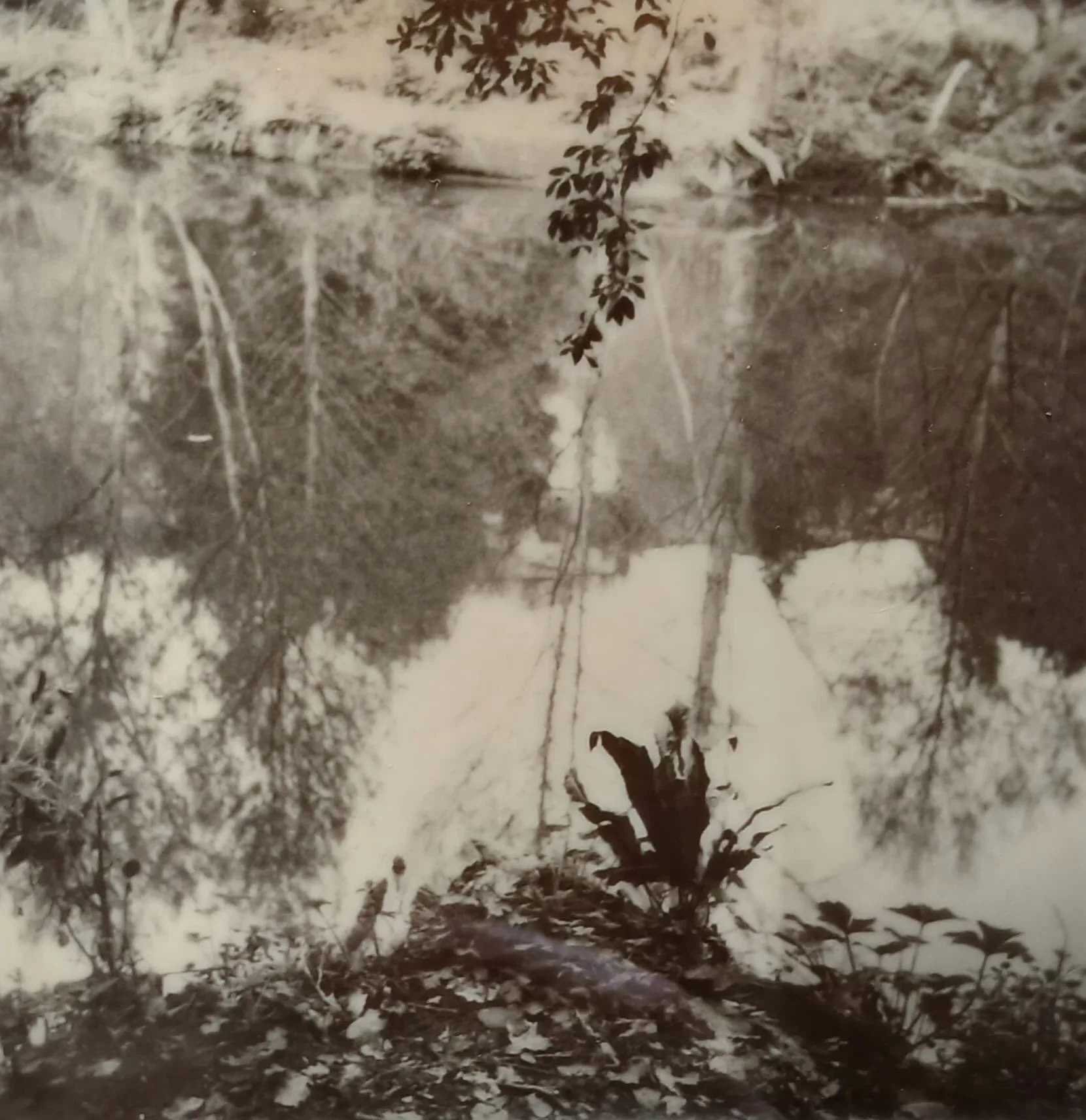
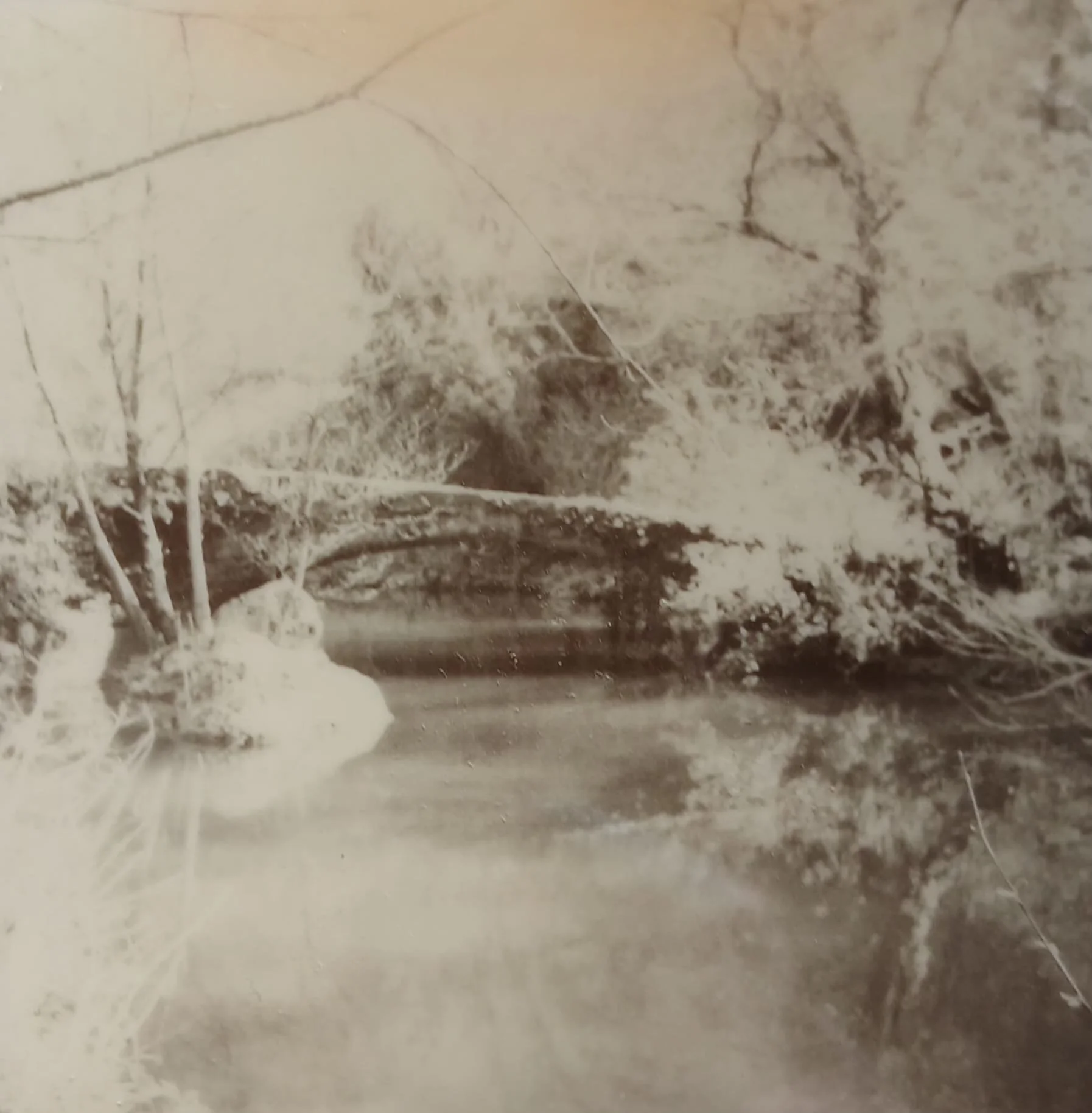
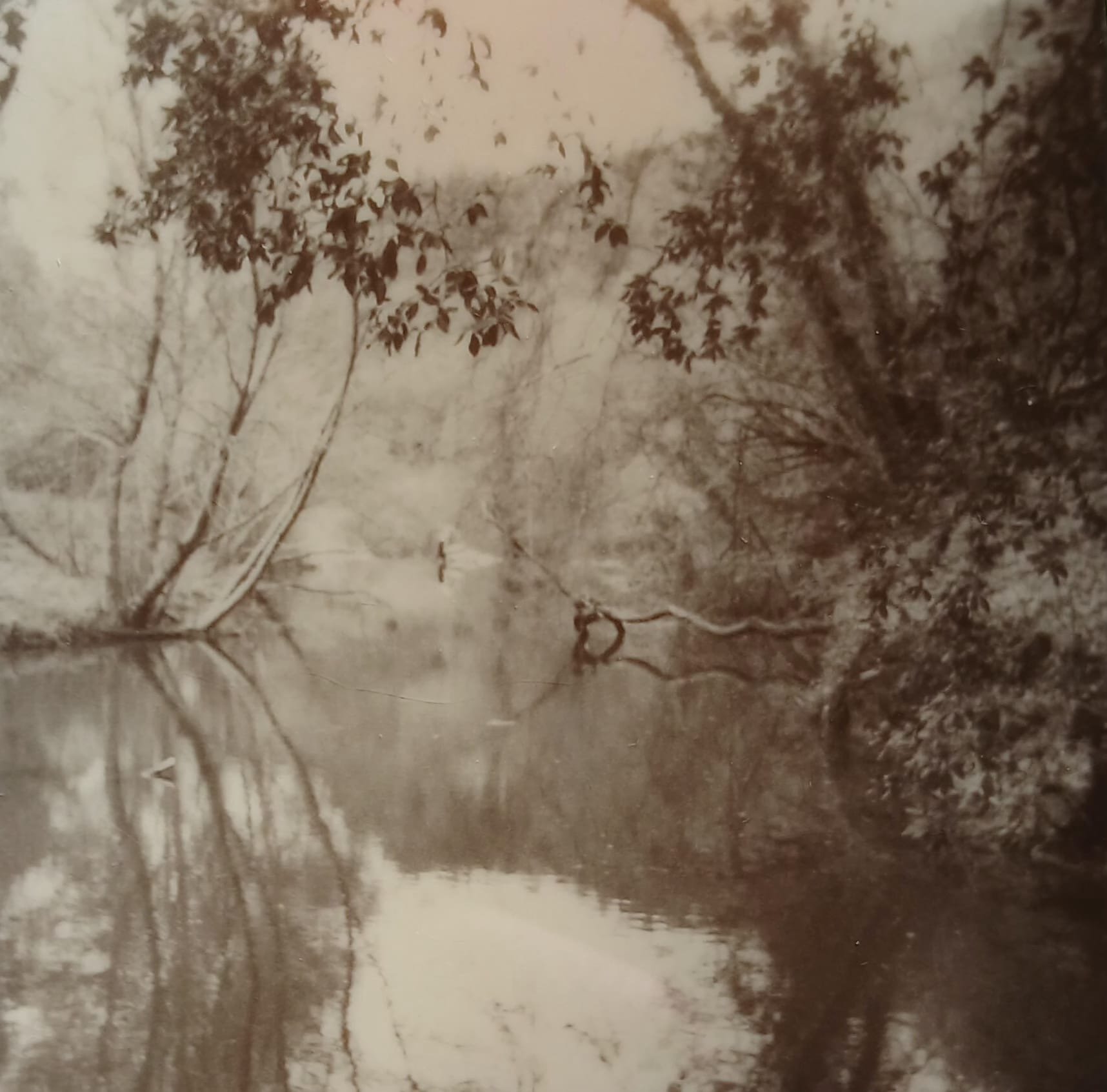
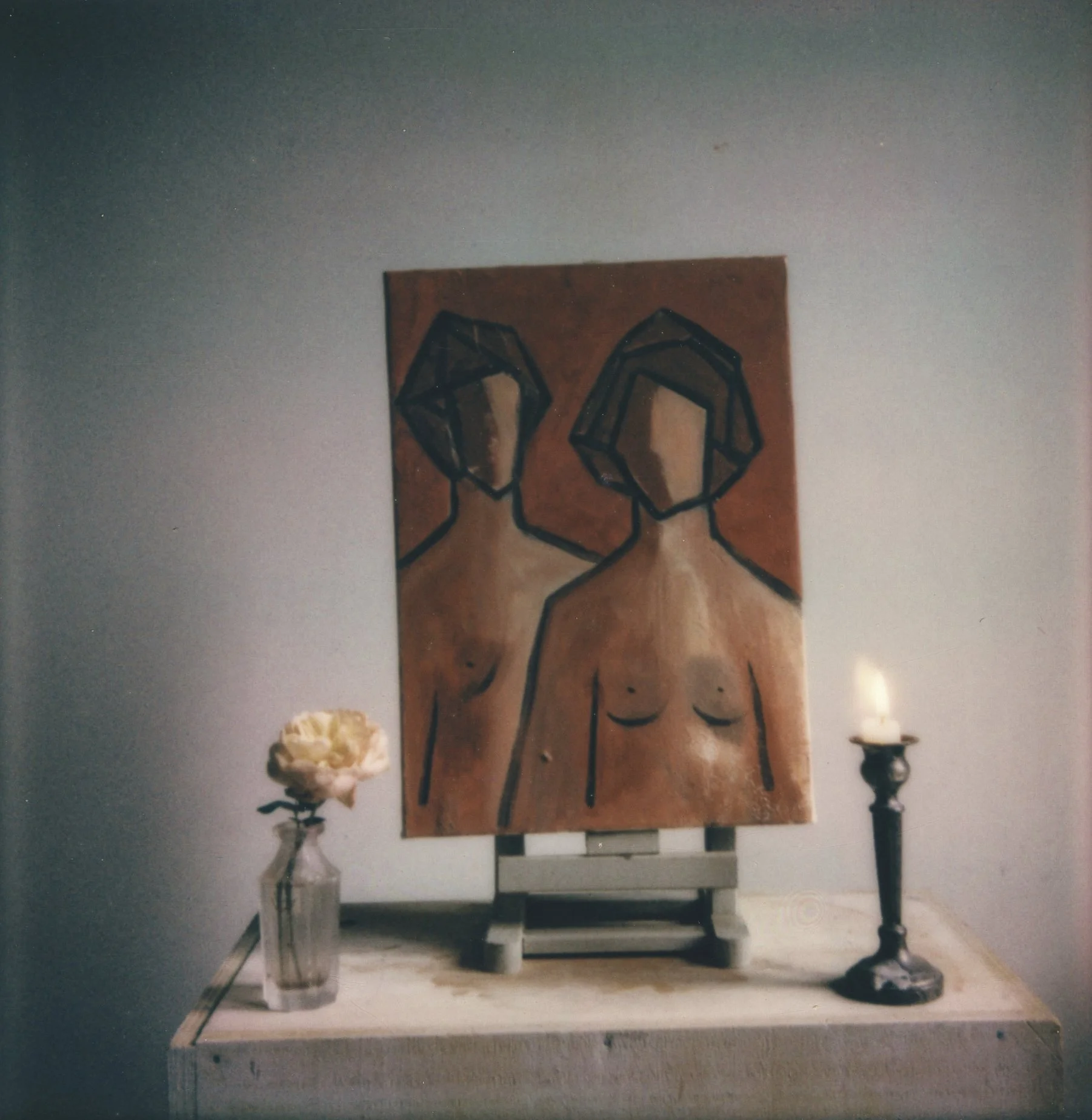
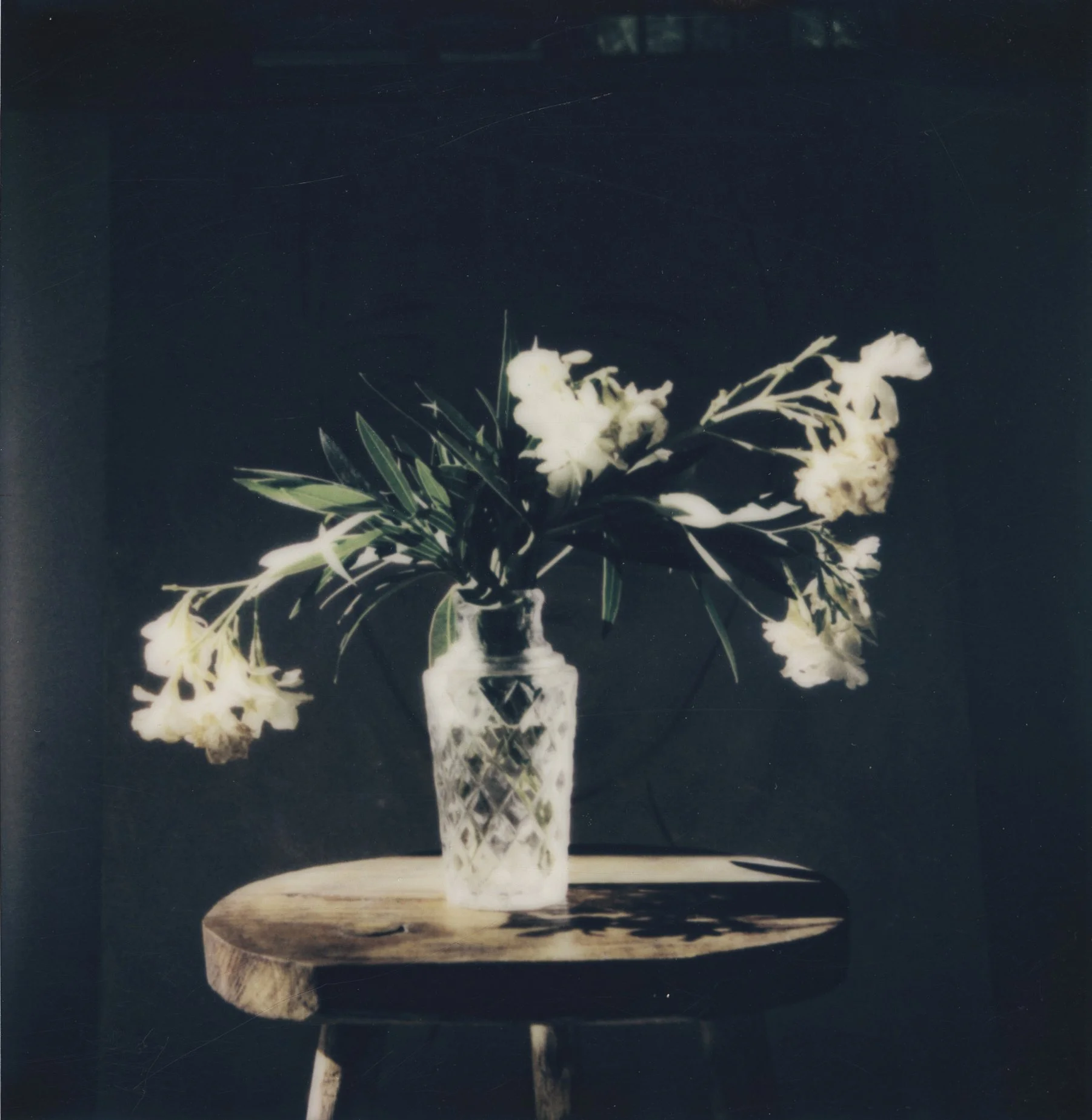
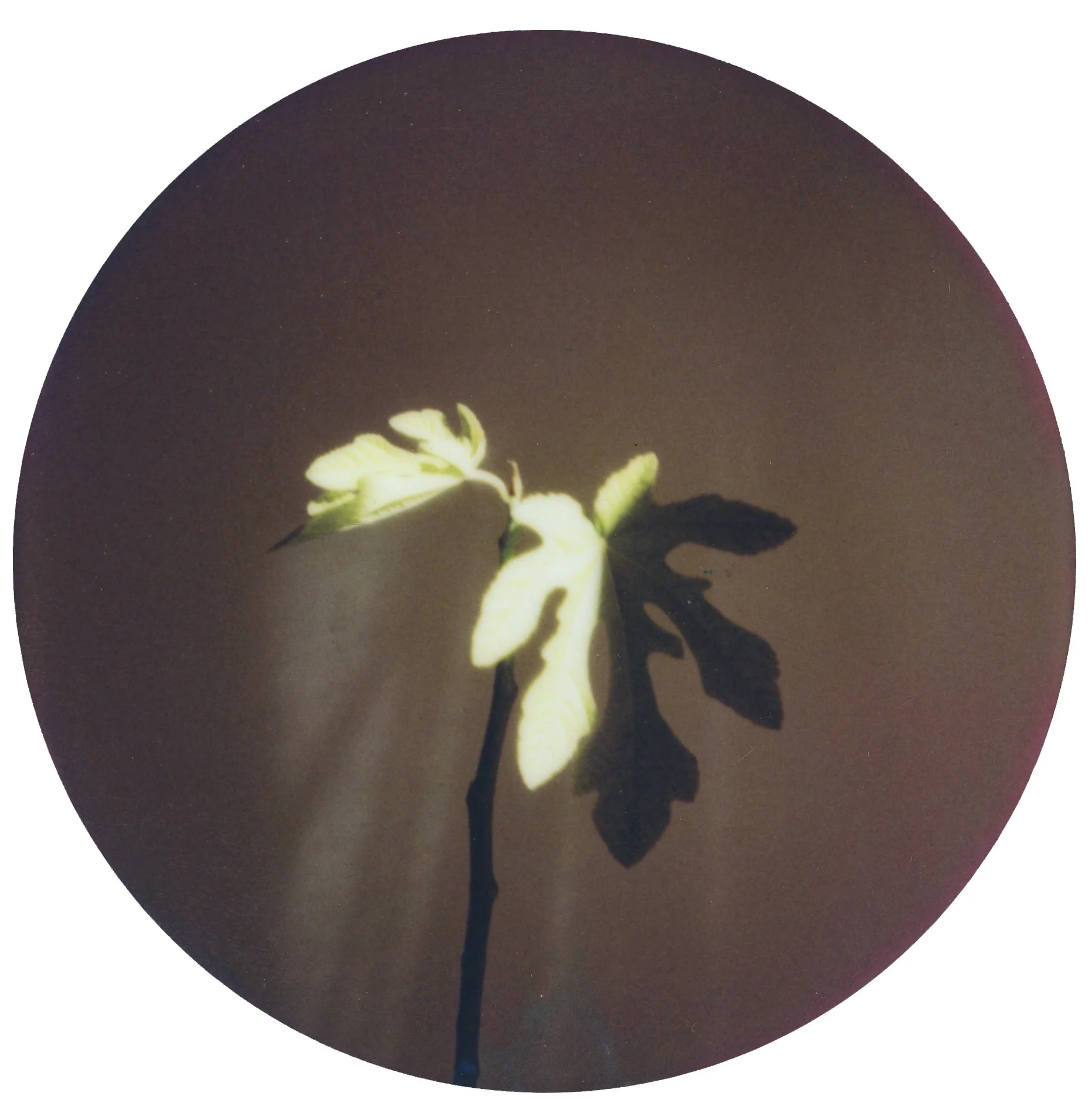
Photoshelter 2026 is dedicated to the photography of Francesco Patriarca.
Born in 1974 in Rome, where he lives and works, Francesco Patriarca developed an artistic career in which his life and work are inextricably intertwined. His professional development stems from personal experience—from moments he has lived through—which the artist translates into visual projects rather than individual works.
Active since the late 1990s, Patriarca has been exhibiting since 2002 in galleries, museums, foundations, and national and international institutions, including The Gossmichael Foundation (Dallas), The Dactyl Foundation (New York), Fondazione Pastificio Cerere (Rome), the Museum of Trajan’s Markets (Rome), the Musée Carnavalet (Paris), Rencontres de la photographie en Sud Gironde, the National Art Gallery of Tirana, the MAXXI – National Museum of 21st-Century Arts (Rome), the MAMbo – Museum of Modern Art of Bologna, the Royal Palace of Caserta, and Rencontres d’Arles. His photographs, photoessays, and portraits have appeared in publications such as the International Herald Tribune, Courrier International, La Repubblica, Il Corriere della Sera, Il Giornale dell’Arte, The Observer, and L’Officiel.
In 2024, he published his third monograph, *Clay Ghost*, a project that was featured in several exhibitions in 2025 in Rome (Galleria Eddart), Paris (Galerie Yvon Lambert and Galerie Maggiore GAM), and Tbilisi (Fotografia Gallery). Two more solo exhibitions are scheduled for 2026 in London (Artvisor) and New York (Coffey Street Studios).
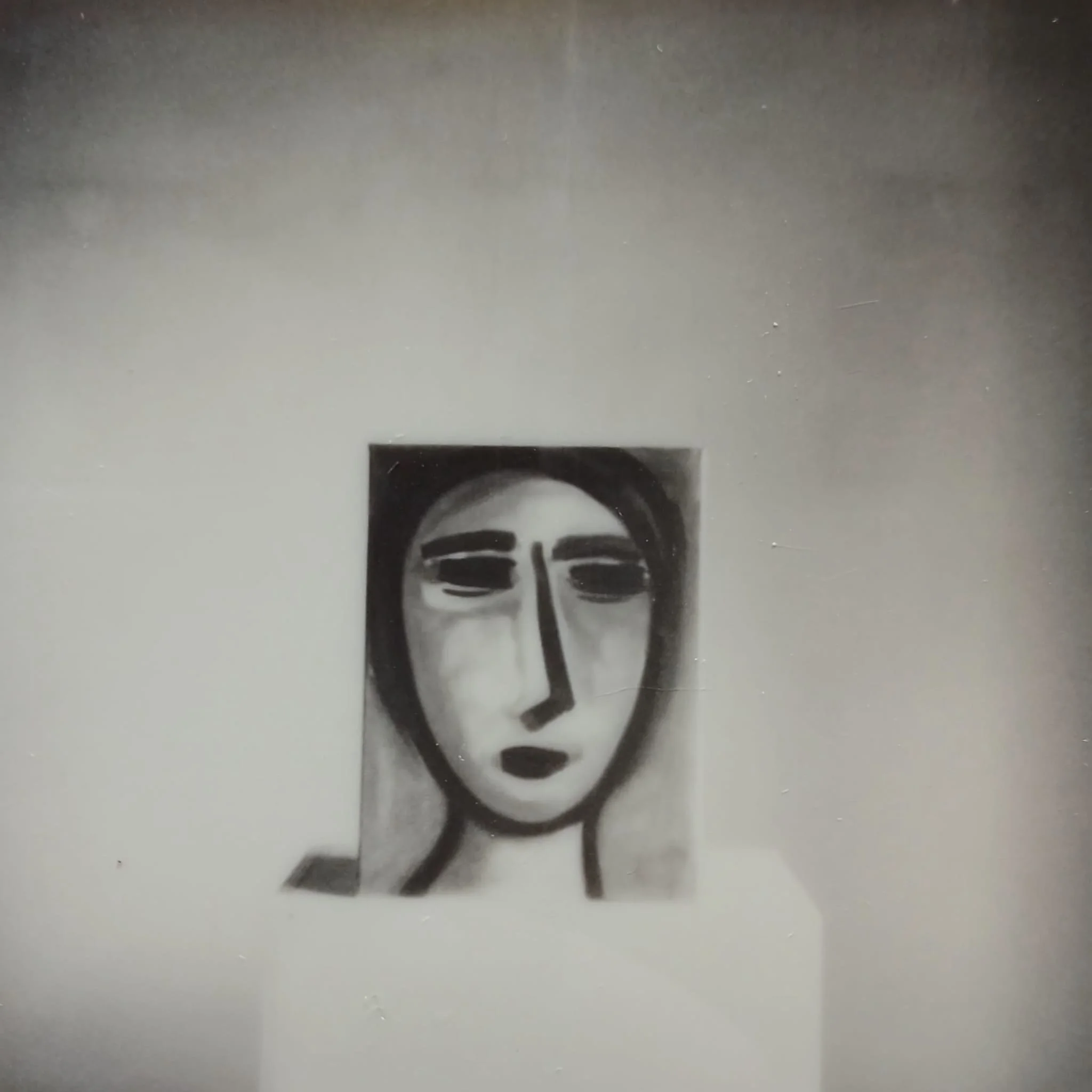
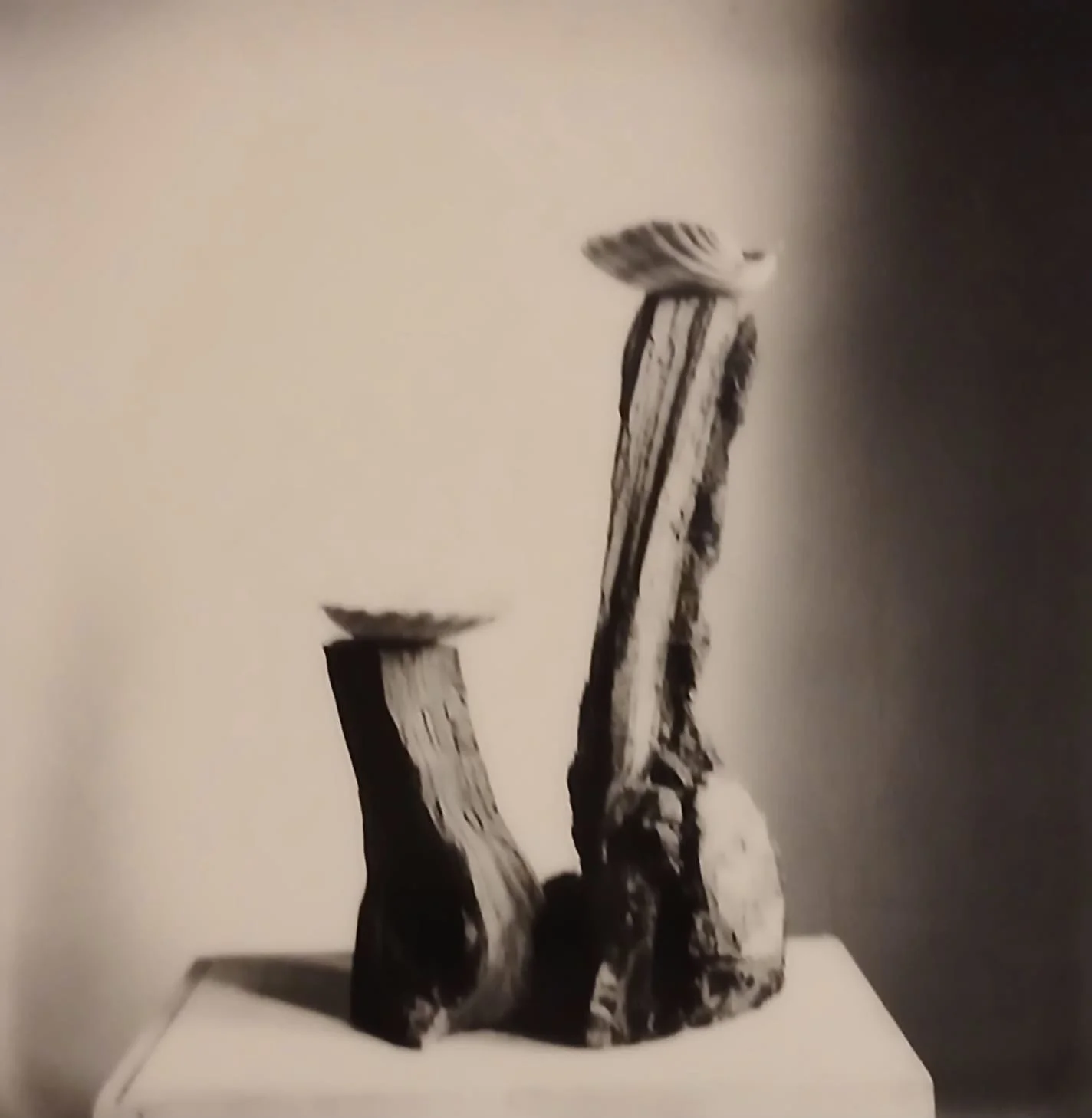
Although he works in various media—ranging from painting to photography, sculpture, drawing, and music—photography serves as the starting point for his artistic exploration.
Patriarca constructs his series as chapters in an ever-expanding archive of experiences: projects born of encounters, places, or lived experiences, which the Roman artist translates into visual and mental mosaics, shifting the narrative to a meta-temporal plane.
The title of this series of works selected for Photoshelter 2026 makes a direct reference to the Sufi poem *Gulshan-i ‘ishq* (*The Rose Garden of Love*), written in the Deccan in 1657 by the Persian romantic poet Nusrati.
The story recounts the fantastical adventures of a prince in search of his beloved—a woman he has never truly known, having seen her only in his dreams. After many trials, the two lovers finally meet in the Rose Garden, a paradisiacal place and a symbol of unity and peace.
The Deccani language brings together the literary and cultural traditions of India and Iran, and, as in many poetic cycles of the Middle East, the garden appears in this text as a metaphor for paradise on earth—a repository of symbols and elements that enable humanity to attain harmony, peace, and love through spiritual quest.
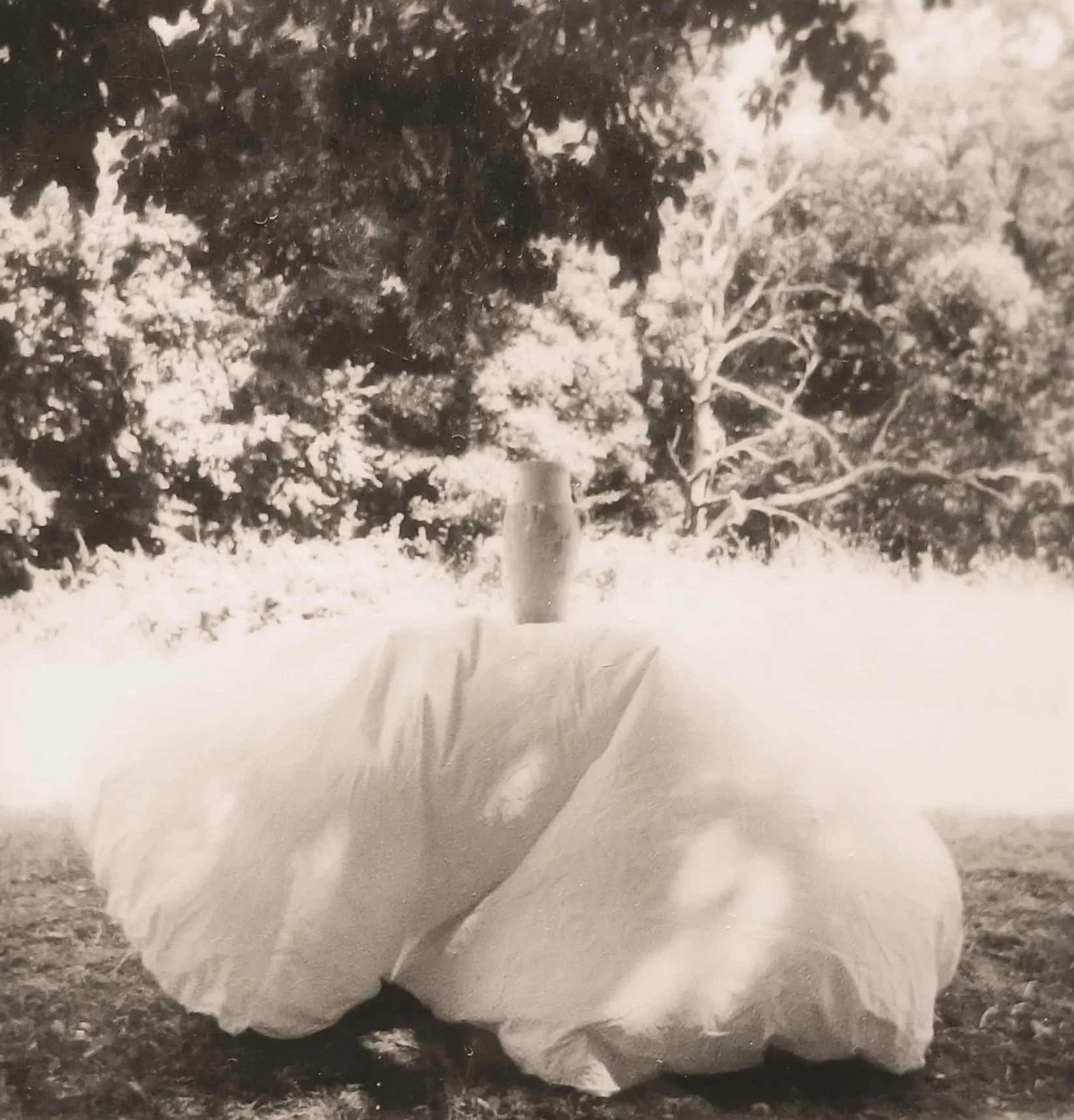
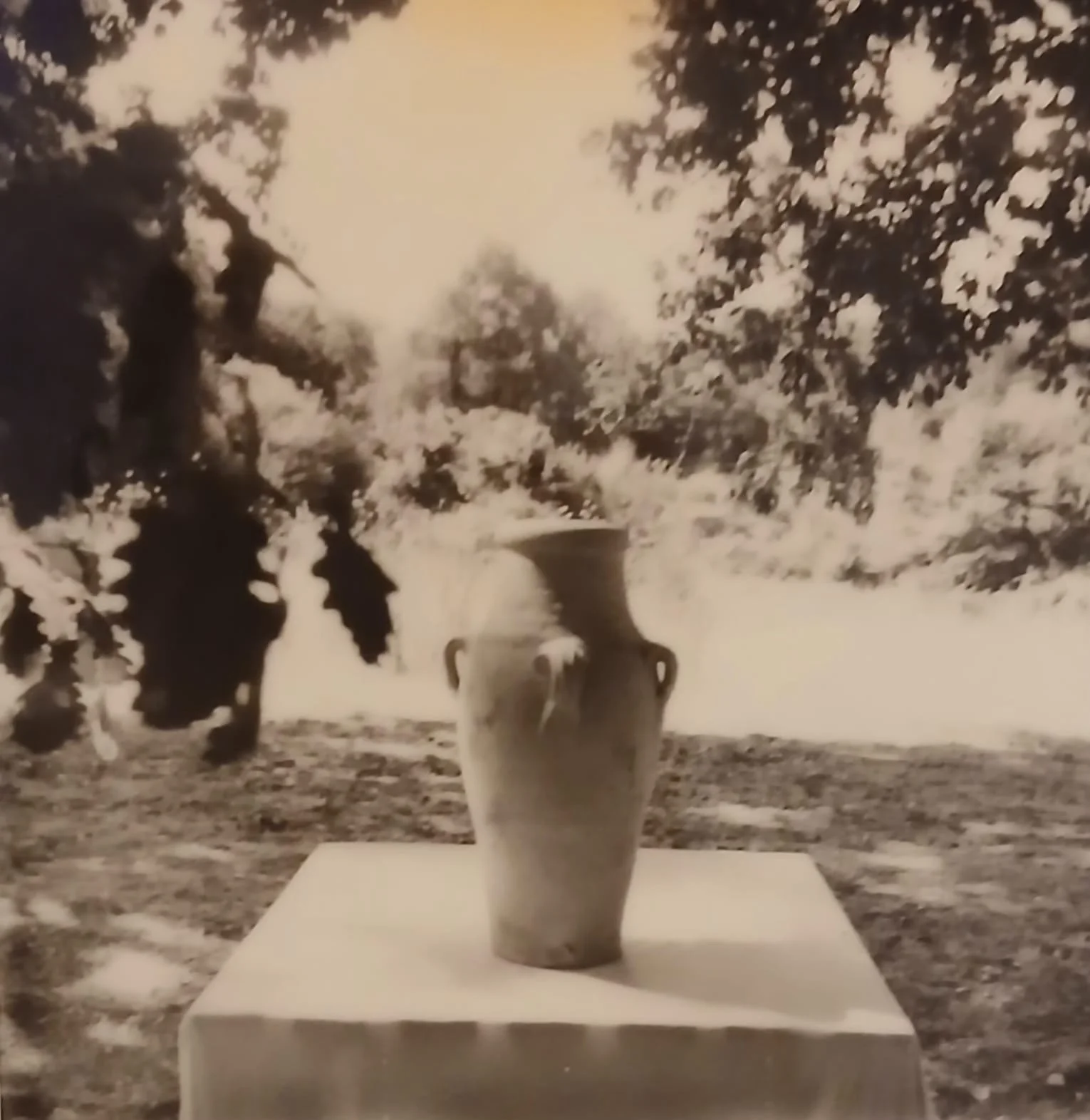
In these photographs—a natural extension of the Clay Ghost project —Patriarca introduces floral and natural elements: a forest, the garden where he lives and works, his roses and vases, portrayed once again, but outdoors, in the shade of a large, centuries-old tree and arranged on a sheet that sways in the summer breeze, commonly associated in Sufi tradition with the breath of life and dialogue with the divine. There are also plants photographed in the gardens of mosques in Paris, Córdoba, and Damascus—the so-called chahār bāgh—which evoke the ancient Persian garden traditionally divided into four sections by water channels, corresponding to the four gardens of paradise described in the Quran.
Vases overflowing with roses and landscapes of unspoiled nature transport us back to a distant, archaic time—to the idea of travel and exploration in search of the unknown, and to the allure of the desert and those places where the mystical Sufi culture took root.
Maria Savarese
Past Editions
2025 Stefano de Luigi
2024 Alfa Castaldi
2023 Denis Piel
2022 Cinzia Camela
2021 Gianni Fiorito
2020 Matteo Gastel
2019 Giada Ripa
2018 Franco Pasti
2017 Giulio Parisio
2016 Carlo Orsi