
Obelix, Weapons, and Brand Reputation: The EU General Court Rectifies the EUIPO’s Decision.
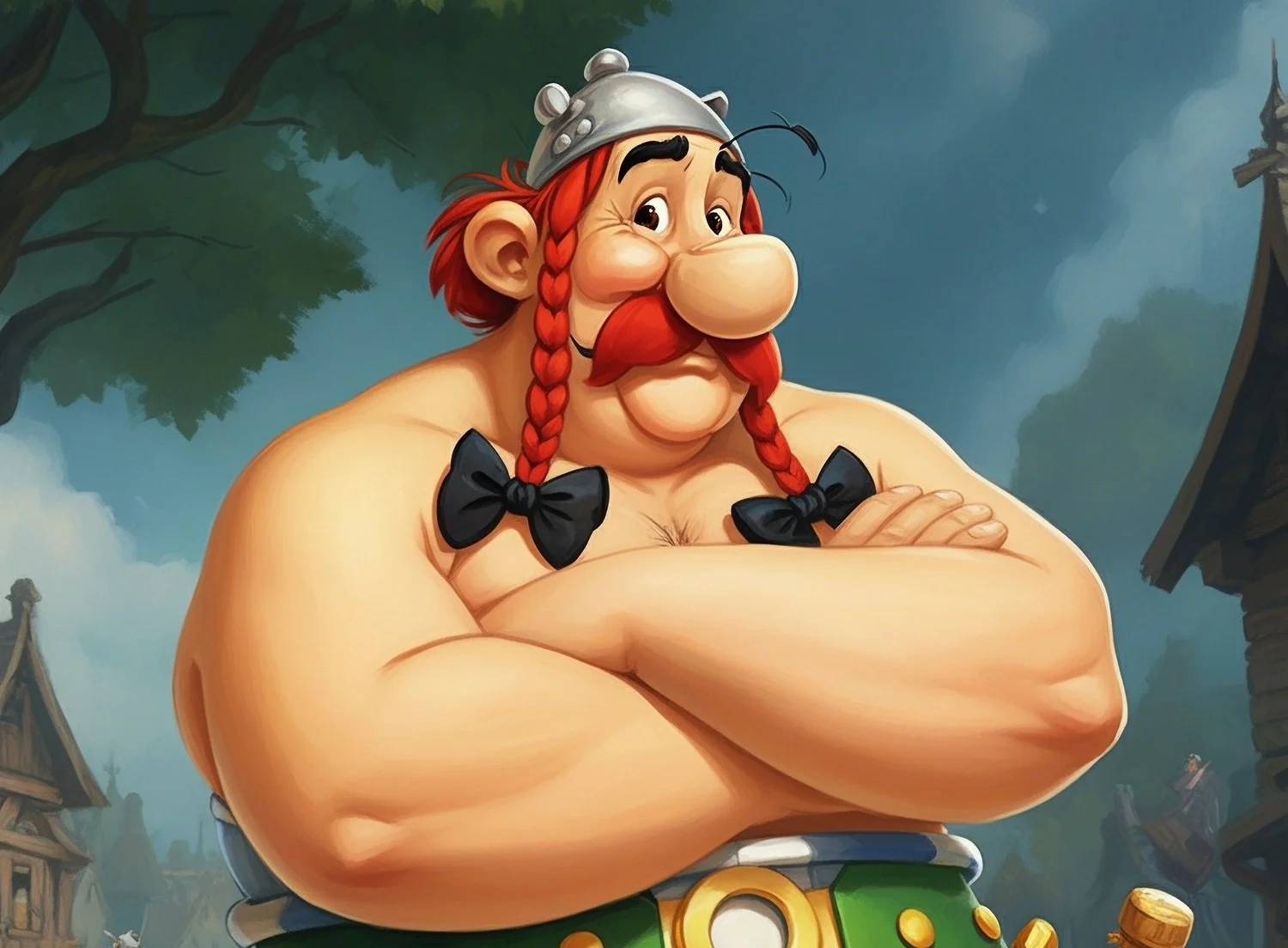
The General Court of the European Union recently ruled on a case that is set to have a significant impact on the protection of well-known trademarks and on the concept of “reputation” in European trademark law. In its judgment in Case T-24/25, the General Court annulled an EUIPO decision that had refused to invalidate the “Obelix” trademark registered for goods related to firearms, ammunition, and explosives.
The dispute stems from the registration, in 2022, of the word mark “Obelix” by a Polish entrepreneur for products in the firearms industry. Les Éditions Albert René, the long-standing publisher of the famous “Asterix and Obelix” series, opposed this registration, arguing that the use of the name for weapons and explosives would damage the reputation of the earlier OBELIX trademark.
However, the EUIPO had rejected the application for invalidation, finding that the reputation of the earlier trademark had not been sufficiently proven. Furthermore, according to the European Office, the differences between the goods and the different target audiences reduced the likelihood of association between the marks.
The EU Court has taken a very different approach.
According to the European judges, the EUIPO’s assessment was “incomplete and erroneous,” as it had failed to adequately consider various pieces of evidence regarding the dissemination and reputation of the OBELIX trademark. In particular, the General Court criticized the EUIPO for failing to give proper weight to examples of use of the “Obelix” sign accompanied by the ® symbol and for overlooking the fact that the public nevertheless perceives the term “Obelix” as inherently distinctive even when used in conjunction with the “Asterix” trademark.
One of the most interesting aspects of the decision concerns precisely the issue oflinkmentallinkbetween trademarks. The Court clarified that, in the case of trademarks with a strong reputation, the analysis cannot be limited to a simple comparison of product categories or to the finding that the relevant consumer groups are different. Instead, all relevant factors must be assessed as a whole, including the degree of distinctiveness acquired by the well-known trademark.
In other words, even though comic books and weapons belong to radically different markets, consumers might still associate the “Obelix” trademark with the famous character created by Goscinny and Uderzo. Such an association may be sufficient to result in an unfair free ride on the reputation of the earlier trademark or to damage its image.
The ruling thus confirms a well-established trend in European case law: well-known trademarks enjoy protection that goes beyond the traditional risk of confusion. European law recognizes that the evocative and reputational value of certain marks constitutes an independent asset worthy of protection, especially when the contested use risks altering their symbolic or commercial value.
For owners of well-known trademarks, this decision sets an important precedent regarding the standard of proof. The Court has, in fact, reaffirmed that a trademark’s reputation must be assessed by considering all available evidence as a whole, rather than through an overly fragmented or formalistic approach.
The ruling is also particularly significant for all sectors in which iconic names from pop culture, entertainment, or the luxury sector are referenced in completely different product contexts. Reputational risk and the “dilution” of a brand are becoming increasingly central to the contemporary economy, especially in a market where a brand’s identity value often exceeds its strictly descriptive value.
It now remains to be seen how the EUIPO will reassess the case in light of the principles set forth by the General Court. However, the message from Luxembourg already seems quite clear: the protection of well-known trademarks cannot be interpreted narrowly when there is a real risk that their reputation will be exploited or compromised.