
Is Artificial Intelligence an Author?
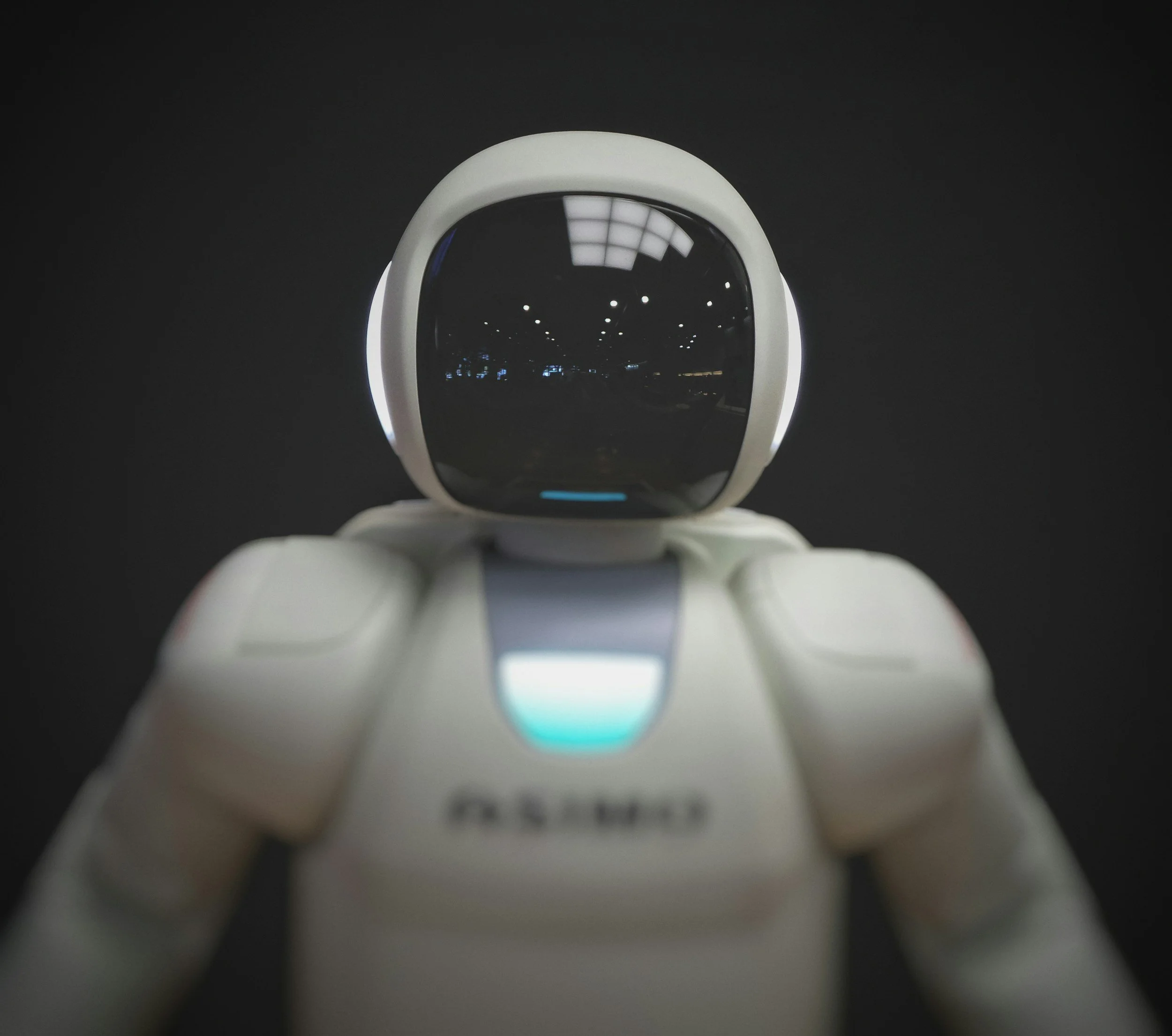
Current intellectual property laws were conceived in an era when creativity was the exclusive prerogative of human beings. However, the growing use of generative AI—such as ChatGPT for text or MidJourney for images—has made it necessary to rethink these regulations.
At present, most international laws stipulate that only a human being can be considered an author or inventor.
For example, the United States Patent and Trademark Office (USPTO) has repeatedly rejected patent applications for inventions created by AI, arguing that only a human being can be recognized as an inventor.
The United Kingdom Intellectual Property Office (UKIPO) takes the same position, ruling out AI as a potential copyright holder.
European Union: The EUIPO and the European Court of Justice also agree that only a natural person can claim copyright a work.
Italian case law has developed a concept of creativity which, as highlighted by the Court of Cassation in Judgment No. 25173/2011, “does not coincide with that of creation, originality, and absolute novelty,” but refers to the “personal and individual expression of an objectivity.” This principle was further developed by the Court of Cassation in Judgment No. 10300/2020, which specified that the work must “reflect the personality of its author, manifesting the author’s free and creative choices.”
The Italian legal system, as confirmed by Article 2575 of the Civil Code, recognizes the Copyright for “creative intellectual works,” presupposing a direct connection between the work and the personality of its creator. As highlighted by the Court of Florence in Judgment No. 1372/2022, “the Copyright does not protect ideas but only the form of expression that the author gives to the work, since it is through this form of expression that the author manifests his or her creativity and expresses his or her personality.”
One point of debate is whether AI can be recognized as a full-fledged author. Currently, regulatory bodies view AI as a tool, and the rights to the works it generates belong to the programmer or the user who provided the input for their creation. However, in some cases, human intervention is minimal or even nonexistent, making it difficult to determine the authorship of the work.
The lack of clear legislation poses several problems. First, there is the issue of legal protection: works generated by AI may not be protected by copyright, making them freely usable by anyone.
From the perspective of plagiarism and copyright infringement, many AI systems are trained on existing data and may generate content that resembles copyright works, raising legal issues.
Finally, if AI systems generate art, music, and writing on a large scale, artists and creatives risk seeing their work devalued or replaced.
Possible Solutions and Future Prospects
New categories of copyright: creating a new form of protection for works generated by AI with some degree of human involvement.
Assignment of Rights: Assign ownership of AI-generated works to the creator of the algorithm or to the person who provided the creative input.
Regulating the Use of AI: Establishing Clear Rules on How to Train AI Without Infringing on Existing Copyrights.
In conclusion, artificial intelligence is transforming the intellectual property landscape and posing challenges that lawmakers must address quickly. Until regulations are updated, companies and creators will need to exercise caution when using AI-generated content to avoid legal issues. The debate is still ongoing, and the decisions made today will shape the future of creativity in the digital age.