
BANSKY (LO SCONOSCIUTO) E' UN MARCHIO REGISTRATO
Il Tribunale di Milano si è recentemente espresso sulla tutela delle opere dell’artista di street art conosciuto con lo pseudonimo di Banksy, la cui identità è, come molti forse sapranno, ignota.
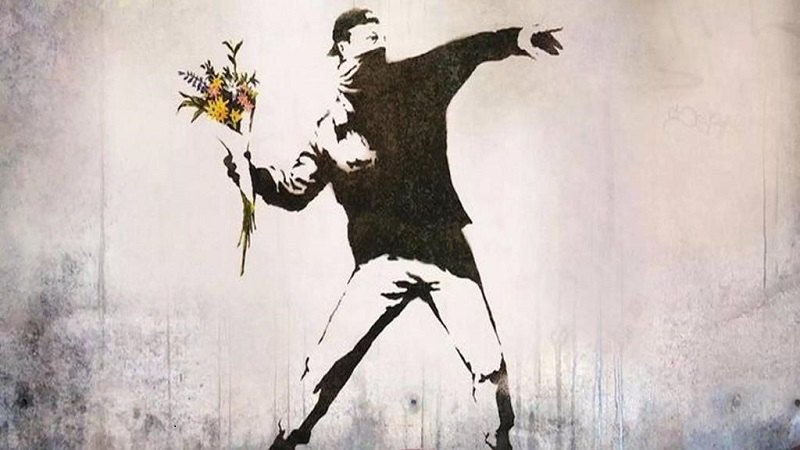
Il procedimento è stato avviato dalla Pest Control Office Ltd che ha affermato di essere il soggetto che tutela dei diritti dell’artista, per il quale cura la vendita delle opere e la realizzazione delle mostre. Pest Control Office è inoltre titolare di alcuni marchi (“Banksy”) ma anche dei segni distintivi che rappresentano alcune delle sue opere più famose, come la bambina con il palloncino rosso e il lanciatore di fiori. Pest Control ha quindi agito in giudizio contro la 24 Ore Cultura s.r.l. lamentando la violazione dei propri diritti di marchio da parte del Sole 24 Ore che ha organizzato la mostra “The art of Banksy. A visual protest”.
In primo luogo, il titolo della mostra, avrebbe violato i diritti di Basnky sul medesimo marchio registrato. Ugualmente la violazione sarebbe stata perpetrata tramite l’utilizzo delle immagini della bambina col palloncino rosso e del lanciatore di fiori nel materiale promozionale della mostra.
Il Tribunale da un lato ha considerato come illecito l’utilizzo dei segni in questione sul merchandising della mostra, in quanto mero uso commerciale per la promozione di generici prodotti di consumo privi di attinenza con la mostra, e quindi non considerabile come uso descrittivo lecito del marchio altrui.
Dall’altro, invece, ha considerato che l’utilizzo del segno Banksy e di quelli corrispondenti alle opere summenzionate nel materiale promozionale della mostra costituisce un uso lecito del marchio altrui, avendo fine meramente descrittivo della mostra stessa.
Il Tribunale ha altresì rigettato la difesa della resistente basata sul fatto che i proprietari delle opere di Banksy esposte (alias dei multipli delle sue opere di street art da lui commercializzati) avevano espressamente concesso alla resistente anche il diritto di riprodurre tali opere.
Infatti in base alla legge sul diritto d’autore infatti, “la cessione di uno o più esemplari dell’opera non importa, salvo patto contrario, la trasmissione dei diritti di utilizzazione, regolati da questa legge”. In tale contesto, precisa il Giudice, “la giurisprudenza ha già da tempo chiarito che anche la riproduzione fotografica di un’opera d’arte figurativa nel catalogo di una mostra rappresenta una forma di utilizzazione economica dell’opera pittorica e rientra nel diritto esclusivo di riproduzione riservato all’autore”.
Nonostante quanto precede, il Tribunale ha escluso che la riproduzione non autorizzata delle opere nel catalogo costituisse anche concorrenza sleale ai danni della resistente. Tale fattispecie, infatti, richiede non solo il comportamento illecito, ma anche che questo possa effettivamente causare un danno a carico del concorrente che lamenta l’illecito.
Accertato quindi che l’unico illecito ascrivibile alla resistente è l’uso dei marchi della ricorrente su prodotti di merchandising, il Tribunale ha inibito l’ulteriore commercializzazione degli articoli di merchandising in questione, con fissazione di penale e condanna della resistente al pagamento di parte delle spese legali sostenute dalla ricorrente.