
L'orologio Royal Oak di Audemars Piguet non è un marchio tridimensionale.
Il Tribunale di Milano si è recentemente espresso sulla tutelabilità della forma del noto orologio “Royal Oak” creato nel 1972 dall’azienda svizzera Audermars Piguet inizialmente protetto come marchio tridimensionale.
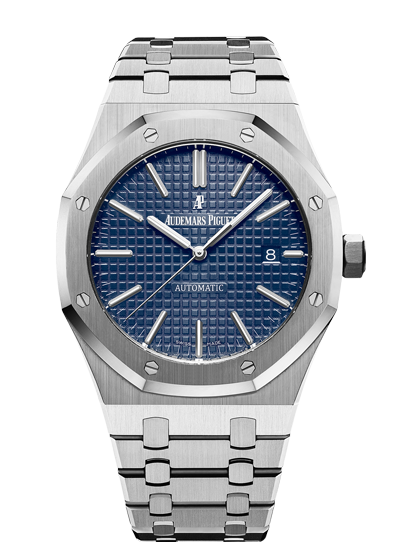
L’Audemars Piguet aveva registrato come marchio internazionale figurativo la forma della relativa lunetta e lamentava la contraffazione di marchio e la concorrenza sleale per imitazione servile da parte degli orologi commercializzati dalla start-up milanese D One s.r.l.
In un primo momento il tribunale ha emesso un provvedimento inaudita altera parte inibendo la futura commercializzazione ma dopo che la D One si è costituita in giudizio e ha esposto le proprie difese, tuttavia, il Giudice adito ha ribaltato la propria decisione iniziale e rigettato il ricorso di Audermars Piguet sulla base del fatto che “sussistono numerosi elementi di dubbio sulla validità del marchio azionato”, come testimoniato dal fatto che la sua registrazione come marchio comunitario sia stata negata dall’ufficio competente (UAMI).
In particolare, secondo il Tribunale il marchio sembra privo di capacità distintiva, ovvero della capacità di “distinguere i prodotti rispetto a quelli di un altro fabbricante e, dunque, svolgere la funzione di identificazione dell’origine imprenditoriale del prodotto”;
Sempre secondo la corte milanese il segno distintivo tridimensionale non sembra nemmeno avere acquisito capacità distintiva attraverso l’uso (c.d. “secondary meaning”), “non essendo stato documentato un utilizzo uniforme” del segno medesimo”.
Da ultimo la registrazione della forma in questione come marchio non sembra nemmeno compatibile con il dettato dell’art. 9 CPI, secondo il quale “non possono costituire oggetto di registrazione come marchio d’impresa i segni costituiti esclusivamente … dalla forma che dà un valore sostanziale al prodotto”.
In tema di concorrenza sleale, il Giudice ha ricordato che, per integrare l’illecito di concorrenza sleale ex art. 2598 co. 1 n. 1 c.c., l’imitazione servile del prodotto altrui deve “investire caratteristiche del tutto inessenziali rispetto alla funzione che sono destinate ad assolvere”, ovvero quelle caratteristiche “arbitrarie e capricciose” e “nuove rispetto al già noto” che conferiscono originalità al prodotto e hanno capacità distintiva, così che il pubblico è portato a ricondurle all’impresa da cui il prodotto origina: solo quando riguarda queste caratteristiche, l’imitazione servile investe “elementi idonei ad ingenerare confusione nel pubblico” e integra quindi concorrenza sleale confusoria.
Nel caso di specie, il Giudice non ha ravvisato la sussistenza di una simile imitazione, affermando sostanzialmente – sulla scorta di quanto rilevato in punto di contraffazione di marchio – che le forme imitate sarebbero “strutturali del prodotto e non distintive”, nonché in alcuni casi “ormai acquisite al gusto collettivo, avendo subito una certa standardizzazione”, e che comunque vi sarebbero “significative differenze” tra i due prodotti.