
The Plain Packaging Saga
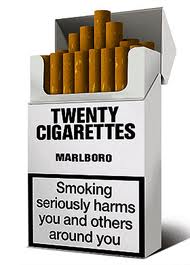
Two of the world’s biggest tobacco companies, namely Philip Morris International (PMI) and British American Tobacco (BAT), have recently filed lawsuits against the UK Government over its plan to introduce plain packaging for tobacco products. Both PMI and BAT argue that the measures deprive them of property in the form of trademarks, and are seeking compensation that could extend to billions of pounds if they succeed.
“We respect the government’s authority to regulate in the public interest, but wiping out trademarks simply goes too far” said Marc Firestone, PMI’s senior vice president and general counsel. “Countries around the world have shown that effective tobacco control can co-exist with respect for consumer freedoms and private property.”
The measures, which are planned for a 2016 introduction, have been opposed by Big Tobacco companies from day one. The power of the tobacco industry to market their products has been slowly eroded, to varying extents, by legislation in countries around the world. In the UK, advertising was phased out between 2003 and 2005, and in 2012, tobacco products were banned from display in supermarkets and large shops.
In the claims filed to the High Court, PMI and BAT also claim the measures violate European intellectual property laws. The Department of Health responded it would not let policy “be held to ransom by the tobacco industry”.
Lawyers for the Government are understood to be confident that all legal aspects of the new measures have been taken into account. But even if unsuccessful, tobacco companies may be hoping legal action will delay implementation or discourage other countries from taking similar action.
Indeed, as long as tobacco remains a legal product, then the owners of cigarette brands can make the argument that they shouldn’t be treated differently to other consumer products.
Australia introduced a similar ban in 2012 with the aim of reducing smoking and is facing challenges at the World Trade Organization which say that the law creates illegal obstacles to commerce.
By Martina Clochiatti